
Colorado Senate Bill to Authorize Direct-to-Consumer Sales of Raw Milk
Coverage of the Colorado effort to add direct-to-consumer raw milk sales to the existing herdshare framework.
Read Article →Raw milk is available in Colorado through herdshare agreements: you own a share of the herd. Producers register with the state and the model is well used.
How many Americans drink raw milk and how many states allow it: raw milk statistics.
Colorado raw milk works through herdshares, and the model is mature and widely used. By buying a share in a cow or a herd you become a part owner, and the milk you collect is your own property rather than a retail purchase, which is a route thousands of Colorado households already use.
Yes, through herdshare arrangements. Distribution of raw milk via herdshares is lawful, and producers register with the state. A share agreement typically involves a bill of sale giving you an ownership interest in the animal or herd, together with a boarding arrangement under which the farmer houses, feeds and milks the animals on your behalf and you collect your share.
Signing up is straightforward. You contract directly with a farm, pay for the share and for ongoing care, and then collect milk on a regular schedule, usually at the farm. Because you are an owner rather than a customer, the arrangement sits outside retail sales law entirely. Colorado farms have refined this over many years, and established operations run clear contracts, defined pickup windows and waiting lists.
Herdshares operate along the Front Range serving Denver, Boulder, Fort Collins and Colorado Springs, through the Western Slope around Grand Junction and Montrose, and in the San Luis Valley and eastern plains. Farms are found through local food networks, farmers market contacts and word of mouth, and many maintain websites describing share terms. Goat shares are common alongside cow shares.
There is sustained interest in adding a direct sales option on top of herdshares. Senate Bill 24-043 would have allowed registered producers to sell direct at farms, farmers markets and roadside stands, and although it did not pass in 2024 the sponsor signalled an intention to return to it, and Legislative Council staff produced a raw milk briefing in February 2026, keeping the question live at the Capitol. For the federal framework, see the United States raw milk laws overview.
Latest developments and news related to raw milk in Colorado
Coverage of the Colorado effort to add direct-to-consumer raw milk sales to the existing herdshare framework.
Read Article →Official government documents and legal resources for Colorado
The 2024 bill that would have permitted registered Colorado producers to sell raw milk direct to consumers at farms, farmers markets and roadside stands, alongside the existing herdshare route. Did not pass, and remains the template for renewed efforts.
View Official Resource →February 2026 briefing memorandum prepared for Colorado legislators on raw milk, indicating continued legislative attention to the question of expanding access beyond herdshares.
View Official Resource →Raw milk law changes in Colorado, newest first. Compare with every other state in the Colorado raw milk law timeline.
Search for raw milk sources near popular locations in Colorado
Mapping raw milk sources by hand since 2018.
Tips keep it free and updated daily.
Enter an amount of $1 or more.
✓ You're supporting a free community resource. This is a tip/donation, not a purchase of milk or products.
Cancel anytime from the link in any receipt, or at getrawmilk.com/tip/manage.
or
Designed and coded from scratch. The same developer builds MVPs, internal business systems, and writes about it.


Aurochs Bull Skull Graphic Tee
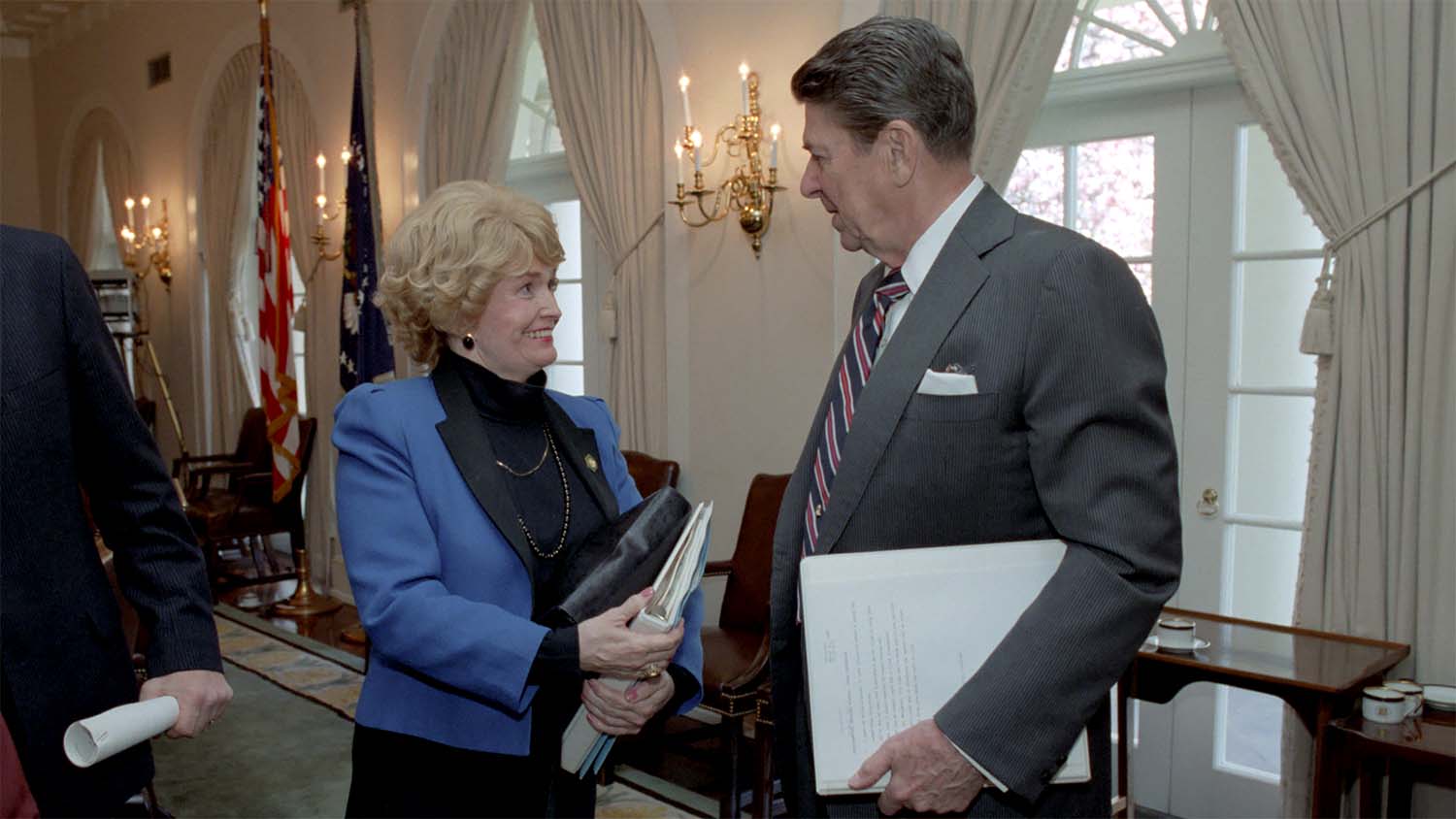
Public Citizen v. Heckler (1985, 1986) led to the 1987 federal ban on interstate raw milk sales, 21 CFR 1240.61. Sales within states were left to state law.
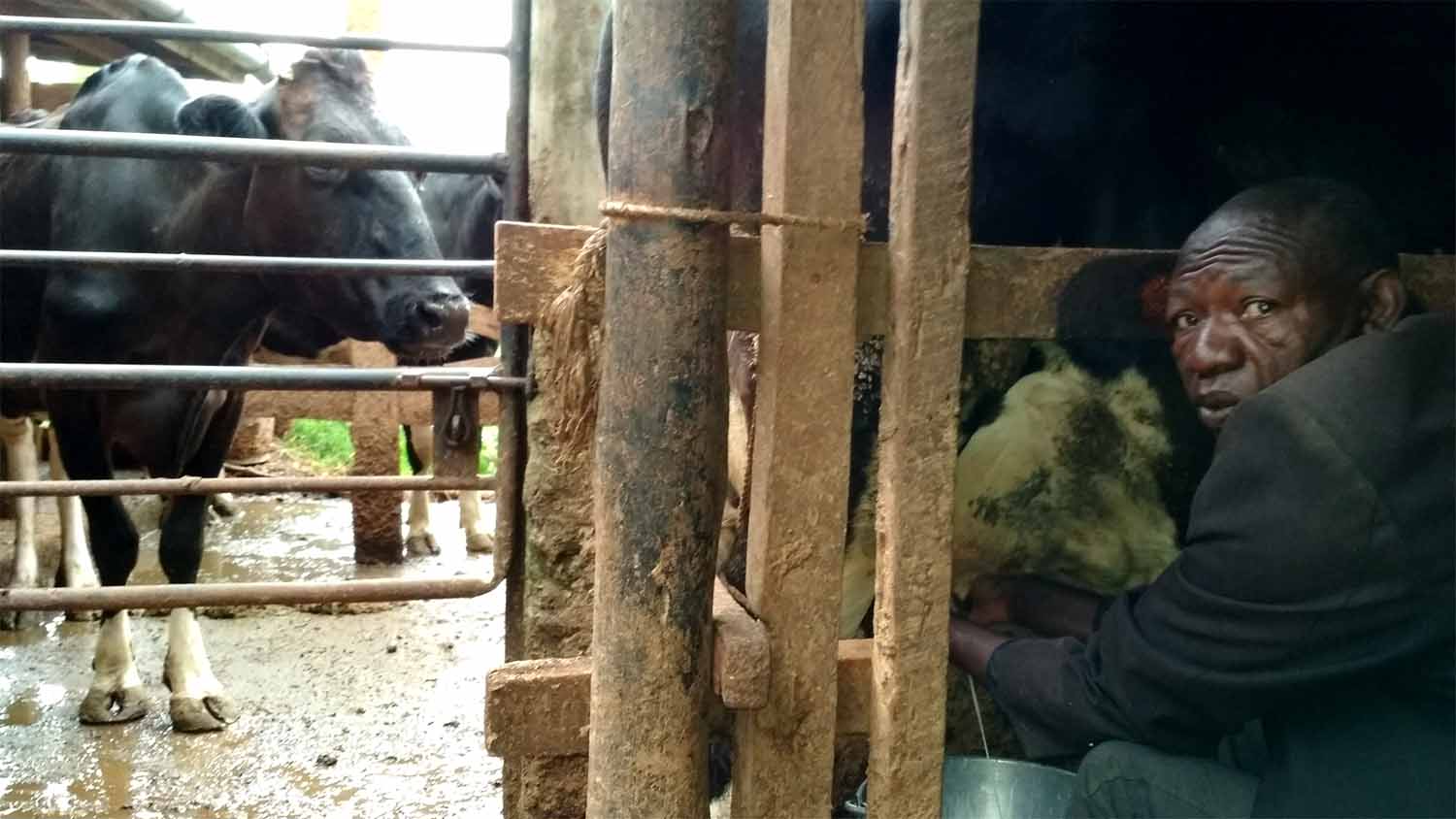
Kenya’s milk shortage deepened through October 2026. Officials now say farmers sell to informal buyers who pay more, as cartel claims spread online.
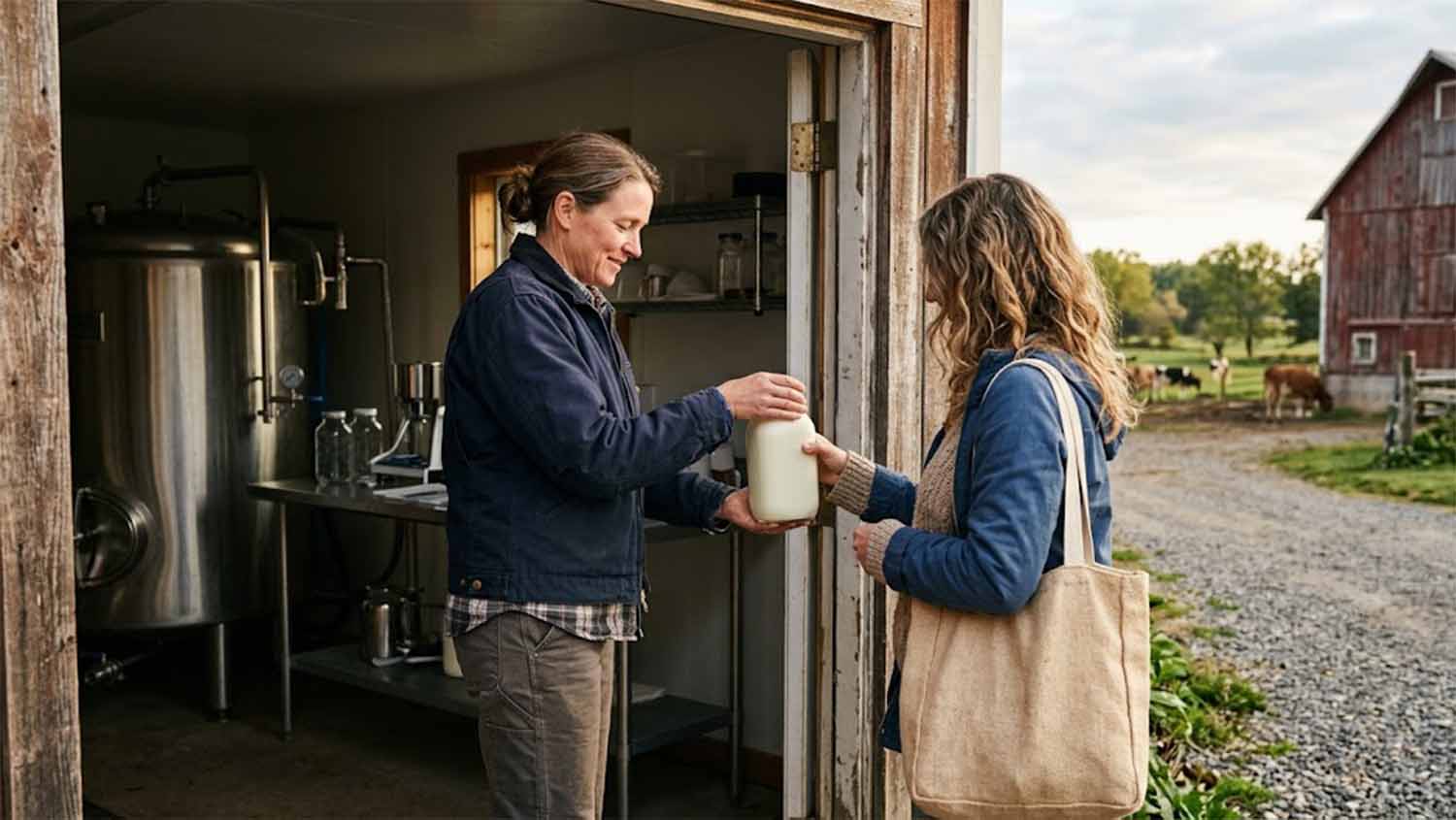
Commodity milk pays dairy farmers about $2 a gallon. Raw milk sold direct brings $6 to $20. What a farm makes depends on state law, customers and costs.
11 million US adults drink raw milk, ten times swill milk era New York. Twenty years of data show the 1850s death toll has not returned. Here’s why.
RFK Jr. could open interstate raw milk sales, fix FDA warnings and ease enforcement. He hasn’t used his position to do so. Here is how each option would work.
DATCP suspended Grassway Organics’ license and seeks $10,000 plus $50 a day. What the case means for raw milk access in Wisconsin.