
Raw Milk Laws by State & Country
Comprehensive legal guide to raw milk regulations across the US, Canada, and countries worldwide.
This interactive map shows the legal status of raw milk by state and country. Click a region to learn about its specific regulations.
Legal Disclaimer: This information is provided for educational purposes only and is not legal advice. For specific legal guidance, contact us or consult your attorney. For legal defense resources, visit the Farm to Consumer Legal Defense Fund.
Designed and coded from scratch. The same developer builds MVPs, internal business systems, and writes about it.
Understanding Raw Milk Legal Status
Raw milk regulations vary widely by jurisdiction. Some allow retail or farm-direct sales, others restrict to narrow pathways, and some prohibit distribution entirely. Click any region to see its specific rules.
For figures on raw milk drinkers, sales and safety, see raw milk statistics. To see when each state legalized or widened access, year by year, see the raw milk law timeline.
Law Status Guide
Established Regulatory Framework
Raw milk can be legally purchased in stores or directly from producers. On-farm and retail sales are permitted.
Possible with Restrictions
Herdshares, cow sharing, or "pet food" consumption permitted. Direct sales to consumers may be limited to on-farm.
No Sales or Herdshares
Raw milk distribution and herdshares are prohibited. Personal production and consumption only.
Browse by State and Country
-
United States
Raw milk in the US is decided state by state. Federal law bans only interstate sales; roughly 30 states allow retail, on-farm, or herdshare access.
View United States laws →-
Alabama
Formal raw milk sales are restricted in Alabama under Ala. Code §20-1-40. No licensed farm-direct or herdshare pathway has been established, but limited informal access exists in the state's rural and agricultural communities.
-
Alaska
Since March 2023 registered Alaska producers may sell raw cow, goat and sheep milk direct, at markets and through retail. Herdshares are also lawful.
-
Arizona
Arizona allows licensed retail sales of raw milk plus cream, butter, yogurt and kefir. Grocery and health food stores stock it, so access is straightforward.
-
Arkansas
Arkansas opened up in 2025. Licensed producers may sell raw milk at farmers markets, natural food stores and by direct delivery, with no volume cap.
-
California
Raw milk is legal in California retail stores under a CDFA market milk permit. It is the largest raw milk market in the US, held to Grade A testing standards.
-
Colorado
Raw milk is available in Colorado through herdshare agreements: you own a share of the herd. Producers register with the state and the model is well used.
-
Connecticut
Retail and farm-direct raw milk sales are legal in Connecticut with a state permit. Licensed health food stores, food cooperatives, and farms may sell raw milk directly to consumers.
-
Delaware
Raw milk sales became legal in Delaware under SB 273, signed September 26, 2024. Permitted farms may sell directly to consumers.
-
District of Columbia
Raw milk sales for human consumption are prohibited in the District of Columbia, which follows federal food safety standards. No farm-direct or retail pathway exists.
-
Florida
Raw milk is sold on Florida farms under a 'pet milk' label, authorized for animal consumption under §502.161 Florida Statutes but widely purchased by human consumers. No licensed human food retail pathway exists.
-
Georgia
Licensed on-farm raw milk sales are available to any consumer in Georgia under O.C.G.A. §26-2-450 et seq. (Raw Dairy Act, effective July 1, 2023). No herdshare or ownership arrangement is required; consumers purchase directly from permitted farms.
-
Hawaii
Hawaii currently allows only Grade A pasteurized milk to be sold to consumers. Raw milk cheese is legal, and legislative efforts to open access continue.
-
Idaho
Idaho allows retail raw milk sales with a permit, plus herdshares and a small herd exemption for up to three cows. Raw dairy products are covered too.
-
Illinois
On-farm raw milk sales are legal in Illinois from permitted farms. Producers hold a dairy farm permit plus a distribution point permit and sell at the farm.
-
Indiana
Indiana raw milk moves through herdshares, which operate openly although no statute addresses them. Raw pet milk sales are legal, and reform bills recur.
-
Iowa
Raw milk has been legal in Iowa since July 2023. Licensed small dairies of up to ten animals sell direct to consumers at the farm and by delivery.
-
Kansas
Kansas allows on-farm sales of raw milk, butter, cream, yogurt, kefir and unaged cheese with no permit required. Producers may advertise freely since 2019.
-
Kentucky
Kentucky permits on-farm sales of raw goat milk from permitted producers to buyers with a physician's written recommendation.
-
Louisiana
Raw milk became legal in Louisiana on 1 August 2024 under HB 467. Registered farms sell cow and goat milk and raw cheese at the farm, subject to a volume cap.
-
Maine
Raw milk is available at licensed farms, farm stands, and farmers markets throughout Maine under 7 M.R.S.A. §2902-B, with no herdshare membership required. Maine is one of the most accessible states in New England.
-
Maryland
Raw milk labeled for pet consumption is sold by Maryland farms registered under COMAR 15.18.09.13. No licensed human consumption pathway exists; a 2025 bill (HB 1449) to establish one did not advance out of committee.
-
Massachusetts
On-farm raw milk sales are legal in Massachusetts under 330 CMR 33.00. A state permit is required and sales are restricted to the licensed farm. No delivery, retail store, or farmers market sales.
-
Michigan
Raw milk is available in Michigan through herdshares recognised by MDARD Policy 1.40. A court ruling also covers raw cream and butter for shareholders.
-
Minnesota
Raw milk purchases are legal in Minnesota at the farm where the milk is produced. Bills to create a registered small producer route are before the legislature.
-
Mississippi
Formal raw milk sales are restricted in Mississippi under Miss. Code Ann. §75-31-41. No licensed farm-direct or herdshare framework has been established, but limited informal access exists in rural farming communities.
-
Missouri
Missouri allows raw milk and raw cream sales at the farm and by delivery with no permit. Permitted producers can additionally sell at farmers markets.
-
Montana
Montana lets small dairies sell any raw dairy product direct to consumers with no licence or inspection, under the Local Food Choice Act 5/10/10 herd limits.
-
Nebraska
On-farm sales of raw milk and raw cream are legal in Nebraska with no permit required, under an exemption in the Nebraska Milk Act for direct farm sales.
-
Nevada
Nevada allows certified raw milk where a county establishes a milk commission. Nye County has one, and sales stay within the county where the milk is produced.
-
New Hampshire
Licensed raw milk is available at farms, farm stands, farmers markets, and retail stores in New Hampshire under RSA 184. Producers may sell to retail stores under a producer-distributor license; small producers under 20 gallons per day may sell direct at the farm, farm stand, or farmers market.
-
New Jersey
Raw milk sales for human consumption are prohibited in New Jersey under N.J.A.C. 2:82. Bills to legalize farm-direct sales were introduced in 2024 but did not advance.
-
New Mexico
Licensed raw milk is sold in New Mexico retail stores and at farms. Retail access is well established statewide, with labelling set by the New Mexico Food Act.
-
New York
On-farm raw milk sales are legal in New York under Agriculture and Markets Law §47-a. A state retail permit is required; consumers must visit the farm to purchase. No delivery or off-farm retail sales.
-
North Carolina
Formal raw milk sales are restricted in North Carolina, but limited informal access exists in agricultural communities. Bipartisan legalization bills have been active since 2024; the Agriculture Commissioner has actively opposed them.
-
North Dakota
Since August 2025 North Dakota farms may sell raw milk and raw milk products direct to consumers, including yogurt, butter, cheese and ice cream.
-
Ohio
Raw milk is available in Ohio through herdshare agreements: you buy an ownership share in a dairy animal. Herdshares are well established across the state.
-
Oklahoma
Raw milk is legal in Oklahoma from permitted farms. A 2026 law raised the sales cap and legalized advertising, making producers far easier to find.
-
Oregon
Oregon splits raw milk by species. Cow milk is on-farm only from herds of two or fewer, with no advertising. Goat and sheep milk may be sold more widely.
-
Pennsylvania
Retail and on-farm raw milk sales are legal in Pennsylvania under 7 Pa. Code Chapter 59. Pennsylvania has one of the most developed raw milk retail frameworks in the country, with permitted grocery stores and specialty retailers.
-
Rhode Island
Raw milk sales for human consumption are prohibited in Rhode Island. Legislation to establish a farm-direct licensing pathway was introduced in 2024 but did not advance.
-
South Carolina
Licensed raw milk is available on-farm and through retail distribution in South Carolina under SC Regulation 61-34. Licensed producers may sell directly to consumers and distribute through retailers; retail stores and distributors do not require a separate permit for producer-permitted raw milk.
-
South Dakota
South Dakota permits raw milk purchases at the producing farm, and producers may deliver direct to consumers. Producers hold a permit and meet set standards.
-
Tennessee
Raw milk is legal in Tennessee through herdshares under Tenn. Code Ann. §53-3-119 (2009). Members own a share of the animals; retail sales are not allowed.
-
Texas
Raw milk is legal in Texas from permitted farms, sold at the farm or delivered to your door by the producer. Texas is one of few states allowing farm delivery.
-
Utah
Raw milk is sold in Utah grocery stores statewide following HB 179 in 2026, alongside specialty retailers and farm sales. One of the most accessible states.
-
Vermont
On-farm and farmers market raw milk sales are legal in Vermont with a state permit from the Agency of Agriculture. Producer testing and labeling requirements apply. No licensed grocery store pathway.
-
Virginia
Herdshares, where shareholders own the dairy animals, are the main raw milk pathway in Virginia. Selling raw milk for human consumption is prohibited.
-
Washington
Raw milk is legal in Washington retail stores from WSDA-licensed producers meeting Grade A standards. Cow shares are lawful where the producer is licensed.
-
West Virginia
Raw milk sales are legal in West Virginia under HB 4911 (2024) and a 2025 rule. Any seller may offer labeled raw milk and products; no license is needed.
-
Wisconsin
Wisconsin allows incidental raw milk sales at the farm where it is produced. Shareholders with a real ownership stake in a licensed dairy may also receive milk.
-
Wyoming
Wyoming has among the broadest raw milk access in the US. Under the Food Freedom Act producers sell without permits, including via grocery stores and agents.
-
-
United Kingdom
Raw milk is legal from FSA-registered farms in England, Wales and Northern Ireland, with 149 producers on the March 2026 register. Banned in Scotland.
View United Kingdom laws →-
England
England has the UK's largest legal raw milk sector, with around 140 registered producers selling via farm gate, vending machines, markets and online.
-
Northern Ireland
Raw milk is legal in Northern Ireland from holdings registered via DAERA, but just three producers appeared on the FSA March 2026 register.
-
Scotland
Scotland is the only UK nation to ban raw drinking milk, in force since 1983. Raw milk cheese, by contrast, remains legal and is widely produced.
-
Wales
Raw milk is legal in Wales from FSA-registered farms under rules mirroring England's, though only a handful of registered producers operate there.
-
-
Albania
Traditional village dairy production with raw milk widely available from farms. No formal consumer sales framework confirmed.
View Albania laws → -
Australia
Raw cow milk is banned for human consumption in all states and territories. Raw goat milk is permitted with restrictions in four states.
View Australia laws →-
Australian Capital Territory
Raw milk prohibited in accordance with the FSANZ Food Standards Code. No separate ACT dairy scheme exists to permit raw milk sales.
-
New South Wales
Raw cow milk banned. Raw goat milk permitted under the NSW dairy food safety scheme with testing and labeling requirements.
-
Northern Territory
Raw milk prohibited in accordance with the FSANZ Food Standards Code. No separate NT dairy scheme exists to permit raw milk sales.
-
Queensland
Raw cow milk banned. Raw goat milk permitted under the Queensland dairy scheme with mandatory testing, recall procedures, and caution labeling.
-
South Australia
Raw cow milk banned. Raw goat milk permitted under strict conditions including testing, recall procedures, and labeling administered by SA Health.
-
Tasmania
Raw milk of any species banned for human consumption. Tasmania does not participate in the raw goat milk exemption available in some mainland states.
-
Victoria
Raw milk of any species is banned for human consumption. Victoria does not permit raw goat milk sales and requires a bittering agent in cosmetic bath milk.
-
Western Australia
Raw cow milk banned. Raw goat milk permitted under the state dairy scheme with testing and labeling requirements.
-
-
Austria
Legal at the farm, from milk vending machines and through shops, sold within two days after milking day with a "boil before consumption" notice.
View Austria laws → -
Bahrain
No consumer retail pathway for raw milk. Bahrain implements GCC/GSO harmonized standards requiring pasteurization for commercially sold milk. Domestic dairy production is minimal; most dairy is imported.
View Bahrain laws → -
Belgium
Legal at the farm, at markets, door to door and from vending machines within 80 km of the farm, and through local shops. Labeled "koken voor gebruik".
View Belgium laws → -
Bosnia and Herzegovina
No formal consumer raw milk framework. Direct village-to-consumer farm sales are widely practiced throughout the country with minimal enforcement.
View Bosnia and Herzegovina laws → -
Brazil
No federal authorization for consumer raw milk sales. State-level artisanal dairy frameworks — particularly in Minas Gerais and Rio Grande do Sul — permit farm-direct raw milk products. Informal farm sales are widely practiced.
View Brazil laws → -
Bulgaria
Raw milk production regulated under Order No. 5 of May 2023. The Bulgarian Food Safety Agency oversees farms and conducts official sampling.
View Bulgaria laws → -
Canada
Canada is the only G7 nation where raw milk cannot be sold legally. The federal ban has stood since 1991 with no provincial exemption. Cheese is exempt.
View Canada laws →-
Alberta
Raw milk sale is banned in Alberta under the Dairy Industry Act, but the province has Canada's most active reform push and a large underground market.
-
British Columbia
BC is the only province classifying raw milk itself as a health hazard, carrying heavy Public Health Act penalties. Over 100 herdshares operate anyway.
-
Manitoba
Raw milk sale is banned in Manitoba, though regulation allows household production of up to 50 litres a day consumed on the same parcel of land.
-
New Brunswick
New Brunswick's Public Health Act bars any person from selling, delivering or distributing milk that was not pasteurised in a licensed dairy plant.
-
Newfoundland and Labrador
Newfoundland and Labrador bars sale of unpasteurised milk for human consumption, except to a dairy plant for pasteurisation before distribution.
-
Northwest Territories
Raw milk sale is banned in the Northwest Territories. There is no commercial dairy production and all fluid milk is shipped in from the south.
-
Nova Scotia
Raw milk sale is prohibited in Nova Scotia under the Dairy Industry Act, which bars unlicensed production, transport, processing and marketing.
-
Nunavut
Raw milk sale is banned in Nunavut, which has no dairy farming at all. Milk arrives by air or by sealift from southern Canada.
-
Ontario
Ontario banned raw milk sales in 1938, the first province to do so, and enforces it under both the Milk Act and the Health Protection and Promotion Act.
-
Prince Edward Island
On Prince Edward Island unpasteurised milk may only be sold to a licensed processing plant or Dairy Farmers of PEI. There is no route to consumers.
-
Quebec
Raw drinking milk is banned in Quebec, but it is the only province allowing raw milk cheese aged under 60 days and has Canada's largest artisan sector.
-
Saskatchewan
Raw milk sale is prohibited in Saskatchewan through marketing board licensing and public health rules. Only licensed producers may produce milk at all.
-
Yukon
Raw milk sale is banned in Yukon under federal regulation and territorial public health law. The territory has effectively no commercial dairy sector.
-
-
China
Commercial sale of raw milk is prohibited; all raw milk must enter the licensed processing supply chain under State Council regulations enacted after the 2008 melamine scandal. On-site consumption at agritourism venues is not explicitly addressed by commercial regulations.
View China laws → -
Colombia
Pasteurization required for commercial milk under Decree 616/2006. Traditional raw milk sales at local markets and directly from farms are widely practiced with minimal enforcement.
View Colombia laws → -
Costa Rica
Pasteurization required for commercially sold milk under SENASA and Ministerio de Salud regulations. Farm-direct raw milk sales occur informally; enforcement has been more active than in some regional neighbors.
View Costa Rica laws → -
Croatia
Farm vending machines operate across the country. Growing consumer adoption documented in academic research.
View Croatia laws → -
Cyprus
EU member state operating under EU Regulation (EC) No 853/2004. Farm-direct raw milk sales practiced with traditional small-scale sheep and goat dairy production. Veterinary Services oversees compliance.
View Cyprus laws → -
Czech Republic
Legal at farm and via registered vending machines. Registration with the regional State Veterinary Administration required. Mandatory heat-treat-before-use warning.
View Czech Republic laws → -
Denmark
Legal from registered dairy farms direct to consumers, up to 70 litres a week, sold within 24 hours of milking. Farms may also deliver to the buyer.
View Denmark laws →-
Faroe Islands
Autonomous territory of Denmark with its own food safety framework. Traditional sheep dairy culture; raw milk is consumed locally. Not bound by EU food law.
-
Greenland
Autonomous territory of Denmark with its own government. Local dairy farming is minimal given the Arctic climate; traditional consumption of raw dairy from reindeer herding occurs. Not bound by EU food law.
-
-
Ecuador
Pasteurization required under INEN NTE standards and ARCSA regulations. Traditional farm-direct and market sales of raw milk are widely practiced, particularly in highland dairy regions.
View Ecuador laws → -
Egypt
Approximately 85% of milk sold in Egypt is loose, raw milk distributed by street vendors, in bags, or directly from farmers. Raw milk is the dominant urban market form and a long-standing consumer preference, particularly for buffalo milk.
View Egypt laws → -
El Salvador
Pasteurization required under MAG and Ministerio de Salud regulations. Traditional farm-direct and market sales of raw milk are practiced, particularly in rural areas.
View El Salvador laws → -
Estonia
Legal for veterinary-certified farms. Sold through vending machines, farmers markets, and grocery stores. Agriculture and Food Board certification and bi-monthly pathogen testing required.
View Estonia laws → -
Ethiopia
No specific statutory prohibition on raw milk consumer sales has been identified. Raw milk consumption is near-universal across most of the country; the formal pasteurized sector serves only major cities. Extensive pastoralist communities (Afar, Somali, Oromo) consume raw milk and camel milk as dietary staples.
View Ethiopia laws → -
Finland
Legal at the farm and packaged in supermarkets. Farms sell up to 2,500 kg a year directly; approved dairies can supply raw milk to shops with no volume limit.
View Finland laws → -
France
Legal at the farm, at markets, from vending machines and packaged in shops under the Arrêté du 13 juillet 2012, with one prefectural authorization.
View France laws →-
French Guiana
French law applies. Raw milk legal via farm gate, vending machines, and retail under the Arrêté du 13 juillet 2012. Local dairy production is limited given the territory's equatorial climate.
-
Guadeloupe
French law applies. Raw milk legal via farm gate, vending machines, and retail under the Arrêté du 13 juillet 2012. Local cattle farming present across the archipelago.
-
Martinique
French law applies. Raw milk legal via farm gate, vending machines, and retail under the Arrêté du 13 juillet 2012. Small local dairy sector present.
-
Mayotte
French law applies following Mayotte's accession as a full overseas department in 2011. Raw milk legal under the Arrêté du 13 juillet 2012; local dairy production is minimal.
-
Réunion
French law applies. Raw milk legal via farm gate, vending machines, and retail under the Arrêté du 13 juillet 2012. Active local dairy sector in the island's cooler upland regions.
-
-
Germany
Legal two ways: certified Vorzugsmilch sold packaged in shops, and raw milk sold at the farm within a day of milking under a posted boil notice.
View Germany laws → -
Ghana
Ghana's Food and Drugs Authority requires pasteurization for commercial milk under the Public Health Act 2012, but approximately 90% of milk traders do not pasteurize. Nunu, a spontaneously fermented raw milk product, is a traditional food in Ghana's northern regions.
View Ghana laws → -
Greece
Commercial pasteurization required under national food law. Direct farm sales and informal retail are widely practiced in rural areas with minimal enforcement.
View Greece laws → -
Hungary
Farm milk taps and direct farm sales operate across the country as part of the broader Central European vending machine trend.
View Hungary laws → -
India
Raw milk is widely consumed through the traditional milkman (doodhwala) system. FSSAI regulations require pasteurization for organized commercial dairy, but direct small-quantity producer-to-consumer sales are a recognized traditional practice.
View India laws → -
Iran
Raw milk sale is barred from dairy shops in Iran by veterinary circulars, but bulk milk (shir-e felleh) is widely sold and traditional dairy culture is strong.
View Iran laws → -
Ireland
Legal for registered producers via farm gate, farmers markets, and local independent retailers within the farm supply area.
View Ireland laws → -
Israel
Raw milk sale is prohibited in Israel: farmers may sell only to licensed dairies. It circulates through traditional communities and health food channels.
View Israel laws → -
Italy
Legal at the farm and from raw milk vending machines across Italy. Machines must show a boil-before-use notice and a use-by no more than 3 days from milking.
View Italy laws → -
Japan
On-farm consumption (bokujō innyō / 牧場飲用) is the only legal pathway. Commercial sale requires pasteurization under the Ministerial Ordinance on Milk and Dairy Products. Some farms offer raw milk to on-site visitors.
View Japan laws → -
Jordan
No formal retail pathway for raw milk. Approximately 5% of Jordan's milk supply moves through informal door-to-door channels without processing. Bedouin communities in southern Jordan consume raw goat, sheep, and camel milk as a cultural staple; 92% of camel milk consumers in these communities drink it raw.
View Jordan laws → -
Kazakhstan
No explicit ban on raw milk retail; as an EAEU founding member, TR CU 033/2013 governs dairy products on paper. Raw milk is widely sold at informal bazaars with minimal enforcement outside licensed commercial operations.
View Kazakhstan laws → -
Kenya
Urban raw milk sales and hawking are banned under the Dairy Industry Regulations, 2021. The only legal raw milk pathway is a narrow rural exception: producers may sell small quantities directly to neighboring consumers without resale. Active enforcement campaign underway as of 2026.
View Kenya laws → -
Kosovo
Traditional dairy culture with informal farm-to-consumer raw milk sales consistent with the regional pattern.
View Kosovo laws → -
Kuwait
Raw milk circulates in a regulatory grey zone. The Ministry of Health has issued warnings against unlicensed raw milk sales at farms, homes, and shops across Kuwait. At least one commercial service openly delivers raw cow milk to consumers. No formal retail licensing pathway has been confirmed.
View Kuwait laws → -
Kyrgyzstan
No explicit ban on raw milk retail; as an EAEU member, TR CU 033/2013 applies. Raw milk is very widely produced and sold at markets throughout the country, including significant informal cross-border trade with Kazakhstan.
View Kyrgyzstan laws → -
Latvia
Retail sale authorized by PVD. Raw milk available in grocery stores in Riga and direct from farms. Authorization and laboratory testing required for producers.
View Latvia laws → -
Lebanon
Extensive informal artisanal raw milk sector centered in the Bekaa Valley. Ministry of Agriculture farm registration is required but no retail-level pasteurization mandate is consistently enforced. Lebanon became home to the region's first RAWMI-listed dairy in December 2025.
View Lebanon laws → -
Lithuania
Direct farm sales to consumers are legal. Retail shop sales are not permitted.
View Lithuania laws → -
Mexico
Federally prohibited under NOM-243-SSA1-2010, but widely sold informally at markets and farms with minimal enforcement.
View Mexico laws → -
Monaco
No local dairy production. French food safety law applies in practice via the France-Monaco customs union, making retail raw milk — legal in France — accessible through French supply chains.
View Monaco laws → -
Mongolia
Street sale of raw milk is technically prohibited under the Food Safety Law (2012); raw milk may be sold through licensed one-stop milk sales centers. A large informal market of direct producer sales operates alongside certified channels, with minimal enforcement.
View Mongolia laws → -
Montenegro
Traditional rural dairy culture with informal farm-to-consumer sales widely practiced. No formal consumer raw milk authorization framework confirmed.
View Montenegro laws → -
Morocco
Moroccan law explicitly requires all milk for human consumption to be industrially pasteurized under Decree No. 2-00-425 (2000) and Law No. 28-07 on food safety. ONSSA enforces for licensed facilities. Informal peri-urban sales are tolerated in practice but the legal prohibition is clear.
View Morocco laws → -
Nepal
Raw cow and buffalo milk is widely sold through farms, local cooperatives, and traditional milkman channels. No formal consumer raw milk framework exists; traditional direct sales operate without specific legal authorization.
View Nepal laws → -
Netherlands
Legal at the farm and through local shops, including frozen raw milk farms can ship. Farm milk taps test twice a month for bacteria and monthly for pathogens.
View Netherlands laws →-
Bonaire
Special municipality of the Netherlands. Dutch food safety standards apply; EU Regulation 853/2004 does not apply directly as BES islands are Overseas Countries and Territories. Local dairy is minimal; farm-direct raw milk sales informal.
-
Saba
Special municipality of the Netherlands. Dutch food safety standards apply in principle; EU Regulation 853/2004 does not apply directly. Tiny island with minimal dairy production.
-
Sint Eustatius
Special municipality of the Netherlands. Dutch food safety standards apply in principle; EU Regulation 853/2004 does not apply directly. Small island with minimal dairy production.
-
-
New Zealand
Legal via farm gate, home delivery, and MPI-registered depot operators. Producers must register under the Regulated Control Scheme.
View New Zealand laws → -
Nigeria
NAFDAC regulations require pasteurization for commercially sold milk, but approximately 95% of Nigerian milk production moves through informal Fulani pastoral channels without processing. Nono and fura da nono are widely consumed traditional fermented raw milk products.
View Nigeria laws → -
North Macedonia
Traditional dairy market with farm-direct raw milk sales common. No formal consumer raw milk framework confirmed.
View North Macedonia laws → -
Norway
Raw cultured milk, rømme, butter and cheese are legal and sold in Norwegian supermarkets. Fresh raw milk is sold only occasionally, direct from the farm.
View Norway laws → -
Oman
No consumer retail pathway for raw milk. Oman follows GSO 984:2015. Government dairy development actively promotes a pasteurized commercial supply chain, including for camel milk. Traditional raw camel milk consumption occurs among nomadic and semi-nomadic communities in Dhofar and southern Oman.
View Oman laws → -
Pakistan
Raw milk is the predominant consumer form, distributed through the traditional milkman (dodhi) system. Pasteurization is required for formal packaged retail but is minimally enforced in the informal sector.
View Pakistan laws → -
Peru
Pasteurization required for commercial milk under Norma Técnica Peruana NTP 202.001. Traditional farm-direct and market sales widely practiced, particularly in Andean dairy regions.
View Peru laws → -
Poland
No formal legal pathway for consumer raw milk sales. Direct farm sales are widely practiced across the country with minimal enforcement.
View Poland laws → -
Portugal
Legal for farms to sell up to 80 litres of raw cow's milk a day directly to consumers under Portaria 74/2014, after registering with DGAV.
View Portugal laws →-
Azores
Portuguese law and EU Regulation 853/2004 apply. Farm-direct raw milk sales practiced in an archipelago renowned for its dairy heritage — notably São Miguel's grass-fed cattle and Queijo São Jorge.
-
Madeira
Portuguese law and EU Regulation 853/2004 apply. Small local dairy sector present; farm-direct raw milk sales practiced under the same framework as mainland Portugal.
-
-
Puerto Rico
Pasteurization required for commercially sold milk under Puerto Rico Department of Agriculture Regulation No. 70. No intrastate raw milk exemption is known to exist.
View Puerto Rico laws → -
Qatar
No consumer retail pathway for raw milk. Qatar's Ministry of Public Health enforces food safety standards under Food Law No. 8 of 1990 and follows GCC/GSO harmonized pasteurization requirements for commercially sold milk.
View Qatar laws → -
Romania
Farm vending machines in operation. Promoted as part of short food supply chain development for Romanian farms.
View Romania laws → -
Russia
Raw milk sold at farm markets and directly from producers under EAEU Technical Regulation TR EAEU 033/2013, which explicitly recognizes farm-to-consumer raw milk sales as a permitted category.
View Russia laws → -
Rwanda
Formal framework channels milk through licensed Milk Collection Centers; over 60% of the market remains informal raw milk. Traditional fermented raw milk (Ikivuguto) is a cultural staple.
View Rwanda laws → -
Saudi Arabia
No formal pathway for raw cow or goat milk. The Saudi Food and Drug Authority (SFDA) enforces pasteurization requirements under GSO 984:2015. Raw camel milk is sold informally at roadside stalls and directly from Bedouin farms, a practice considered culturally distinct from commercial dairy.
View Saudi Arabia laws → -
Senegal
Milk collection in Senegal is almost entirely informal and raw. No specific statutory prohibition on raw milk consumer sales has been identified. Lait caille (spontaneously fermented raw milk) is the primary traditional dairy product across the country.
View Senegal laws → -
Serbia
Legal through a two-tier system of registered and approved small-scale dairy plants. Raw milk sold at farm, local green markets, and local retail outlets under Veterinary Directorate oversight.
View Serbia laws → -
Slovakia
Farm vending machines operate across the country under the EU hygiene framework.
View Slovakia laws → -
Slovenia
Legal at farm, through mlekomat vending machines since 2010, and in retail shops since 2018. Over 100 machines registered nationwide.
View Slovenia laws → -
South Africa
Legal only in local authority jurisdictions listed in Annex C of R1555. Producing herds must be enrolled in the national TB and Brucellosis schemes.
View South Africa laws → -
Spain
Legal nationwide as packaged raw milk from registered establishments under Real Decreto 1086/2020, labeled to boil before use, with a 3-day use-by.
View Spain laws → -
Sweden
Legal at the farm for registered producers, up to 70 litres a week, filled from the farm tank while the customer is there. Buyers receive written information.
View Sweden laws → -
Switzerland
Legal at the farm and from around 400 farm vending machines. Swiss law requires a notice that raw milk should be heated to at least 70°C before drinking.
View Switzerland laws → -
Tajikistan
No confirmed prohibition on raw milk sales; veterinary certification is technically required for commercial sale of animal products. Tajikistan is not an EAEU member; enforcement capacity is severely limited and raw milk is widely sold at bazaars.
View Tajikistan laws → -
Tanzania
Formally prohibited under the 2007 Dairy Industry Regulations, but approximately 95% of the national milk supply is sold through informal channels without processing. Maasai and other pastoralist communities consume and sell raw milk as a dietary and cultural staple.
View Tanzania laws → -
Turkey
Raw milk sold at weekly bazaars and directly from small producers. Formal commercial retail requires pasteurization under the Turkish Food Codex, but farm-direct and market sales are traditional and widely tolerated.
View Turkey laws → -
Turkmenistan
No confirmed ban on raw milk sales; regulated by national standards based on Soviet-era GOST norms administered by Turkmenstandart. Traditional camel milk (chal) is culturally significant and widely produced and consumed.
View Turkmenistan laws → -
Uganda
DDA licensing required for milk vendors; in practice approximately 90% of the milk supply moves through informal channels as raw milk. A proposed urban ban announced in 2021 has not been implemented.
View Uganda laws → -
Ukraine
Raw milk widely sold at farm markets and directly from producers. Formal EU-aligned regulatory framework exists under the State Service of Ukraine on Food Safety and Consumer Protection, but enforcement is minimal.
View Ukraine laws → -
United Arab Emirates
No formal licensing pathway for raw milk retail exists under UAE Cabinet Resolution No. 29 of 2018. In practice, farm-direct and grey-market raw milk sales are accessible: delivery services openly advertise unpasteurized cow, goat, camel, and buffalo milk. Raw camel milk from family farms is widely consumed; a 2022 study found 58% of camel milk consumers in the UAE drink it unpasteurized.
View United Arab Emirates laws → -
Uzbekistan
No confirmed ban on raw milk retail; Cabinet of Ministers Decree No. 474 (2017) established a technical regulation for dairy products. Raw milk and traditional fermented dairy products are widely produced and sold at bazaars.
View Uzbekistan laws → -
Venezuela
Formal regulations require pasteurization for commercial milk. Raw milk is widely consumed through traditional farm and market channels, with enforcement of commercial standards significantly reduced in recent years.
View Venezuela laws →
Search the database to find raw milk
Find raw milk by species
Find other raw milk products
Find farm meat & eggs
Other ways to find raw milk
Support GetRawMilk.com
Mapping raw milk sources by hand since 2018.
Tips keep it free and updated daily.
Select a tip amount
Enter an amount of $1 or more.
✓ You're supporting a free community resource. This is a tip/donation, not a purchase of milk or products.
Quick checkout
or use a card
Cancel anytime from the link in any receipt, or at getrawmilk.com/tip/manage.
or
Designed and coded from scratch. The same developer builds MVPs, internal business systems, and writes about it.
Swipe right on some shirts
Aurochs Bull Skull Graphic Tee
What is raw milk and where does it come from?
Raw milk is unpasteurized milk that comes directly from the mammary glands of dairy animals including cows, goats, sheep, camels, alpacas, buffalo, donkeys, and other mammals.
Raw milk has not been treated or subjected to boiling, pasteurization, homogenization, UV radiation, high-pressure processing, or any other process meant to alter its composition.
Raw milk is milked, filtered, cooled, bottled, and sold direct-to-consumer, customers, cheese makers, or retailers.
When you choose raw milk, you are supporting farmers directly - instead of corporate milk processors.
What are the two types of raw milk?
There are two distinct categories of raw milk: raw milk intended for human consumption and raw milk intended for pasteurization.
Raw milk for human consumption is produced under strict food safety standards with rigorous testing, handling, and facility requirements. This milk is produced to be consumed raw.
Raw milk for pasteurization is produced for commercial processing and is not intended to be consumed raw. This category has less stringent safety requirements because it will be heat-treated before consumption.
Why do people choose raw milk over pasteurized milk?
Raw milk is growing in popularity around the world for reasons related to nutrition, food security, local farming support, and fairness in the production of dairy products.
Many consumers believe raw milk offers nutritional benefits and better taste compared to pasteurized alternatives. Read more about the reasons people choose raw milk.
How do I find raw milk near me?
Use the raw milk finder to locate raw milk near you, explore the global raw milk map, or browse raw milk sources by country.
There are filtered directories for raw cow milk, A2 raw cow milk, all raw milk with A2 protein, raw goat milk, raw sheep milk, raw donkey milk, raw buffalo milk, raw camel milk, raw butter, raw cream, raw ice cream, raw cheese, and raw kefir.
Discover farms approved by The Raw Milk Institute and follow raw milk producers on social media: Facebook, Instagram, and YouTube.
There are dedicated maps for raw milk farms and retailers who also sell pastured-raised beef, pork, chicken, and farm fresh eggs.
Is raw milk legal? What are the laws by state and country?
Raw milk legality varies by location. In the USA, raw milk sales are permitted or prohibited at the state level. Consuming raw milk is not illegal anywhere, but selling it is regulated differently in each state.
Some states welcome raw milk sales in grocery stores, usually in the natural food section. Other states require herdshare membership or specific licensing to distribute raw milk.
California allows raw milk widely in grocery stores. Kentucky allows on-farm raw goat milk sales to buyers with a physician's written recommendation. Florida farms sell raw milk labeled as pet milk. Australia bans raw cow milk for drinking but permits raw goat milk in some states. England bottles milk just like the United States. In France, and many other parts of Europe, raw milk is dispensed through retailers and standalone vending machines.
Access is expanding. Since 2019, Georgia, Iowa, West Virginia, Louisiana and Delaware have legalized raw milk sales, and Alaska, Arkansas, North Dakota, Oklahoma and Utah have expanded access.
Explore the complete Raw Milk Law Map And Library for your region.
Is raw milk safe to drink? What do the statistics show?
About 11 million US adults drink raw milk, according to FDA survey data, and sales have grown since. Outbreak-related illness among raw milk drinkers runs about 1 in 13,000 to 1 in 15,000 a year, and stays below leafy greens and chicken even after adding estimated illness outside recognized outbreaks.
From 1998 to 2018, CDC data linked three deaths to raw milk outbreaks, the same number linked to pasteurized milk outbreaks. A single 2024 deli meat outbreak caused ten.
Raw milk illness rate is low per serving consumed and per consumer
Learn how raw milk safety compares to other foods
What the "840 times more likely" statistic actually measures
| Food / outcome | Rate per consumer | Percentage |
|---|---|---|
| Raw milk (outbreak illness)1 | 1 in 13,000 to 15,000 | 0.007% |
| Raw milk (outbreak hospitalization)1 | 1 in 450,000 to 520,000 | 0.0002% |
| Raw milk (illness, with estimated sporadic cases)2 | about 1 in 500 | 0.2% |
| Leafy greens (illness)3 | 1 in 145 to 310 | 0.32% to 0.69% |
| Chicken and poultry (Salmonella and Campylobacter)4 | about 1 in 400 | 0.25% |
1 Costard et al., Emerging Infectious Diseases, 2017, with consumer counts from Lando et al., 2022 · 2 Costard estimate scaled by the sporadic-to-outbreak ratio in Robinson et al., 2014 · 3 Yang & Scharff, Journal of Food Protection, 2024 · 4 Salmonella from chicken: CDC illness estimates, 2025 and IFSAC attribution, 2026; Campylobacter from poultry: Batz et al., Journal of Food Protection, 2012
All food carries some risk, and raw milk is no exception. However, risk can be mitigated through proper handling. Commercial raw milk production requires clean facilities, quality equipment, and rigorous procedures.
Understand how raw milk recalls work and what safety protocols ensure producers maintain the highest standards.
To learn more about food safety, microbe testing, recommended equipment, and production best practices, consult The Raw Milk Institute in California.
Is Louis Pasteur rolling in his grave?
Unlikely. Pasteur explained why milk sours in 1857 and never proposed heating it. He patented a process for preserving wine in 1865, published a study of beer in 1876, and died thirteen years before American cities began requiring pasteurization an ocean away. His own country never banned it.
Pasteur never pasteurized raw milk. France sells lait cru at the farm gate, from vending machines, and on grocery store shelves.
The leap from wine to milk was Franz von Soxhlet's, in Munich in 1886. The American industry was built by Nathan Straus and Abraham Jacobi. His name went on the carton without him.
The rest of the lineage: the Swill Milk Scandal, certified milk, the 1912 milk question, and the 1945 magazine article that shaped American policy. A Colorado memo written for state lawmakers in February 2026 still gets the basic history wrong.
Read the Pasteur biography or the full history of raw milk series.
What is GetRawMilk.com and how does it work?
GetRawMilk.com is a bootstrapped, community-driven platform designed to connect raw milk farmers and retailers with consumers worldwide. The mission is to make it easy to find locally-produced raw milk.
Each farm or retailer listing includes comprehensive information such as:
- Farm or retail location and map
- Delivery locations and radius
- Official website and social media
- Contact information and hours
- Raw milk availability and types
- Animal breeds and species
- Other products available
- Community reports
GetRawMilk.com relies on user contributions to keep the database accurate and up-to-date. Your support helps maintain and grow the raw milk ecosystem.
How can you support GetRawMilk.com?
Help grow the raw milk community by sharing GetRawMilk.com with friends and family, adding a new farm or retailer to the map, and reporting any outdated information.
Leave a tip using Apple Pay, Google Pay, credit card, Bitcoin, or Ethereum to keep the project running.
Purchase GetRawMilk merchandise including shirts, cups, and hats to spread awareness.
Explore additional ways to support GetRawMilk.com.
Other resources for supporting local food
Looking for restaurants that avoid seed oils? Check out LocalFats.com for a directory of seed oil free restaurants. You can search by cooking oil type including beef tallow, olive oil, pork lard, real butter, real ghee, duck fat, peanut oil, and coconut oil.
Contribute
Your support covers hosting, development, and the daily work of keeping listings updated.
-
Submit a new listing +Add a farm to the database
-
SponsorshipsOngoing support with visibility
-
Buy me a milk 🥛Leave a one-time tip
Latest Blog Posts
-

Public Citizen v. Heckler and the 1987 Interstate Raw Milk Ban
Public Citizen v. Heckler (1985, 1986) led to the 1987 federal ban on interstate raw milk sales, 21 CFR 1240.61. Sales within states were left to state law.
-
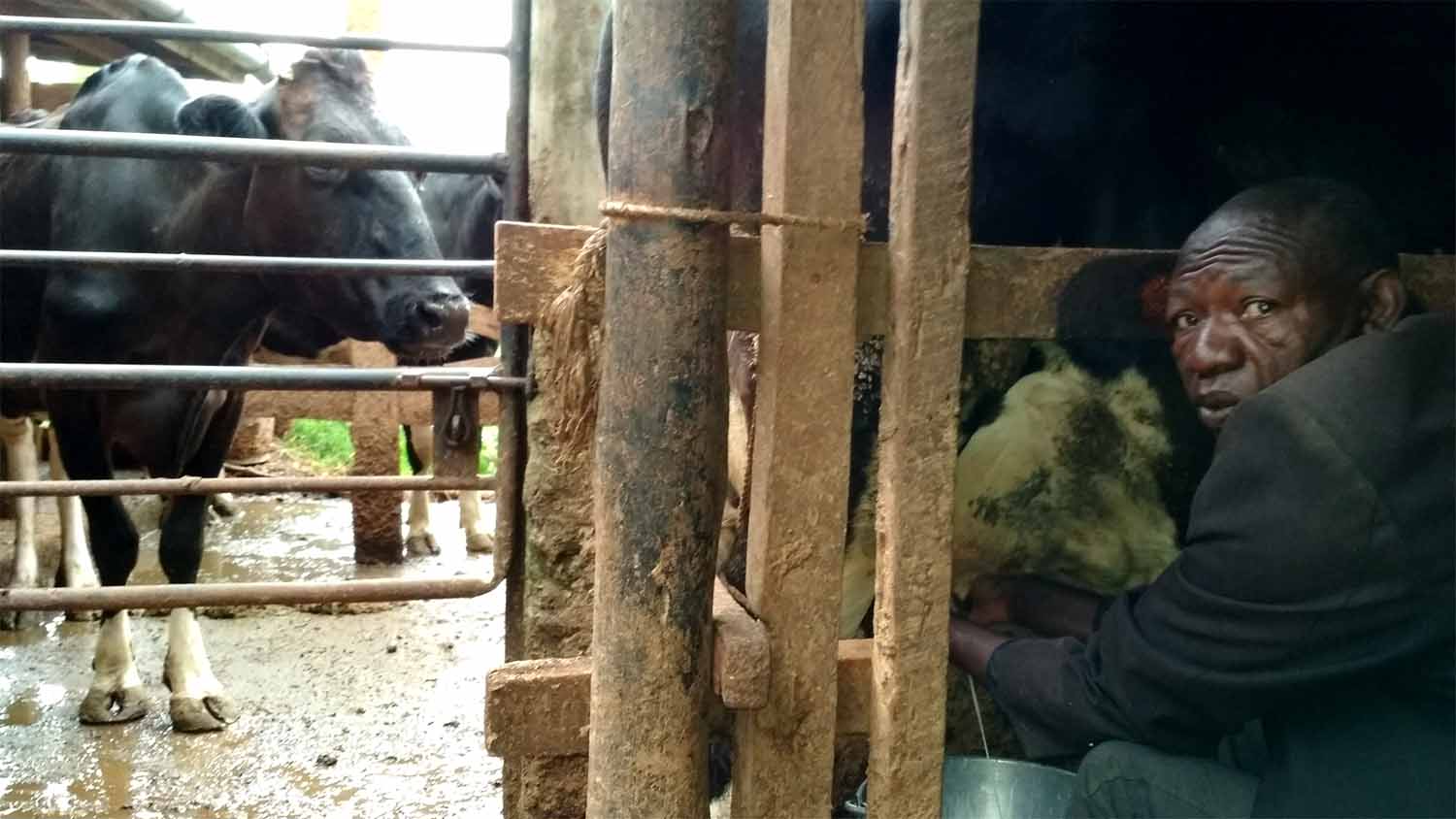
Kenya’s Milk Shortage Deepens as Farmers Bypass Cooperatives
Kenya’s milk shortage deepened through October 2026. Officials now say farmers sell to informal buyers who pay more, as cartel claims spread online.
-
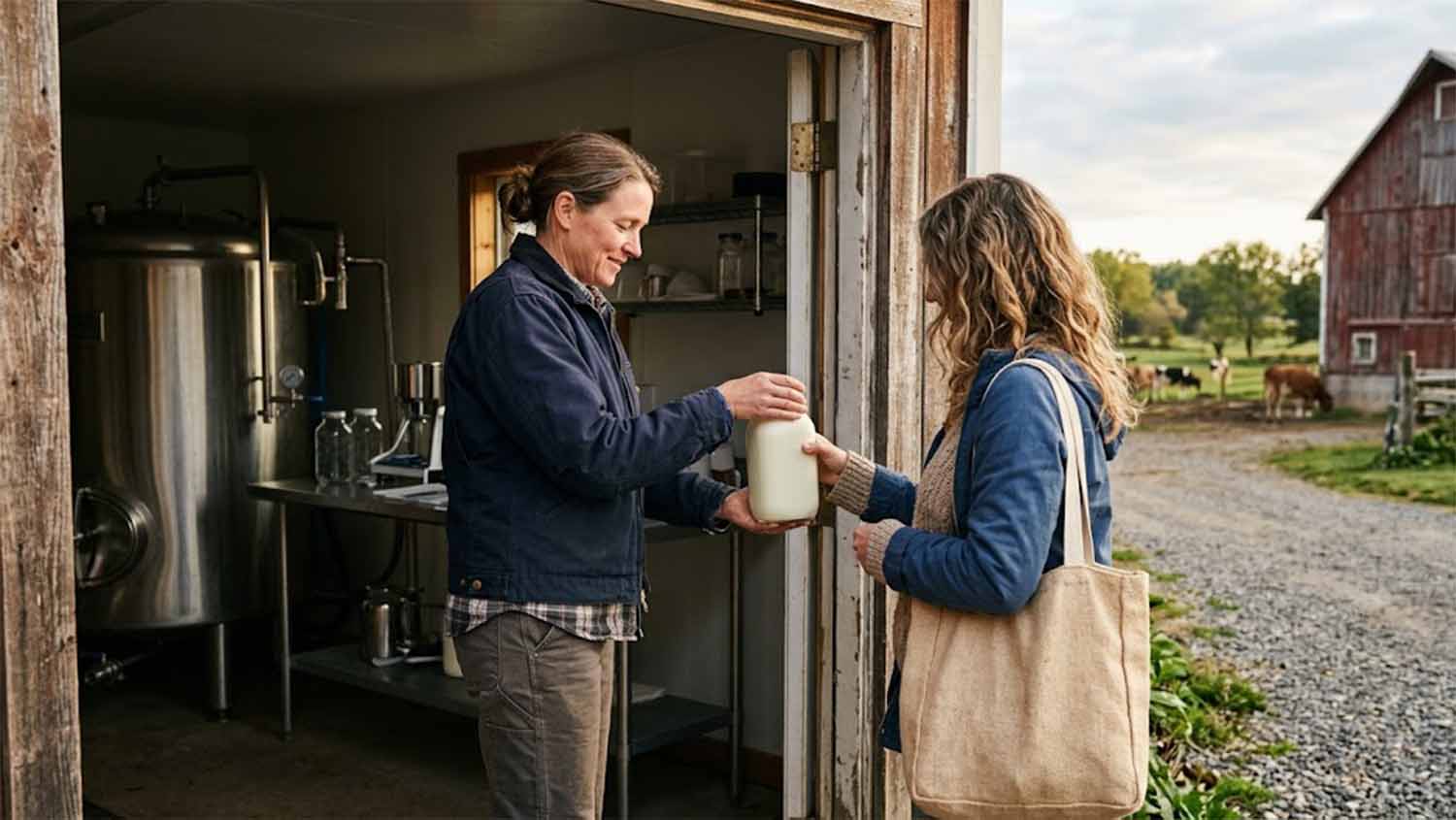
How Much Can a Farm Make Selling Raw Milk?
Commodity milk pays dairy farmers about $2 a gallon. Raw milk sold direct brings $6 to $20. What a farm makes depends on state law, customers and costs.
-
Will More Raw Milk Drinkers Bring Back the Swill Milk Era?
11 million US adults drink raw milk, ten times swill milk era New York. Twenty years of data show the 1850s death toll has not returned. Here’s why.
-
What Could RFK Jr. Actually Do for Raw Milk?
RFK Jr. could open interstate raw milk sales, fix FDA warnings and ease enforcement. He hasn’t used his position to do so. Here is how each option would work.
-
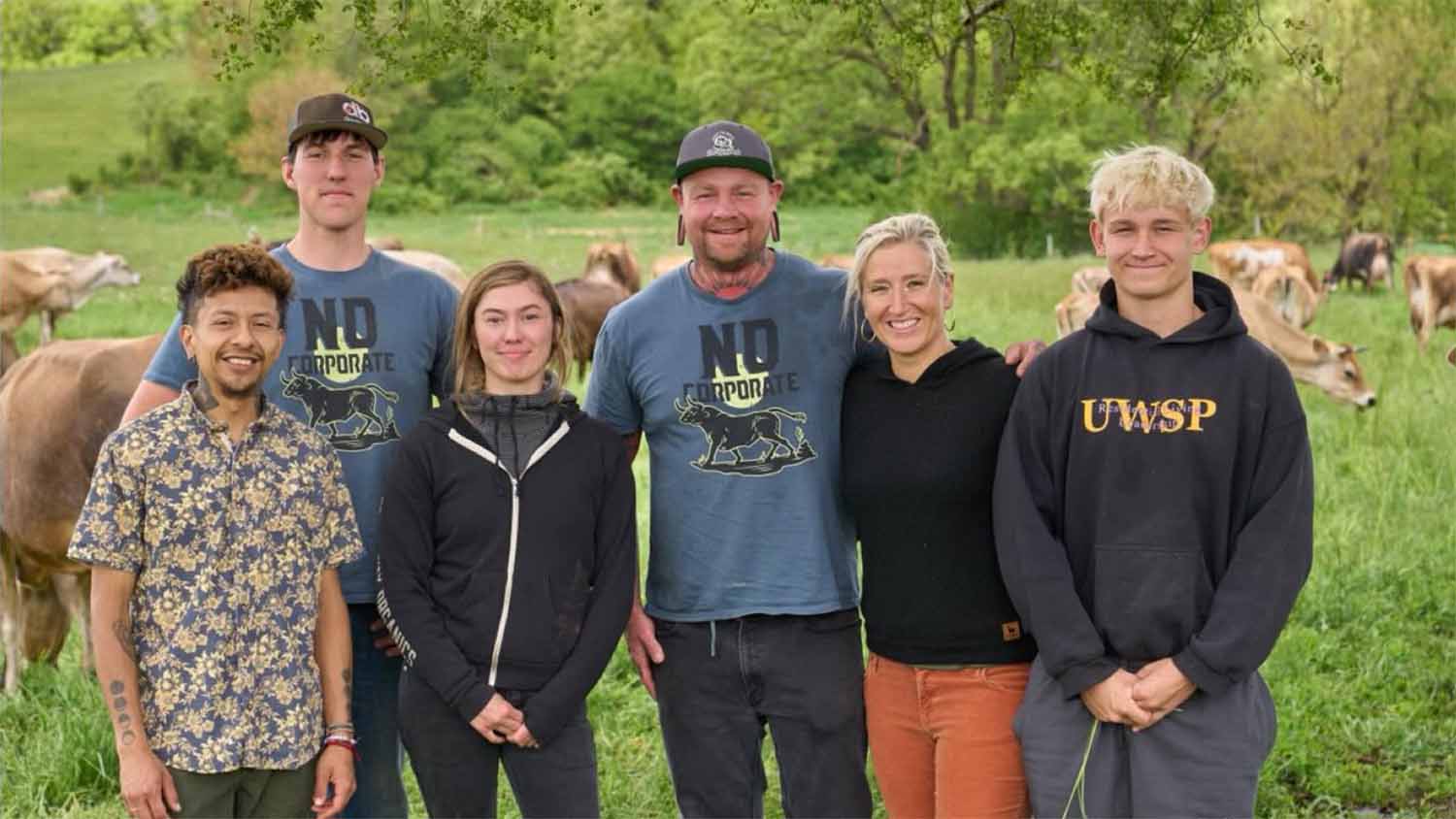
Grassway Organics and Wisconsin’s Raw Milk Gray Area
DATCP suspended Grassway Organics’ license and seeks $10,000 plus $50 a day. What the case means for raw milk access in Wisconsin.