Idaho offers three separate routes to raw milk, which together make it one of the more flexible states: permitted retail sale, registered herdshares, and a small herd exemption for the smallest producers. Raw dairy products are covered alongside fluid milk.
Is raw milk legal in Idaho?
Yes. Retail sales of raw milk and other raw dairy products are legal with a permit, administered by the Idaho State Department of Agriculture (ISDA) Dairy Bureau under IDAPA 02.04.13, Rules Governing Raw Milk. Animals in the programme are tested annually for brucellosis and tuberculosis. ISDA runs two distinct registration pathways, a standard raw milk permit and a separate herd share registration.
The three routes
Permitted sale lets a licensed producer sell raw milk and raw dairy products, including at retail where a store sources from an ISDA-authorised facility. Grocery and similar establishments selling but not processing raw milk are themselves exempt from the production rules provided their supply comes from an authorised facility.
Herd shares are separately recognised and registered with ISDA under section 040 of the rule. A herd share is defined as an undivided ownership interest in no more than seven cows, fifteen goats or fifteen sheep, held under a written contractual agreement, so a producer can serve share members without operating as a retail seller.
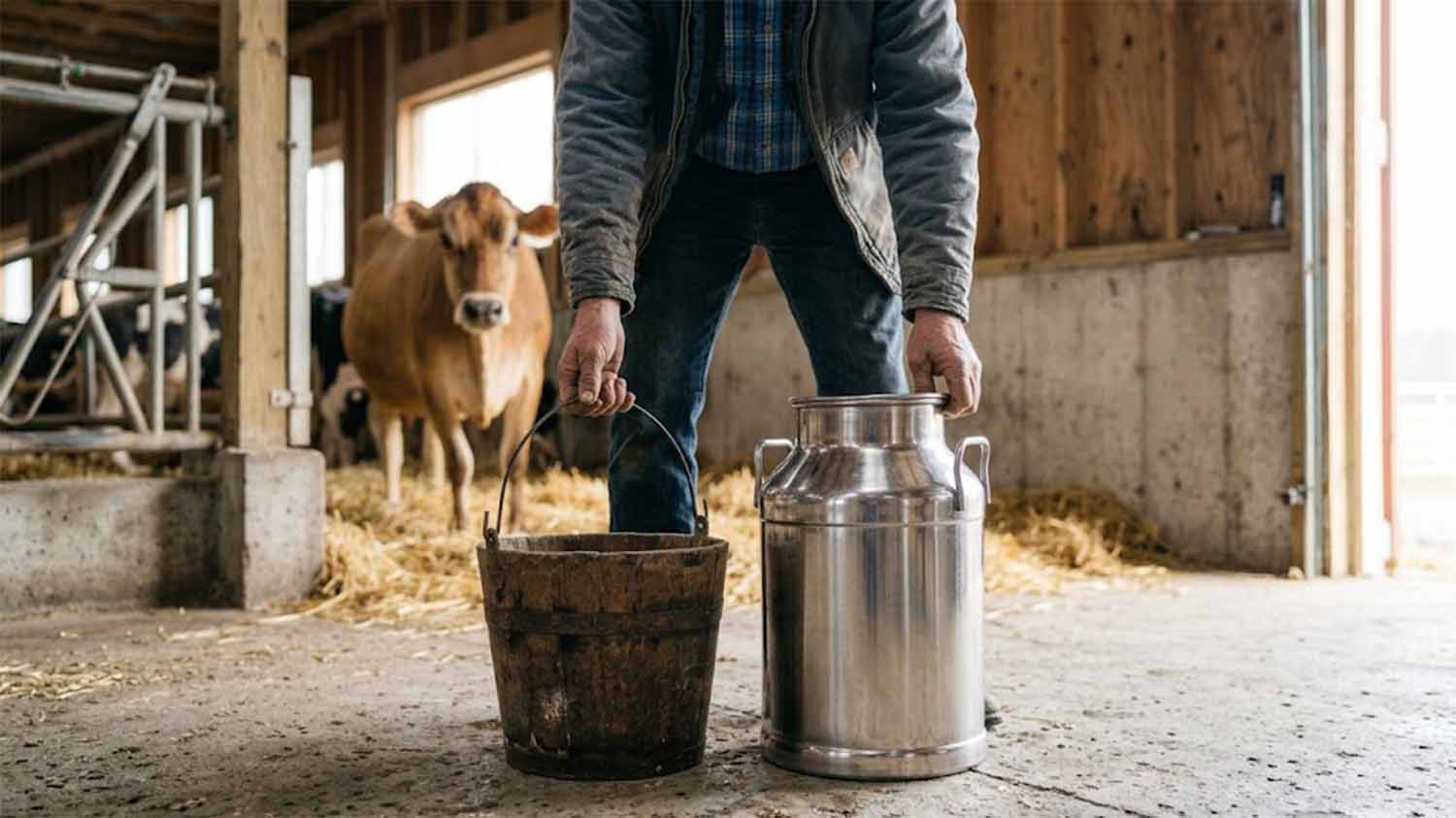
Small herd raw milk permits under section 030 cover the smallest operations. A small herd is defined as producing raw milk or raw milk products for people outside the producer's immediate household in a facility with no more than three lactating cows, seven lactating goats or seven lactating sheep. Dry animals, and animals producing milk for purposes other than human consumption, do not count toward those limits, so a working farm can be larger than the figures suggest. This is the most straightforward entry point for a homestead-scale producer.
Where to buy
Look to natural food stores and food cooperatives for bottled product, and to farms directly for both permitted sales and shares. Supply is strongest in the Treasure Valley around Boise and Nampa, the Magic Valley near Twin Falls, and northern Idaho around Coeur d'Alene and Sandpoint, with the state's large dairy sector providing plenty of production capacity. Because Idaho recognises multiple pathways, an operation that does not fit one route often fits another. For the federal framework, see the United States raw milk laws overview.