Department of Health warns public not to drink raw milk
Department of Health news release warning against raw milk consumption and restating that its sale for human consumption is unlawful in Hawaii.
Read Article →Hawaii currently allows only Grade A pasteurized milk to be sold to consumers. Raw milk cheese is legal, and legislative efforts to open access continue.
How many Americans drink raw milk and how many states allow it: raw milk statistics.
Hawaii is one of the few states that has not yet opened a pathway for raw milk sales. Only Grade A pasteurized milk and milk products may currently be sold to the final consumer or to restaurants, with no retail, on-farm or herdshare route available. Reform bills have been introduced repeatedly and the question remains live at the legislature.
Not at present. The framework sits in Hawaii Revised Statutes chapter 328 and Hawaii Administrative Rules Title 11 Chapter 15 (Milk), administered by the Department of Health, which limits consumer sales to Grade A pasteurized product. Because the restriction attaches to the product reaching consumers rather than to a missing permit, there is no licence a producer can currently apply for.
Personal consumption is a separate matter. Nothing prevents an owner from drinking milk from their own animals, and small-scale household dairying is practised on all the main islands.
Momentum has been building incrementally. In 2022 HB2028 was amended in committee to legalise the sale of raw goat milk for pet consumption and cleared the House Judiciary and Hawaiian Affairs Committee by 8 votes to 2, the same indirect pathway that several mainland states now use. Further bills including HB1989 in 2024 have kept the issue in front of legislators. Advocates point to Hawaii's strong local food movement, established goat dairying tradition and the cost of shipping mainland milk as arguments for a regulated framework, and the national trend is running toward expanded access, with more than 40 pro raw milk bills introduced across 18 states in the current session.
Raw milk cheese is legal in Hawaii and throughout the United States under the federal 60 day aging rule, and aged raw milk cheeses are stocked by specialty grocers, cheese counters and natural food stores across Oahu, Maui and the Big Island. This is the most accessible raw dairy in the state today.
Hawaii also has an active small-farm and homestead community, and goat keeping is well established, so households wanting raw milk generally pursue their own animals. For the federal framework and the states where sales are permitted, see the United States raw milk laws overview.
Latest developments and news related to raw milk in Hawaii
Department of Health news release warning against raw milk consumption and restating that its sale for human consumption is unlawful in Hawaii.
Read Article →Official government documents and legal resources for Hawaii
Hawaii's administrative rules governing milk, under which only Grade A pasteurized milk and milk products may be sold to the final consumer or to restaurants, leaving no lawful route for raw milk distribution.
View Official Resource →The statutory provision in Hawaii Revised Statutes chapter 328 underpinning the state food safety framework within which the milk rules and the raw milk prohibition operate.
View Official Resource →Raw milk law changes in Hawaii, newest first. Compare with every other state in the Hawaii raw milk law timeline.

Mapping raw milk sources by hand since 2018.
Tips keep it free and updated daily.
Enter an amount of $1 or more.
✓ You're supporting a free community resource. This is a tip/donation, not a purchase of milk or products.
Designed and coded from scratch. The same developer builds MVPs, internal business systems, and writes about it.
11 million US adults drink raw milk, ten times swill milk era New York. Twenty years of data show the 1850s death toll has not returned. Here’s why.

RFK Jr. could open interstate raw milk sales, fix FDA warnings and ease enforcement. He hasn’t used his position to do so. Here is how each option would work.

DATCP suspended Grassway Organics’ license and seeks $10,000 plus $50 a day. What the case means for raw milk access in Wisconsin.
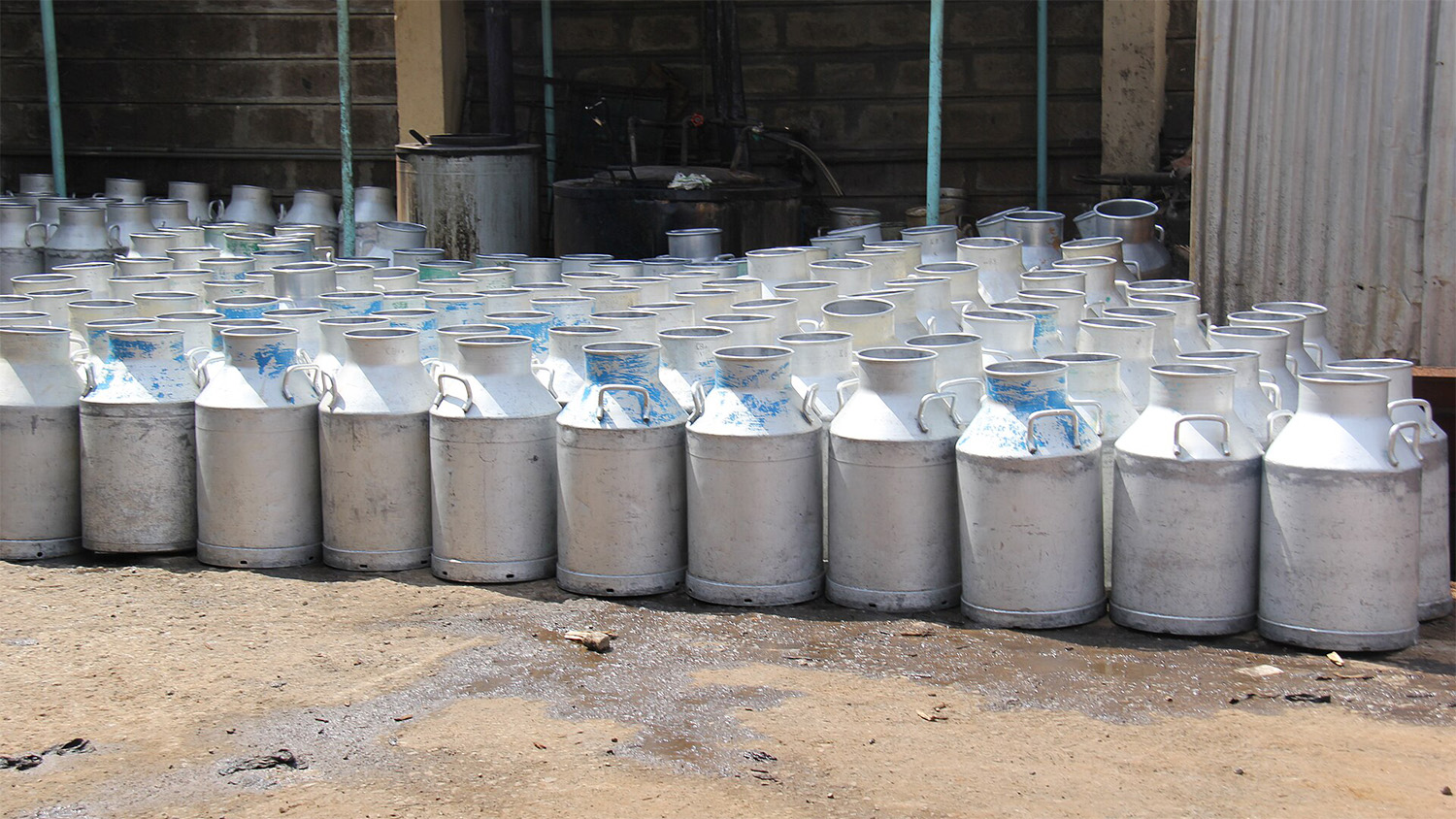
No global count exists. National surveys find 4% to 19% of people drink raw milk in high-income countries, and most milk in developing countries is sold raw.
About 4% of US adults, roughly 11 million people, drank raw milk in the past year, and about 1% drink it weekly. Six national surveys compared.
The AAP is calling for a raw milk ban while states vote to expand access. Its own numbers show no emergency, and the call deepens the real one: lost trust.