Oregon hearings for raw cow milk sales and farm direct marketing
Coverage of Oregon legislative hearings on bills to expand raw cow milk sales and farm-direct marketing beyond the current on-farm exemption.
Read Article →Oregon splits raw milk by species. Cow milk is on-farm only from herds of two or fewer, with no advertising. Goat and sheep milk may be sold more widely.
How many Americans drink raw milk and how many states allow it: raw milk statistics.
Oregon offers two distinct routes to raw milk, and knowing which one applies is the key to finding it. Raw goat and sheep milk can be sold through licensed distributors on relatively broad terms, while raw cow milk is available direct from small farms under a dedicated on-farm exemption. Both are legal and both are actively used across the state.
ORS 621.117 permits a distributor, producer-distributor or dairy products plant licensee to sell fluid milk and dairy products for human consumption where the milk is goat or sheep milk from a disease-free herd, with herd brucellosis status the governing requirement. This is the most accessible raw dairy in Oregon: because licensed operators can distribute it, goat and sheep milk reaches consumers through channels that cow milk does not, and licensed producers can be found and contacted openly.
ORS 621.012 provides a small-scale on-farm exemption that lifts most licensing and pasteurization requirements, allowing a producer to sell raw cow milk straight to the consumer. The exemption covers a producer keeping no more than three dairy cows that have calved at least once, nine sheep that have lactated at least once, or nine goats that have lactated at least once, and for sales the limit is no more than two producing dairy cows, nine producing sheep or nine producing goats on the premises.
Two conditions define how it works. The milk is sold directly to the consumer at the farm where it was produced, so a visit is part of the arrangement, and the producer does not advertise it, which is why these farms are found through local networks rather than listings. Retail sale of raw cow milk sits outside this route under ORS 621.116, so the farm gate is the pathway.
Producers working outside the ORS 621.012 exemption hold a dairy licence from the Oregon Department of Agriculture, which brings herd health, bacterial and somatic cell standards, sanitation and labelling requirements. Licensed raw milk farms are also registered as Concentrated Animal Feeding Operations under ODA policy, a classification that carries additional permitting.
Goat and sheep milk is the easiest starting point, available through licensed producers and distributors. For cow milk, small exempt farms sell at the gate and are found through community networks, farmers market contacts and word of mouth, which remains an effective route in a state with a strong local food culture. Availability is best around the Portland metro area, Eugene and throughout the Willamette Valley, with producers scattered across the Columbia Gorge, southern Oregon and the coast range. Advocates continue to pursue off-farm delivery and eventual retail access for cow milk, with bills heard in the 2023 session. For the federal framework, see the United States raw milk laws overview.
Latest developments and news related to raw milk in Oregon
Coverage of Oregon legislative hearings on bills to expand raw cow milk sales and farm-direct marketing beyond the current on-farm exemption.
Read Article →Official government documents and legal resources for Oregon
The exemption permitting unlicensed on-farm raw milk sales in Oregon. Caps sales at two producing dairy cows, nine producing sheep or nine producing goats, requires sale direct to the consumer at the premises of production, and prohibits advertising.
View Official Resource →Bars any person from selling or distributing for sale unpasteurized cow milk or dairy products made from unpasteurized milk, which is why the small-herd on-farm exemption is the only route for raw cow milk in Oregon.
View Official Resource →Permits distributors, producer-distributors and dairy products plant licensees to sell unpasteurized goat or sheep milk from a disease-free herd, setting the brucellosis testing conditions that govern continued sale.
View Official Resource →ODA licensing information for dairy operations in Oregon, covering the licence categories that apply to producers operating outside the small-scale on-farm exemption.
View Official Resource →Raw milk law changes in Oregon, newest first. Compare with every other state in the Oregon raw milk law timeline.
Search for raw milk sources near popular locations in Oregon
Mapping raw milk sources by hand since 2018.
Tips keep it free and updated daily.
Enter an amount of $1 or more.
✓ You're supporting a free community resource. This is a tip/donation, not a purchase of milk or products.
Designed and coded from scratch. The same developer builds MVPs, internal business systems, and writes about it.
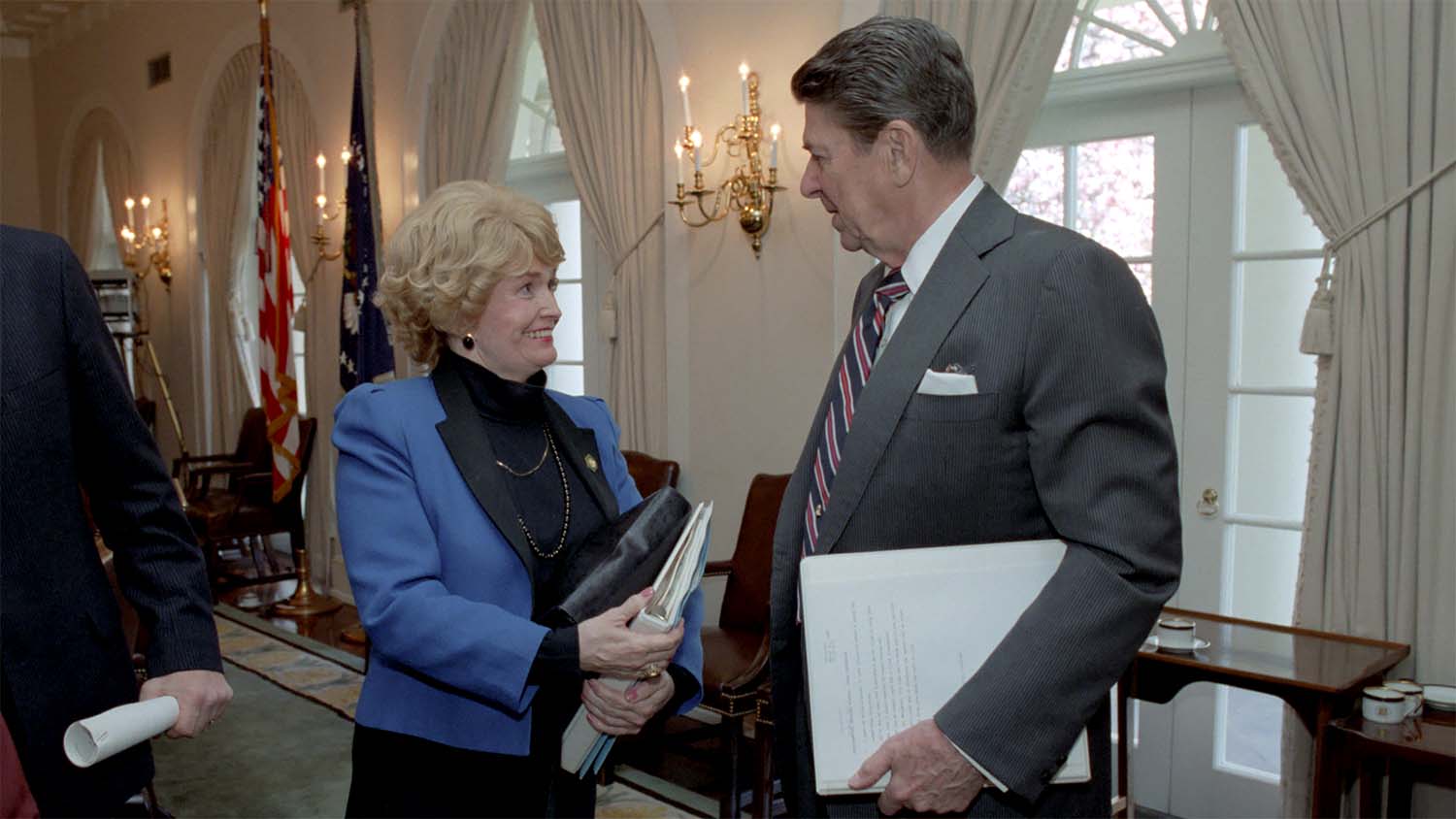
Public Citizen v. Heckler (1985, 1986) led to the 1987 federal ban on interstate raw milk sales, 21 CFR 1240.61. Sales within states were left to state law.
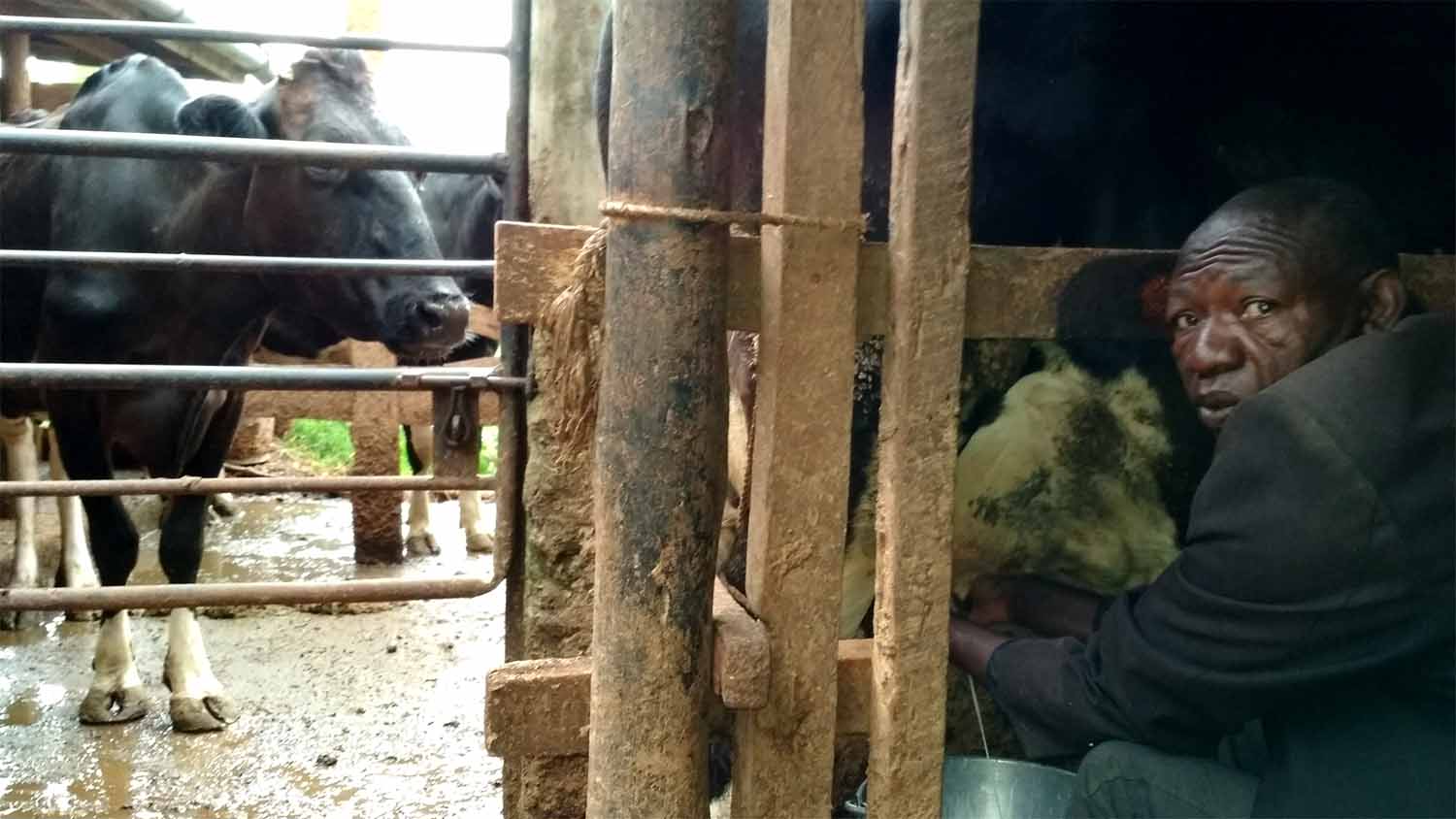
Kenya’s milk shortage deepened through October 2026. Officials now say farmers sell to informal buyers who pay more, as cartel claims spread online.
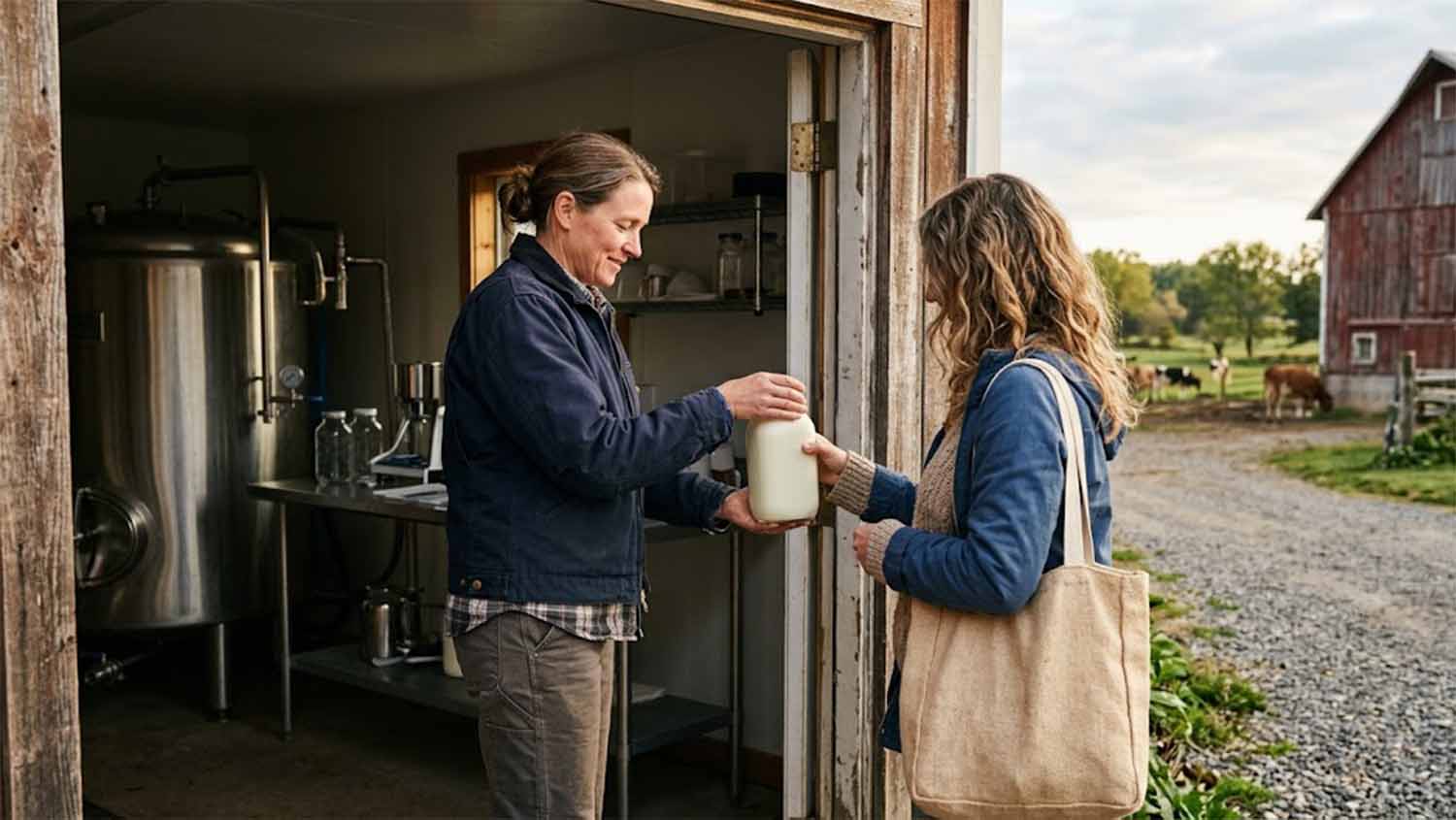
Commodity milk pays dairy farmers about $2 a gallon. Raw milk sold direct brings $6 to $20. What a farm makes depends on state law, customers and costs.
11 million US adults drink raw milk, ten times swill milk era New York. Twenty years of data show the 1850s death toll has not returned. Here’s why.
RFK Jr. could open interstate raw milk sales, fix FDA warnings and ease enforcement. He hasn’t used his position to do so. Here is how each option would work.
DATCP suspended Grassway Organics’ license and seeks $10,000 plus $50 a day. What the case means for raw milk access in Wisconsin.