Iowa HF 2444: Raw Milk Farm Stores, Cottage Foods in Grocery Stores, and Farm-To-Table Dining
Iowa House File 2444 would allow raw milk farm stores and farm-to-table dining, expanding on the 2023 law that first legalised direct sales.
Read Article →Raw milk has been legal in Iowa since July 2023. Licensed small dairies of up to ten animals sell direct to consumers at the farm and by delivery.
How many Americans drink raw milk and how many states allow it: raw milk statistics.
Iowa legalised farm-direct raw milk in 2023, and the framework includes something many states withhold: producers may deliver to customers rather than requiring every buyer to drive to the dairy. It also pairs that access with one of the more rigorous testing regimes in the country, which is genuinely useful to know as a buyer.
Yes, since 1 July 2023 under Senate File 519. Licensed raw milk dairies sell directly to consumers, both at the farm and through delivery. The framework is built deliberately around small operations: a producer may keep no more than ten dairy animals at any one time.
That ceiling shapes the whole market. Iowa raw milk comes from many small herds rather than a few large dairies, so supply is local and personal, and a producer near you is likely to be a genuinely small family operation.
Iowa's testing requirements are worth understanding because they are stricter than most states and they tell you a lot about what you are buying:
Monthly bacterial testing on the dairy animals, covering coliform counts and standard plate counts. An annual veterinary examination of every animal, including blood tests. Milk stored at 45°F or lower. And distribution within seven days of production.
The seven day rule in particular means Iowa raw milk reaching a customer is always fresh, and the monthly testing cadence means a producer has current data on their herd rather than an annual snapshot. If you are new to raw milk and want reassurance about the process, Iowa's framework is a good one to read.
Two channels: at the farm, or through delivery arranged with the producer. Retail settings including stores, restaurants and farmers market stalls are not currently part of the framework, so your relationship is directly with the dairy rather than with a shop.
Delivery is the feature that distinguishes Iowa from several neighbours. A dairy an hour outside a city can still serve customers there on a scheduled route, which puts raw milk within reach of households that could not otherwise collect it.
Producers operate across Iowa's farming counties, serving Des Moines, Cedar Rapids, Iowa City, the Quad Cities, Sioux City, Dubuque and Waterloo from the surrounding countryside. Northeast Iowa around the Driftless bluffs has a strong small-farm and organic culture, and Iowa's Amish and Mennonite communities, notably around Kalona in Washington County and Bloomfield in Davis County, maintain traditional dairying.
Because sale is lawful, producers can be approached openly. Food cooperatives, farmers market contacts, buying clubs and local food directories all work, and many licensed dairies run delivery routes advertised to their customer list.
House File 2444, introduced in 2026 by Representative Chad Ingels of Randalia, would expand the framework meaningfully. It would let raw milk producers operate farm stores and host farm-to-table events, permitting the sale of raw milk products at home processing or food establishments located at the raw milk farm. It advanced from a House subcommittee. A 2025 attempt to add general retail sales did not advance, so the current push is toward on-farm commerce rather than grocery shelves.
Iowa sits among varied neighbours. Missouri to the south is the most flexible in the region: on-farm sales and delivery require no permit, and permitted producers may additionally sell at farmers markets. Minnesota to the north allows purchase at the farm of origin. Wisconsin to the northeast permits only incidental on-farm sales. Illinois to the east runs a permit system with on-farm sales. Nebraska and South Dakota to the west both allow farm sales, and South Dakota permits producer delivery. Federal law at 21 CFR 1240.61 restricts interstate commerce in raw milk, though the FDA has stated it has never taken and does not intend to take enforcement action against an individual transporting raw milk across a state line solely for personal consumption. For the federal framework, see the United States raw milk laws overview.
Latest developments and news related to raw milk in Iowa
Iowa House File 2444 would allow raw milk farm stores and farm-to-table dining, expanding on the 2023 law that first legalised direct sales.
Read Article →Official government documents and legal resources for Iowa
Iowa State University legal analysis of Senate File 519, effective 1 July 2023, covering the ten animal limit, monthly bacterial testing, annual veterinary examination, storage temperature and the seven day distribution window.
View Official Resource →Raw milk law changes in Iowa, newest first. Compare with every other state in the Iowa raw milk law timeline.
Search for raw milk sources near popular locations in Iowa
Mapping raw milk sources by hand since 2018.
Tips keep it free and updated daily.
Enter an amount of $1 or more.
✓ You're supporting a free community resource. This is a tip/donation, not a purchase of milk or products.
Cancel anytime from the link in any receipt, or at getrawmilk.com/tip/manage.
Designed and coded from scratch. The same developer builds MVPs, internal business systems, and writes about it.
Public Citizen v. Heckler (1985, 1986) led to the 1987 federal ban on interstate raw milk sales, 21 CFR 1240.61. Sales within states were left to state law.
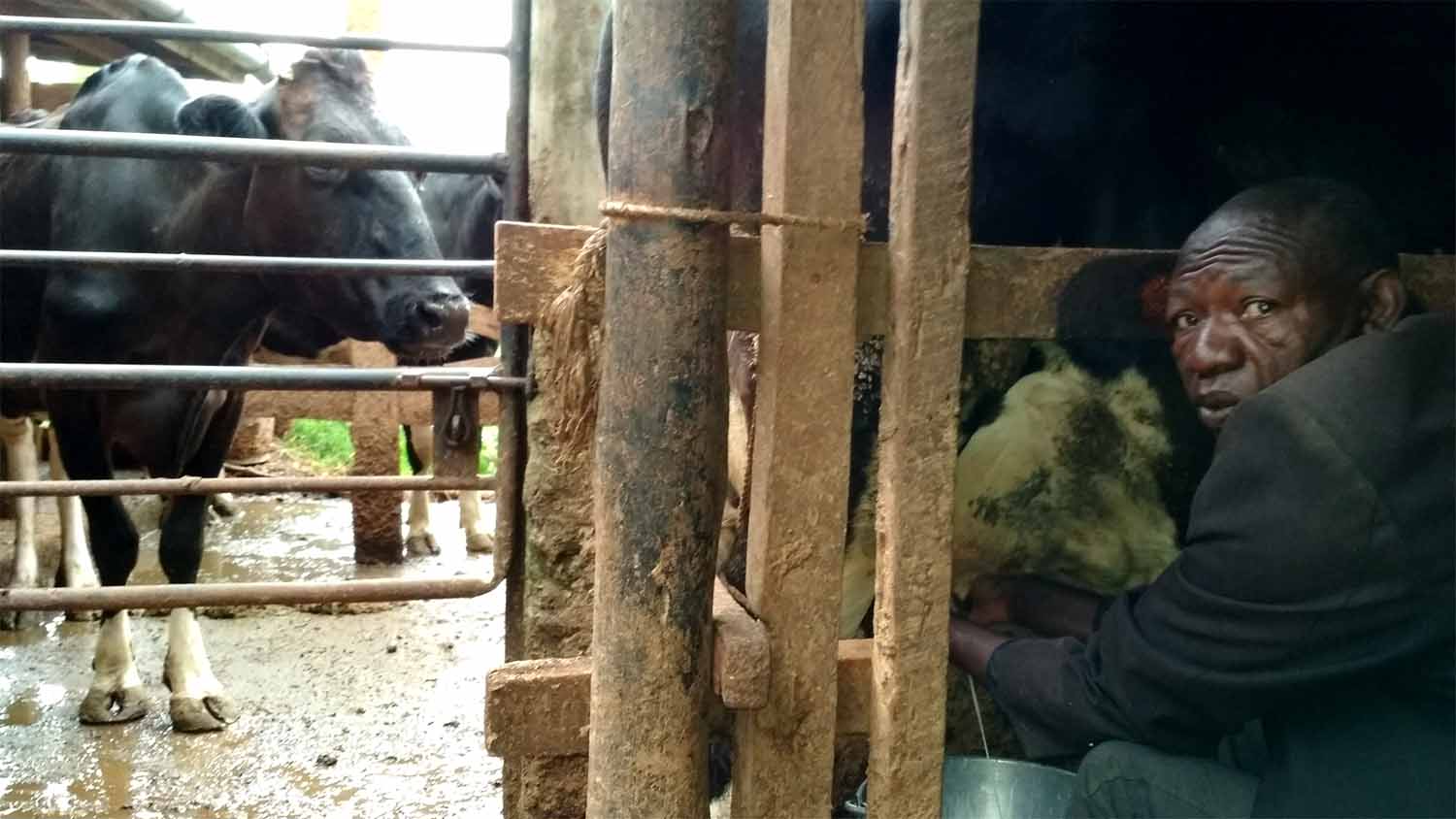
Kenya’s milk shortage deepened through October 2026. Officials now say farmers sell to informal buyers who pay more, as cartel claims spread online.
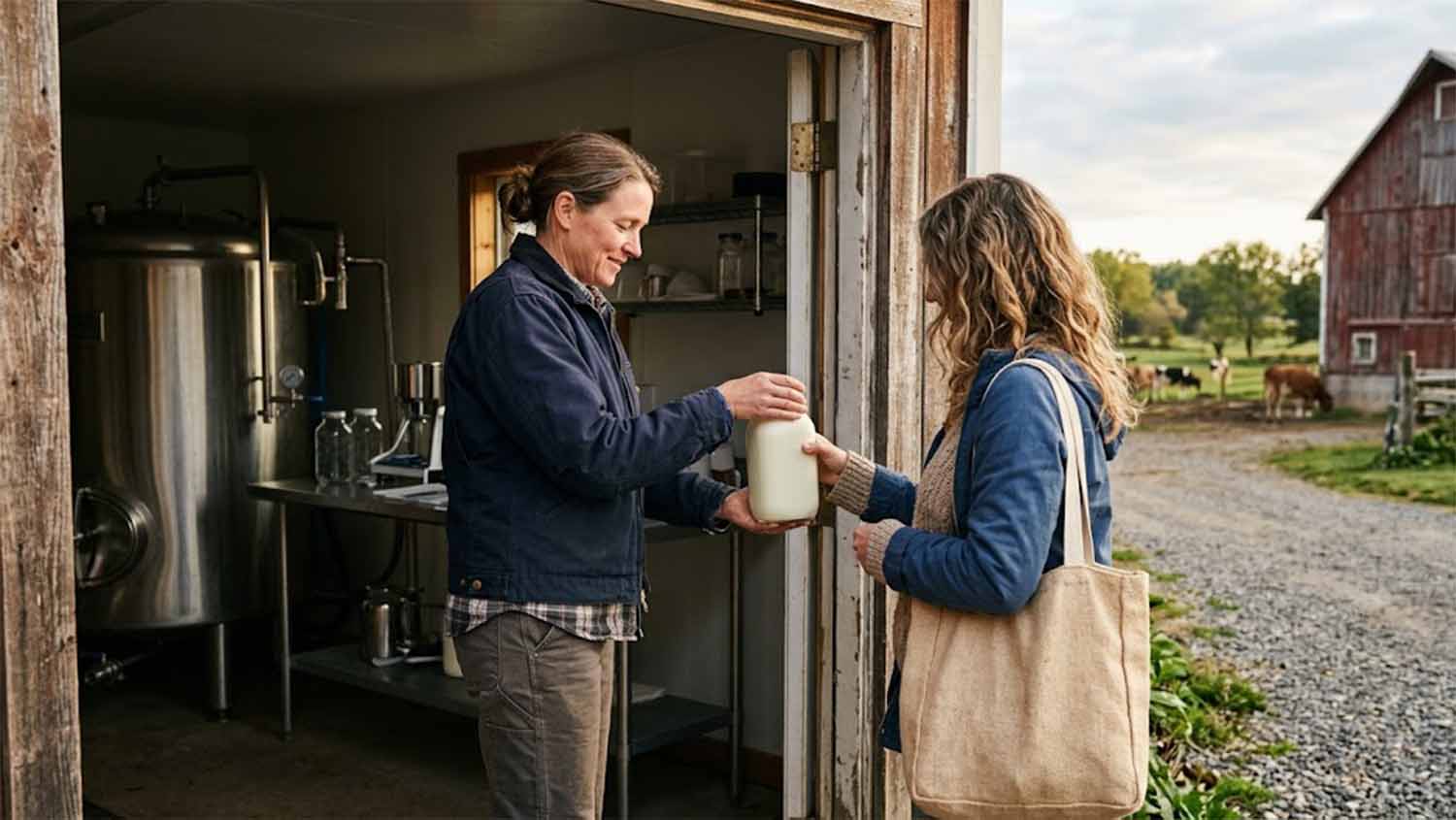
Commodity milk pays dairy farmers about $2 a gallon. Raw milk sold direct brings $6 to $20. What a farm makes depends on state law, customers and costs.
11 million US adults drink raw milk, ten times swill milk era New York. Twenty years of data show the 1850s death toll has not returned. Here’s why.
RFK Jr. could open interstate raw milk sales, fix FDA warnings and ease enforcement. He hasn’t used his position to do so. Here is how each option would work.
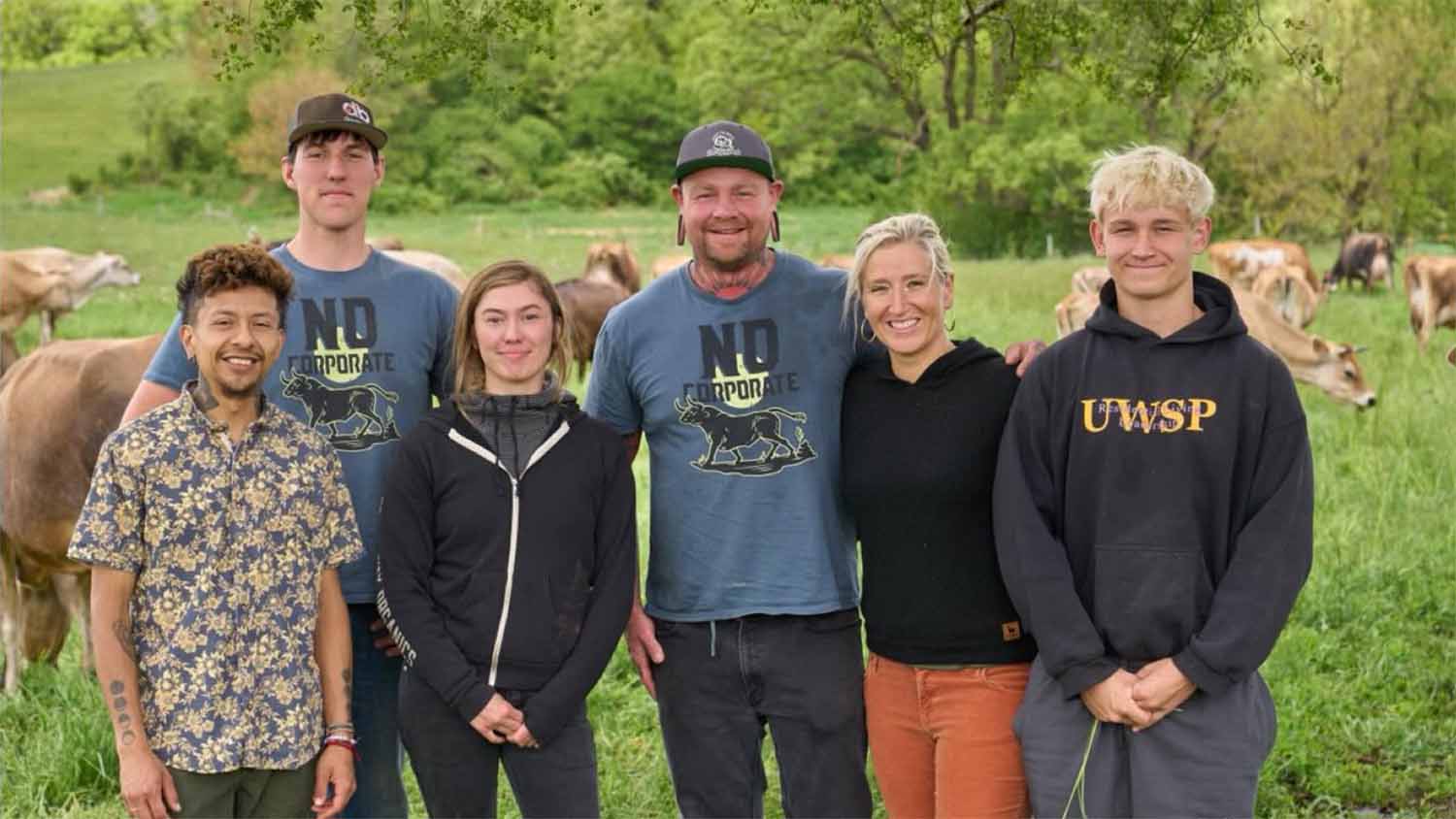
DATCP suspended Grassway Organics’ license and seeks $10,000 plus $50 a day. What the case means for raw milk access in Wisconsin.