
Wyoming Orders Cody Creamery to Stop Serving Raw Milk Lattes
A Wyoming creamery serving drinks made with raw milk highlights the current boundary of the Food Freedom Act, and the question of extending it to restaurants and cafes.
Read Article →Wyoming has among the broadest raw milk access in the US. Under the Food Freedom Act producers sell without permits, including via grocery stores and agents.
How many Americans drink raw milk and how many states allow it: raw milk statistics.
Wyoming's Food Freedom Act gives raw milk some of the widest legal reach in the United States. Producers sell without permits, licences or inspections, and since 2020 they can reach customers indirectly, including through grocery and retail outlets, which very few states allow.
Yes, expansively. The Wyoming Food Freedom Act, passed in 2015, permits direct producer-to-consumer sales of homemade and farm foods without permits, inspection or licensing, applying to in-state transactions. Raw milk and raw dairy products are covered.
Two amendments did the heavy lifting. House Bill 84 (2020) opened indirect sales, allowing Food Freedom products to move through grocery stores and other retail locations rather than only hand to hand. Senate File 102 (2023) then explicitly added dairy products to the goods any person may sell under the Act, defined a designated agent in statute for the first time so a producer can lawfully sell through a third party, and barred the Wyoming Department of Agriculture from imposing food and health inspection standards more stringent than the USDA's. The combined effect is that Wyoming raw milk can reach a shelf.
Raw milk and raw dairy are available direct from producers, through designated agents, and at participating grocery and retail outlets across the state, with supply around Cheyenne, Casper, Laramie, Sheridan, Cody and the agricultural Big Horn and Platte valleys. Because no permit is required, producers range from single-family homesteads to established small dairies. Purchases are for home consumption and stay within Wyoming. A committee bill considered in 2026 would extend the Act's reach to restaurants and coffee shops, which would open a further channel. For the federal framework, see the United States raw milk laws overview.
Latest developments and news related to raw milk in Wyoming
A Wyoming creamery serving drinks made with raw milk highlights the current boundary of the Food Freedom Act, and the question of extending it to restaurants and cafes.
Read Article →Official government documents and legal resources for Wyoming
The 2023 amendment explicitly adding dairy products to the Wyoming Food Freedom Act, defining designated agent in statute so producers may sell through third parties, and limiting state inspection standards to no more stringent than USDA requirements.
View Official Resource →The 2020 amendment enabling indirect sales of Food Freedom Act products through grocery stores and other retail locations, the change that first allowed Wyoming raw milk to reach retail shelves.
View Official Resource →Raw milk law changes in Wyoming, newest first. Compare with every other state in the Wyoming raw milk law timeline.
Search for raw milk sources near popular locations in Wyoming
Mapping raw milk sources by hand since 2018.
Tips keep it free and updated daily.
Enter an amount of $1 or more.
✓ You're supporting a free community resource. This is a tip/donation, not a purchase of milk or products.
Cancel anytime from the link in any receipt, or at getrawmilk.com/tip/manage.
or
Designed and coded from scratch. The same developer builds MVPs, internal business systems, and writes about it.


Aurochs Bull Skull Graphic Tee
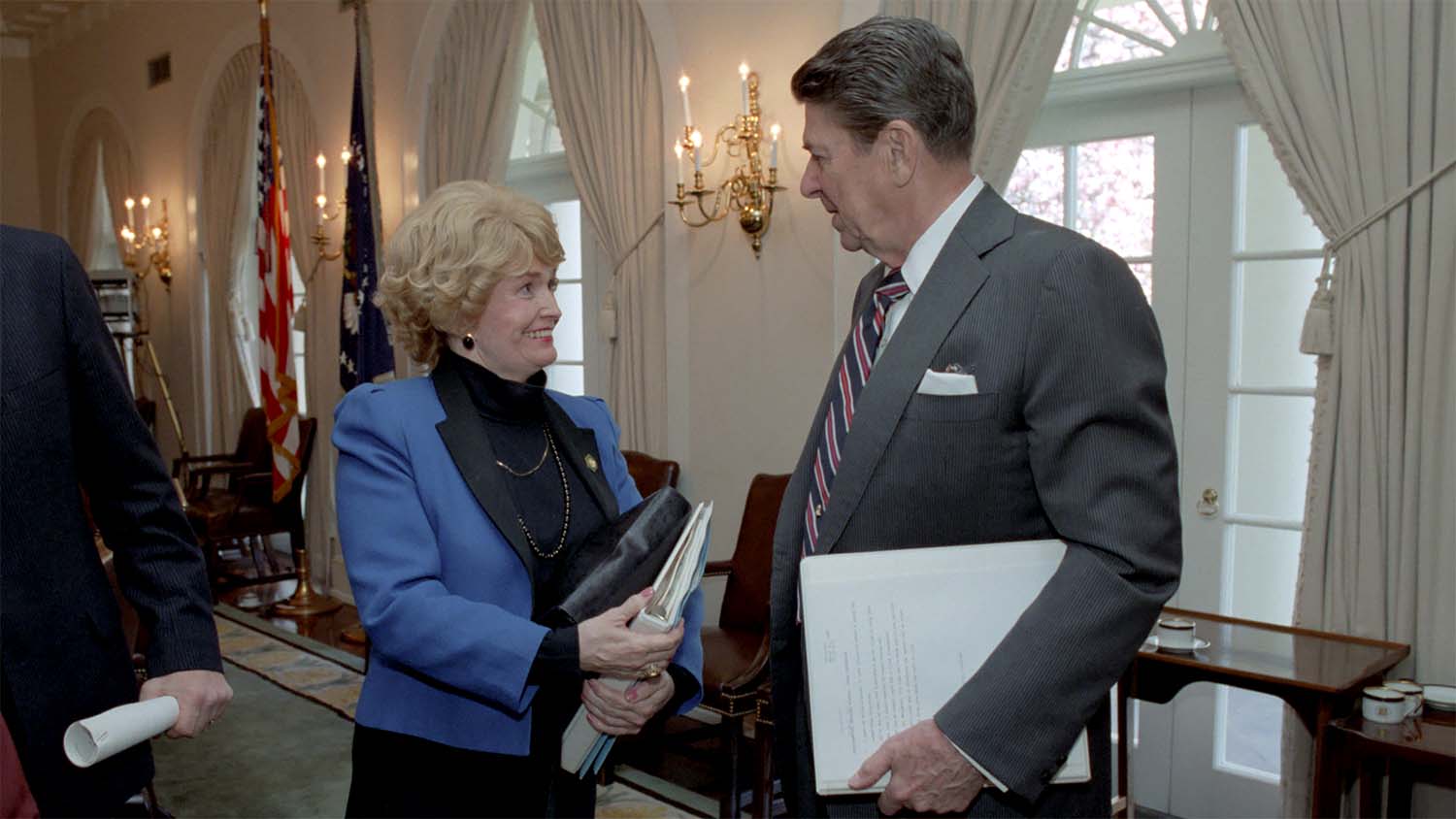
Public Citizen v. Heckler (1985, 1986) led to the 1987 federal ban on interstate raw milk sales, 21 CFR 1240.61. Sales within states were left to state law.
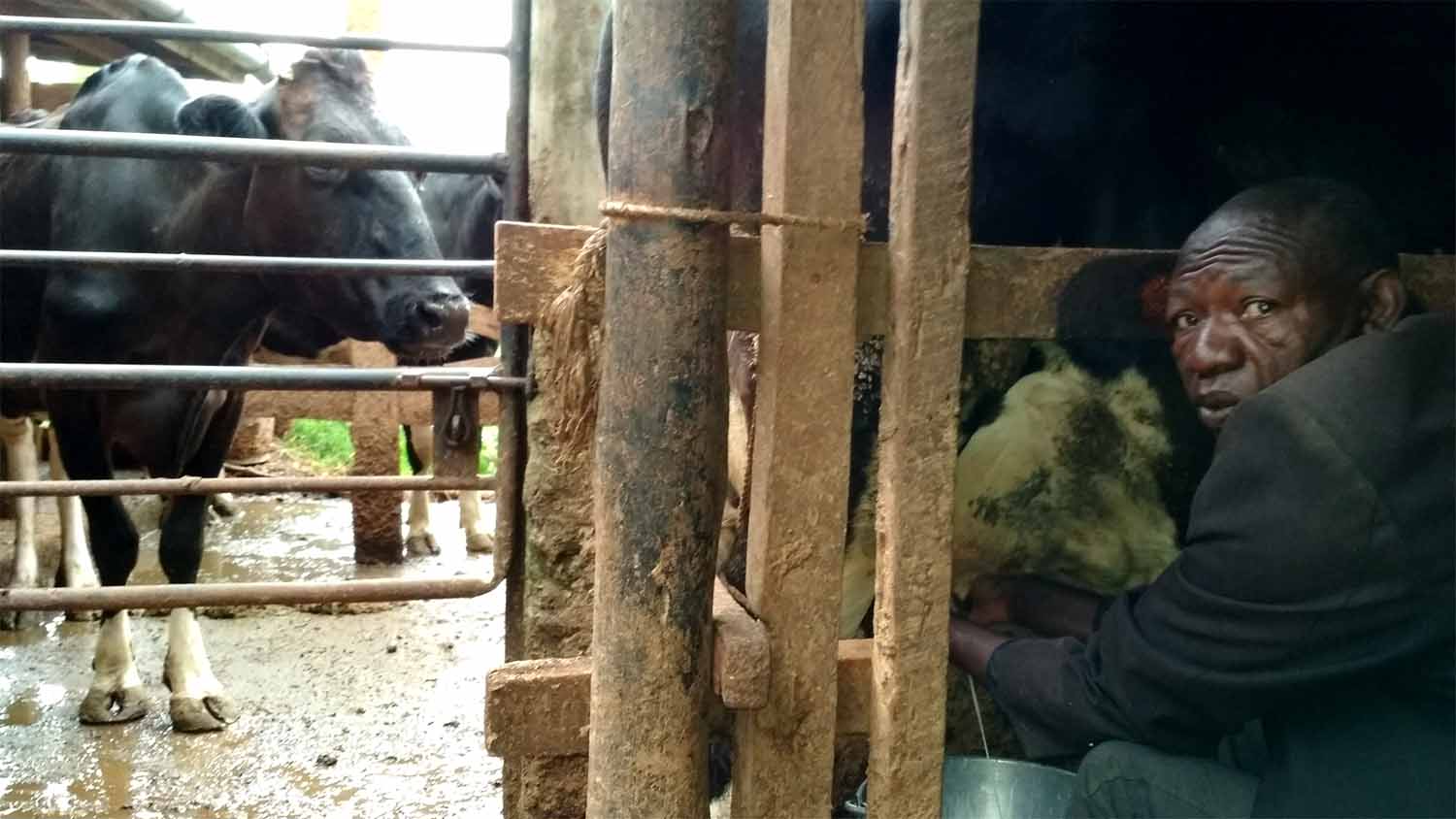
Kenya’s milk shortage deepened through October 2026. Officials now say farmers sell to informal buyers who pay more, as cartel claims spread online.
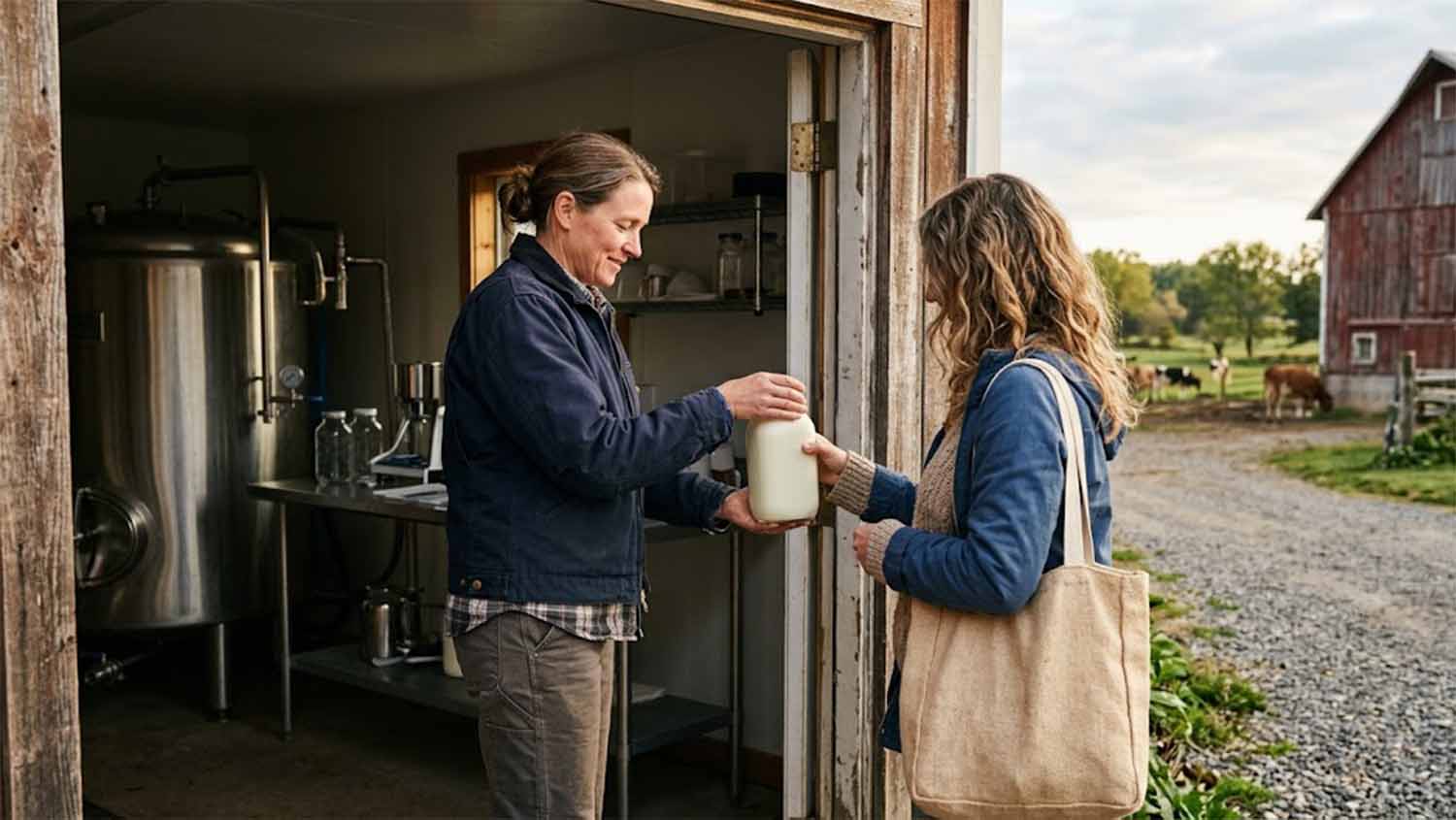
Commodity milk pays dairy farmers about $2 a gallon. Raw milk sold direct brings $6 to $20. What a farm makes depends on state law, customers and costs.
11 million US adults drink raw milk, ten times swill milk era New York. Twenty years of data show the 1850s death toll has not returned. Here’s why.
RFK Jr. could open interstate raw milk sales, fix FDA warnings and ease enforcement. He hasn’t used his position to do so. Here is how each option would work.
DATCP suspended Grassway Organics’ license and seeks $10,000 plus $50 a day. What the case means for raw milk access in Wisconsin.