Ohio bill seeks to legalize raw milk
A 2025 Ohio House bill proposes a licensed farm-direct raw milk framework that would sit alongside the existing herdshare route.
Read Article →Raw milk is available in Ohio through herdshare agreements: you buy an ownership share in a dairy animal. Herdshares are well established across the state.
How many Americans drink raw milk and how many states allow it: raw milk statistics.
Ohio raw milk works through herdshares, and it is one of the largest herdshare markets in the country. You buy an ownership interest in a dairy animal or a herd, pay the farm to board and milk it, and collect milk that is already your property as an owner rather than buying it as a customer. Farms run these programmes openly across the state.
Yes, through herdshare ownership. Ohio has no statute that expressly creates a herdshare programme, and this is the single most misunderstood point about Ohio law. The arrangement instead rests on litigation and the Department of Agriculture's practice since. A Darke County case involving an Ohio dairy established that a shareholder taking milk from an animal they part-own is not making a retail purchase, and the department has allowed herdshares to operate since. Commercial dairy licensing under the Division of Dairy Foods governs conventional milk sales, which is a separate track that herdshares do not enter.
Because the basis is a court decision rather than a licensing scheme, there is no state list of approved herdshares and no application process for consumers. You find a farm and you contract with it directly.
Fluid milk is the core of every Ohio herdshare. Many farms also provide cream, butter, buttermilk, yogurt, kefir and soft cheese to shareholders, on the same ownership logic: the products come from your animal. Cow shares are the most common, and goat shares are widely available, which matters if you are seeking goat milk for digestibility reasons. Sheep and water buffalo shares exist but are rare.
Aged raw milk cheese is a separate and simpler matter. It is legal to buy anywhere in the United States under the federal 60 day aging rule, needs no share agreement, and Ohio cheese shops and specialty grocers stock it freely.
Farms operate throughout Ohio, with the highest density in the central, eastern and northeastern counties. Ohio's Amish and Mennonite communities, concentrated around Holmes, Wayne, Tuscarawas and Geauga counties, sustain a deep traditional dairy culture and are one of the most reliable starting points. Holmes County in particular has the largest Amish settlement in the world and a corresponding density of small dairies.
Demand is strongest around Columbus, Cleveland, Cincinnati, Akron, Dayton and Toledo, and herdshare farms in the surrounding rural counties serve those metros. Practical routes to a farm include local food cooperatives, buying clubs, farmers market conversations, Weston A. Price Foundation chapter contacts, and homesteading and natural parenting networks, which in Ohio tend to be well organised. Many established farms maintain websites listing share terms and pickup schedules.
Expect paperwork, and treat it as a good sign. A properly structured Ohio herdshare involves a written bill of sale giving you a defined ownership interest, plus a boarding contract under which the farmer houses, feeds, milks and cares for the animal on your behalf. You pay two things: a one-time or periodic share purchase, and an ongoing boarding fee that covers care and milking labour.
Collection is normally at the farm on a fixed weekly schedule, and some farms run drop points where shareholders collect from a central location. Established operations often have waiting lists, particularly for cow shares near the big metros, so contacting a farm before you need supply is worth doing. Herd sizes and share structures vary widely, from a single family cow serving a handful of households to larger operations with dozens of shareholders.
Ohio also permits raw milk to be sold as pet milk, which requires the seller to hold a commercial feed permit. This is a genuinely separate legal channel from herdshares, with its own registration, and some Ohio producers operate it alongside or instead of a share programme.
Ohio's neighbours differ considerably, which matters if you live near a border. Pennsylvania to the east runs a licensed permit system with retail sales, so raw milk sits on store shelves there. Indiana to the west relies on herdshares with no statutory basis and restricts advertising. Michigan to the north recognises herdshares by written policy. Kentucky and West Virginia to the south have their own frameworks. Note that federal law at 21 CFR 1240.61 restricts interstate commerce in raw milk, though the FDA has stated it has never taken and does not intend to take enforcement action against an individual transporting raw milk across a state line solely for personal consumption.
Advocates are pursuing a licensed farm-direct pathway that would sit alongside herdshares and give producers clearer statutory footing rather than relying on a court decision. A 2025 House bill proposed exactly that. A licensed route would let farms advertise and sell openly, which would substantially change how easy Ohio raw milk is to find. For the federal framework, see the United States raw milk laws overview.
Latest developments and news related to raw milk in Ohio
A 2025 Ohio House bill proposes a licensed farm-direct raw milk framework that would sit alongside the existing herdshare route.
Read Article →Official government documents and legal resources for Ohio
Ohio dairy statute governing the sale and labelling of milk, providing the regulatory context within which herdshare arrangements operate alongside licensed commercial dairy.
View Official Resource →Raw milk law changes in Ohio, newest first. Compare with every other state in the Ohio raw milk law timeline.
Search for raw milk sources near popular locations in Ohio
Mapping raw milk sources by hand since 2018.
Tips keep it free and updated daily.
Enter an amount of $1 or more.
✓ You're supporting a free community resource. This is a tip/donation, not a purchase of milk or products.
Designed and coded from scratch. The same developer builds MVPs, internal business systems, and writes about it.
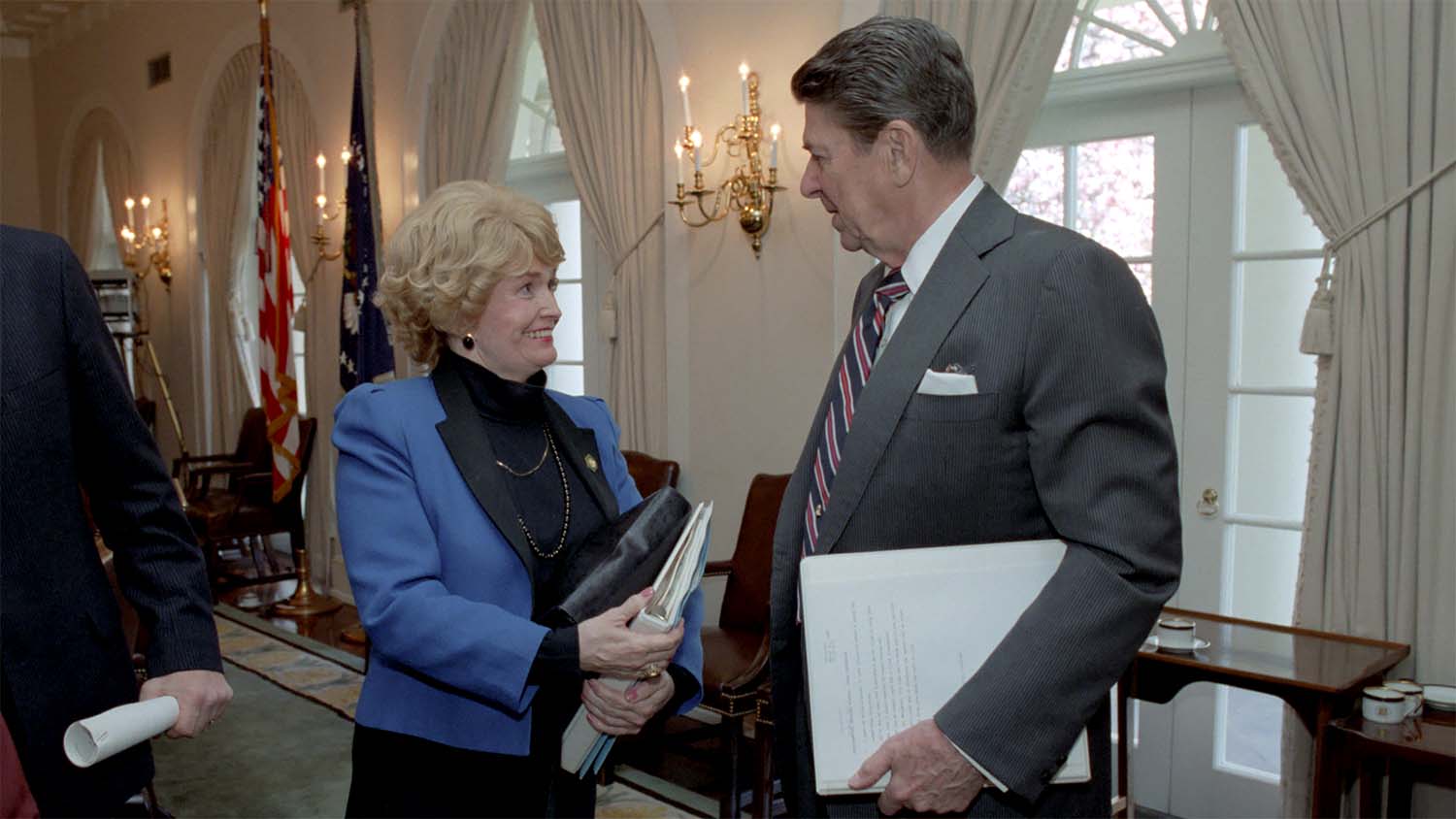
Public Citizen v. Heckler (1985, 1986) led to the 1987 federal ban on interstate raw milk sales, 21 CFR 1240.61. Sales within states were left to state law.
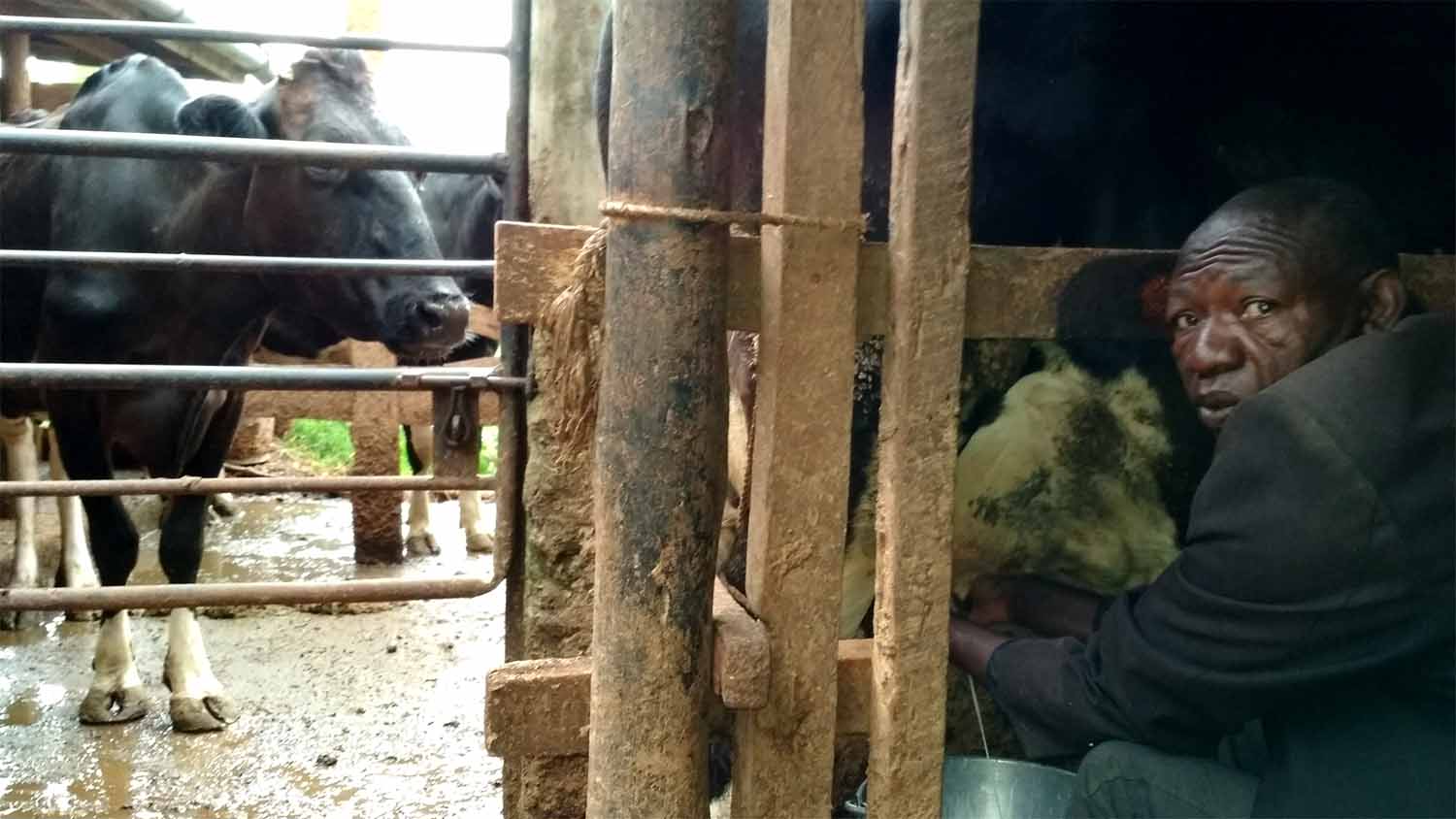
Kenya’s milk shortage deepened through October 2026. Officials now say farmers sell to informal buyers who pay more, as cartel claims spread online.
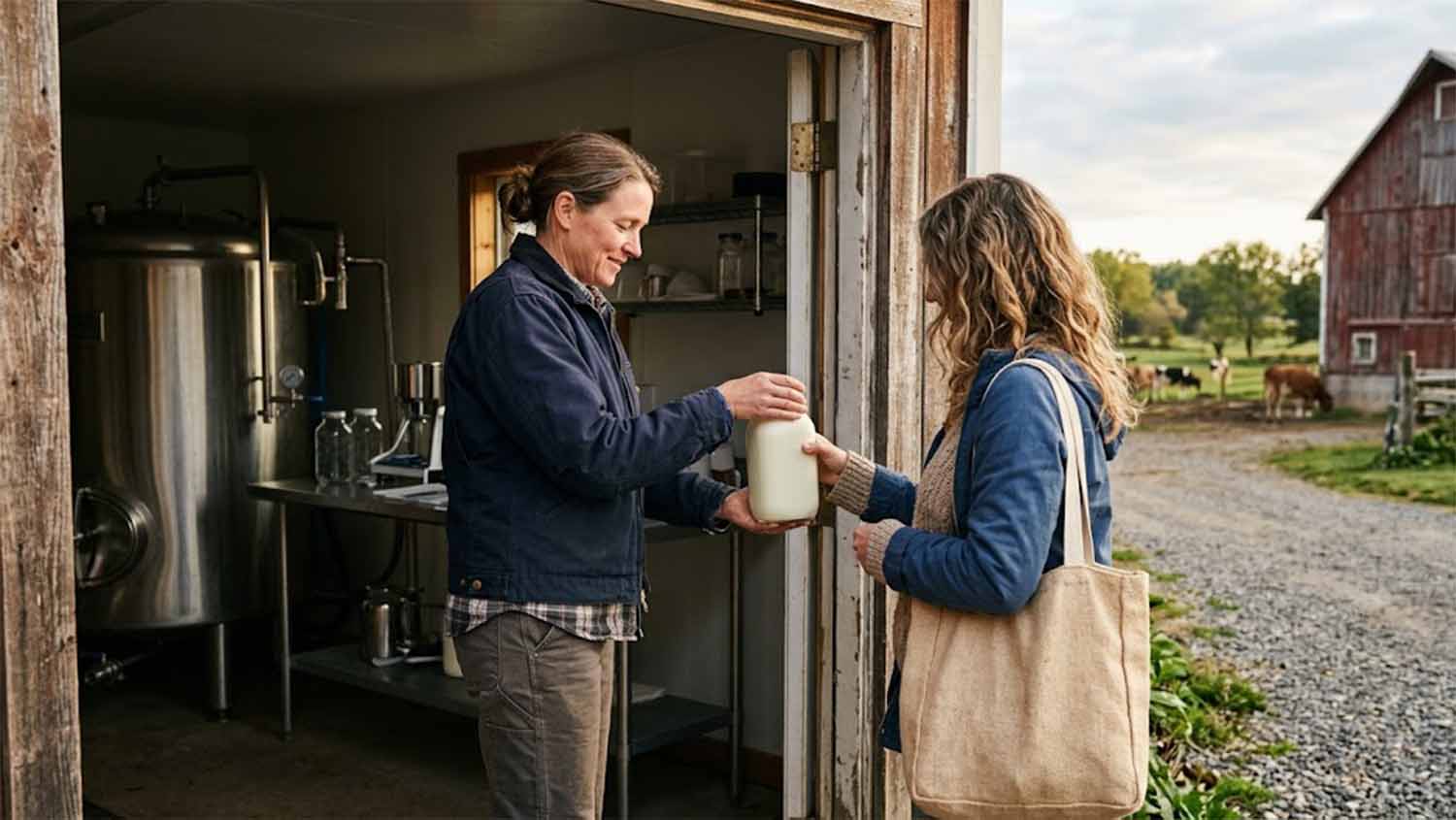
Commodity milk pays dairy farmers about $2 a gallon. Raw milk sold direct brings $6 to $20. What a farm makes depends on state law, customers and costs.
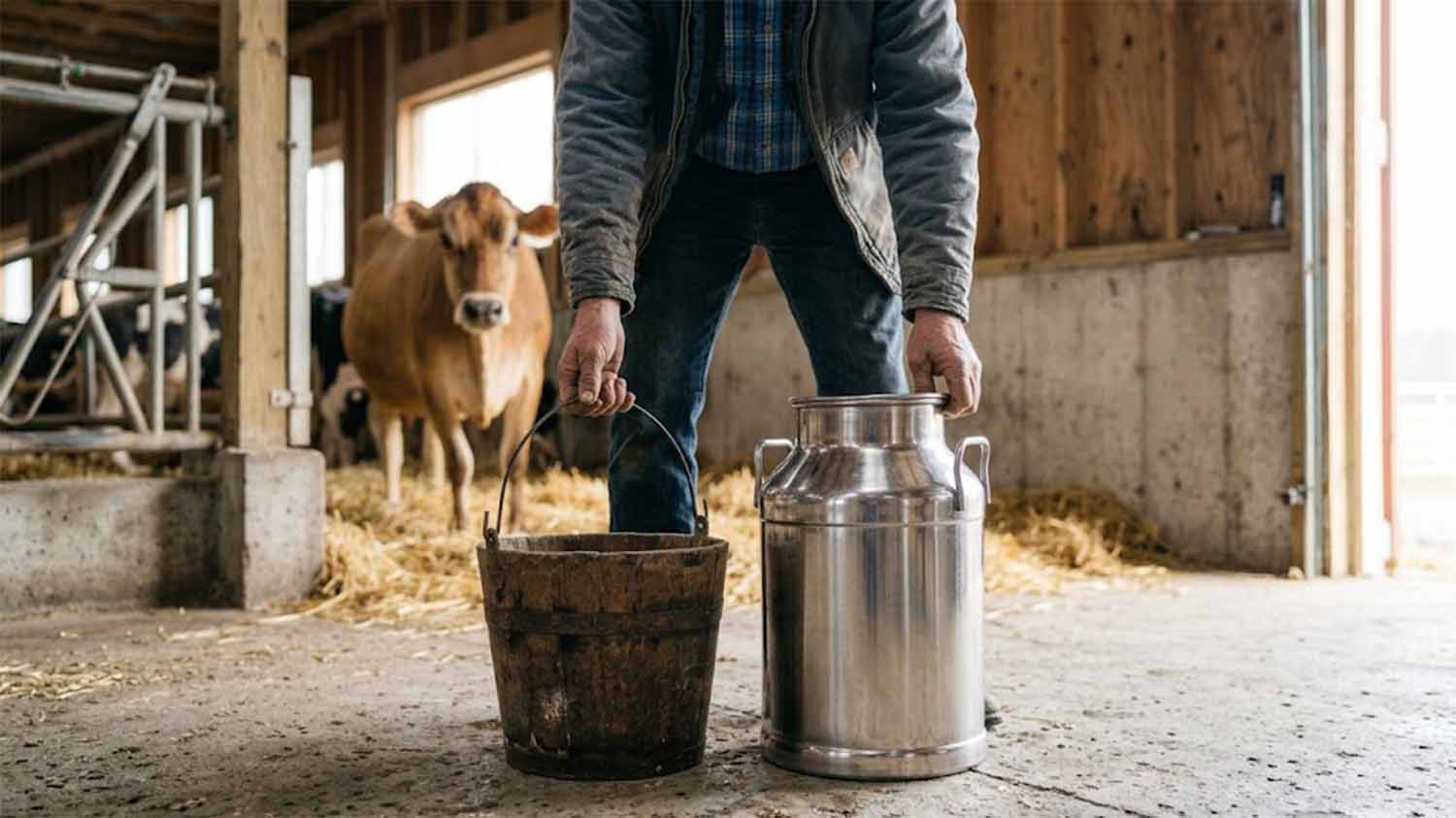
11 million US adults drink raw milk, ten times swill milk era New York. Twenty years of data show the 1850s death toll has not returned. Here’s why.
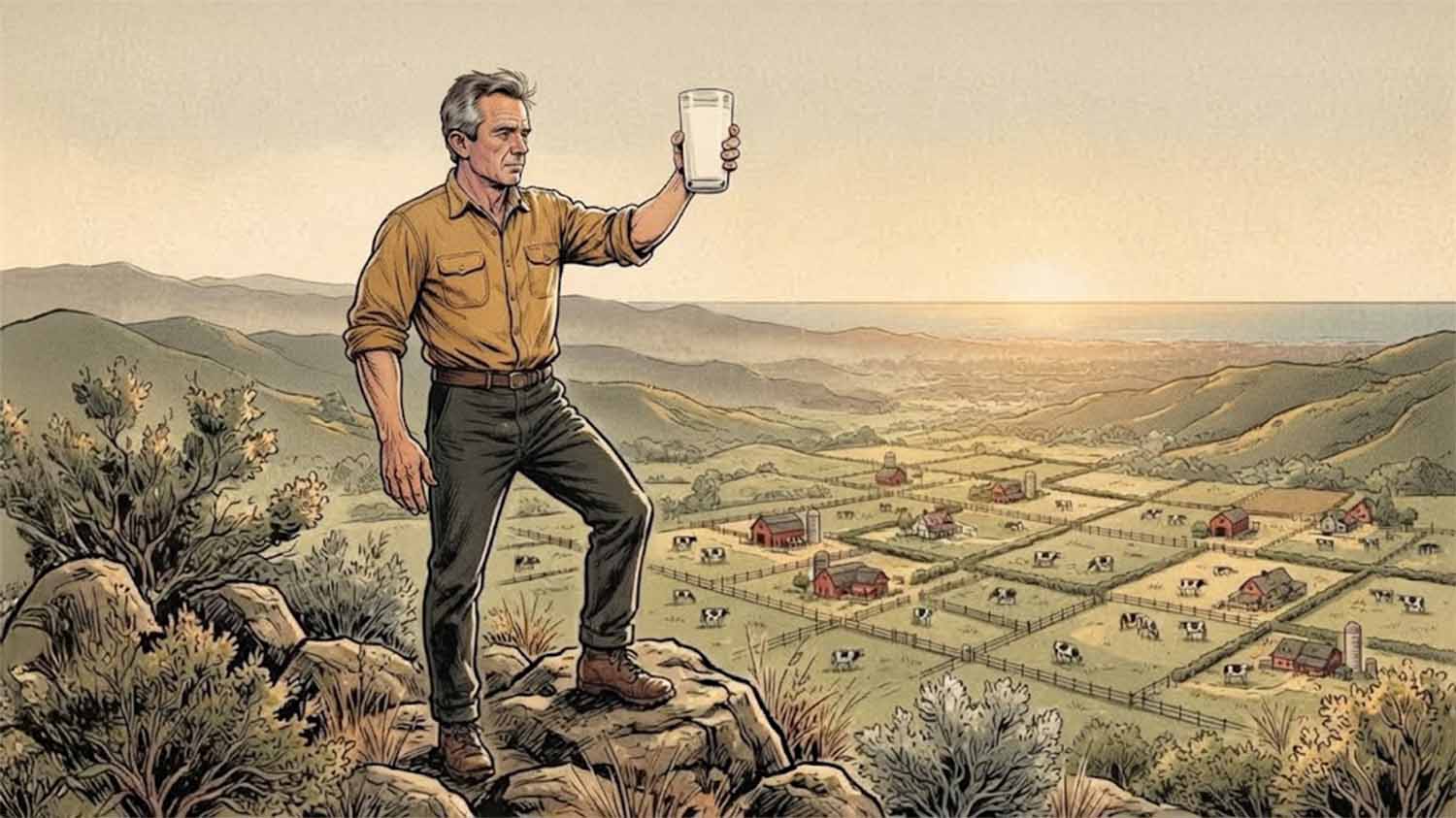
RFK Jr. could open interstate raw milk sales, fix FDA warnings and ease enforcement. He hasn’t used his position to do so. Here is how each option would work.
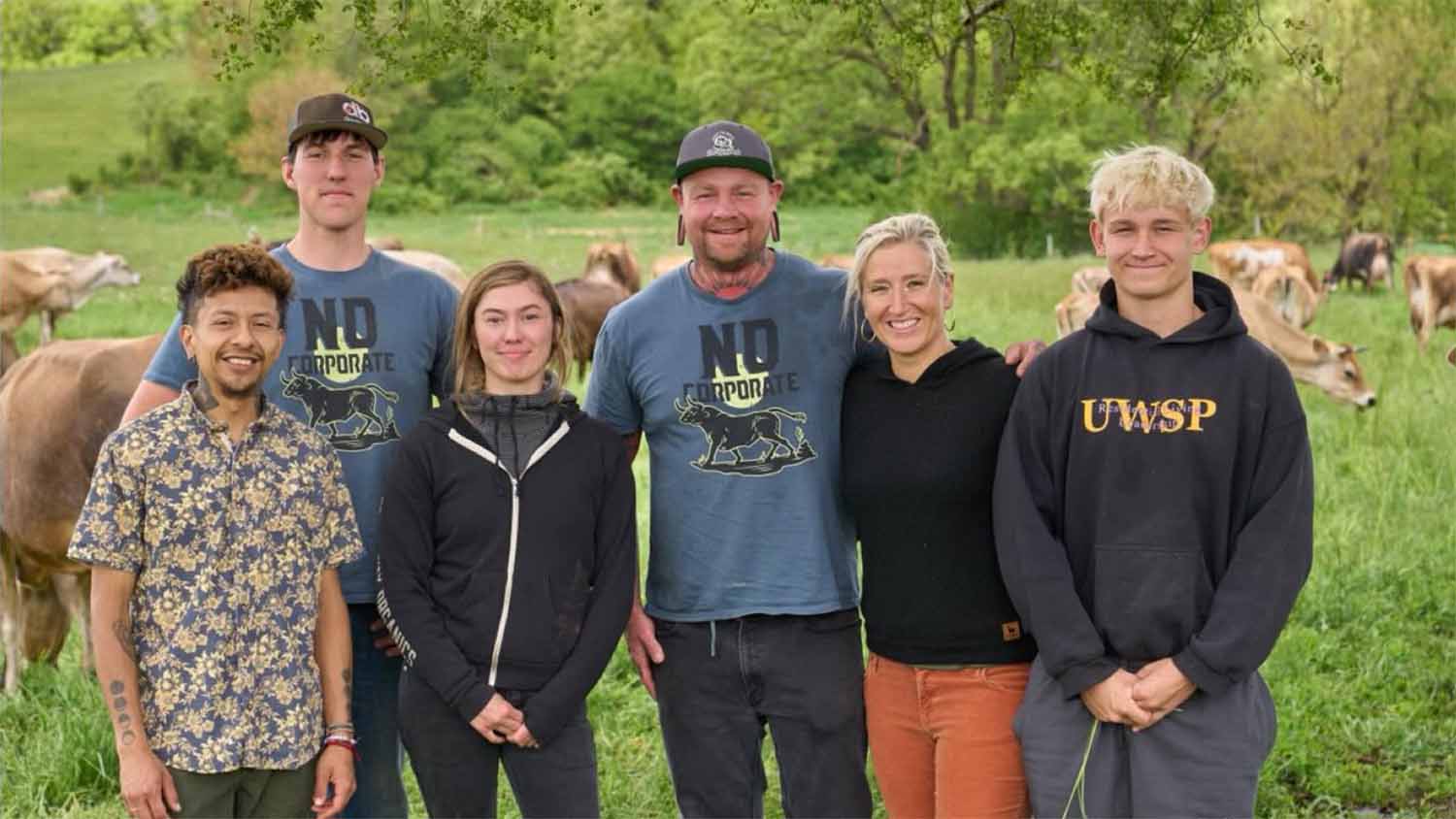
DATCP suspended Grassway Organics’ license and seeks $10,000 plus $50 a day. What the case means for raw milk access in Wisconsin.