Get raw milk in New York City
A guide to accessing licensed raw milk near New York City, covering licensed farms within driving distance of the metro area.
Read Article →On-farm raw milk sales are legal in New York under Agriculture and Markets Law §47-a. A state retail permit is required; consumers must visit the farm to purchase. No delivery or off-farm retail sales.
How many Americans drink raw milk and how many states allow it: raw milk statistics.
New York authorizes on-farm raw milk sales under Agriculture and Markets Law §47-a, administered by the New York State Department of Agriculture and Markets. Farms must obtain a Retail Raw Milk License, maintain tuberculosis and brucellosis-tested herds, pass quarterly sanitation inspections, and comply with bacterial plate count and somatic cell count standards. Raw milk must be labeled with the farm name, address, "sell-by" date, and a required warning statement. Sales are restricted to the licensed farm premises — consumers must come to the farm; off-farm delivery, mail order, and retail store sales are prohibited under the current framework.
New York has a significant licensed raw milk market. Permitted farms operate in the Hudson Valley, Finger Lakes, Catskill Mountains, and Adirondack regions, and a number of farms near the New York City metropolitan area serve urban consumers willing to drive for farm access. The New York City area attracts particular consumer interest, with several licensed farms within a 90-minute drive of the city. Herdshare arrangements have existed in a regulatory grey area in New York but are not explicitly authorized by statute and have been subject to enforcement scrutiny. The current framework has been stable for decades, with periodic legislative proposals to add delivery or farmers market sales not advancing into law.
Latest developments and news related to raw milk in New York
A guide to accessing licensed raw milk near New York City, covering licensed farms within driving distance of the metro area.
Read Article →Official government documents and legal resources for New York
New York statute authorizing on-farm raw milk sales to consumers under a Retail Raw Milk License, with quarterly inspections, herd health, testing, and labeling requirements.
View Official Resource →See how raw milk laws changed across the US, year by year, in the raw milk law timeline.
Search for raw milk sources near popular locations in New York
Mapping raw milk sources by hand since 2018.
Tips keep it free and updated daily.
Enter an amount of $1 or more.
✓ You're supporting a free community resource. This is a tip/donation, not a purchase of milk or products.
Designed and coded from scratch. The same developer builds MVPs, internal business systems, and writes about it.
Public Citizen v. Heckler (1985, 1986) led to the 1987 federal ban on interstate raw milk sales, 21 CFR 1240.61. Sales within states were left to state law.
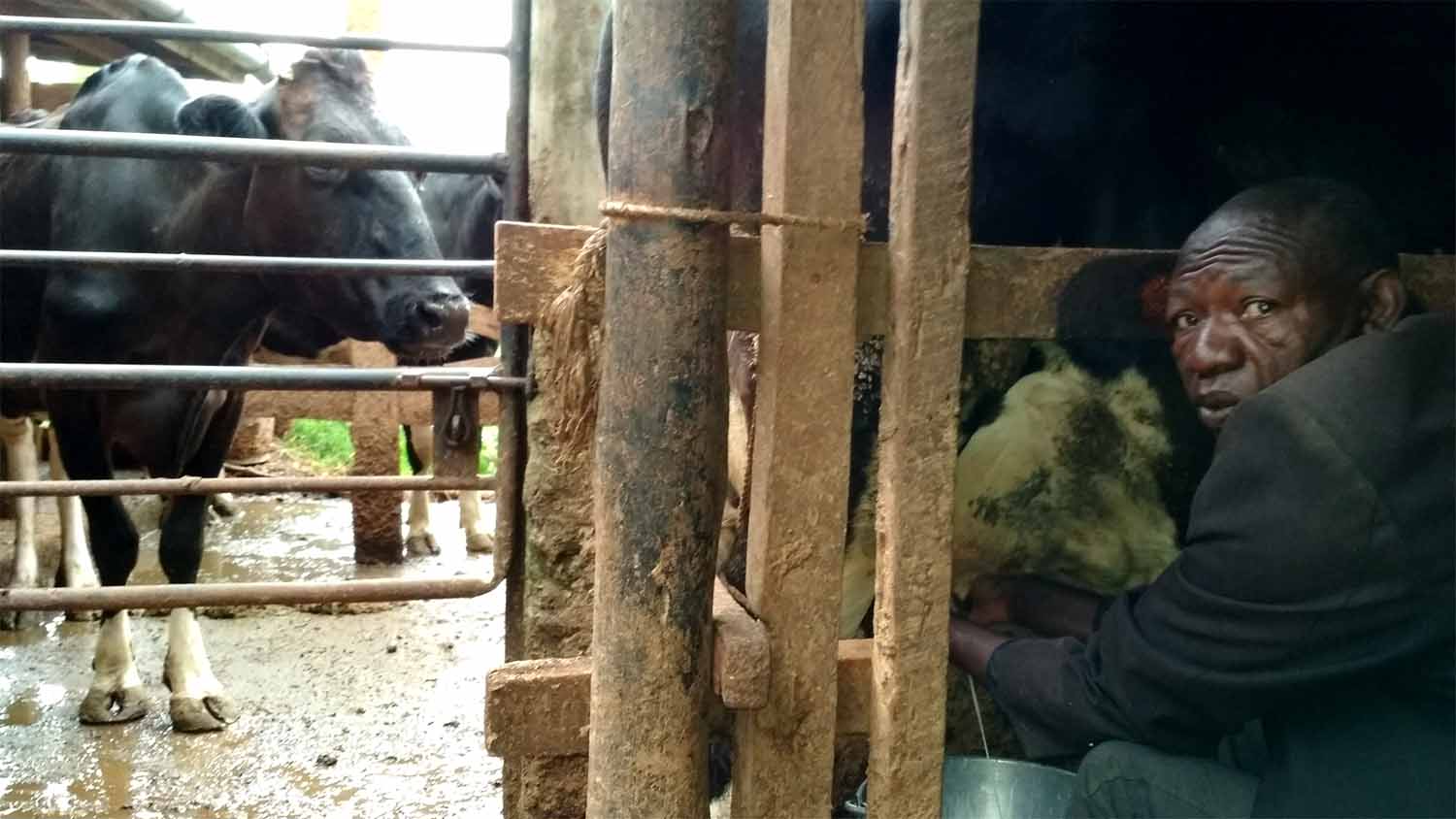
Kenya’s milk shortage deepened through October 2026. Officials now say farmers sell to informal buyers who pay more, as cartel claims spread online.
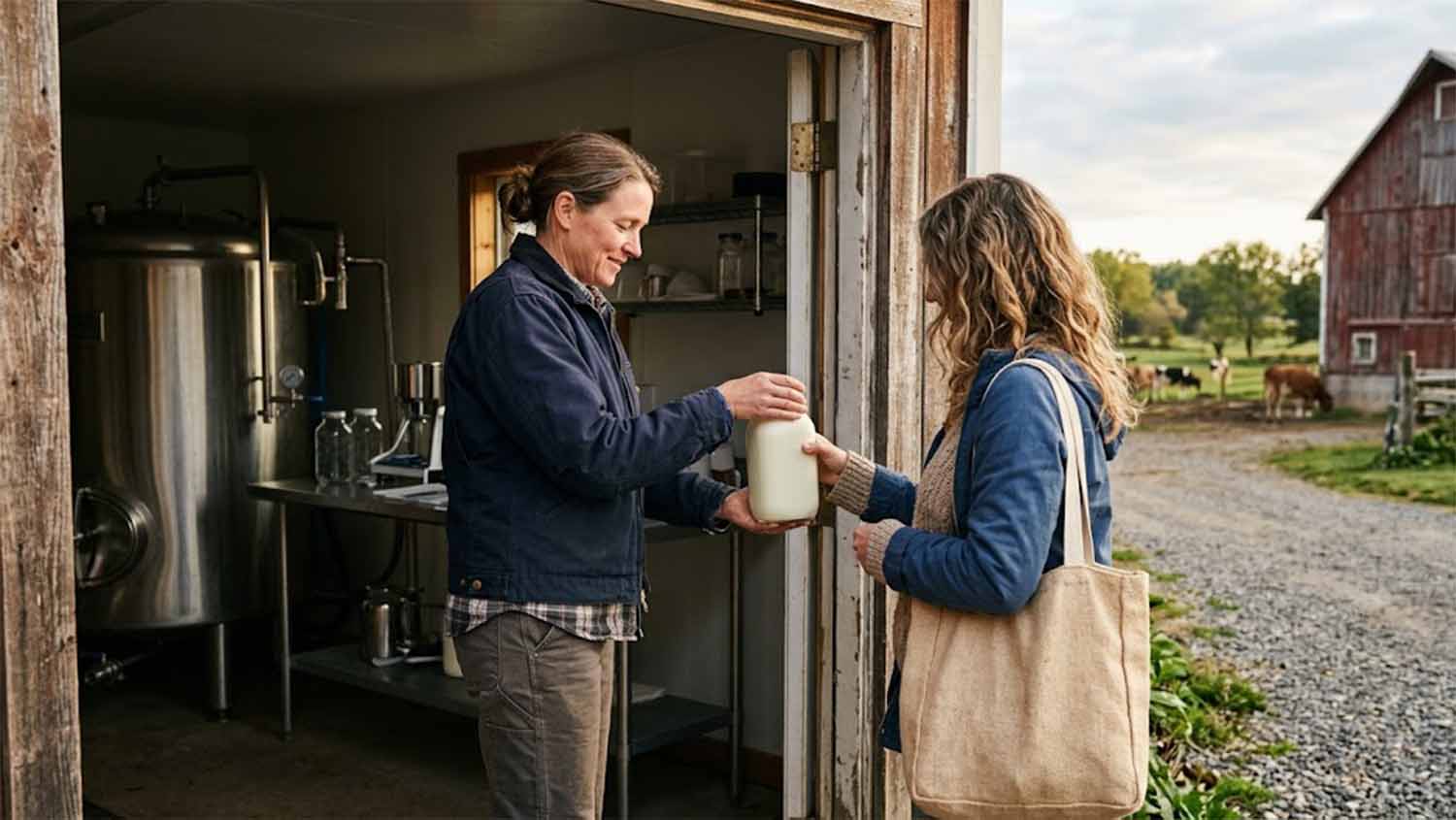
Commodity milk pays dairy farmers about $2 a gallon. Raw milk sold direct brings $6 to $20. What a farm makes depends on state law, customers and costs.
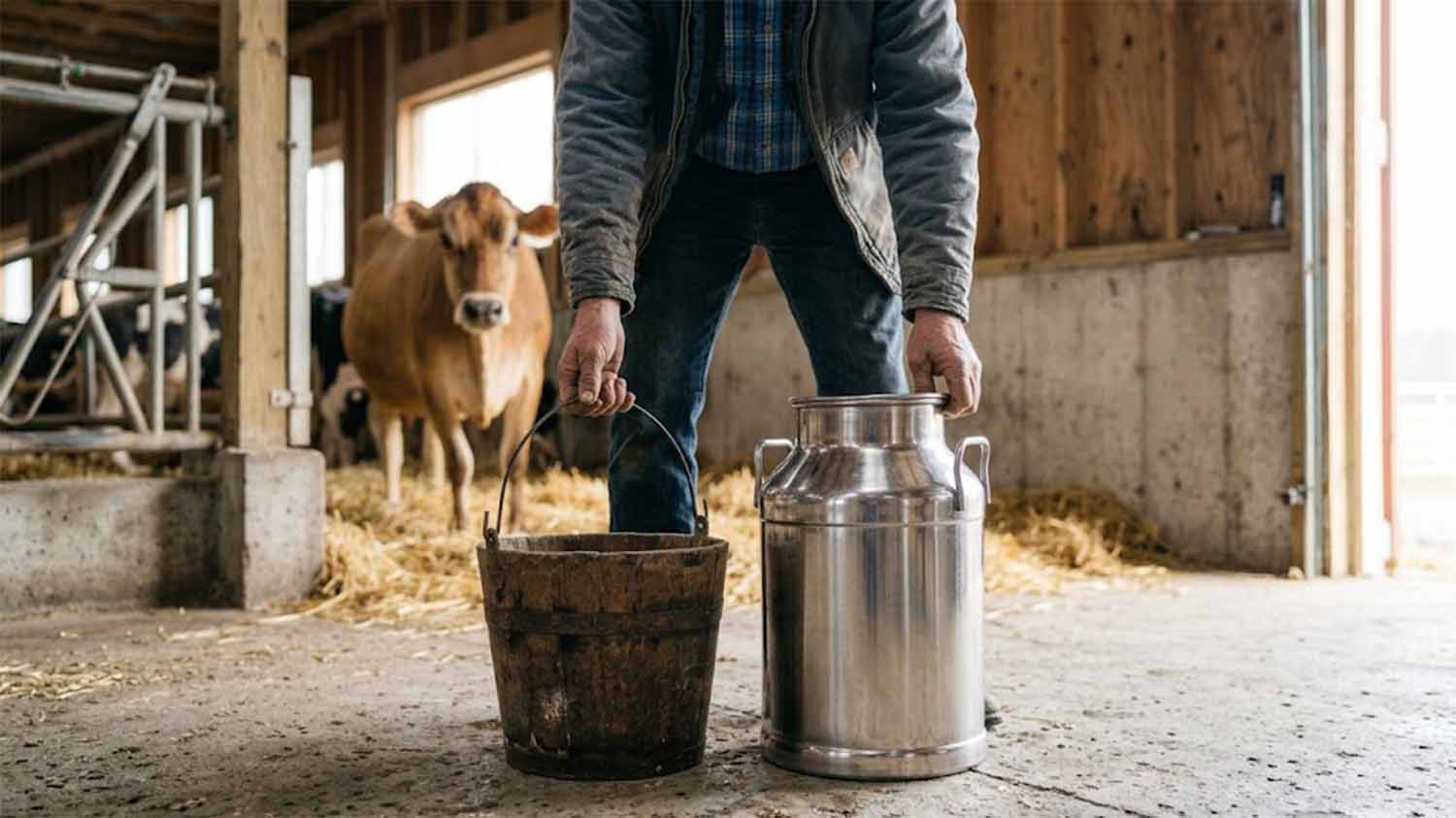
11 million US adults drink raw milk, ten times swill milk era New York. Twenty years of data show the 1850s death toll has not returned. Here’s why.
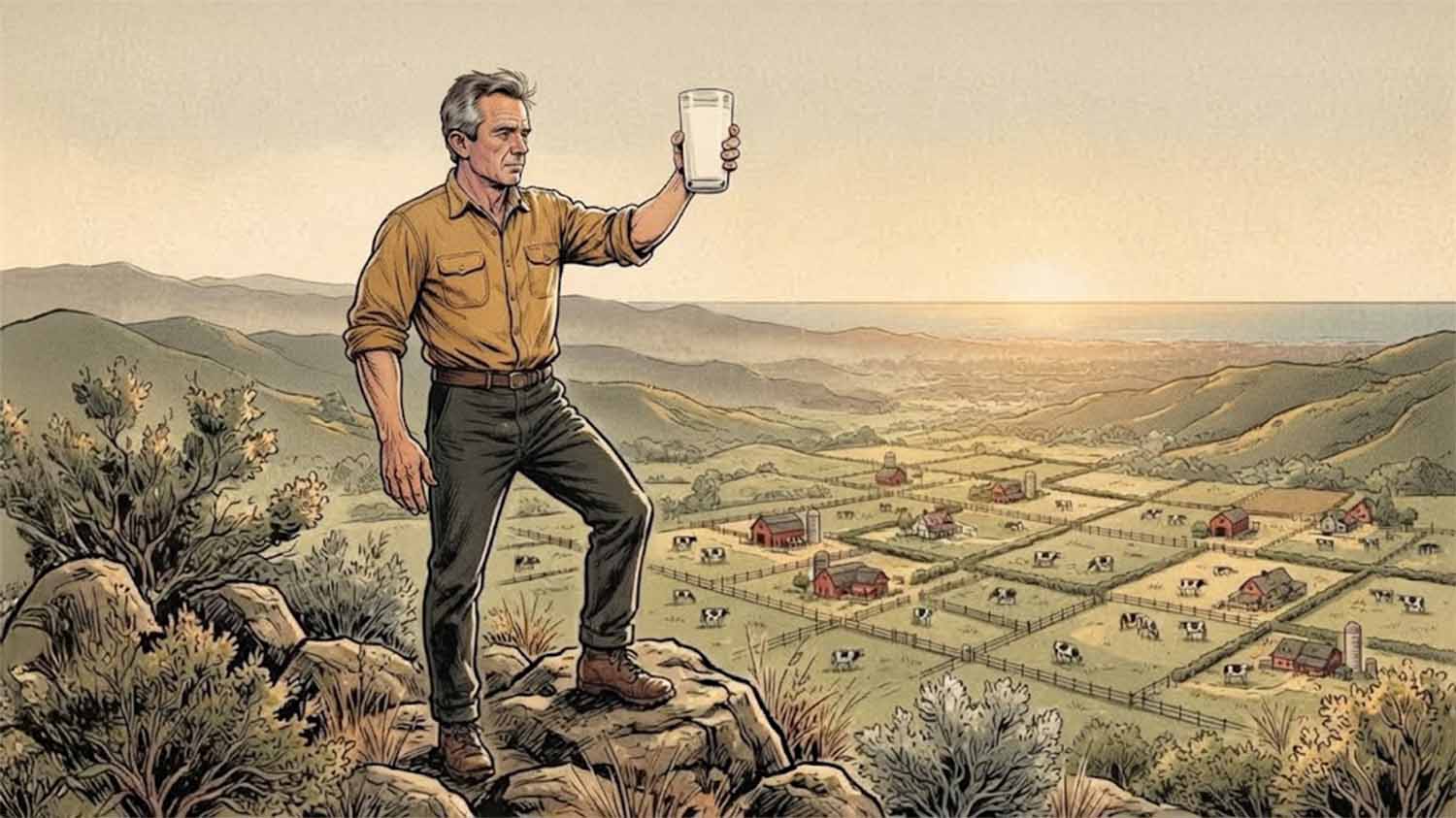
RFK Jr. could open interstate raw milk sales, fix FDA warnings and ease enforcement. He hasn’t used his position to do so. Here is how each option would work.
DATCP suspended Grassway Organics’ license and seeks $10,000 plus $50 a day. What the case means for raw milk access in Wisconsin.