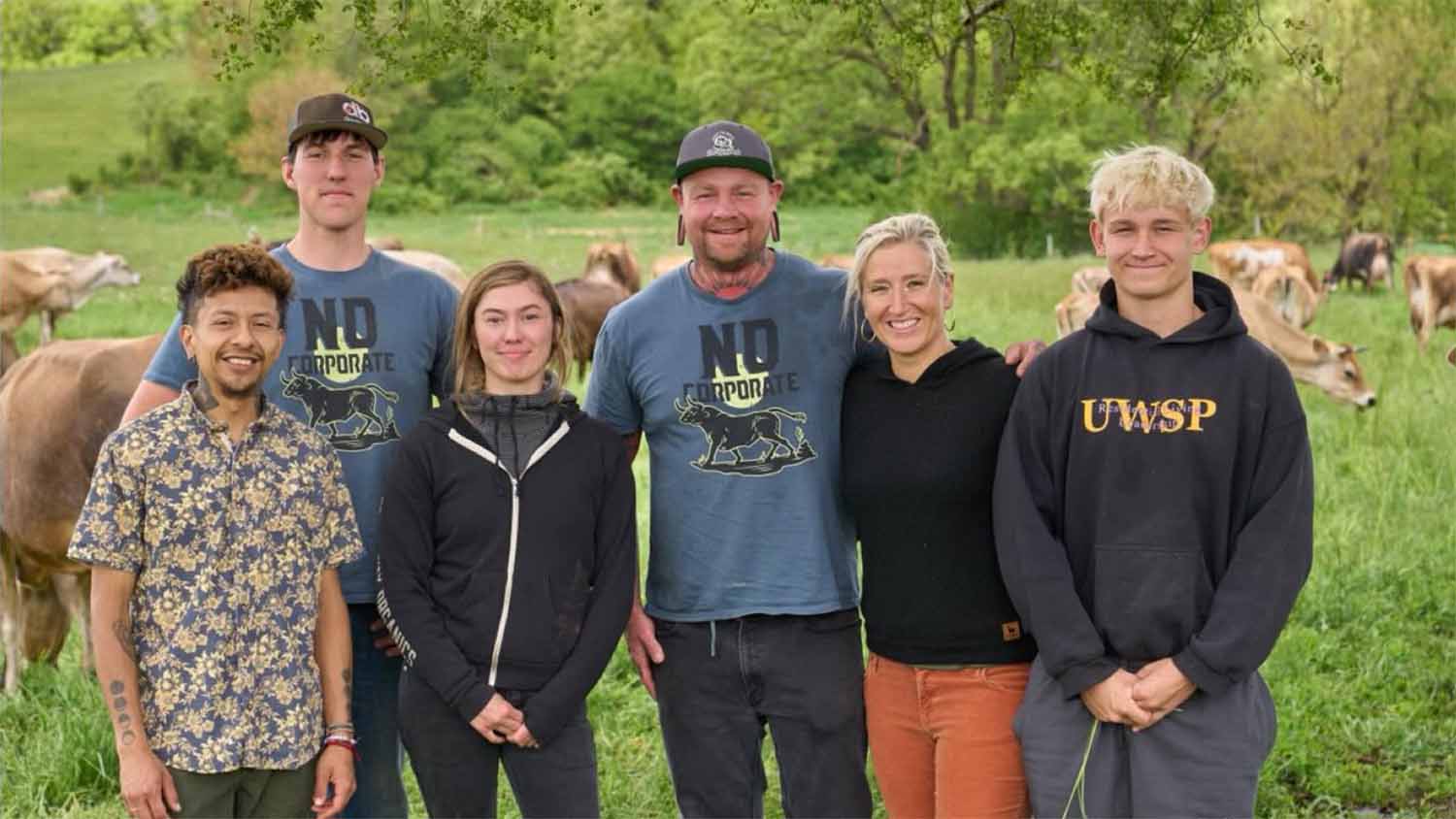
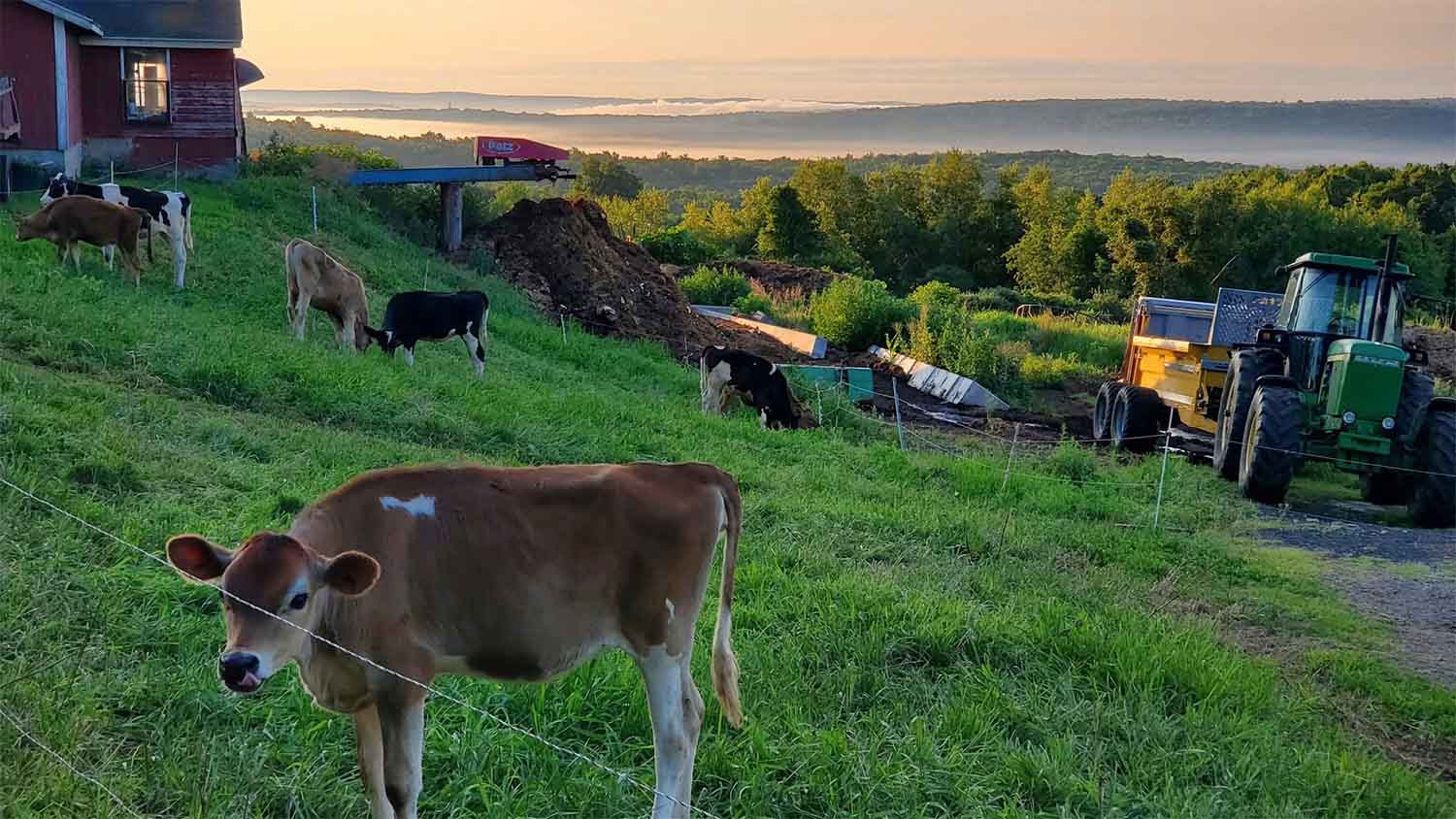
Cows and calves graze the hillside at Rocky Acres Farm in Warren, Massachusetts, where the Richardson family has raised dairy cattle since 1961.
How the Parent Company Behind Cabot Cheese Barred a Farm From Selling Raw Milk
Rocky Acres Farm in Warren, Massachusetts has sold raw milk directly to consumers since 2003 and produced milk for its cooperative, Agri-Mark, for far longer than that. Agri-Mark is a dairy processor that generates roughly $1 billion in annual revenue and owns the Cabot and McCadam brands. This year, Agri-Mark told the Richardson family to choose one or the other. Its board barred members from selling raw fluid milk from their own farms, and Rocky Acres is now dismantling part of its herd to survive on direct sales alone.
The farm’s situation, reported this week by Western Mass News, fits a pattern that has shown up before: a raw milk producer cut off not by a commercial buyer with no stake in the farm, but by the very company its own family has spent decades supplying and helping to govern.
A Farm Built Across Four Generations
Rocky Acres has been in the Richardson family since 1961, when Leroy and Doris Richardson bought the Coy Hill Road property. Their son Bob took over the farm with his wife Marty, and the operation passed again to Bob and Marty’s son Brian and his wife Heather, who now run the seasonal, grass-based dairy. When Massachusetts legalized on-farm raw milk sales in 2003, the family added a license and began selling directly to customers who came to the farm, a revenue stream layered on top of the milk it continued shipping to Agri-Mark for processing into Cabot-branded cheese, butter, and other dairy products.
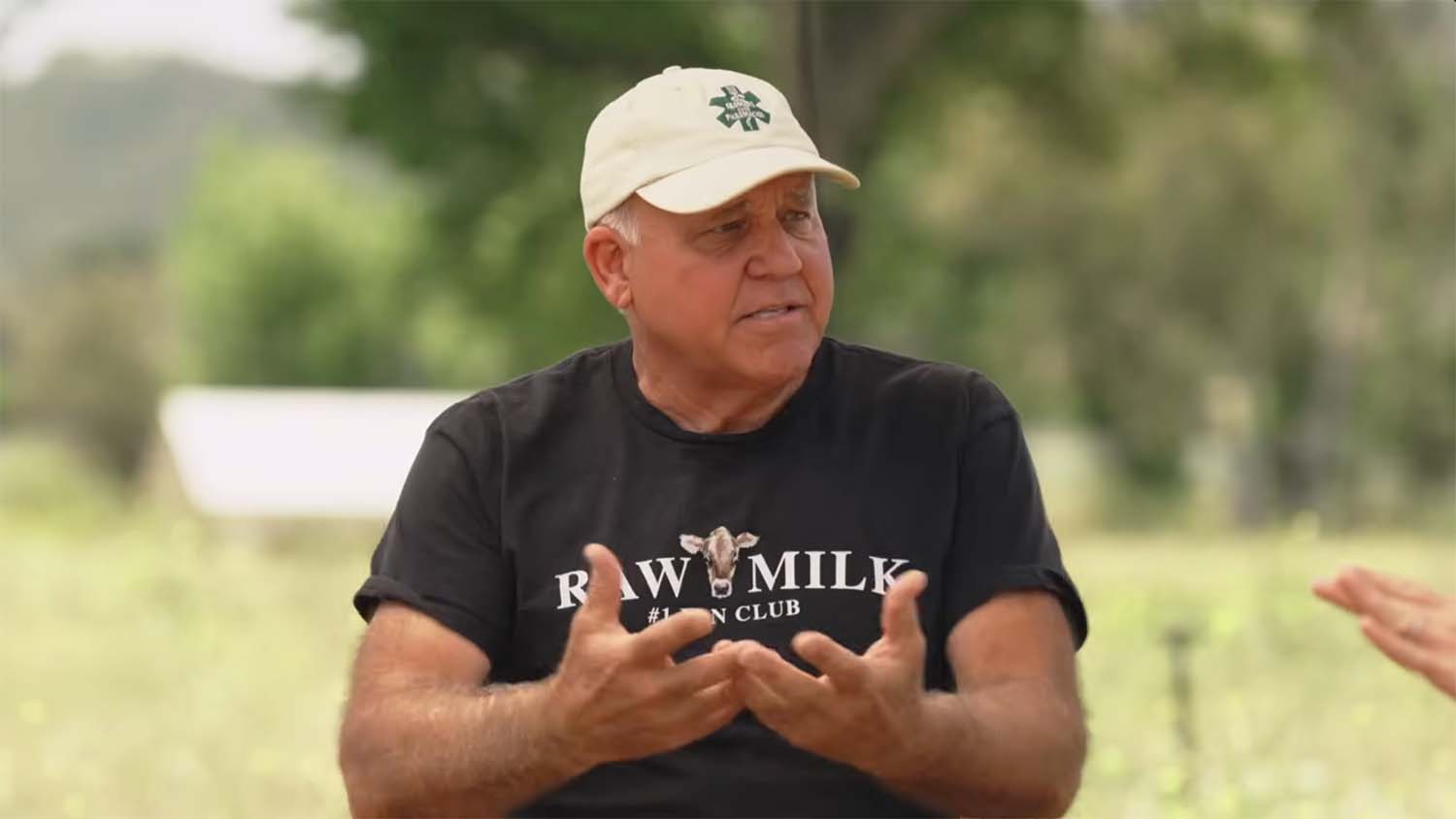
That relationship with Agri-Mark was, by the company’s own measure, a strong one. Rocky Acres won Agri-Mark’s Top Overall Milk Quality Award among more than 1,200 member farms in 2016 and 2017, and took home a Gold Award from the National Mastitis Council’s Dairy Milk Quality Awards in the same years. Brian Richardson told Western Mass News the farm has never had a single reported illness tied to its raw milk in its more than two decades of direct sales.
The Policy That Reached Rocky Acres
According to a letter the farm received in May 2026, Agri-Mark’s board approved a policy in June 2024 barring members from selling raw fluid milk from their farms, citing risk to the company, its brands, and its customers rather than any specific safety finding at Rocky Acres or elsewhere. In a statement to Western Mass News, Agri-Mark said its board established a policy that “members are not allowed to sell raw fluid milk from their farms,” adding that the decision followed extended internal discussion and was made with awareness that it would affect some farmers.
For Rocky Acres, the practical effect has been immediate. Agri-Mark can no longer take milk from a farm still selling raw, which means any milk the Richardsons can’t move through walk-in customers has nowhere to go. The family has had to dump surplus milk to keep the operation sanitary, and this year has sold twelve cows from the herd, shrinking it down to what direct sales alone can support. The Richardsons describe the emotional cost of that downsizing, having to part with individual cows and their calves, as harder to absorb than the lost income itself.
Agri-Mark is not an outside processor with no stake in the farm; it markets milk for more than 450 member families under the Cabot and McCadam brands, on roughly $1 billion in annual revenue and a workforce of more than 1,000 employees. But “farmer-owned” is a framing worth pressure-testing. A 1995 Second Circuit decision, Shaw v. Agri-Mark, tested it directly: a Vermont member sued for access to executive salary figures and lost, because the court found that paying into the cooperative and voting for its board doesn’t make someone a shareholder under Delaware law. Actual stock is held only by the sitting directors. Governance runs through 14 regional seats, each elected by 50 to 200 members, which gives a farm like Rocky Acres a vote for a representative rather than a direct vote on the policy itself. That structure did not give the Richardsons a say in the outcome: the ban was set by a 14-person board they don’t sit on, and it now overrides a raw milk business the family built two decades before the policy existed.
What Massachusetts Law Does and Doesn’t Cover
Raw milk sales are legal in Massachusetts, but only directly from the licensed farm that produced the milk. Farms must register with the Department of Agricultural Resources, obtain a certificate of registration, and submit to regular bacteria, coliform, and somatic cell count testing under state standards, according to guidance published by NOFA/Mass and the University of Massachusetts Center for Agriculture, Food, and the Environment. There is no retail, delivery, or off-farm sales channel; a customer has to come to the farm.
The Department of Agricultural Resources, responding to Western Mass News, confirmed that current regulations require unpasteurized milk sales to happen only directly from the producing farm, and acknowledged that raw milk sales represent a meaningful financial benefit for some Massachusetts dairy farms that choose to produce it. Nothing in that regulatory framework, however, touches the separate commercial relationship between a farm and the cooperative or processor that buys its conventional milk. Massachusetts law establishes what a farm is allowed to sell and to whom; it says nothing about what a private cooperative can require of its own members as a condition of continued membership.
That gap is the same one that left Sinagra Family Dairy in Louisiana exposed earlier this year, when its bulk milk processors stopped pickups after the farm began direct raw and pasteurized sales under the state’s new raw milk law. In both cases, a state framework that legalizes raw milk sales runs directly into a private commercial relationship the law never anticipated and does not regulate.
A Cooperative Doing What Processors Have Done Before
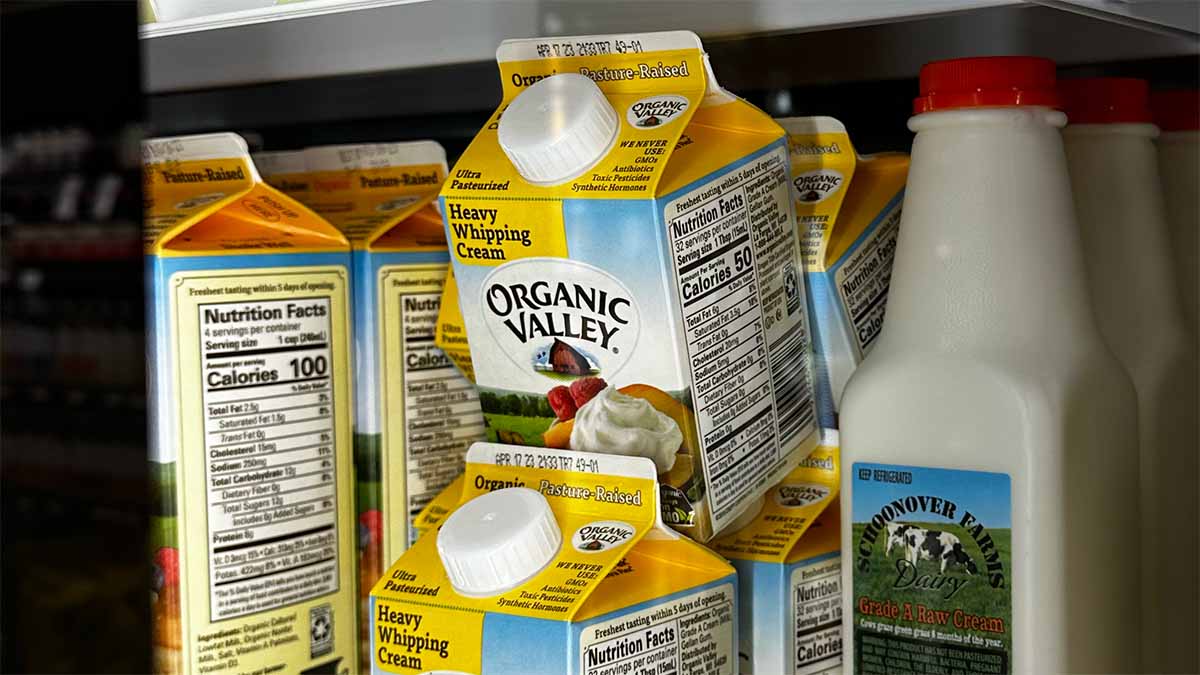
The Rocky Acres case is, in one sense, a sharper version of a pattern already documented elsewhere. In 2010, Organic Valley, the Wisconsin-based organic dairy cooperative, voted to prohibit its member farmers from running raw milk side businesses, even in states where those sales were entirely legal. The cooperative’s own Dairy Executive Committee deadlocked 20-20 before the full board broke the tie 4-3 in favor of the ban, over the objection of the roughly 150 to 200 member farms then supplementing their income with raw milk sales at several times the price Organic Valley paid for bulk milk.
Agri-Mark’s action against Rocky Acres follows that same structure almost exactly: a cooperative built around member equity, governed by a board its members elect but don’t sit on, voting to bar a subset of those same members from a legal, direct-to-consumer business Agri-Mark does not control and does not profit from. Where the Louisiana processor that cut off Sinagra Family Dairy was an outside commercial buyer with no relationship to the farm beyond the milk contract, Agri-Mark and Organic Valley both represent cases where the leverage came from inside the farm’s own governance structure.
At the national level, Dairy Farmers of America, the country’s largest dairy cooperative, has faced repeated federal antitrust scrutiny over allegations that its control of processing capacity was used to close off independent marketing options for producers, prompting Justice Department-ordered divestitures when it acquired Dean Foods’ plants out of bankruptcy in 2020. The through-line across all three cases is the same: whoever controls the processing plant or the pooled milk market controls how much independence a dairy farm actually has, regardless of what state law permits.
What’s Left for Rocky Acres
Agri-Mark’s statement acknowledged the policy would affect some of its members, which suggests Rocky Acres is unlikely to be the only farm working through this decision. For now, the Richardsons are staying in business by leaning harder on the smaller, direct-sale side of the farm they’ve operated since 2003, hoping their longtime customers and a herd sized to match walk-in demand can carry the farm into a fourth generation on Coy Hill Road.
Beyond the brand-risk language in its letter to members, Agri-Mark has not made its board minutes or its full reasoning for the 2024 policy public, leaving open questions about how many farms it affects and whether the cooperative structure itself, not just individual processor relationships, deserves a closer look as raw milk sales expand across the Northeast.