
Raw Cow Milk Kefir Global Map
2,115 raw cow milk kefir sources worldwide
Search the database to find raw milk
Designed and coded from scratch. The same developer builds MVPs, internal business systems, and writes about it.
Global Raw Milk Kefir Directory & Interactive Map
This map displays every raw milk kefir listing in the database worldwide — from small homestead dairies culturing kefir with traditional grain starters to established farm stores and specialty retailers. Raw kefir is made directly from farm-fresh milk without pasteurization or industrial processing.
How to Find Raw Kefir Near You
- Search by Location: Enter your city, ZIP code, or country in the search box below
- Browse the Map: Zoom and pan the interactive map to explore any region
- Click a Marker: View details about each raw kefir source including contact info and products
- Filter by Species: Use the species selectors to narrow results to cow, goat, or sheep kefir
Types of Raw Kefir Listed
- Raw Cow Milk Kefir: The most widely available, often grass-fed and cultured with traditional grains
- Raw Goat Milk Kefir: Mild and tangy, made from farm-fresh goat milk
- Raw Sheep Milk Kefir: Rich and thick, less common but sought after in specialty markets
- Raw Buffalo Milk Kefir: Creamy and rich, less common but highly prized in specialty markets
- Traditional Grain Kefir: Made using live kefir grain cultures passed down through farms and families
- Bottled Raw Kefir: Ready-to-drink kefir from farm stores and health food retailers
Why People Seek Out Raw Milk Kefir
Raw kefir is a traditionally fermented dairy drink with roots in Eastern Europe and western Asia, made by culturing whole milk with live kefir grains. People seek it out for its tart, slightly effervescent flavor and as an alternative to commercially produced kefir that uses industrial starter cultures and pasteurized milk. Whether you're looking for cow, goat, sheep, or buffalo milk kefir, this map helps you find farm-direct and local retail sources near you.
Don't see your favorite raw kefir source? Help expand the database by submitting it.
Support GetRawMilk.com
Mapping raw milk sources by hand since 2018.
Tips keep it free and updated daily.
Select a tip amount
Enter an amount of $1 or more.
✓ You're supporting a free community resource. This is a tip/donation, not a purchase of milk or products.
Quick checkout
or use a card
Cancel anytime from the link in any receipt, or at getrawmilk.com/tip/manage.
or
Find raw milk by species
Find other raw milk products
Find farm meat & eggs
Other ways to find raw milk
Swipe right on some shirts



Aurochs Bull Skull Graphic Tee
Contribute
Your support covers hosting, development, and the daily work of keeping listings updated.
-
Submit a new listing +Add a farm to the database
-
SponsorshipsOngoing support with visibility
-
Buy me a milk 🥛Leave a one-time tip
Latest Blog Posts
-

Public Citizen v. Heckler and the 1987 Interstate Raw Milk Ban
Public Citizen v. Heckler (1985, 1986) led to the 1987 federal ban on interstate raw milk sales, 21 CFR 1240.61. Sales within states were left to state law.
-
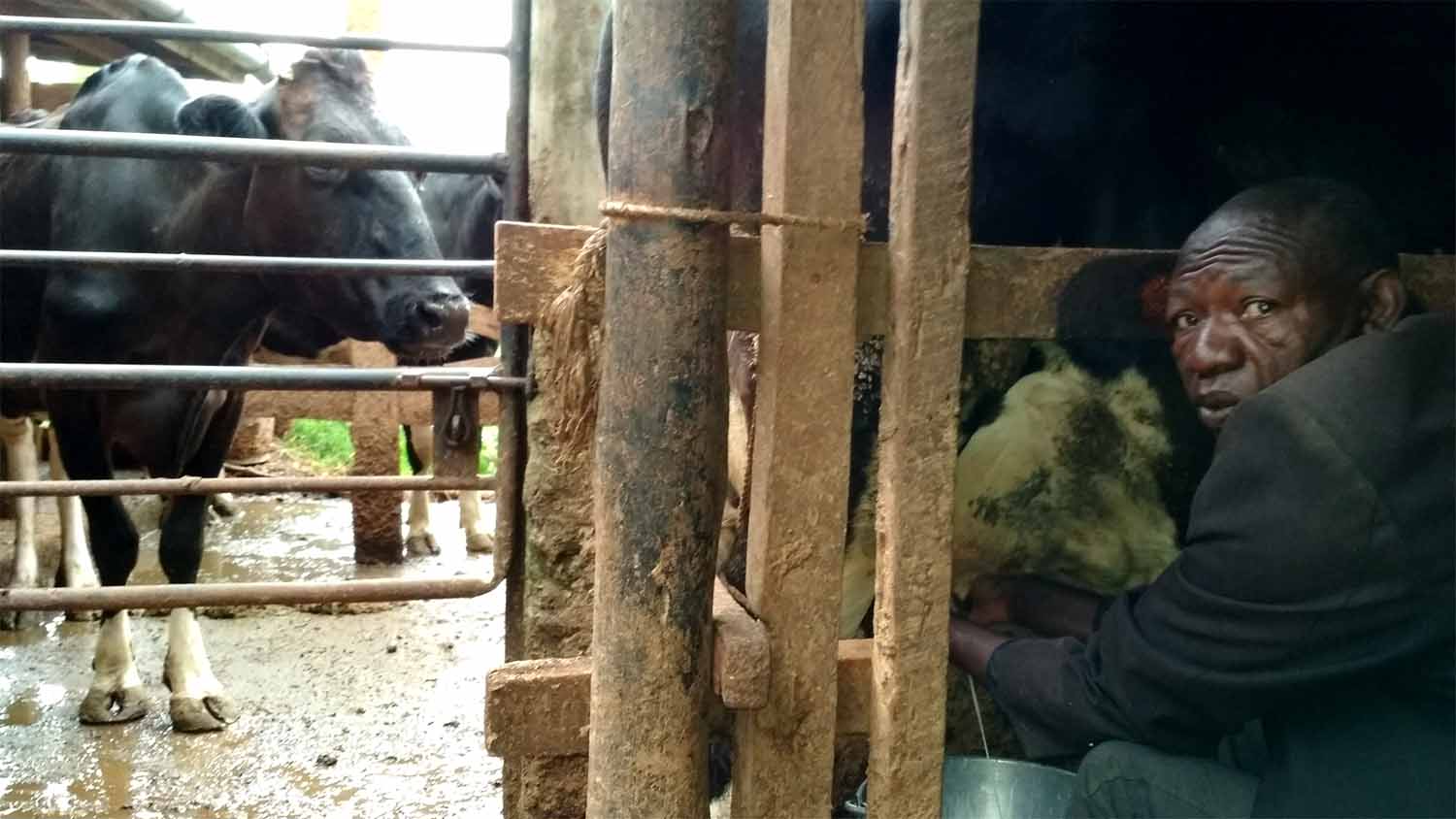
Kenya’s Milk Shortage Deepens as Farmers Bypass Cooperatives
Kenya’s milk shortage deepened through October 2026. Officials now say farmers sell to informal buyers who pay more, as cartel claims spread online.
-
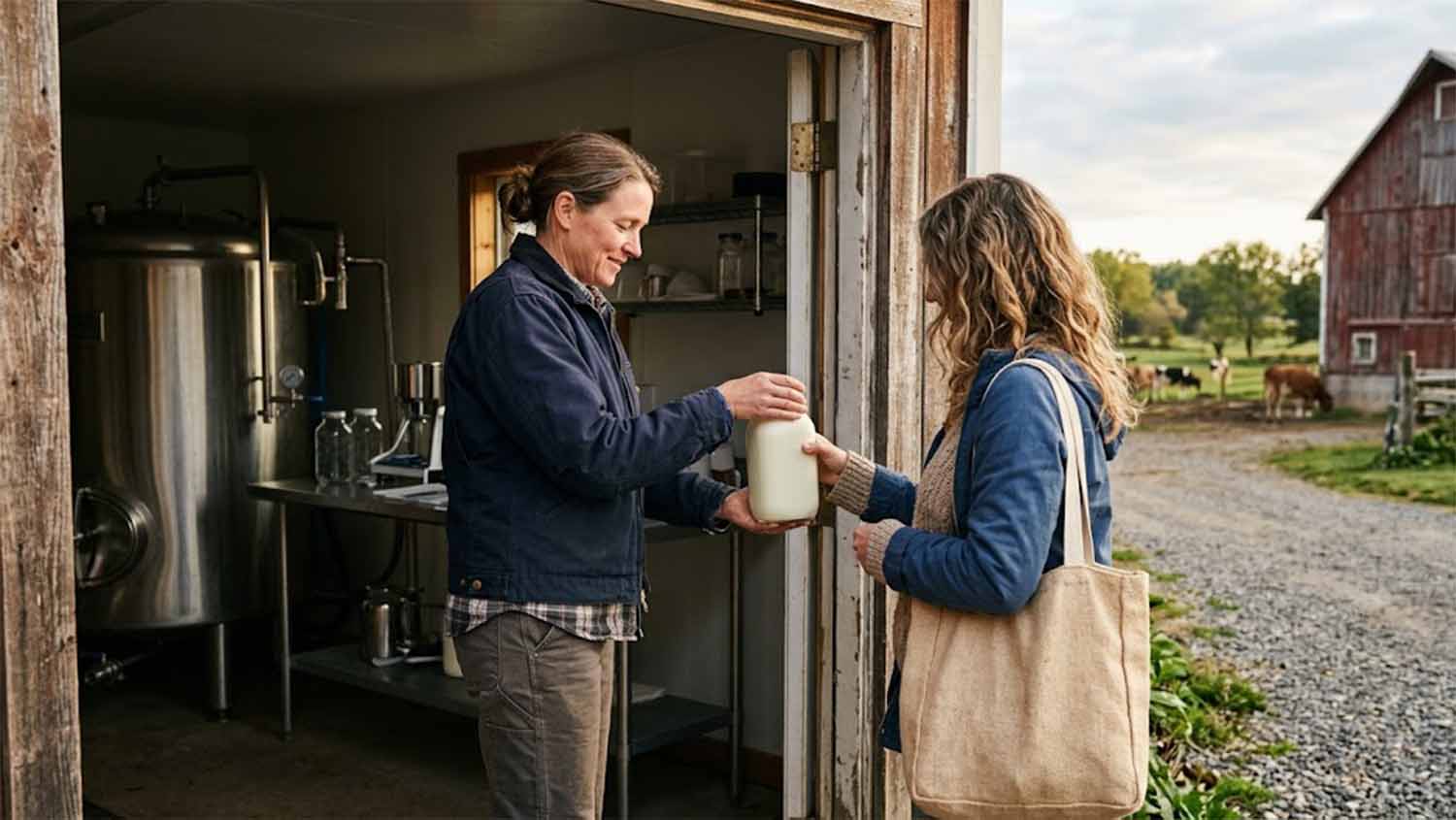
How Much Can a Farm Make Selling Raw Milk?
Commodity milk pays dairy farmers about $2 a gallon. Raw milk sold direct brings $6 to $20. What a farm makes depends on state law, customers and costs.
-
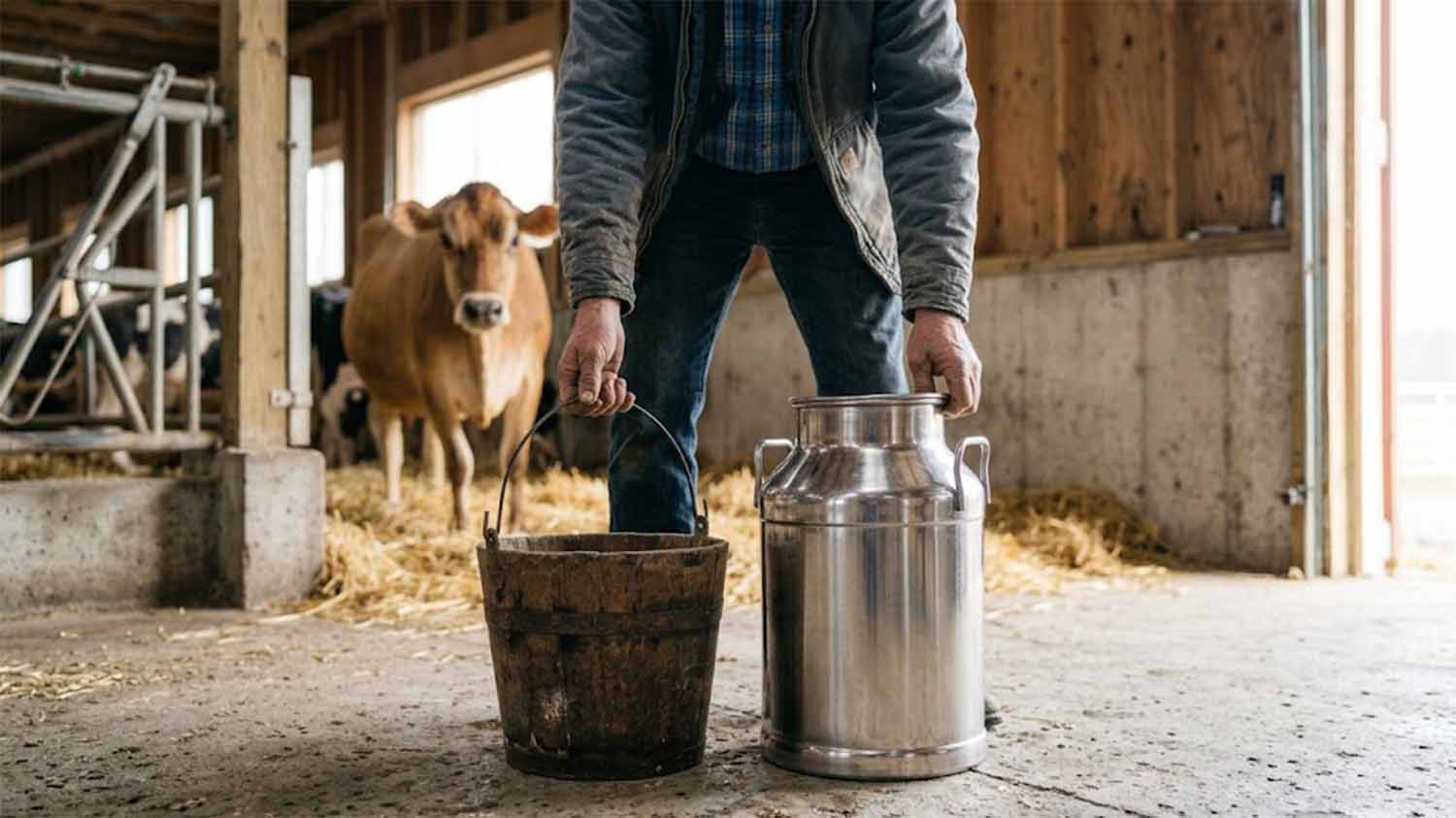
Will More Raw Milk Drinkers Bring Back the Swill Milk Era?
11 million US adults drink raw milk, ten times swill milk era New York. Twenty years of data show the 1850s death toll has not returned. Here’s why.
-

What Could RFK Jr. Actually Do for Raw Milk?
RFK Jr. could open interstate raw milk sales, fix FDA warnings and ease enforcement. He hasn’t used his position to do so. Here is how each option would work.
-
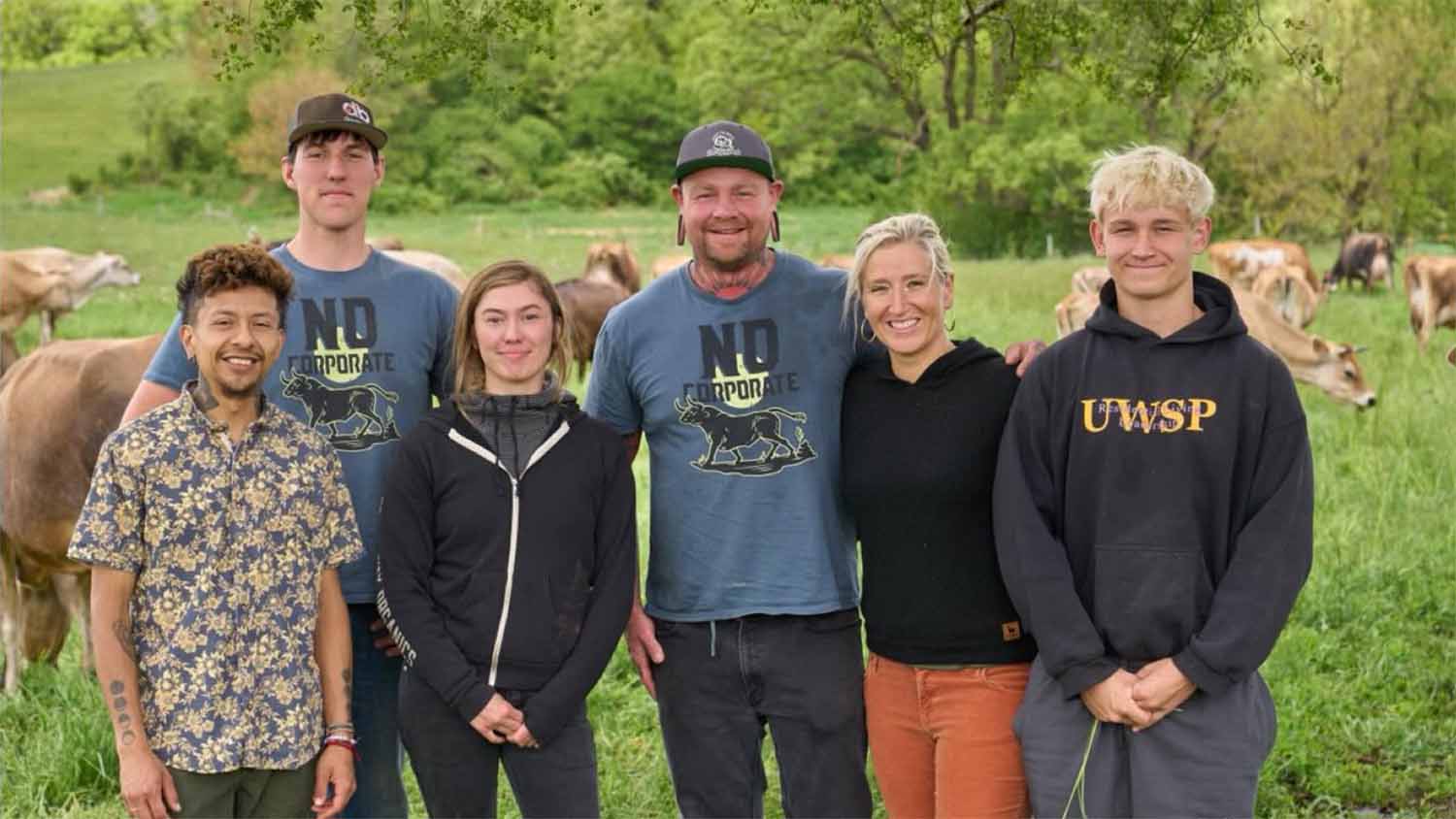
Grassway Organics and Wisconsin’s Raw Milk Gray Area
DATCP suspended Grassway Organics’ license and seeks $10,000 plus $50 a day. What the case means for raw milk access in Wisconsin.