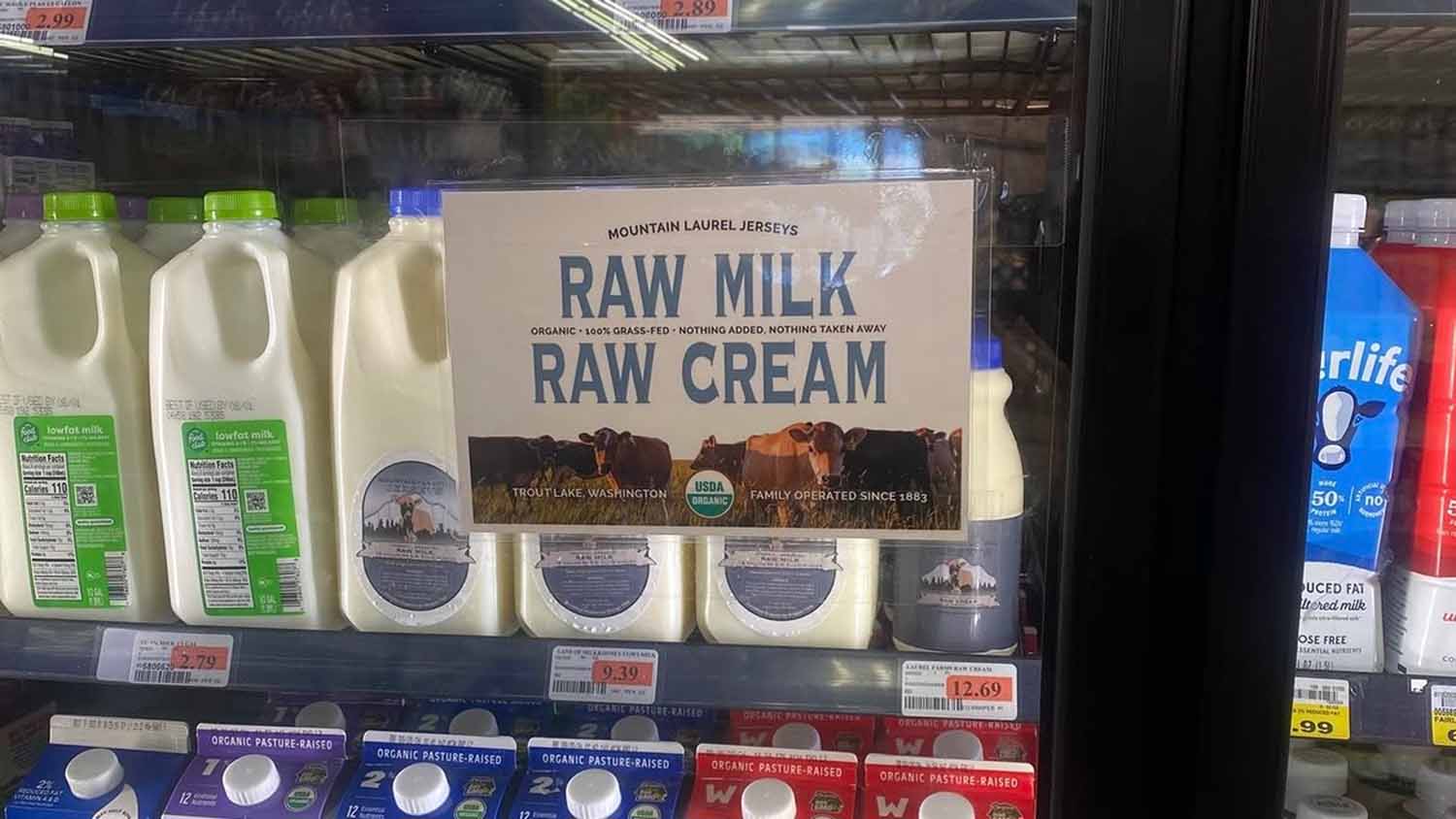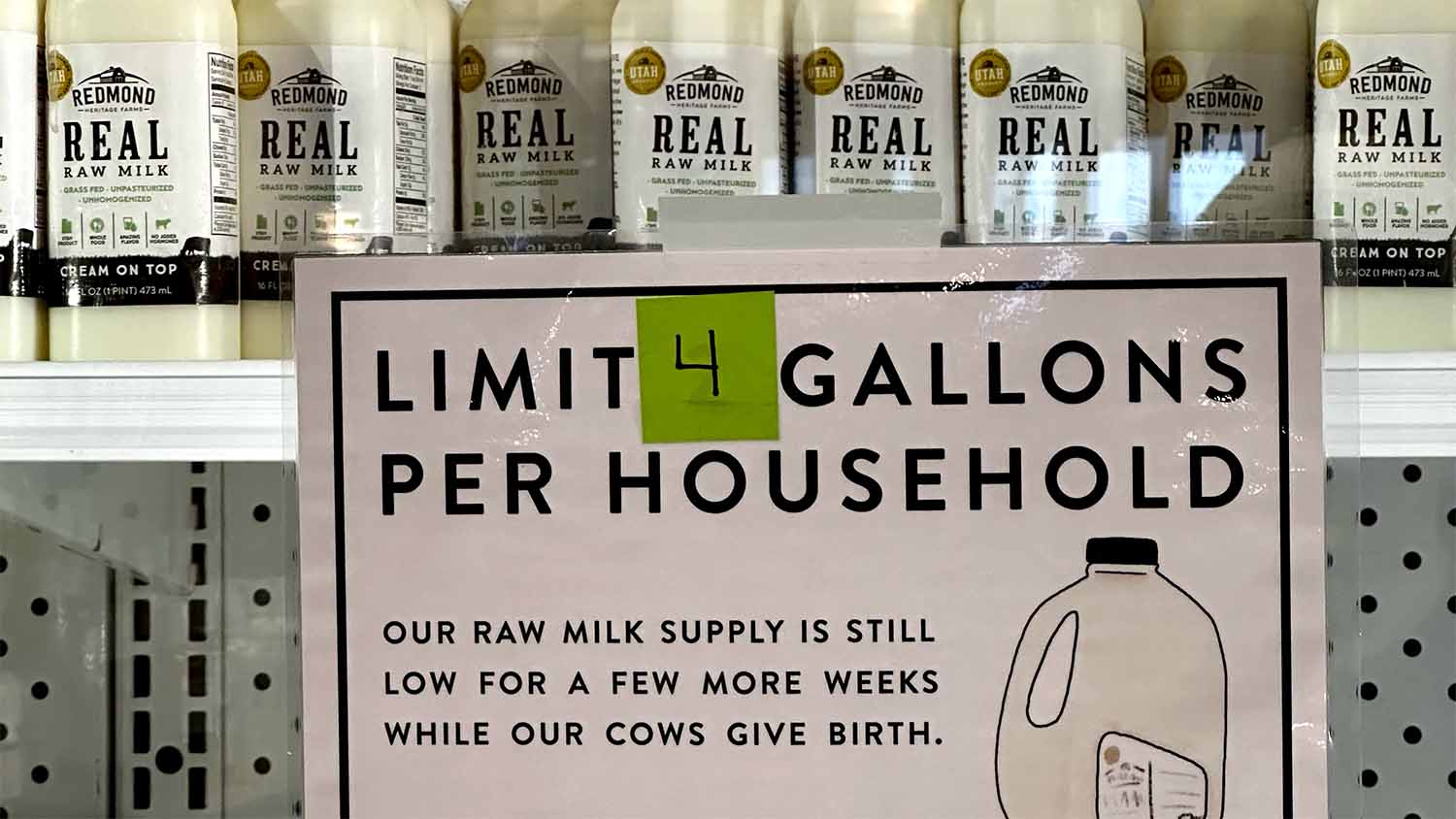
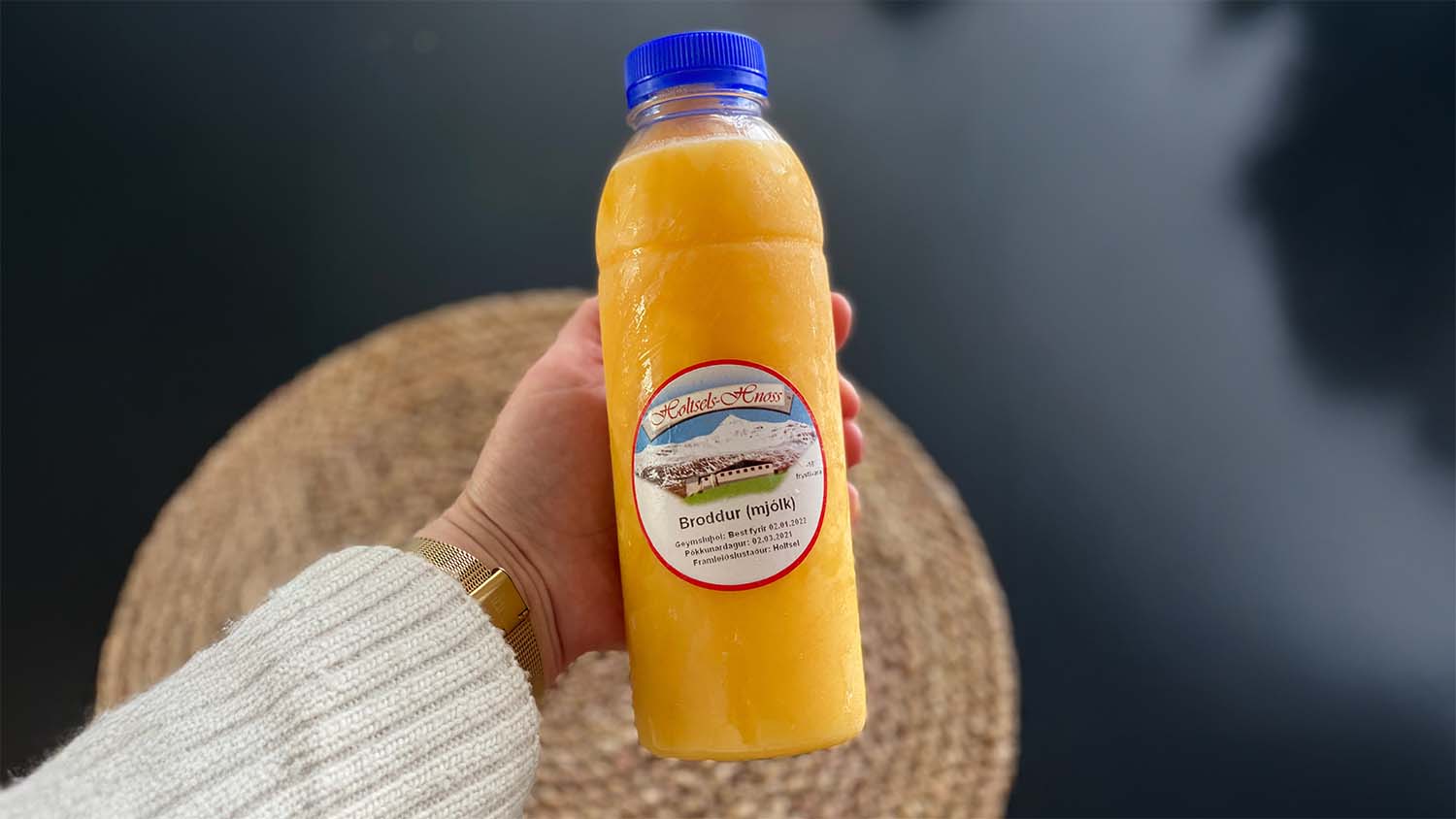
Frozen broddur from Holtsel, a family dairy farm in Eyjafjörður. The label carries what Icelandic law requires on raw colostrum: a packing date (2 March 2021), a best-before date (2 January 2022), the place of production and a -18 frozen-goods mark.
Raw Milk in Iceland: Broddur, Ábrystir and the Colostrum Exception
One raw dairy food is sold legally in Iceland: broddur, the colostrum a cow gives in the first days after calving. Farms sell it frozen, in bottles marked with the farm’s name and packing date, and it is usually cooked at home into ábrystir, a traditional set pudding.
Drinking milk, cheese, skyr and butter are all pasteurised in Iceland. Colostrum is the exception because the law says so by name: the regulation that requires pasteurisation for milk sold to consumers carves out unpasteurised colostrum, as long as it is packed, frozen and sold with a certificate from the Icelandic Food and Veterinary Authority (MAST).
Iceland raw milk at a glance
| Question | Answer |
|---|---|
| Is raw milk legal in Iceland? | Raw colostrum is. Raw drinking milk is not sold to consumers: article 7a of Regulation 104/2010 requires consumer milk to be pasteurised. |
| What is broddur? | Colostrum (broddmjólk): under Regulation 851/2012, milk from the first four days after a cow calves, which sets when heated. |
| How is broddur sold? | Frozen at -18°C or colder in new single-use packs, with a MAST certificate for the batch kept wherever it is sold. |
| What does the label show? | The packing date, a best-before date, the producer’s name and where it was produced. |
| How much does it cost? | Holtsel, a dairy farm near Akureyri, sells 500 ml for 750 kr and 1 litre for 1,300 kr in its web shop. |
| What is ábrystir? | Diluted colostrum heated until it sets into a pudding, with no rennet, eggs or other thickener. |
| Is Icelandic cheese made from raw milk? | No. Article 7a requires dairy products to be made from pasteurised milk, so Icelandic cheese, skyr and butter are pasteurised. |
| Can travellers bring raw milk cheese into Iceland? | Food containing animal products from EEA countries may be brought in for personal use, in luggage or by post, according to MAST. |
Iceland’s raw milk rules over time
| Date | Event |
|---|---|
| 1933 | Pasteurisation of milk becomes law in Iceland, first and foremost against tuberculosis |
| August 28, 2009 | MAST’s guide to farm sales states that unpasteurised milk may not be sold, except colostrum under set conditions |
| 2010 | Regulation 104/2010 brings the EU hygiene rules for food of animal origin (Regulation 853/2004) into Icelandic law |
| October 18, 2012 | Regulation 850/2012 adds article 7a: consumer milk is pasteurised, and unpasteurised colostrum may be sold |
| 2015 to 2016 | The agriculture minister tells the Althingi that rules for Danish-style farm sales of raw milk “could well be considered” |
| September 14, 2016 | The EFTA Surveillance Authority holds that Iceland’s conditions on imported eggs and dairy breach the EEA Agreement |
| 2026 | Article 7a stands unchanged through 21 later amendments to Regulation 104/2010, the latest Regulation 1010/2026 |
Broddur, Icelandic colostrum
Broddur is colostrum, the thick first milk a cow produces after giving birth. Iceland’s Regulation 851/2012 on dairy products defines it in its first annex in two short sentences:
Broddmjólk er mjólk sem fengin er við mjaltir fyrstu 4 dagana eftir burð. Hún hleypur við upphitun.
In English: colostrum is milk taken at milkings during the four days after calving, and it curdles when heated. Because it sets on its own, ábrystir needs no rennet or eggs.
Frozen broddur is a deep yellow. Iceland’s national food composition tables, published by the food research institute Matís, compare it with whole milk:
| Per 100 g | Ábrystir and diluted colostrum | Whole milk (nýmjólk) |
|---|---|---|
| Energy | 80 kcal | 68 kcal |
| Protein | 10.0 g | 3.4 g |
| Fat | 3.2 g | 4.0 g |
| Carbohydrate | 2.7 g | 4.7 g |
Matís gives ábrystir and diluted colostrum (broddmjólk, þynnt) identical figures, which fits how the pudding is made: diluted colostrum set by heat, with nothing added. Even diluted, it has about three times the protein of whole milk.
Is raw milk legal in Iceland?
Raw colostrum is legal to sell; raw drinking milk is not sold to consumers. As a member of the European Economic Area, Iceland takes over the EU’s hygiene rules for food of animal origin through Regulation 104/2010. Article 7a of that regulation, inserted by Regulation 850/2012 on October 18, 2012, opens with the general rule:
Mjólk sem dreift er til neytenda, skal vera gerilsneydd og pakkað í neytendaumbúðir. Mjólkurvörur skulu unnar úr gerilsneyddri mjólk.
Any milk distributed to consumers has to be pasteurised and sold in consumer packs, and every dairy product has to start from pasteurised milk. The second paragraph opens with “Þrátt fyrir ákvæði 1. mgr. er heimilt að dreifa ógerilsneyddri broddmjólk”: despite the first paragraph, unpasteurised colostrum may be distributed. Four conditions apply:
- A MAST certificate. Every consignment travels with a MAST certificate, and the seller keeps it on hand.
- New packaging. The colostrum goes into new, single-use packs made to keep it from spoiling.
- Frozen throughout. Packs are frozen as soon as they are filled and stay at -18°C or below until a customer buys them.
- A full label. Each pack gives the packing date, a best-before date, the producer and the place of production, on top of the general food labelling rules.
MAST summed it up in one line in its 2009 guide to selling food from the farm, Matvæli beint frá býli: “Sala á ógerilsneyddri mjólk (nema broddmjólk að uppfylltum ákveðnum skilyrðum) er bönnuð.” The sale of unpasteurised milk, colostrum meeting certain conditions excepted, is not allowed.
Why colostrum is treated differently
The government has explained the reasoning. In the 2015 to 2016 session, Jóhanna María Sigmundsdóttir, a member of the Althingi, asked in writing why colostrum could be sold directly when raw milk could not. The answer from the Minister of Fisheries and Agriculture, Sigurður Ingi Jóhannsson (Althingi document 346), was:
Broddur er nánast aldrei framreiddur nema búið sé að hita hann upp undir suðumark og þar með hefur hann hlotið þá gerilsneyðingu sem til þarf.
Broddur is almost never served without first being heated to near boiling point, so it has had all the pasteurisation it needs by the time it is eaten. The minister added that it is usually sold frozen, in the same sealed packs it was frozen in.
How broddur is sold and labelled
The rule refers to consignments and to the place of sale, so colostrum can reach buyers in two ways: from the farm that produced it, or from a shop holding the MAST certificate for that batch. A farm selling food straight to the public also needs an operating licence, from MAST when livestock is the farm’s main business and from the local health authority otherwise, according to MAST.
Holtsel’s bottles show what a compliant label looks like in practice. It reads “Broddur (mjólk)”, gives the best-before date (Geymsluþol: Best fyrir), the packing date (Pökkunardagur) and the place of production (Framleiðslustaður: Holtsel), and carries a -18 frozen-goods mark. On the bottle pictured above, packed on March 2, 2021, the best-before date is January 2, 2022, about ten months later.
Supply follows the calving season. Colostrum by definition comes only from the first four days after each calving, so broddur comes and goes through the year.
Ábrystir, the colostrum pudding
Broddur is usually eaten as ábrystir: the colostrum is diluted, then heated until it sets into a soft pudding.
The dish has become less common. Writing in the farmers’ newspaper Bændablaðið in August 2017, about a grant from the dairy cooperative Auðhumla to develop a new colostrum product, Birna G. Ásbjörnsdóttir said broddur is more often “soðinn og framreiddur sem einskonar grautur og nefnist þá ábrystir” (cooked and served as a kind of porridge, which is then called ábrystir), and that “broddur er einstök afurð sem vart er nýtt á Íslandi í dag og ábrystir er afurð sem er hverfandi”: broddur is a unique product barely used in Iceland today, and ábrystir is a fading one.
Where to buy broddur in Iceland
Holtsel sells frozen broddur through its web shop: 500 ml bottles for 750 kr and 1 litre bottles for 1,300 kr, shipped with Eimskip and free on orders of 30,000 kr or more. The farm lies in Eyjafjörður, 17 km from Akureyri, and is run by young farmers who are the family’s fourth generation there, with 60 cows in milk, as many young stock, a free-stall barn and a milking robot. Both sizes were sold out in November 2026, as supply depends on calvings, so check the shop or contact the farm. Holtsel has made its own ice cream since 2006 and sells it, with the farm’s beef and goods from other small producers, at Holtsels Hnoss, its ice cream shop, which is open in summer. See the Holtsel listing for directions.
Any dairy farm can sell frozen broddur under the same rules. Farms selling it are listed at raw milk in Iceland.
Why the rest of Icelandic dairy is pasteurised
The minister’s answer traces the rule back to 1933, when pasteurisation became law in Iceland “fyrst og fremst til að hindra að berklar og síðar salmonellusýkingar gætu borist með hrámjólk til neytenda”: first and foremost to stop tuberculosis, and later salmonella, from reaching consumers through raw milk.
The same answer looked at Denmark, where farms sell raw milk directly to consumers under stricter herd and sampling rules, up to 70 litres a week per farm. The minister said the Danish rules could be applied in Iceland, though farms would bear the cost of their own testing and probably higher inspection fees, and on the question of allowing direct sales concluded: “Vel kæmi til greina að setja reglur til að heimila slíkt ef óskir þess efnis kæmu fram.” Rules allowing it could well be considered, if there were requests for them. No such rules have followed, and article 7a has not changed since 2012.
Raw milk cheese and travellers
Because article 7a reaches every dairy product, Icelandic dairies make their cheese, skyr and butter from pasteurised milk. The EFTA Surveillance Authority, which oversees how Iceland applies EEA law, issued a reasoned opinion on September 14, 2016 holding that Iceland’s conditions on imported eggs and dairy breach the EEA Agreement. Its reasoning: Regulation 853/2004 allows an EEA state to restrict raw milk and raw cream for direct consumption, but not the products made from them. MAST’s English guidance on importing food still states that “the distribution of unpasteurised milk and milk products is prohibited in Iceland.”
Food brought in for personal use is treated differently. The same MAST page allows food containing animal products from EEA countries for personal consumption, whether carried in luggage or sent by post. From outside the EEA, meat and dairy products are not allowed for personal use, except up to 10 kg from the Faroe Islands and Greenland.
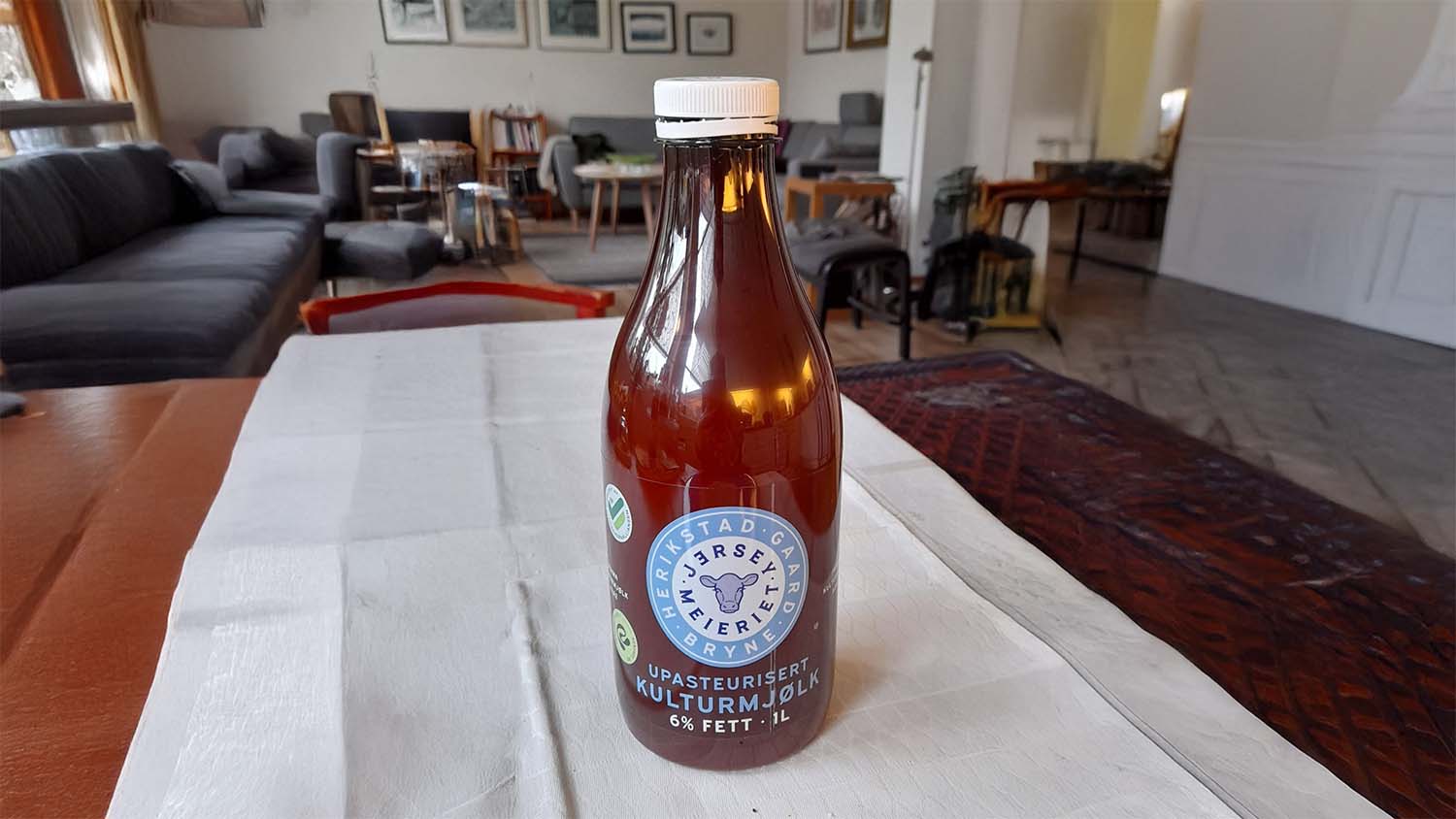
Norway applies the same EU hygiene rules through the EEA Agreement yet sells raw milk cheese, cultured milk and butter through ordinary retail; see Raw Milk in Norway: Upasteurisert Kulturmelk, Rømme and the Law.
The full legal picture for Iceland, with links to each regulation, is on the Iceland raw milk laws page. Other countries are on the raw milk laws map.