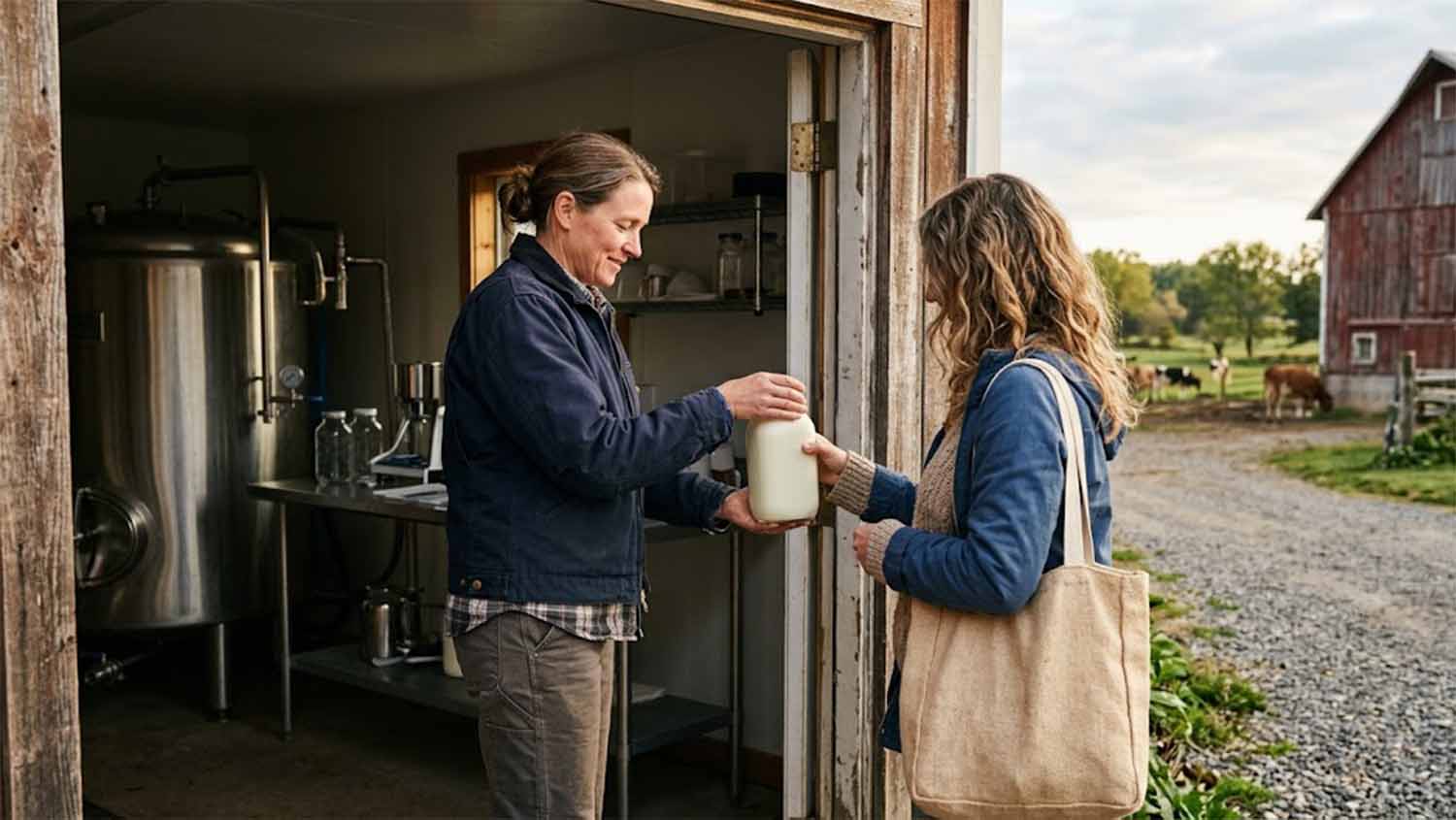
Selling direct, a raw milk farmer keeps the full price of every gallon.
How Much Can a Farm Make Selling Raw Milk?
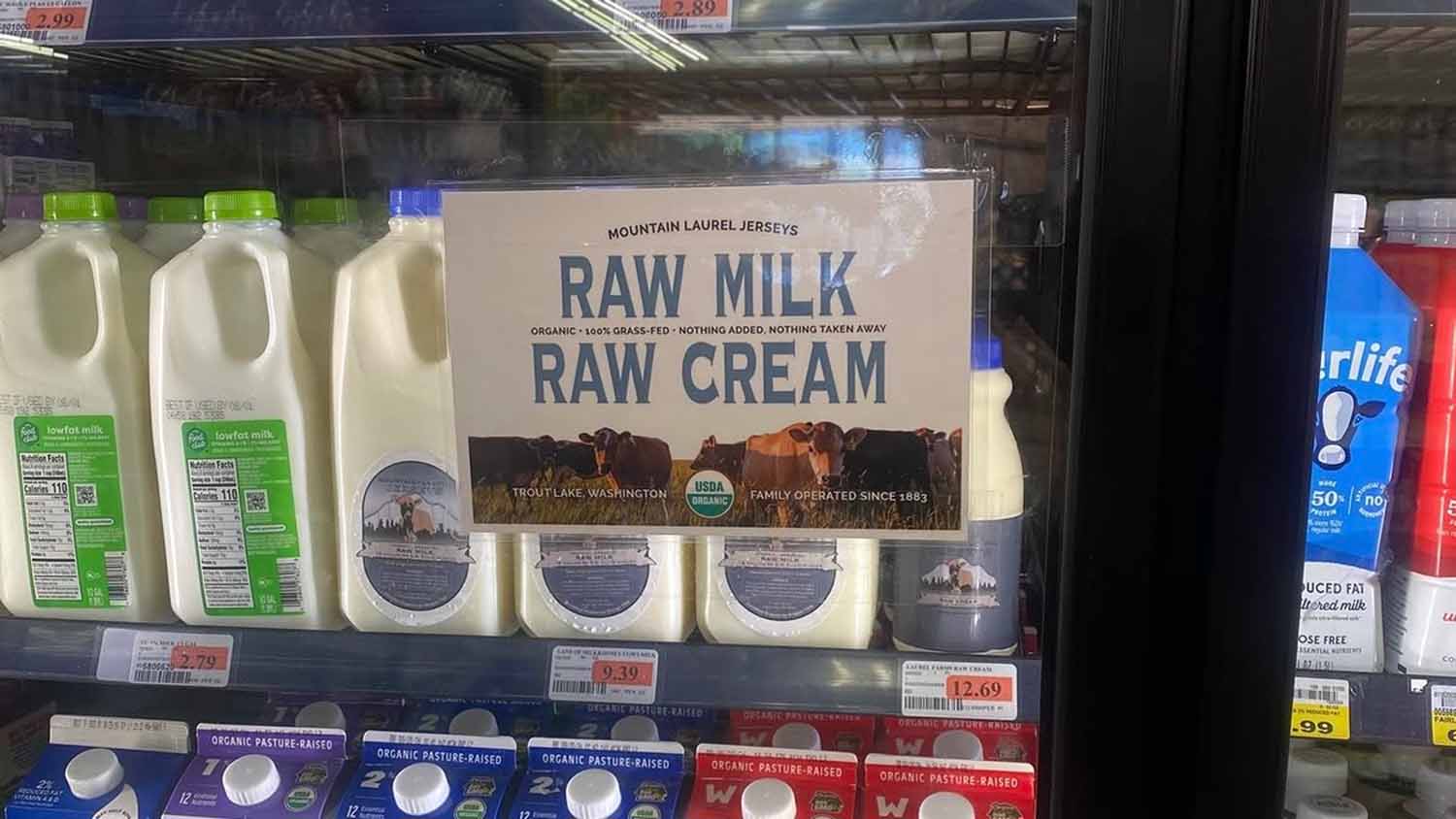
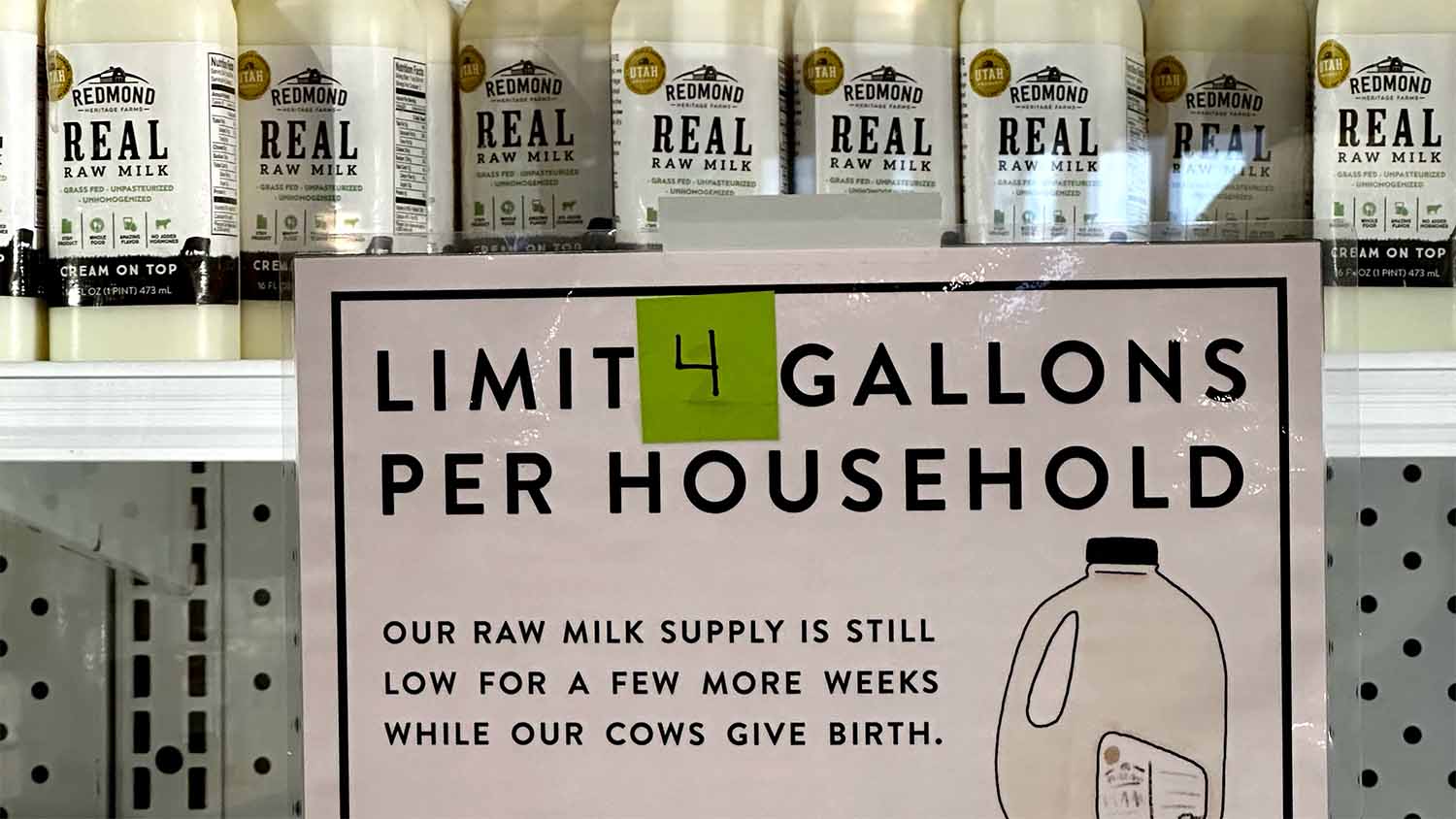
A dairy farmer selling milk into the conventional system received $1.97 per gallon of whole milk sold in grocery stores in 2024, according to USDA. Raw milk sold directly to customers commonly brings $6 to $20 a gallon, three to ten times the conventional price for the same gallon, and the farmer keeps all of it.
How much a farm actually makes depends less on that price than on how many gallons it can sell. State law decides where and how raw milk can be sold, and the number of customers within driving distance decides the rest. The most detailed public survey of raw milk producers, from Vermont, found that most sellers ran it as a side business: the median seller grossed $1,500 a year from raw milk, while the largest grossed $90,000.
Raw milk vs. commodity milk: what the farmer gets per gallon
| Way of selling | What the farmer receives per gallon | Source |
|---|---|---|
| Conventional milk shipped to a processor | $1.97 (2024) | USDA Economic Research Service |
| Conventional milk, 2025 all-milk price | About $1.84 ($21.35 per 100 pounds) | Purdue Center for Commercial Agriculture |
| Raw milk sold direct, reader-reported prices | $6 to $20 in most markets (2024) | Why Is Raw Milk So Expensive? |
| Raw cow milk, Vermont producers | $4 to $10, average $7 (2013) | Rural Vermont survey |
| Herdshare boarding fee, including one gallon a week | $10 to $11.25 a week (2018) | C-VILLE Weekly |
Over the past decade the conventional farm price ranged from $1.51 to $2.27 a gallon, and it has stayed between 47 and 56 percent of the grocery store price, according to the same USDA analysis. A raw milk farmer selling direct keeps the whole retail price, because the farm is also the processor and the store.
Why small dairies lose money on commodity milk
The conventional price works for large herds and fails small ones. In 2021, USDA estimated that herds of fewer than 50 cows spent $42.70 to produce 100 pounds of milk, while herds of 2,000 or more spent $19.14. That works out to about $3.67 a gallon for the small herd and $1.65 for the large one. The estimates include feed, vet care, buildings, equipment, labor and land, some of it counted as opportunity cost rather than cash spent.
At $1.97 a gallon, a small herd loses money on every gallon it ships. Established commercial dairies can lose money too: Illinois dairies in a University of Illinois study received $21.63 per 100 pounds in 2024 against total costs of $23.56. The country had 70,375 licensed dairy herds in 2003, according to the American Farm Bureau Federation, and 23,609 in 2025, even as total milk production kept rising.
Selling direct pays far more for the same milk. At $10 a gallon, 100 pounds of milk (about 11.6 gallons) brings in about $116, against $21.35 on the commodity market in 2025. That gap is why direct sales can keep a small herd in business when commodity milk cannot.
How much raw milk sellers earn
The most detailed public numbers come from Rural Vermont’s 2013 to 2014 producer survey, submitted to the Vermont legislature. Of the 76 farms that reported sales:
- Herd size: the median cow dairy milked 3.5 cows, and the average was 17.
- Volume: the median farm sold 240 gallons in a year, and the largest sold up to 9,000.
- Income: median gross raw milk sales were $1,500 a year and the average was $5,471, with a range from $10 to $90,000. Cow dairies averaged $6,718.
- Share of farm income: raw milk was a median 5 percent of total farm sales, and as much as 100 percent.
- Customers: the median cow dairy sold to 14 customers, and the average was 33.
- Other buyers: 27.6 percent also shipped milk to a co-op, cheesemaker or other bulk buyer.
Vermont’s law at the time capped how much a farm could sell, and producers asked the legislature to lift the limits, so the survey shows what a restricted market produced, not a ceiling. Prices have also risen since then: the $7 average in Vermont compares with $6 to $20 in reader-reported prices from 2024, and raw milk advocates, including the leaders of the Raw Milk Institute, now put the farmer’s price at $10 to $20 a gallon without publishing the data behind it. The pattern still holds: the price per gallon is high, but most sellers had only a handful of cows and customers.
A larger herdshare shows the other end. In 2018, Sweet Land Farm in Franklin County, Virginia, had 17 cows and about 300 herdshare members, each paying a $55 buy-in and $11.25 a week for boarding that includes a gallon of milk. If every member held one share all year, that comes to about $3,375 a week, or roughly $175,000 a year, before extra gallons. The same 15,600 gallons shipped at the 2024 commodity price would bring about $31,000. Owner Robby Lisenby told the paper that after eight years, “we’re finally not at the point where we’re struggling every day.”
Where farms can legally sell raw milk, by state
Raw milk is regulated state by state, and the legal sales channel shapes the business more than the price does. Each channel has its own economics:
- Retail stores. Store sales reach the most customers, but the store takes a margin, and retail permits can carry conventional dairy standards: California and Washington hold retail raw milk to Grade A requirements.
- Direct sales off the farm. Delivery and farmers market sales keep the full retail price and reach customers who won’t drive to the farm.
- On-farm sales only. The farm keeps the full price, but every customer has to come to the farm. Location matters: one Vermont farmer who stopped selling said the farm was “too far off the beaten path for customers to travel.”
- Herdshares. Customers buy a share of the animals and pay a boarding fee instead of buying milk. Income is steady and paid in advance, but the farm manages contracts and member records. Tennessee, for example, requires a written contract with each member and member records kept for three years after a contract ends.
- Pet milk. In a few states, the only legal route is milk sold and labeled for animal consumption.
The table groups states by the broadest channel their law allows. Many states allow more than one channel, and herdshares often operate alongside licensed sales.
| Broadest legal channel | States |
|---|---|
| Retail stores | Alaska, Arizona, Arkansas, California, Connecticut, Idaho, New Hampshire, New Mexico, Pennsylvania, South Carolina, Utah, Washington, Wyoming |
| Direct sales off the farm (delivery or farmers markets) | Iowa, Maine, Missouri, Montana, North Dakota, South Dakota, Texas, Vermont, West Virginia |
| On-farm sales | Delaware, Georgia, Illinois, Kansas, Louisiana, Massachusetts, Minnesota, Nebraska, New York, Oklahoma, Wisconsin (incidental sales) |
| Narrow on-farm exceptions | Kentucky (goat milk, with a physician’s recommendation), Nevada (counties with a milk commission), Oregon (cow herds of two or fewer; goat and sheep milk more widely) |
| Herdshares | Colorado, Indiana, Michigan, Ohio, Tennessee, Virginia |
| Pet milk | Florida, Maryland |
| No legal sales channel | Alabama, Hawaii, Mississippi, New Jersey, North Carolina, Rhode Island, District of Columbia |
Volume caps, herd size limits, permits and testing rules differ within each group, and laws change often. Several states opened sales in just the past few years, as the raw milk law timeline shows. Each state’s page has the current details.
What it costs to sell raw milk
A conventional dairy’s milk leaves in a tanker. A raw milk farm takes on jobs that a processor, a trucking company and a grocery store split between them for conventional milk, and pays for them out of the higher price:
- Testing. In Pennsylvania, for example, a raw milk permit is free, but the farm pays for testing. The state requires testing twice a month for bacteria, coliforms, somatic cells and growth inhibitors such as antibiotic residues, and every six months for pathogens. A new permit requires three passing samples taken at least seven days apart.
- Herd health and standards. Vermont producers in the survey asked the state for affordable tuberculosis and brucellosis testing rules. Voluntary programs add their own requirements: the Raw Milk Institute’s common standards ask for herds documented free of both diseases, coliforms below 10 per milliliter and bacteria counts below 5,000, coliform testing at least monthly, and a written risk management plan. Farms that meet them can be RAWMI-listed.
- Bottling and cold storage. Containers, labels, a clean bottling space, and refrigeration from the tank to the customer.
- Insurance. Only 44.7 percent of Vermont sellers in the survey carried insurance covering raw milk, and those who answered a follow-up question mostly described it as simply a cost of doing business.
- Time with customers. Direct sales mean answering questions, scheduling pickups and, for herdshares, keeping member records.
Shipping contracts can also get in the way. One Vermont farmer in the survey stopped selling raw milk because the farm’s co-op, Organic Valley, did not allow it, and Agri-Mark, the dairy processor behind Cabot cheese, told a Massachusetts farm to stop direct sales or leave. A farm that plans to ship part of its milk and sell the rest raw should check its contract first.
Before selling raw milk
Before buying equipment or animals, a farm can check its state’s channel and testing rules on the raw milk laws map, estimate how many households nearby already buy raw milk, and price against local farms rather than national averages. Prices vary widely by region, as the reader-reported prices in Why Is Raw Milk So Expensive? show, from $6 a gallon in parts of Michigan and Pennsylvania to $18 to $20 in Southern California.
Farms already selling raw milk can submit a listing so nearby customers can find them, and customers can search for raw milk farms by location.