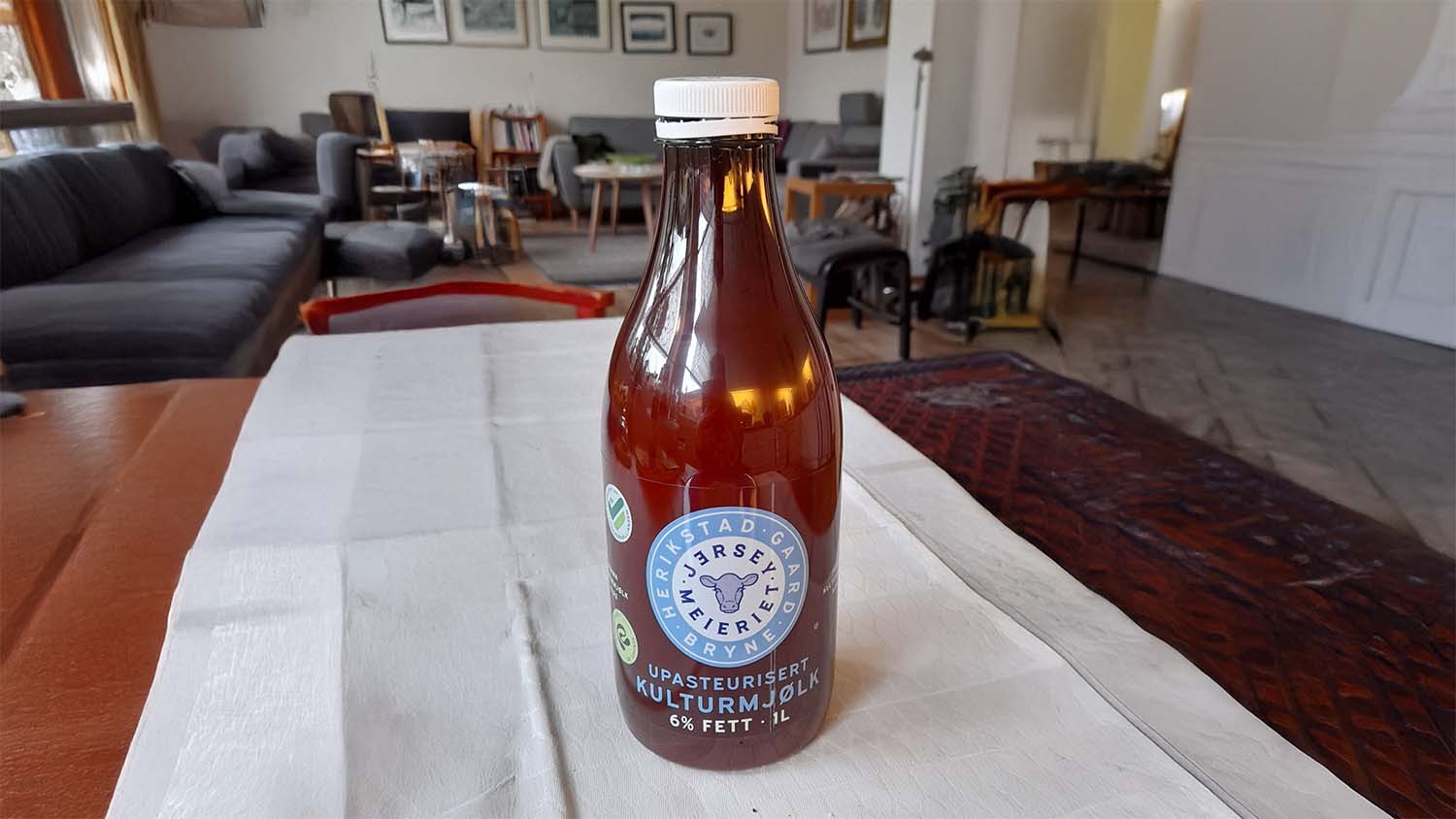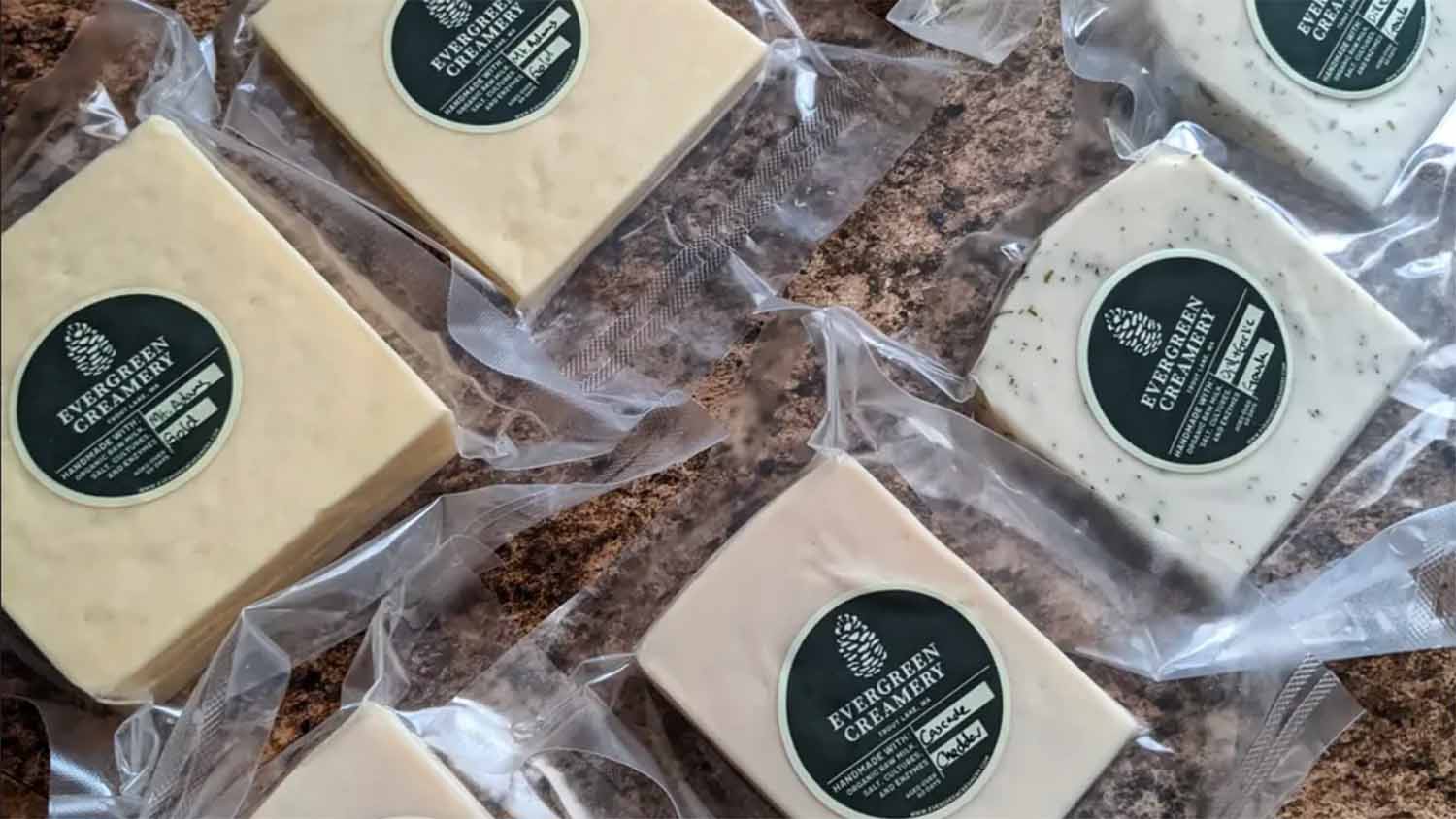
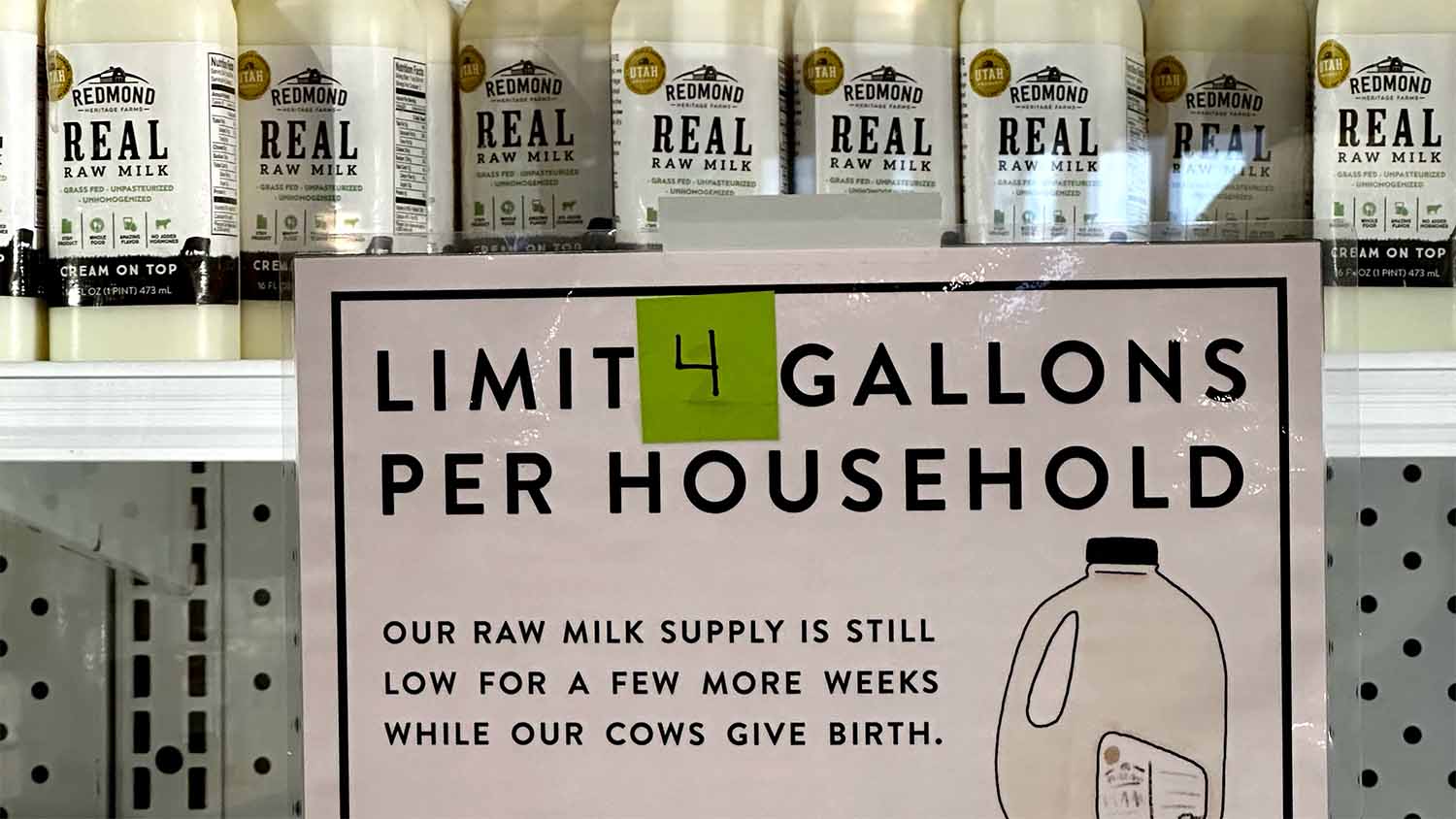
Clear labeling and honest communication about supply, like this sign explaining a seasonal shortage, are the kind of small signals worth noticing.
How to Choose a Raw Milk Source: Retail, Farm-Direct, and Herdshares
How much personal vetting makes sense depends heavily on where you’re buying and how that access is structured. A jug of raw milk on a licensed retail shelf has already passed through a real regulatory system before you ever picked it up. A herdshare arrangement or an informal farm-direct purchase in a state with looser rules is a different situation, and that’s where the personal questions covered later in this guide actually earn their keep. Treating every purchase like it demands a farm visit and an interrogation isn’t necessary, and it isn’t what the underlying risk data supports either.
What Licensed Retail Sale Already Does For You
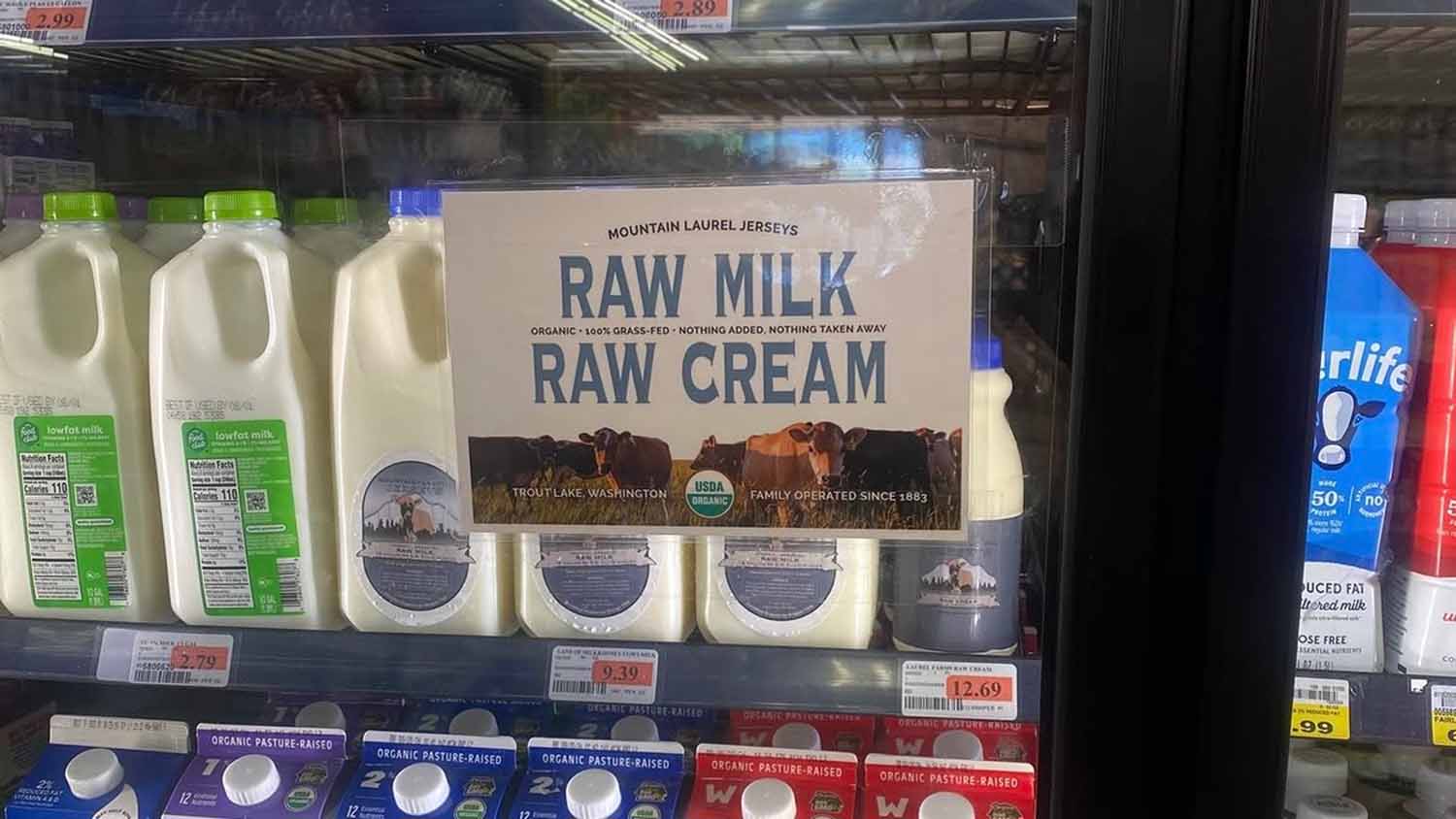
In states where raw milk is sold through licensed retail channels, real infrastructure is already doing meaningful work before the product reaches a shelf. Licensed dairies operate under state testing and sanitation requirements as a baseline, not an optional extra. California’s framework is a useful, well-documented example: licensed raw milk producers there must meet the same bacteria count standard applied to pasteurized milk, no more than 15,000 bacteria per milliliter and no more than 10 coliform bacteria per milliliter at the point of delivery, on top of the same sanitary design requirements that apply to Grade-A dairy farms generally.
When something does go wrong, a real recall system exists to catch it, typically running from detection through a voluntary hold on sales, confirmatory lab testing, and a public recall notice if that testing confirms a problem. This system isn’t theoretical; it’s the same structure documented in detail elsewhere on this site, including how outbreak investigations actually unfold and what a recall does and doesn’t indicate about a farm’s underlying practices.
Grabbing a jug of licensed raw milk off a retail shelf in a state where that’s legal is a reasonably low-diligence action. The regulatory floor is already doing real work, and treating every purchase as though it requires the same scrutiny as an unregulated, informal arrangement overstates what’s actually necessary.
Where Personal Diligence Actually Helps
Not every path to raw milk runs through a licensed retail system, and that’s not a lesser way to access it, just a different structure. Herdshares and cowshares are how a large share of raw milk drinkers access it legally, especially in states where retail sale isn’t an option at all. Farm-direct sales and informal arrangements work similarly. What’s actually true is that less of the vetting happens at a regulatory level in these settings, which means a bit more of it reasonably falls to the buyer, not that the arrangement itself is worse. This is the context where the questions below are genuinely useful, and they read more naturally as an ordinary conversation than a formal checklist, most farmers are used to talking about exactly this.
How quickly is milk chilled after milking? Research indicates chilling to 35-40°F within about an hour of milking meaningfully limits how much time bacteria have to multiply before refrigeration slows them down. A farm that can answer this specifically, rather than vaguely, is a good sign.
Is the milk tested, and how often? Regular on-farm bacterial testing before milk leaves the property is common among producers serious about the practice, though it isn’t universal or legally required everywhere. A farm that tests and is willing to share recent results is telling you something useful; a farm that’s never tested at all isn’t necessarily unsafe, but it does mean you’re relying entirely on their general practices rather than any verification.
What does herd health management look like? Basic questions about how animals are monitored for illness, how new animals are introduced to the herd, and general living conditions give a rough sense of overall operation quality.
Is there transparency about past issues? A farm that’s had a contamination event or a recall in the past isn’t automatically a worse choice than one that hasn’t; a documented problem that was identified, addressed, and led to changed practices is a different situation than a farm that either hasn’t been tested enough to know, or has had repeated, unaddressed issues. Outbreak data shows most producers who ever had a contamination issue had exactly one, and the recall and testing systems that exist are specifically built to catch and correct problems, not to permanently disqualify a source over a single resolved incident.
Signals Worth Knowing About
A few specific, checkable signals can help beyond direct questions to the farm itself.
The Raw Milk Institute (RAWMI) lists farms that complete its training and testing program and meet its published standards. RAWMI listing is a genuine, meaningful signal where it applies, but the scale is small: RAWMI currently lists just over 50 farms across the US and Canada combined, a small fraction of the well over 1,300 raw milk sources tracked by directories alone. A farm not being RAWMI-listed doesn’t mean much on its own, since the large majority of raw milk producers generally aren’t listed with any specific third-party program; it’s one positive signal among several, not a pass/fail test.
A few other general signals matter beyond RAWMI specifically: whether a farm publishes or shares testing results, how it handles basic questions (openly and specifically versus vaguely or defensively), and whether visible conditions, where you can actually see them, look clean and well-maintained. None of these are perfect predictors on their own, and a farm can meet every visible signal and still have an issue given how contamination actually happens, but taken together they give a reasonably useful picture.
Evaluating Current Practices, Not Permanent History
The most useful frame for evaluating any specific source is current practice, not a farm’s entire history. A single past incident, especially one that was identified, addressed, and led to genuine changes, describes something that happened at a point in time, not a fixed characteristic of the farm going forward. This mirrors how outbreak and recall systems themselves are designed to work: identify a specific source-level problem, correct it, and resume operation, rather than treating any single incident as a permanent disqualification.
What’s actually worth treating as a meaningful concern is different: a pattern of repeated, unaddressed issues; refusal to answer basic questions about testing or handling; or visibly poor conditions where you can observe them directly. A farm that’s had one identified, corrected problem and can speak clearly about what changed afterward isn’t in the same category as one that either won’t discuss its practices or has a documented pattern of repeat issues.
Where to Look
Search by location or use the interactive world map to find raw milk sources near you, filterable by species and product type. The RAWMI-listed filter narrows results to farms in that specific program, useful as a starting point though not the only reasonable one.
Frequently Asked Questions
Do I need to visit a farm before buying raw milk? Not necessarily. In states with licensed retail sale, the regulatory system is already doing meaningful vetting before the product reaches a shelf. Personal diligence, including questions to a farm directly, matters more in herdshare, informal, or lightly-regulated farm-direct situations where less of that work is happening at a regulatory level.
Is RAWMI listing required for a farm to be trustworthy? No. RAWMI listing is a genuine positive signal, but it currently covers just over 50 farms nationally, a small fraction of all raw milk producers. The large majority of raw milk sources aren’t RAWMI-listed and shouldn’t be assumed unsafe on that basis alone.
Should I avoid a farm that’s had a past recall or contamination issue? Not automatically. A single identified and corrected issue is different from a pattern of repeated, unaddressed problems. What a farm did after an incident, testing more, changing practices, being transparent about it, matters more than whether an incident occurred at all.
What questions should I actually ask a farm? How quickly milk is chilled after milking, whether and how often it’s tested, general herd health practices, and whether the farm is willing to discuss any past issues openly. These matter most in herdshare or informal arrangements; licensed retail sources have already met baseline testing requirements before you buy.
Is it safe to just buy raw milk from a regular store shelf? Where retail sale is legal, yes, in the sense that a real regulatory and testing system already applies before that milk reaches the shelf. A full treatment of raw milk safety data covers the broader risk picture in depth.