Michigan Raw Milk Bills HB 5217-5219 Advance Through House Committees
A package of Michigan bills to establish a licensed farm-direct raw milk framework advances through House committees in 2026.
Read Article →Raw milk is available in Michigan through herdshares recognised by MDARD Policy 1.40. A court ruling also covers raw cream and butter for shareholders.
How many Americans drink raw milk and how many states allow it: raw milk statistics.
Michigan recognises herdshares by published written policy, which puts its shareholders on firmer ground than in states where the arrangement simply goes untested. Shareholders can also receive raw cream and butter, not only fluid milk, following a court ruling that widened what a share entitles you to.
Yes, through herdshare ownership. MDARD Policy 1.40, adopted in 2013, is the operative document. It sets out the framework under which the Michigan Department of Agriculture and Rural Development recognises herdshare agreements: a person holding a written ownership interest in a dairy animal is entitled to receive that animal's milk, and a farm operating on that basis is not treated as selling raw milk for human consumption.
Having an actual published policy matters practically. Farms can point to a document when questioned, shareholders know what a compliant arrangement looks like, and the boundaries are written down rather than inferred. The Michigan Food Law and the Michigan Grade A Milk Law continue to govern conventional commercial dairy, which is a separate track.
Fluid milk, and importantly more than that. A court ruling extended what shareholders may receive to include raw cream and butter, which materially increases the value of holding a share and puts Michigan ahead of several neighbouring states on product range. Many farms also supply yogurt, kefir and soft cheese to shareholders on the same ownership reasoning. Cow shares predominate; goat shares are available and popular in the western and northern Lower Peninsula.
Aged raw milk cheese is legal to buy outright anywhere in the state under the federal 60 day rule, with no share needed.
Herdshare farms operate across the Lower Peninsula, with a strong concentration in the western and northern counties where Michigan's Amish communities maintain traditional dairying, particularly around Clare, Gladwin, Isabella and Montcalm counties. There are also farms in the Thumb and scattered operations in the Upper Peninsula.
Consumer demand is strongest around Grand Rapids, Ann Arbor, Traverse City, Lansing and the Detroit suburbs, and farms in surrounding countryside serve those markets, frequently through drop points rather than requiring every shareholder to drive to the farm. Food cooperatives, buying clubs, farmers market contacts and homesteading networks are the practical routes. Because the policy is public, Michigan farms tend to be more openly findable than in states where advertising is discouraged.
You sign a written agreement conveying an ownership interest in a specific animal or herd, then pay an ongoing boarding fee covering feed, care and milking. Collection is at the farm or at an agreed drop point on a regular schedule. A well-run Michigan operation will show you the policy, give you a clear written contract, and be straightforward about herd size, feeding practice and testing.
Michigan's land border is with Ohio and Indiana, both of which also rely on herdshares, so there is little advantage in crossing south. Wisconsin, reachable across Lake Michigan or through the Upper Peninsula, permits incidental on-farm sales. Federal law at 21 CFR 1240.61 restricts interstate commerce in raw milk, with the FDA stating it has never taken and does not intend to take action against an individual transporting raw milk across a state line purely for personal consumption.
Michigan is closer than most states to adding a licensed farm-direct route. House Bills 5217 to 5219 advanced through House committees in 2026 after testimony from producers and consumers, and would establish a licensed framework alongside the herdshare policy. If enacted, Michigan producers could sell directly rather than relying solely on share agreements, which would open supply to households that find share contracts a barrier. The push follows years of advocacy, including the closure of the Nourish Cooperative after MDARD licensing action against its operating model. For the federal framework, see the United States raw milk laws overview.
Latest developments and news related to raw milk in Michigan
A package of Michigan bills to establish a licensed farm-direct raw milk framework advances through House committees in 2026.
Read Article →Michigan raw milk legalisation bills come before House committee in January 2026, with producers and consumers testifying for a licensed farm-direct framework.
Read Article →Michigan's Nourish Cooperative closes after MDARD pursues licensing actions against the cooperative's operating model, a case cited in the push for a licensed pathway.
Read Article →Official government documents and legal resources for Michigan
MDARD dairy programme information, the department that administers Policy 1.40 recognising herdshare agreements in Michigan alongside the Michigan Food Law and Grade A Milk Law.
View Official Resource →Raw milk law changes in Michigan, newest first. Compare with every other state in the Michigan raw milk law timeline.
Search for raw milk sources near popular locations in Michigan
Mapping raw milk sources by hand since 2018.
Tips keep it free and updated daily.
Enter an amount of $1 or more.
✓ You're supporting a free community resource. This is a tip/donation, not a purchase of milk or products.
Designed and coded from scratch. The same developer builds MVPs, internal business systems, and writes about it.
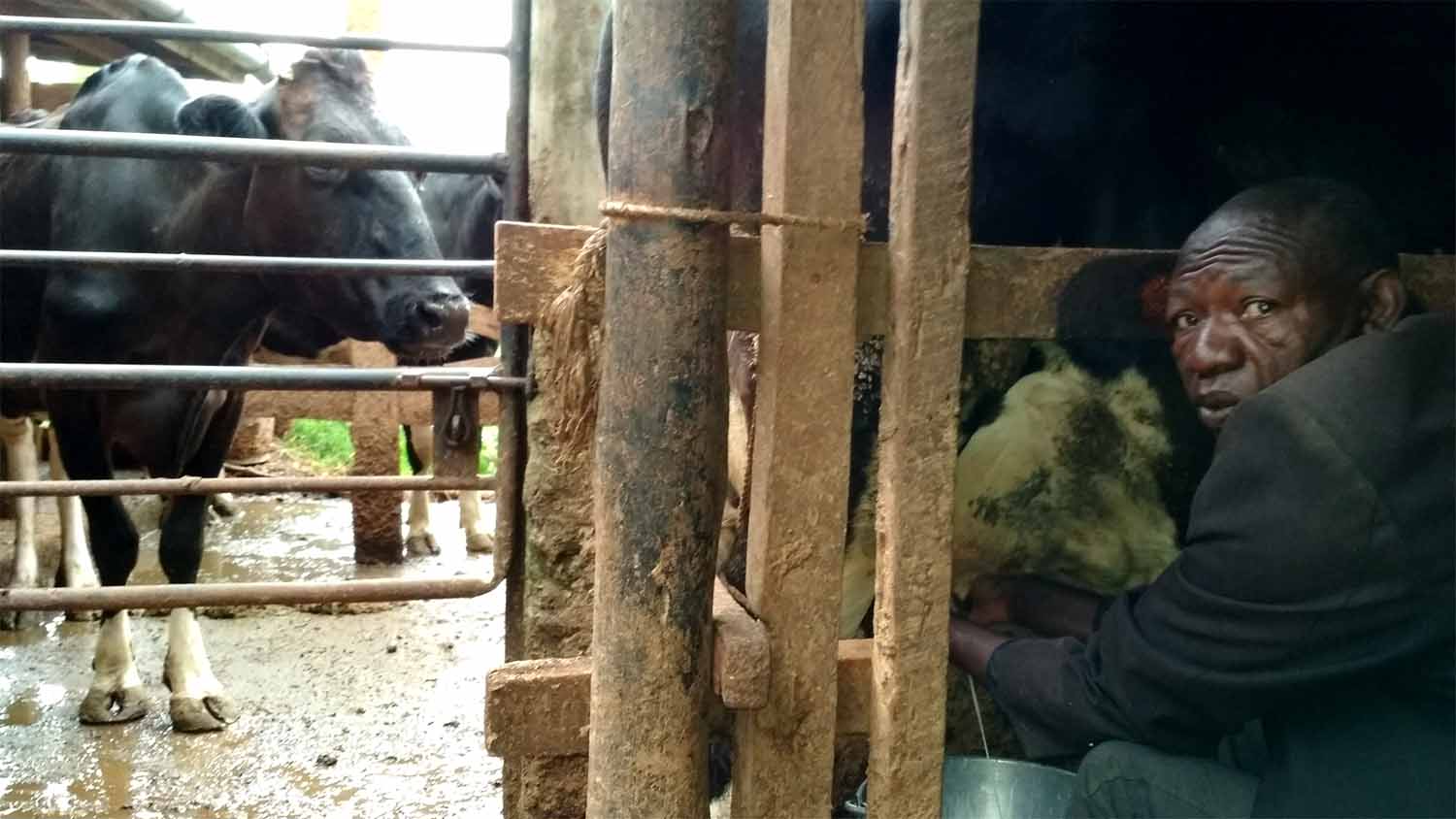
Kenya’s milk shortage deepened through October 2026. Officials now say farmers sell to informal buyers who pay more, as cartel claims spread online.
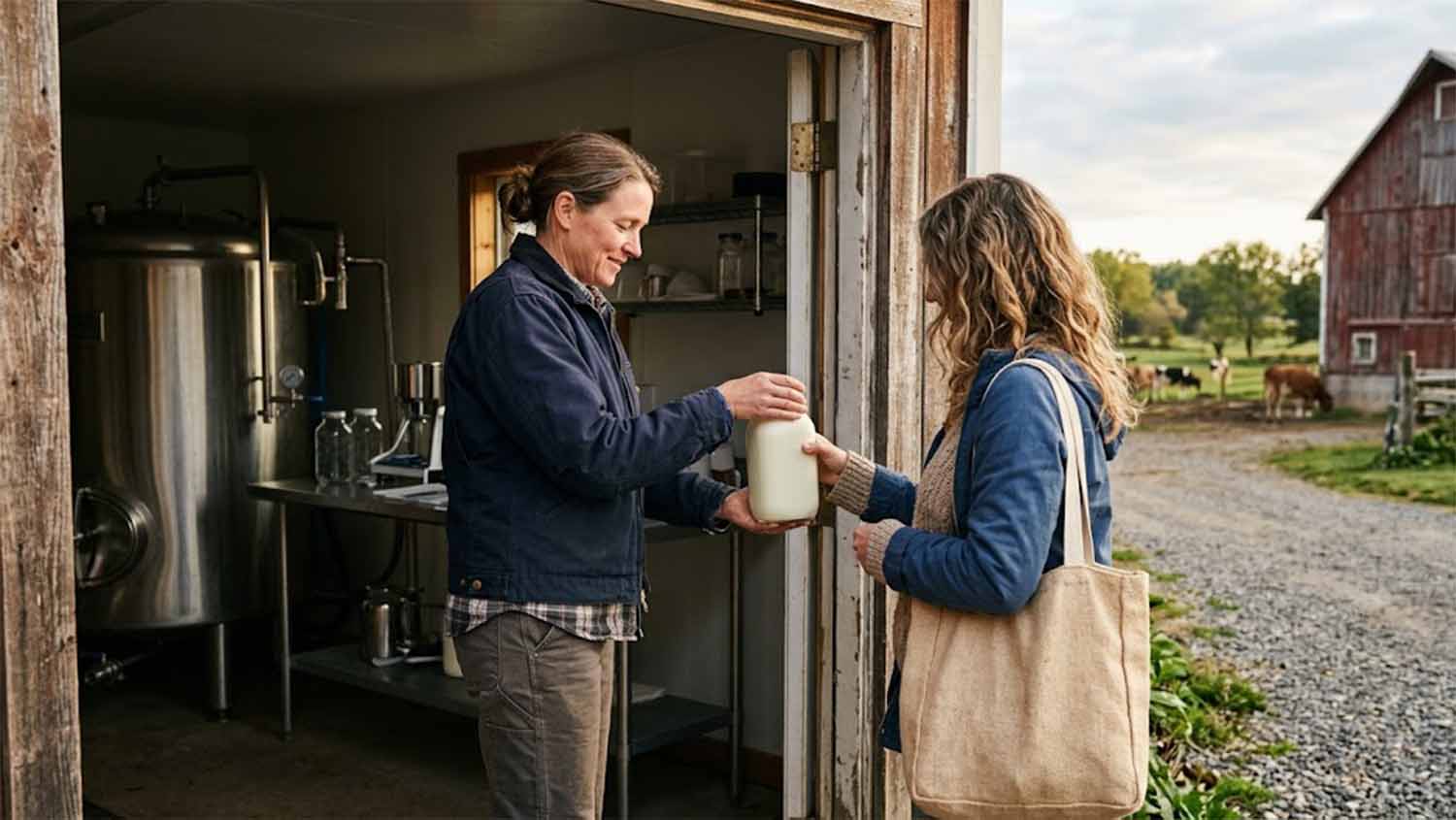
Commodity milk pays dairy farmers about $2 a gallon. Raw milk sold direct brings $6 to $20. What a farm makes depends on state law, customers and costs.
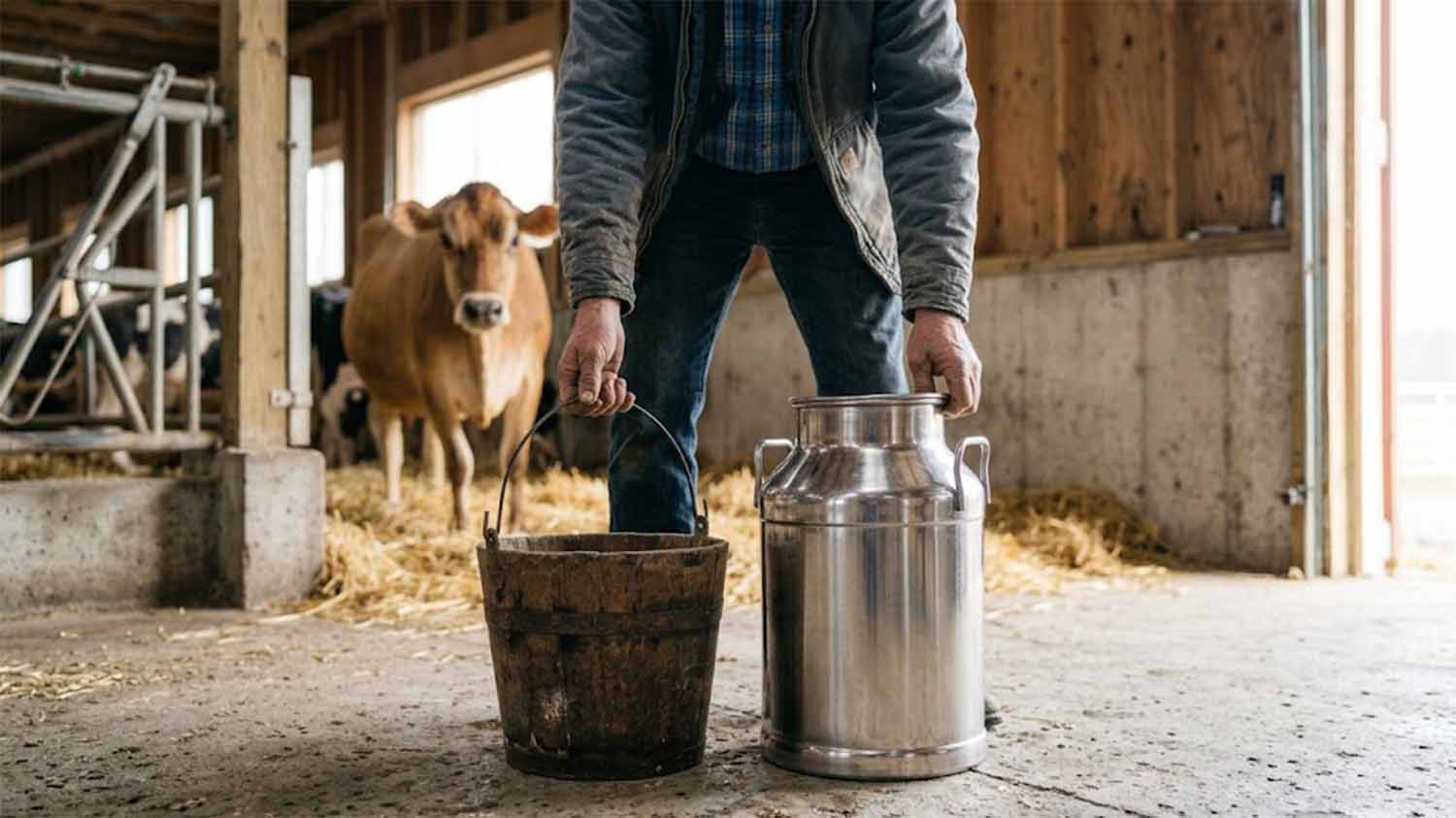
11 million US adults drink raw milk, ten times swill milk era New York. Twenty years of data show the 1850s death toll has not returned. Here’s why.

RFK Jr. could open interstate raw milk sales, fix FDA warnings and ease enforcement. He hasn’t used his position to do so. Here is how each option would work.
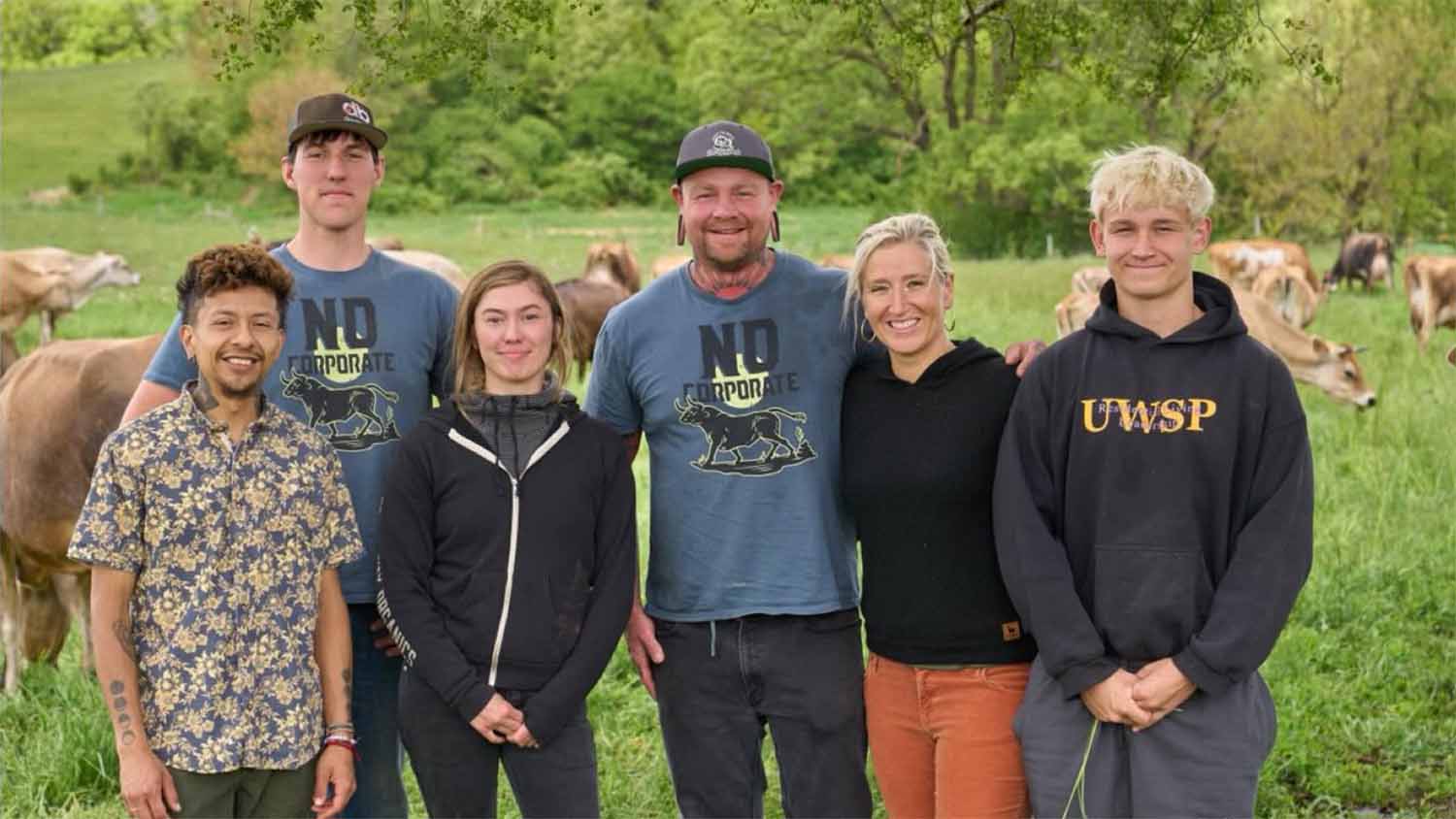
DATCP suspended Grassway Organics’ license and seeks $10,000 plus $50 a day. What the case means for raw milk access in Wisconsin.
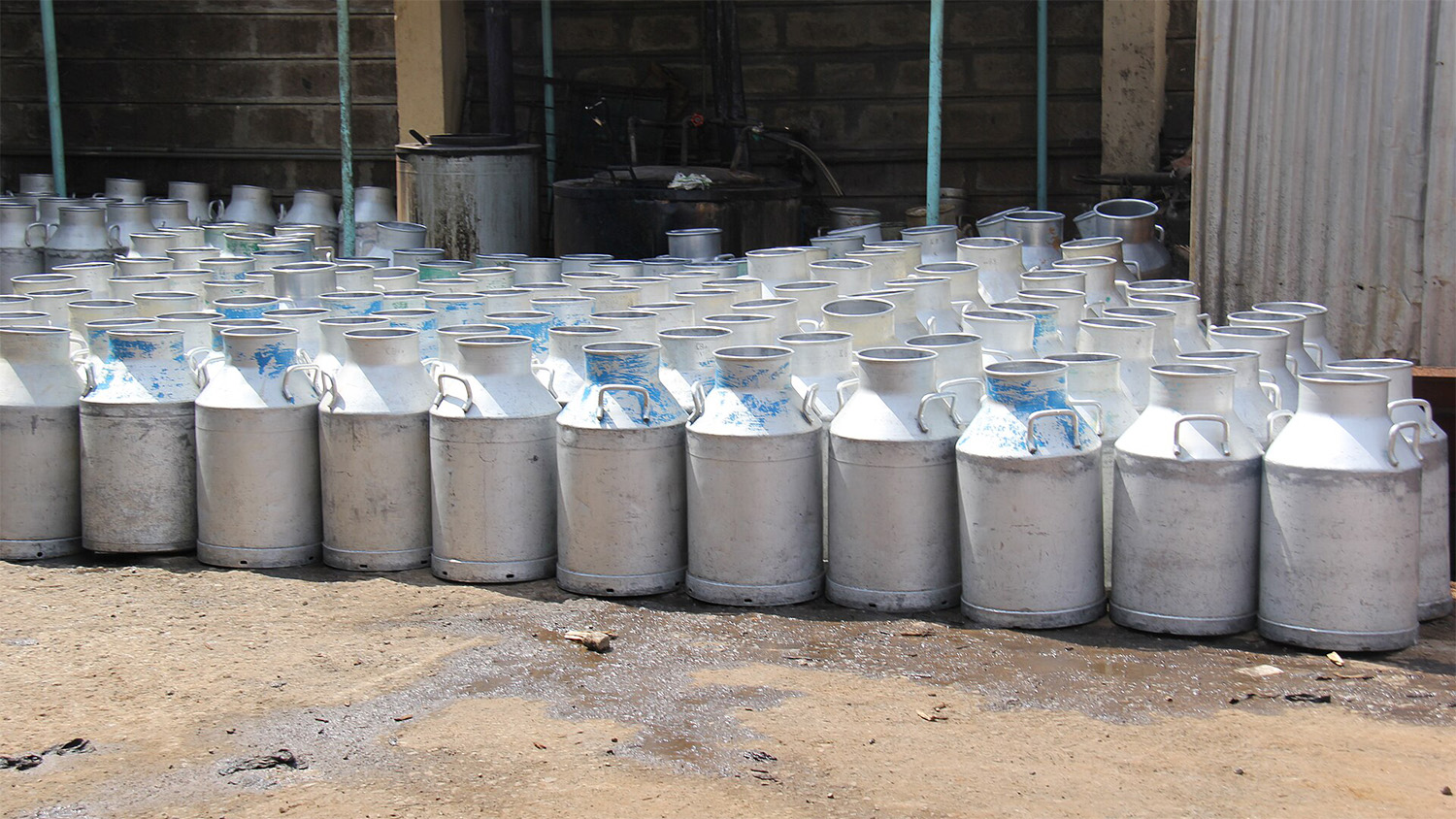
No global count exists. National surveys find 4% to 19% of people drink raw milk in high-income countries, and most milk in developing countries is sold raw.