
Raw Mare Milk Global Map
4 raw mare milk sources worldwide
Search the database to find raw milk
Designed and coded from scratch. The same developer builds MVPs, internal business systems, and writes about it.
Global Raw Mare Milk & Horse Milk Directory
This map displays every raw mare milk listing in the database worldwide. Mare milk (also widely searched as horse milk) is among the rarest dairy products available, produced in very small quantities from small herds of mares on specialty farms across Europe, Central Asia, and beyond. This directory helps connect buyers with the few farms dedicated to this exceptional and historically significant milk.
How to Find Raw Mare Milk Near You
- Search by Location: Enter your city, ZIP code, or country in the search box below
- Browse the Map: Zoom and pan to find mare dairy farms in your region
- Click a Marker: View farm contact details and product availability
- Contact Farms Directly: Mare milk is produced in extremely limited quantities; contact farms well in advance to arrange purchase
Types of Raw Mare Milk Sources
- Specialty Mare Farms: Small-scale farms dedicated to mare dairying, selling fresh milk and sometimes frozen direct to consumers
- Farm Visits: Many mare milk farms require on-farm pickup due to the extremely limited volume produced per day
- Specialty Distributors: A small number of specialty food shops and distributors source and resell fresh mare milk
Why People Seek Out Raw Mare Milk (Horse Milk)
Raw mare milk is one of the rarest dairy experiences available, with a thin consistency and delicate, subtly sweet flavor that makes it unlike any other milk. Mare dairying has deep roots spanning thousands of years, from the Central Asian steppes where koumiss (fermented mare milk) remains a living cultural tradition among Kazakh, Mongolian, and Kyrgyz peoples, to specialty farms in Europe. The few farms producing fresh raw mare milk today are true specialty operations, and finding one near you represents a genuinely rare find in the world of farm-direct dairy.
Don't see your local mare or horse milk farm? Help expand the database by submitting it.
Support GetRawMilk.com
Mapping raw milk sources by hand since 2018.
Tips keep it free and updated daily.
Select a tip amount
Enter an amount of $1 or more.
✓ You're supporting a free community resource. This is a tip/donation, not a purchase of milk or products.
Quick checkout
or use a card
Cancel anytime from the link in any receipt, or at getrawmilk.com/tip/manage.
or
Find raw milk by species
Find other raw milk products
Find farm meat & eggs
Other ways to find raw milk
Swipe right on some shirts

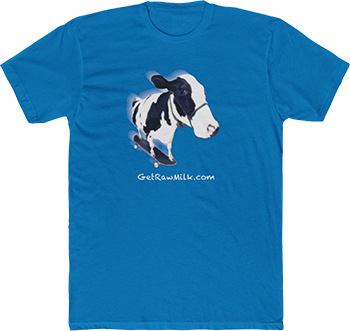
Aurochs Bull Skull Graphic Tee
Contribute
Your support covers hosting, development, and the daily work of keeping listings updated.
-
Submit a new listing +Add a farm to the database
-
SponsorshipsOngoing support with visibility
-
Buy me a milk 🥛Leave a one-time tip
Latest Blog Posts
-
Public Citizen v. Heckler and the 1987 Interstate Raw Milk Ban
Public Citizen v. Heckler (1985, 1986) led to the 1987 federal ban on interstate raw milk sales, 21 CFR 1240.61. Sales within states were left to state law.
-
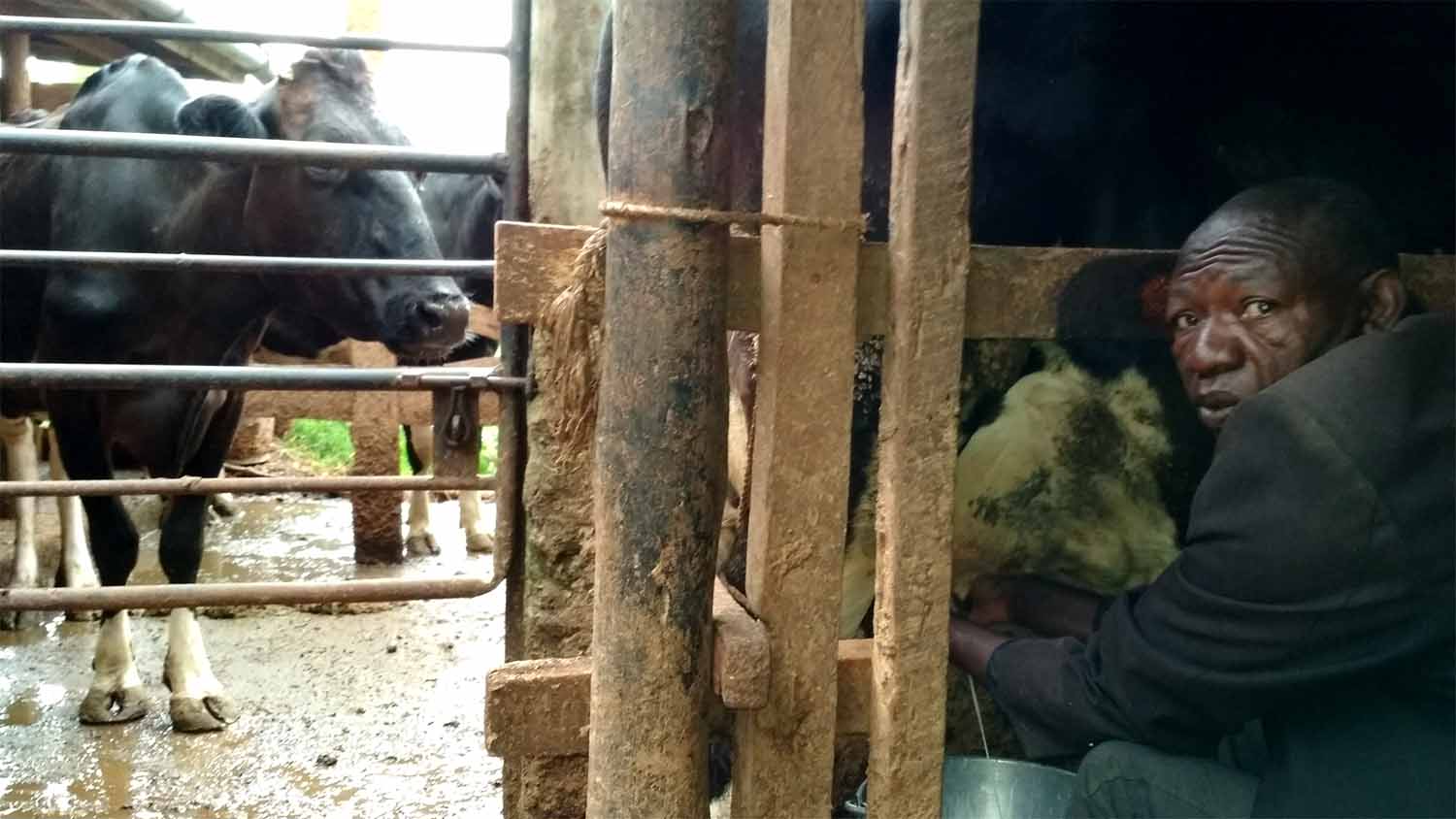
Kenya’s Milk Shortage Deepens as Farmers Bypass Cooperatives
Kenya’s milk shortage deepened through October 2026. Officials now say farmers sell to informal buyers who pay more, as cartel claims spread online.
-
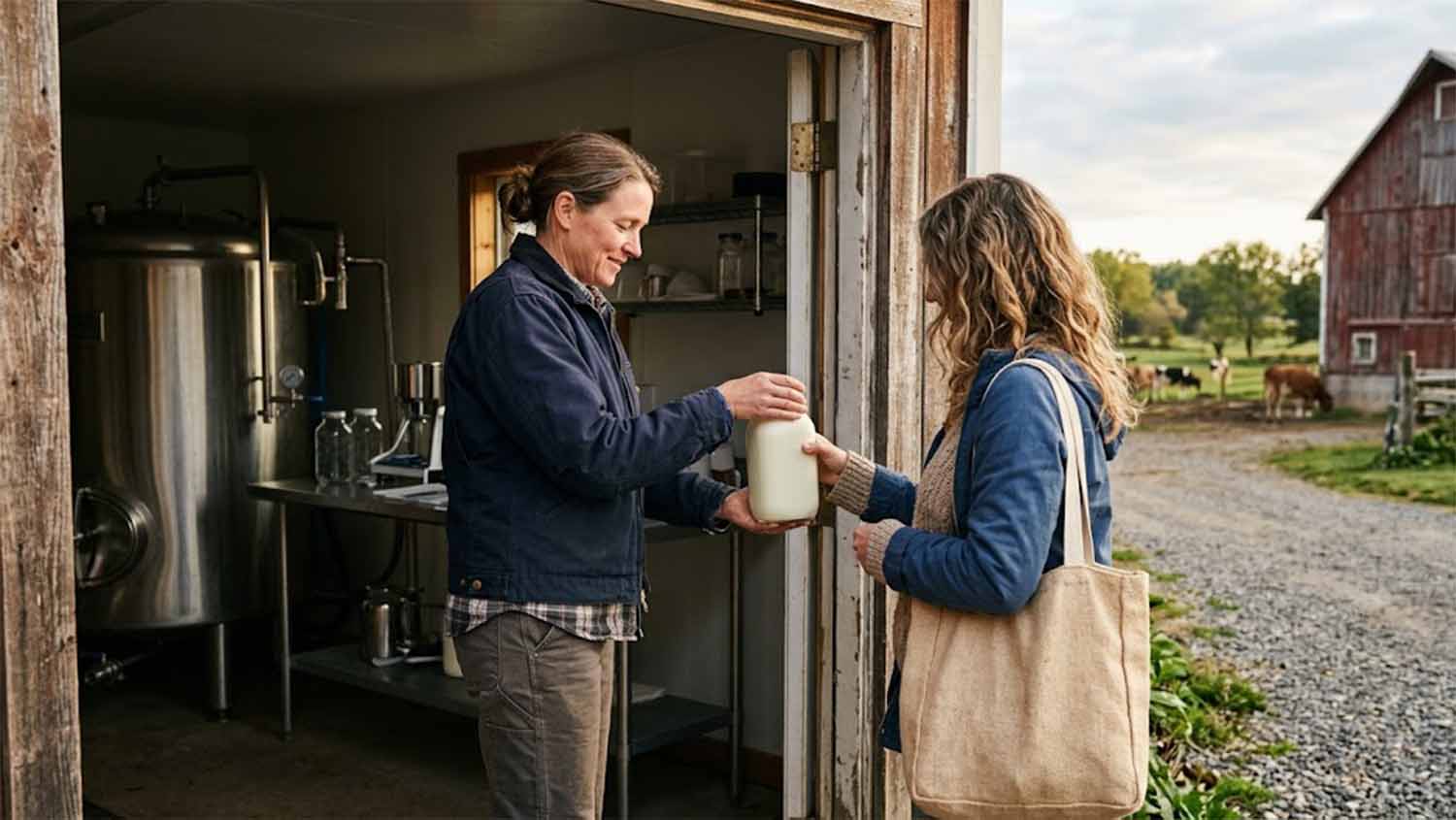
How Much Can a Farm Make Selling Raw Milk?
Commodity milk pays dairy farmers about $2 a gallon. Raw milk sold direct brings $6 to $20. What a farm makes depends on state law, customers and costs.
-
Will More Raw Milk Drinkers Bring Back the Swill Milk Era?
11 million US adults drink raw milk, ten times swill milk era New York. Twenty years of data show the 1850s death toll has not returned. Here’s why.
-
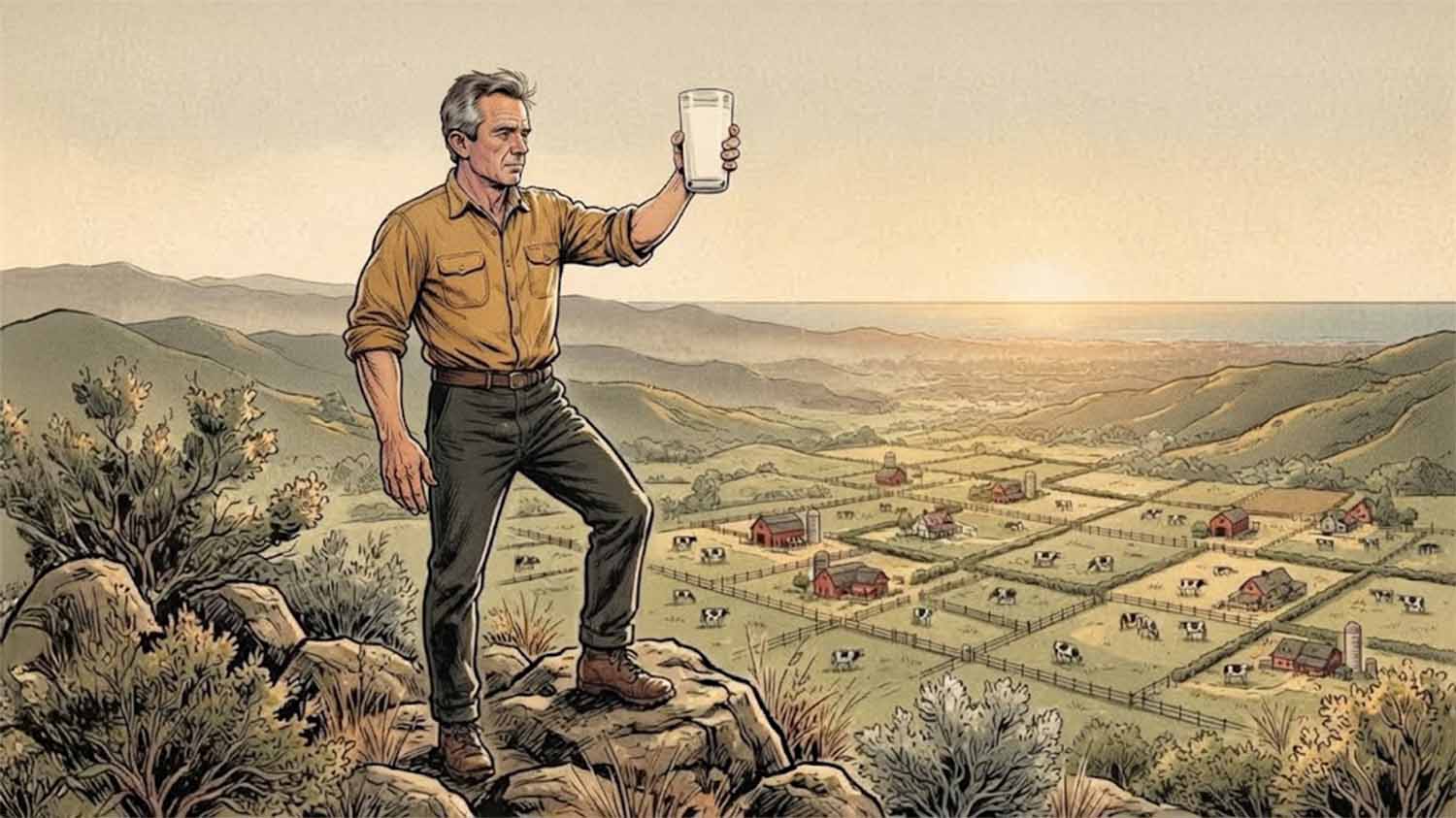
What Could RFK Jr. Actually Do for Raw Milk?
RFK Jr. could open interstate raw milk sales, fix FDA warnings and ease enforcement. He hasn’t used his position to do so. Here is how each option would work.
-
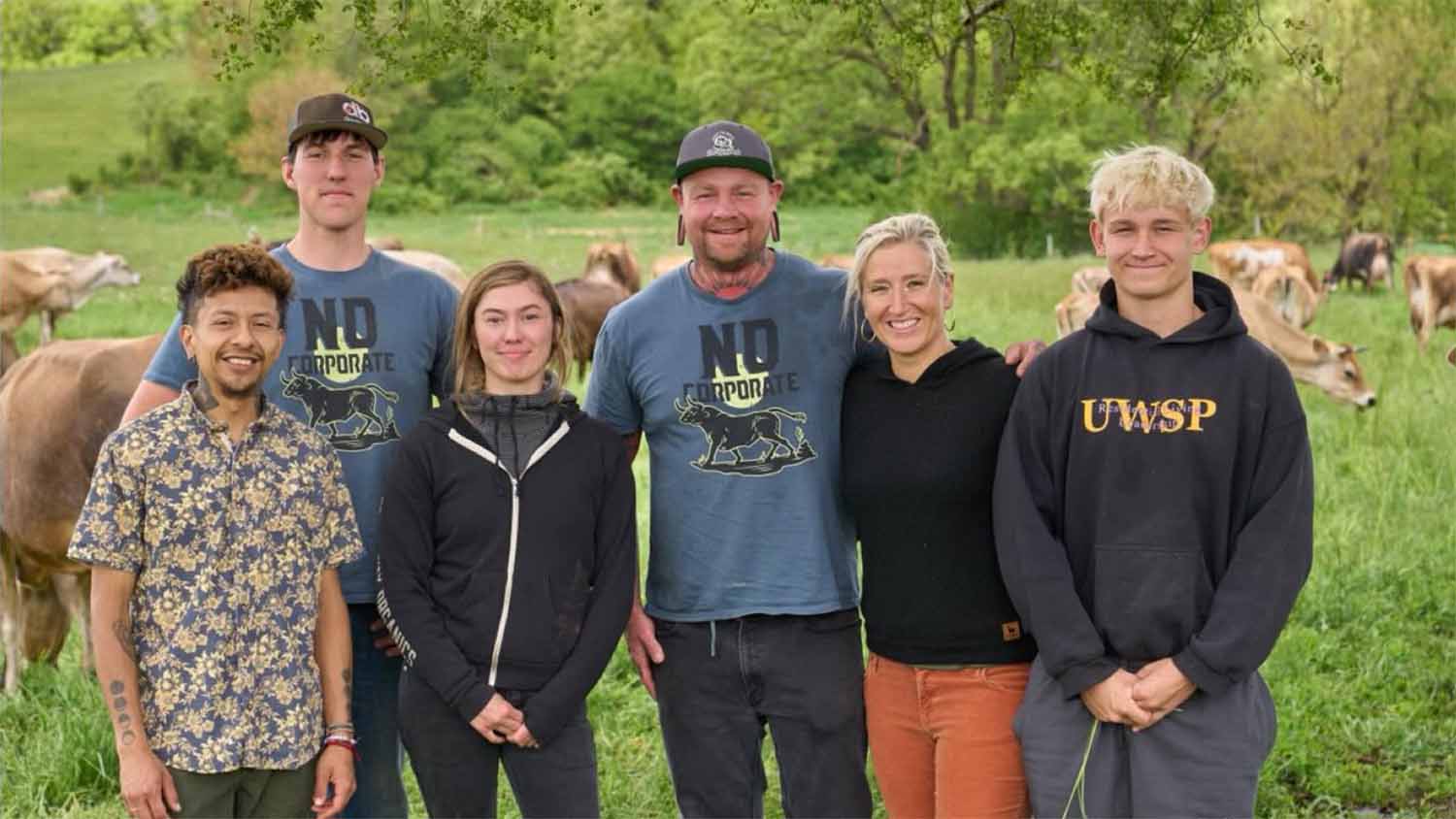
Grassway Organics and Wisconsin’s Raw Milk Gray Area
DATCP suspended Grassway Organics’ license and seeks $10,000 plus $50 a day. What the case means for raw milk access in Wisconsin.