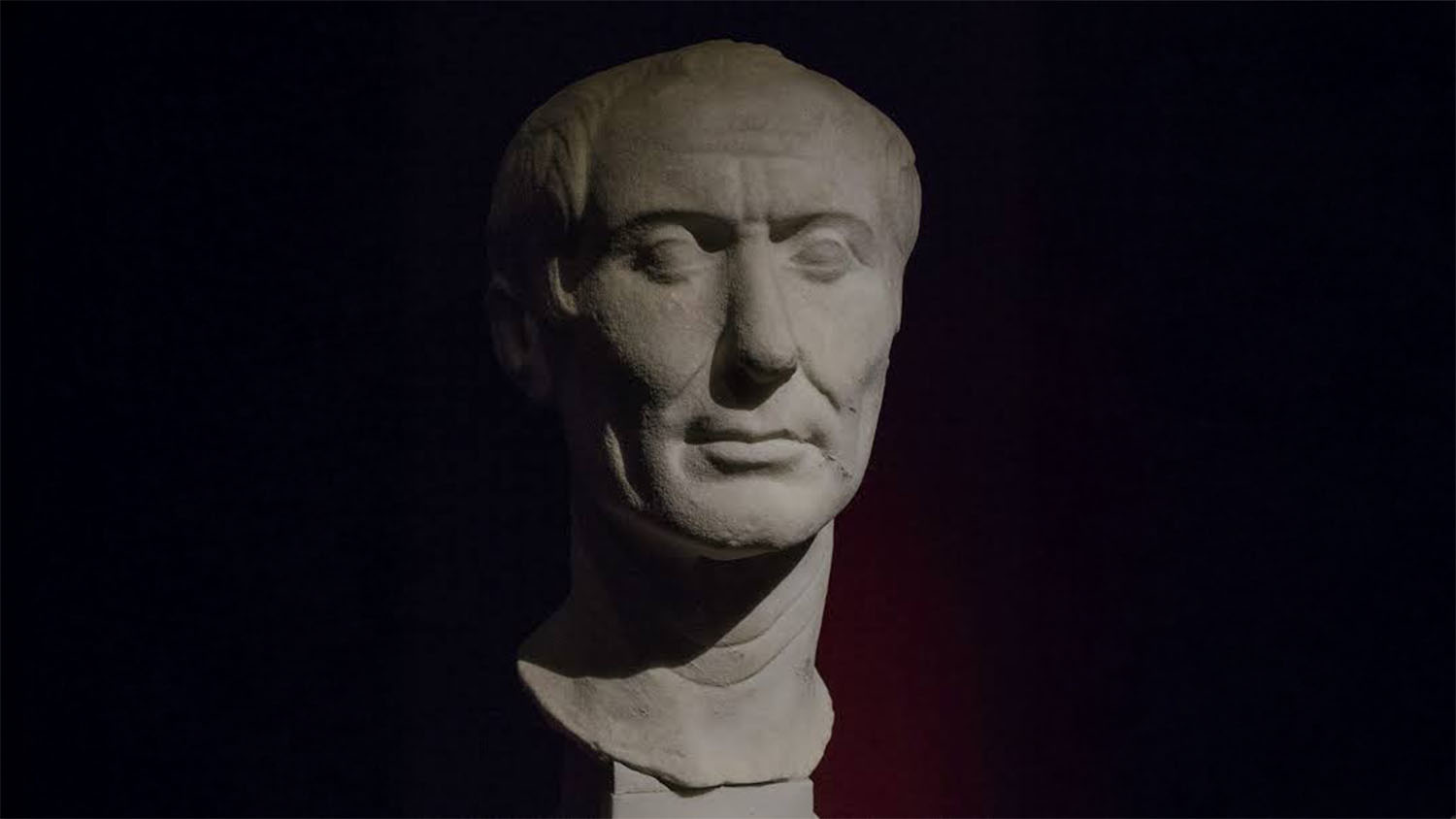
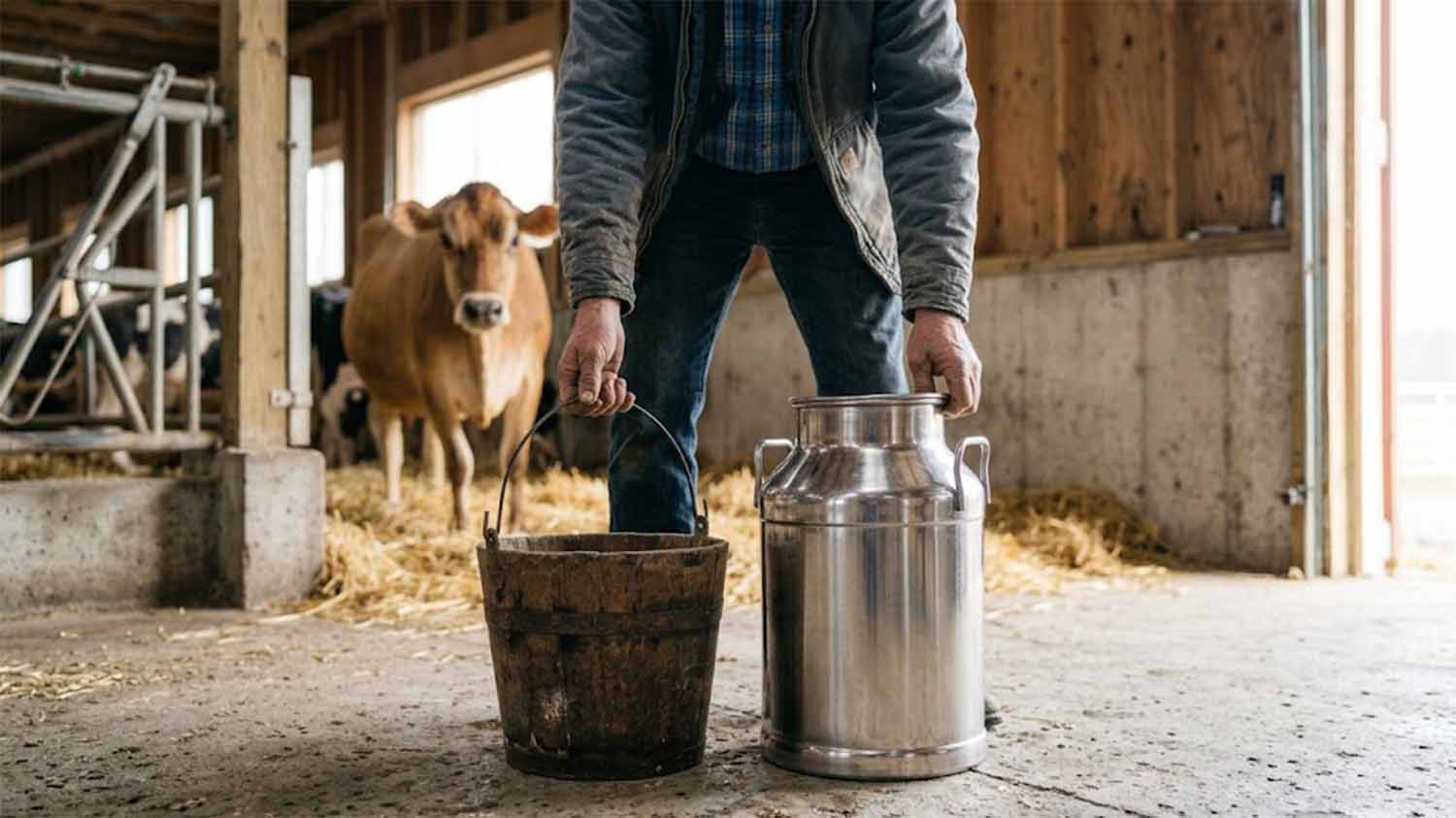
From wooden pails to stainless steel: the conditions behind 19th-century milk deaths are gone from today's dairies.
Will More Raw Milk Drinkers Bring Back the Swill Milk Era?
Every time raw milk access expands, an old warning comes back with it: more raw milk will return the country to the 19th century, when milk killed children by the thousands. It is usually raised as if for the first time, but it has been tested against two decades of data as legal sales spread from state to state. In April 2025, New York Almanack revisited the 1850s swill milk scandal under the headline “How We Poison Our Children,” noting that the subject “is in the news because Secretary of Health and Human Services Robert Kennedy Jr. advocates drinking raw milk.”
The experiment is already running. About 11 million American adults drank raw milk in the past year. That is more than ten times the population of New York and Brooklyn combined in 1860, the epicenter of the swill milk scandal, and nearly half the population of the entire United States in 1850. Today’s drinkers did not appear with Kennedy. FDA surveys in 2016 and 2019 found 4.4% of adults drinking raw milk, about the same share the Annenberg Public Policy Center measured in 2025, so the drinkers in this comparison predate his campaign by years. If raw milk itself caused the deaths of that era, the numbers would already show it.
What swill milk actually was
On May 13, 1858, The New York Times ran an editorial titled “How We Poison Our Children.” It described swill milk as “that bluish, white compound of true milk, pus and dirty water,” made “in the stables attached to large distilleries by running the refuse distillery slops through the udders of dying cows and over the unwashed hands of milkers.”
The cows lived in distillery stables and were fed the hot mash left over from making whiskey. The Times noted that the animals’ “lungs rapidly ulcerated,” a likely sign of tuberculosis, and that the milk was sold through carts that traveled “almost every street in New-York.” Dealers disguised its color with chalk and plaster and its thinness with starch and eggs. The editorial estimated that “last year, without much doubt, it fatally poisoned 8,000 infants in this City,” a city of about 814,000 people at the 1860 census. The editorial credited Frank Leslie’s Illustrated Newspaper, whose illustrated exposé of the distillery dairies “could not fail of wholesome results,” and reported that Mayor Daniel Tiemann had several milk-wagon drivers arrested the day before.
The same editorial named the alternative, and it was not heated milk. “There is good milk to be had even in the City,” it said, shipped in by rail from Orange County farms. The farmers’ worst offense, the editorial joked, was watering it down, and “water, though it is a shave to charge us six cents a quart for it, is no poison.” In 1858, the safe choice the Times pointed to was raw milk from country farms.
What The Jungle said about milk
Upton Sinclair’s The Jungle (1906) is remembered for meatpacking, but milk comes up in passing, and each time the problem is adulteration. The immigrant family at the center of the novel could not know “that the pale-blue milk that they bought around the corner was watered, and doctored with formaldehyde besides.” Later the baby is left to “feed upon the pale blue poison that was called milk at the corner grocery.” Sinclair also described men who “welcomed tuberculosis in the cattle they were feeding, because it made them fatten more quickly.”
The formaldehyde was real. Dairies sold milk preserved with products such as Iceline and Preservaline, and in Indianapolis, state health officer John Hurty linked the deaths of more than 400 children in 1901 to formaldehyde, dirt and bacteria in milk, as Deborah Blum has documented. Formaldehyde was banned from food under the 1906 Pure Food and Drug Act.
Raw milk drinkers today vs. the swill milk era
| Swill milk era | Raw milk today | |
|---|---|---|
| Population exposed | New York, about 814,000 (1860); New York and Brooklyn, about 1.08 million | About 11 million past-year adult drinkers; about 2.7 million weekly |
| Deaths | “8,000 infants” in one year (New York Times estimate, 1858) | 2 deaths in outbreak data from 2005 to 2020, both in patients with underlying disease |
| Illnesses | Not tracked | About 730 outbreak-related illnesses a year |
Today’s weekly drinkers alone, about 2.7 million people, outnumber the entire population of New York and Brooklyn in 1860 by more than two to one. The occasional drinkers bring the total close to half of the country’s 1850 population of 23.2 million. Children are among them: in raw milk outbreaks from 2013 to 2018, 48% of illnesses were in people under 20.
Against that exposure, a 2024 analysis of CDC outbreak data by Stephenson, Coleman and Azzolina counted 1,696 raw milk outbreak illnesses and two deaths over the 16 years from 2005 to 2020. Costard et al. estimated about 730 outbreak-related illnesses a year from unpasteurized milk and cheese, which works out to about 1 in 13,000 to 1 in 15,000 consumers a year. The 1858 figure is a newspaper estimate rather than a measured count, but even if it overstated the toll several times over, the gap is not close.
Twenty years ago, with little data on how many people drank raw milk or what wider access would do, expecting illness to climb with consumption was a reasonable guess. It is no longer a guess. Between 2005 and 2016, licensed raw milk dairies in nine states with records rose from 76 to 347, and the outbreak rate scaled to that growth fell by 74%, according to Whitehead and Lake. In 2015, CDC researchers projected that further legalization would bring more outbreaks. Instead, national outbreak counts peaked at 18 a year in 2010 and 2011, then held between 11 and 16 a year as access kept expanding, and the Stephenson study found no rise in outbreak rates after legalization in the eight states with enough data to test. The prediction has two decades of data against it.
What changed besides pasteurization
The illnesses of the swill milk era had specific causes, and most of them no longer exist in American dairying.
- Sick herds. Tuberculosis killed about 148,000 Americans in 1900, and probably at least 10% of cases were the bovine form, contracted from cattle and especially common in children who drank milk from infected cows. Starting in 1917, a federal and state campaign tested nearly every cattle herd in the country and condemned nearly 4 million infected animals. By the end of the 1930s the national infection rate had fallen below half a percent, according to economic historians Alan Olmstead and Paul Rhode.
- Adulteration. Chalk, plaster, formaldehyde and dirty water were standard in swill milk and corner-grocery milk. Federal law has banned adulterated food since 1906.
- Distance and heat. Milk once traveled long distances in summer heat with little or no cooling. Today it is chilled on the farm soon after milking and kept cold until it is sold.
- Contaminated water and sick workers. A 1909 Public Health Service study counted 500 milk-borne outbreaks from 1880 to 1907. The milk-borne diseases tracked at the time, such as typhoid, scarlet fever and diphtheria, were human infections that reached milk through infected handlers and contaminated water.
- Testing. Farms can now test their milk for bacteria and specific pathogens before it is sold, and programs such as RAWMI list farms that test regularly and publish their results.
The link between clean production and safe milk was understood early. In 1912, Harvard’s Milton Rosenau, whose research set the standard for low-temperature pasteurization, titled a section of his pasteurization chapter “Pure Milk Is Better Than Purified Milk.” Physicians had already shown it could be done: certified milk, produced raw under medical supervision from tuberculin-tested herds, was held to 10,000 bacteria per cubic centimeter.
Countries that never banned raw milk point the same way. France, Pasteur’s own country, sells lait cru at the farm gate, from vending machines and on grocery shelves, under rules that require producers to test their milk regularly. Italy, Switzerland and Austria sell it through farm vending machines as well.
What the comparison does not show about raw milk risk
Raw milk is not risk-free. Outbreaks of E. coli, Salmonella, Campylobacter and Listeria still occur, and the risk of serious outcomes is highest for pregnant women, infants, older adults and people with weakened immune systems. In February 2026, the New Mexico Department of Health reported that a newborn had died of Listeria infection, most likely from unpasteurized milk the mother drank during pregnancy.
The historical record also includes a harder number. According to the FDA’s Pasteurized Milk Ordinance, milk caused 25% of all outbreaks from food and water in 1938. As late as 1936, over half of American milk was still consumed raw. But 1938 milk was not today’s milk: the national tuberculosis eradication campaign was still under way, and the cooling, testing and sanitation standards of modern dairies did not yet exist. That figure reflects the conditions of the time, the same conditions that produced the swill milk deaths.
The mass deaths of the 19th century came from diseased herds, adulterated milk, dirty water and no refrigeration. Those conditions are gone, and 11 million drinkers have not brought them back. The 1858 Times drew the same line: the danger was the distillery stables, not milk from country farms. Today the variables that matter most are herd health, sanitation and testing.
To find a source, browse raw milk farms in the United States, check raw milk laws by state, or look for RAWMI-listed farms that publish their test results.