Texas Judge Rules Against Like Wildflowers Homestead
A Texas court decision addressing a farm operating outside the DSHS permit framework, and what it means for the licensed producer pathway.
Read Article →Raw milk is legal in Texas from permitted farms, sold at the farm or delivered to your door by the producer. Texas is one of few states allowing farm delivery.
How many Americans drink raw milk and how many states allow it: raw milk statistics.
Texas gives raw milk buyers something most states do not: the producer can bring it to you. Permitted farms may sell at the farm and deliver directly to consumers in the producer's own vehicle, which means access is not limited to people who can drive out to the dairy.
Yes. Texas Health and Safety Code chapter 435 and 25 TAC 217.31 authorise raw milk sales by farms holding a raw milk permit from the Texas Department of State Health Services (DSHS). Permitted producers meet herd health, testing, sanitation and labelling requirements, and the permit is a public credential, so licensed farms advertise and are easy to identify.
Texas is one of a small number of states that expressly authorises a producer to deliver raw milk to the consumer in the producer's own vehicle. A 2021 regulatory update broadened this authority, and Texas farmers described it as a significant gain in reach. In practice it means a licensed dairy several hours from a city can still serve customers there through a scheduled delivery route, and many do.
Licensed farms serve the Dallas-Fort Worth, Houston, Austin and San Antonio metro areas through a combination of on-farm sales and delivery routes, and producers are spread across East Texas, the Hill Country, the Blackland Prairie and the Panhandle. Because delivery is permitted, most Texans in or near a metro area can arrange a regular supply without a long drive. Purchase is direct from the permitted producer, at the farm or on their delivery route, rather than through grocery retail. DSHS maintains the permit programme and is the authoritative starting point for identifying licensed farms. For the federal framework, see the United States raw milk laws overview.
Latest developments and news related to raw milk in Texas
A Texas court decision addressing a farm operating outside the DSHS permit framework, and what it means for the licensed producer pathway.
Read Article →Official government documents and legal resources for Texas
DSHS Milk and Dairy Unit administering the Texas raw milk producer permit programme under Texas Health and Safety Code chapter 435 and 25 TAC 217, including permit applications and producer requirements.
View Official Resource →Texas administrative rule setting raw milk quality standards, labelling requirements, and the conditions for on-farm sales and producer-direct delivery under a DSHS raw milk permit.
View Official Resource →The full Texas regulatory framework for milk and milk product standards, within which the raw milk producer permit and its delivery authority sit.
View Official Resource →Raw milk law changes in Texas, newest first. Compare with every other state in the Texas raw milk law timeline.
Search for raw milk sources near popular locations in Texas
Mapping raw milk sources by hand since 2018.
Tips keep it free and updated daily.
Enter an amount of $1 or more.
✓ You're supporting a free community resource. This is a tip/donation, not a purchase of milk or products.
Cancel anytime from the link in any receipt, or at getrawmilk.com/tip/manage.
or
Designed and coded from scratch. The same developer builds MVPs, internal business systems, and writes about it.
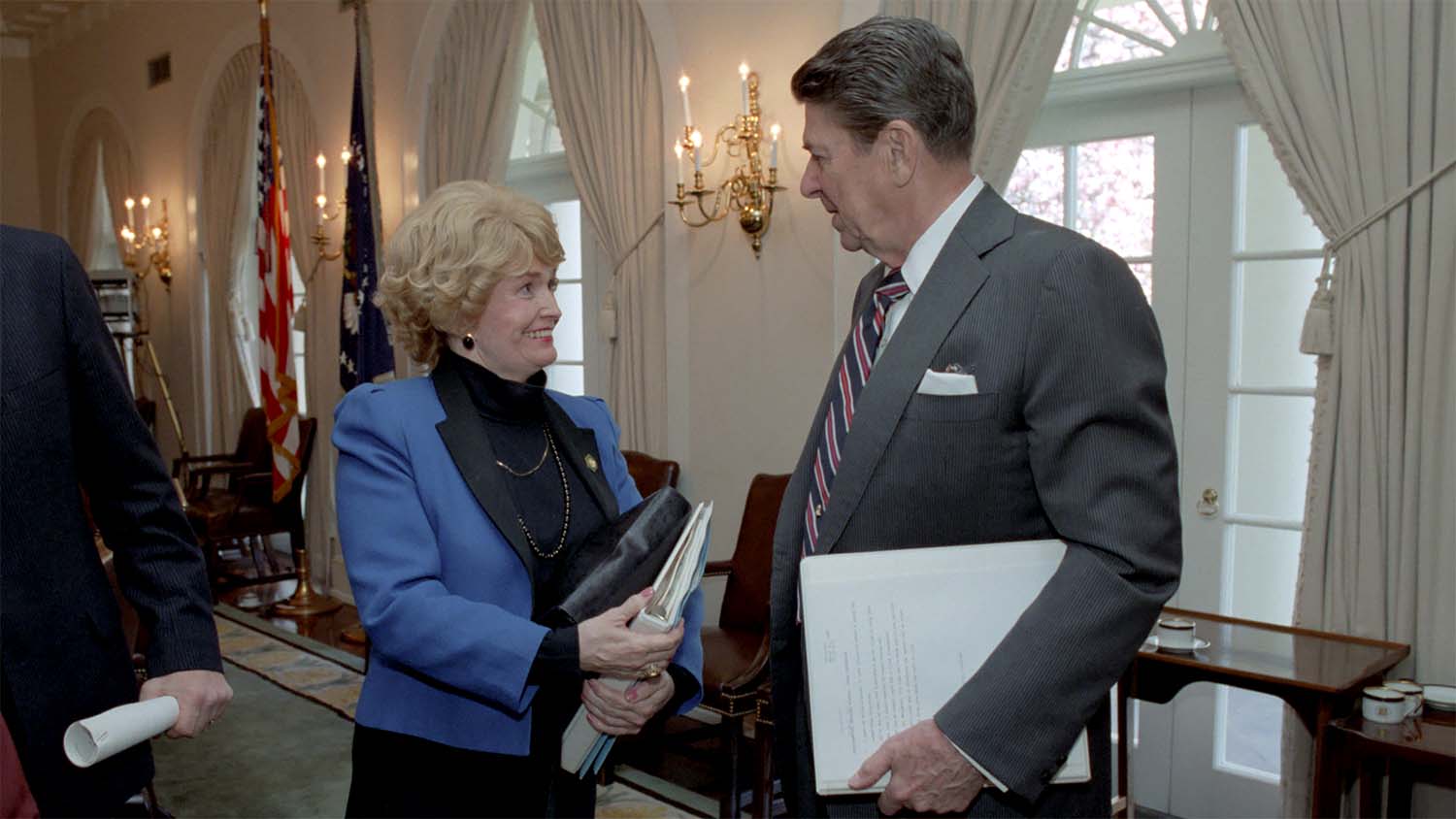
Public Citizen v. Heckler (1985, 1986) led to the 1987 federal ban on interstate raw milk sales, 21 CFR 1240.61. Sales within states were left to state law.
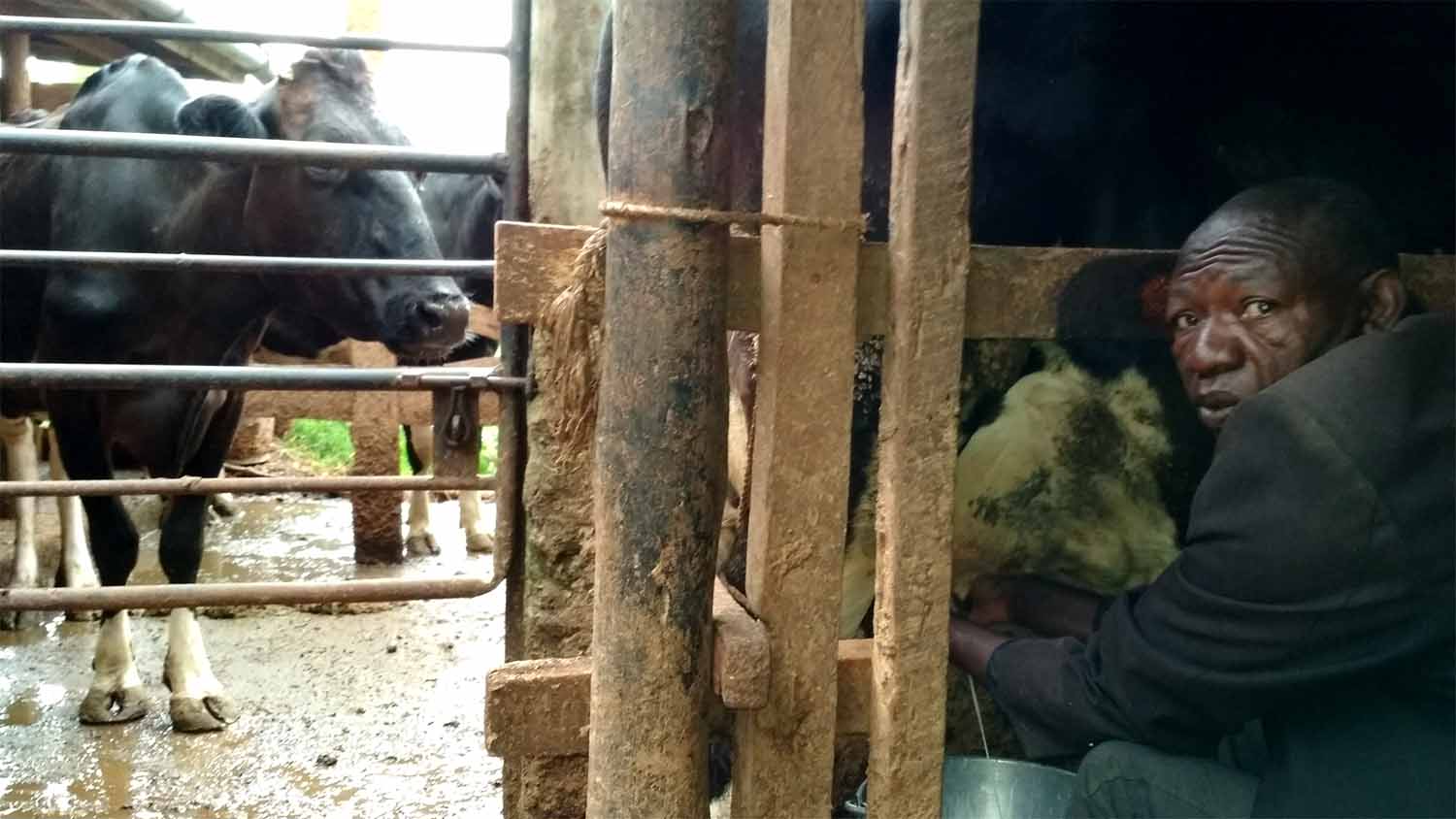
Kenya’s milk shortage deepened through October 2026. Officials now say farmers sell to informal buyers who pay more, as cartel claims spread online.
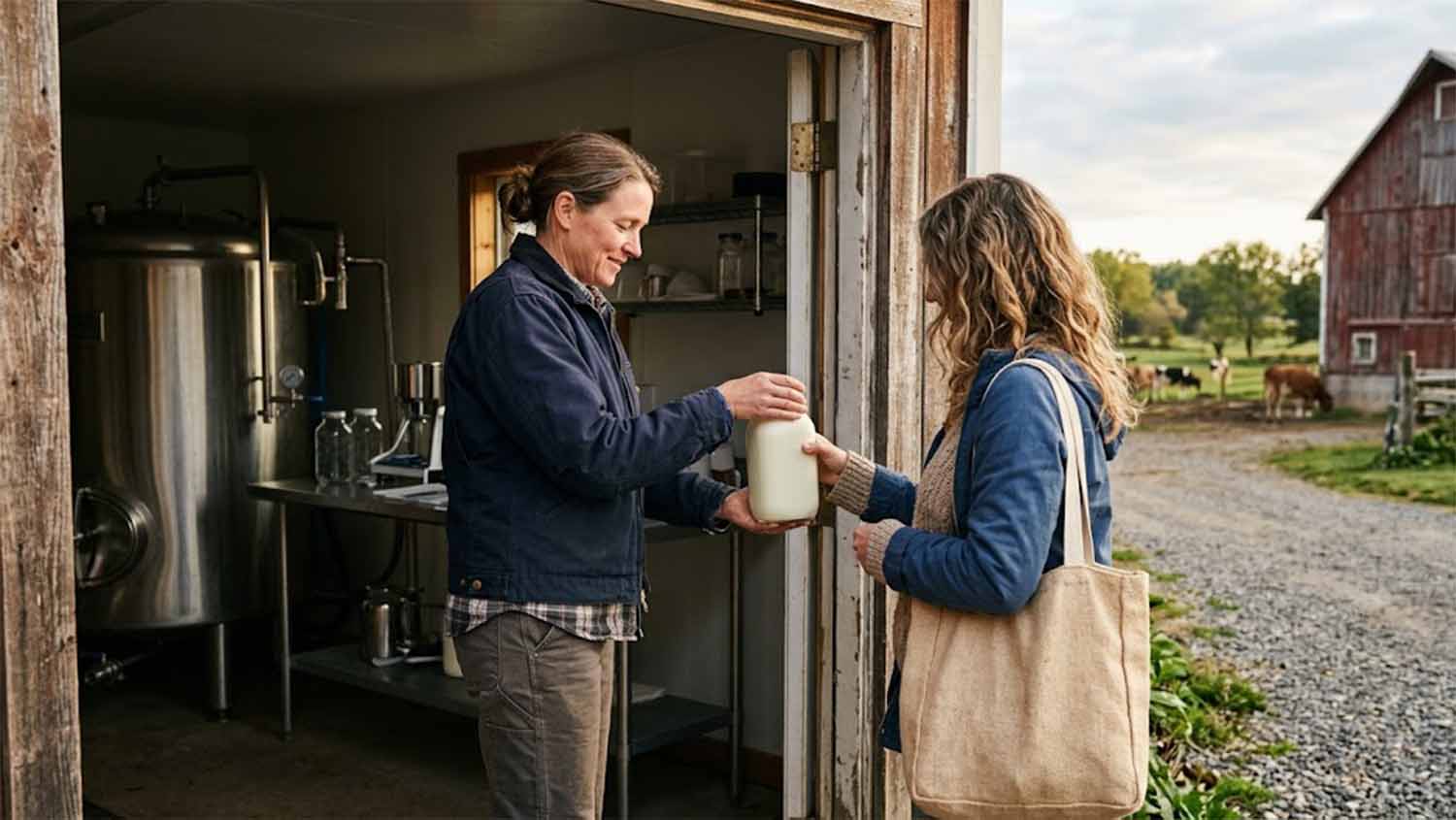
Commodity milk pays dairy farmers about $2 a gallon. Raw milk sold direct brings $6 to $20. What a farm makes depends on state law, customers and costs.
11 million US adults drink raw milk, ten times swill milk era New York. Twenty years of data show the 1850s death toll has not returned. Here’s why.
RFK Jr. could open interstate raw milk sales, fix FDA warnings and ease enforcement. He hasn’t used his position to do so. Here is how each option would work.
DATCP suspended Grassway Organics’ license and seeks $10,000 plus $50 a day. What the case means for raw milk access in Wisconsin.