
Raw Milk
DATCP guidance on raw milk in Wisconsin, covering the incidental sale exemption at the producing dairy farm and the conditions that determine whether a sale qualifies.
View Official Resource →Wisconsin allows incidental raw milk sales at the farm where it is produced. Shareholders with a real ownership stake in a licensed dairy may also receive milk.
How many Americans drink raw milk and how many states allow it: raw milk statistics.
Wisconsin is America's dairy state, with more dairy farms than almost anywhere in the country, and while it does not run a licensed raw milk retail programme there are two recognised routes by which a Wisconsin household can obtain raw milk from a farm. Understanding exactly where the lines sit is what makes the difference here.
In defined circumstances, yes. Wisconsin permits the incidental sale of unpasteurized milk to a consumer at the dairy farm where the milk is produced, an exemption in the ATCP 65 dairy rules administered by the Department of Agriculture, Trade and Consumer Protection (DATCP). The milk is for consumption by the buyer, their family and non-paying household guests.
This is the part that matters, and it is defined by exclusion rather than by a number. A sale is not incidental if:
The consumer subsequently sells or distributes the milk for purposes other than consumption by themselves, their family, or non-paying household guests. The sale is made in the regular course of business. Or the sale was preceded by any advertising, offer or solicitation made to the general public through any communications medium.
The state has not published a numerical threshold for what constitutes the regular course of business, which is why Wisconsin farms interpret the exemption conservatively and do not advertise. It also explains why you will not find Wisconsin dairies listing raw milk online: doing so would itself take the sale outside the exemption.
A second and quite different pathway exists for people with a genuine stake in a dairy business. Raw milk may lawfully go to individuals holding a bona fide ownership interest in a licensed milk producer, and a licensed farm may issue stock to people wanting raw milk, provided the business is not solely a vehicle for raw milk sales and the investors carry real risk of loss on their investment.
Both conditions are substantive. This is a real business investment with real downside, not a membership fee dressed up as equity, and farms structuring it properly take legal advice. Where it is done correctly it gives shareholders a durable route to milk from a fully licensed operation.
With advertising off the table, Wisconsin access runs entirely on direct relationships. Proximity to a dairy is almost never the obstacle here, given the density of farms. The obstacle is knowing which farm and how to ask.
Productive routes include food cooperatives, which are strong in Madison, Milwaukee, La Crosse and Viroqua; farmers market conversations with vegetable, egg and meat producers who generally know the local dairies; Weston A. Price Foundation chapter contacts; and homesteading networks. The Driftless Area in the southwest, around Vernon, Crawford and Richland counties, has an exceptional concentration of small diversified and organic farms and an established local food culture. Wisconsin's Amish communities in the western and central counties, particularly around Cashton, maintain traditional dairying.
Wisconsin is the best state in the country for aged raw milk cheese, and this needs no exemption or ownership structure at all. Under the federal 60 day aging rule, raw milk cheese is fully legal to make and sell, and Wisconsin's cheesemaking tradition, Master Cheesemaker programme and hundreds of licensed cheesemakers make it widely available. Cheese shops, creamery storefronts and specialty grocers across the state stock aged raw milk cheddars, alpine styles and blues. If your interest extends to raw dairy generally rather than drinking milk specifically, Wisconsin is exceptionally well served.
Wisconsin's neighbours are more permissive on drinking milk. Minnesota to the west allows purchase at the farm of origin under a statutory exemption covering milk, cream and skim milk. Iowa to the southwest permits licensed farm-direct sales and producer delivery. Illinois to the south runs a permit system with open on-farm sales. Michigan recognises herdshares by policy. Federal law at 21 CFR 1240.61 restricts interstate commerce in raw milk, with the FDA stating it has never taken and does not intend to take action against an individual transporting raw milk across a state line purely for personal consumption. For the federal framework, see the United States raw milk laws overview.
Official government documents and legal resources for Wisconsin
DATCP guidance on raw milk in Wisconsin, covering the incidental sale exemption at the producing dairy farm and the conditions that determine whether a sale qualifies.
View Official Resource →Raw milk law changes in Wisconsin, newest first. Compare with every other state in the Wisconsin raw milk law timeline.
Search for raw milk sources near popular locations in Wisconsin
Mapping raw milk sources by hand since 2018.
Tips keep it free and updated daily.
Enter an amount of $1 or more.
✓ You're supporting a free community resource. This is a tip/donation, not a purchase of milk or products.
Cancel anytime from the link in any receipt, or at getrawmilk.com/tip/manage.
or
Designed and coded from scratch. The same developer builds MVPs, internal business systems, and writes about it.


Aurochs Bull Skull Graphic Tee
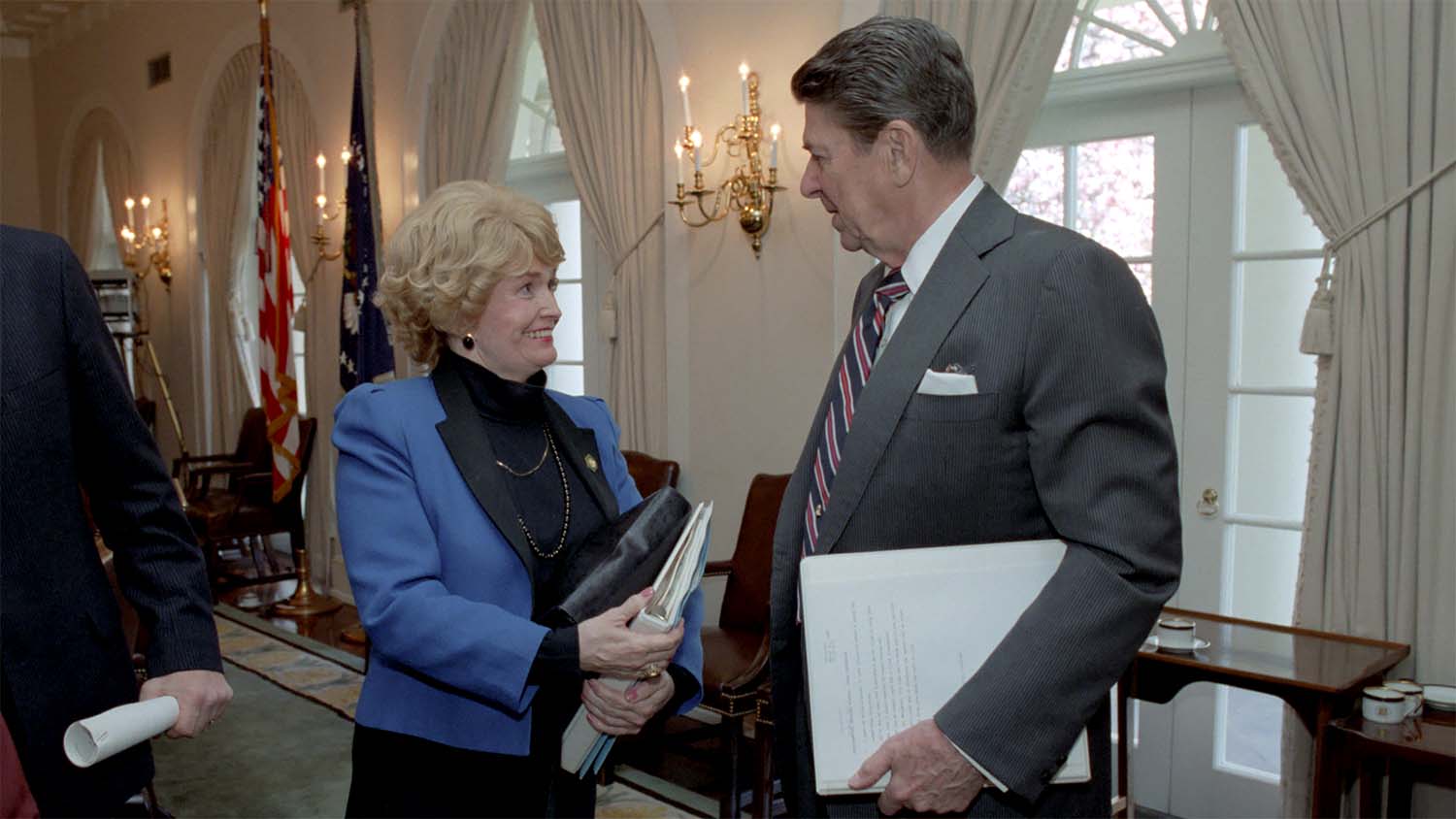
Public Citizen v. Heckler (1985, 1986) led to the 1987 federal ban on interstate raw milk sales, 21 CFR 1240.61. Sales within states were left to state law.
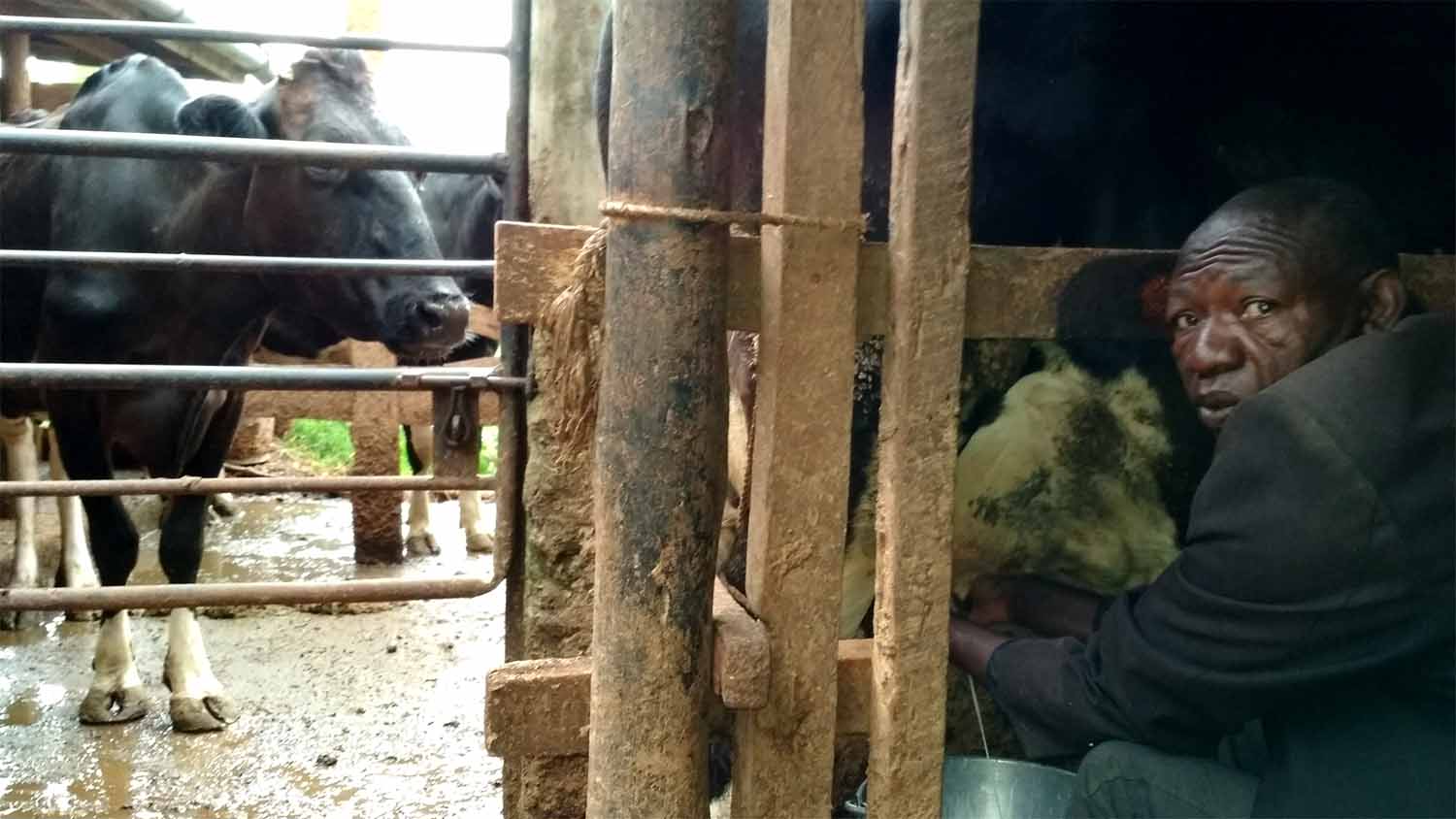
Kenya’s milk shortage deepened through October 2026. Officials now say farmers sell to informal buyers who pay more, as cartel claims spread online.
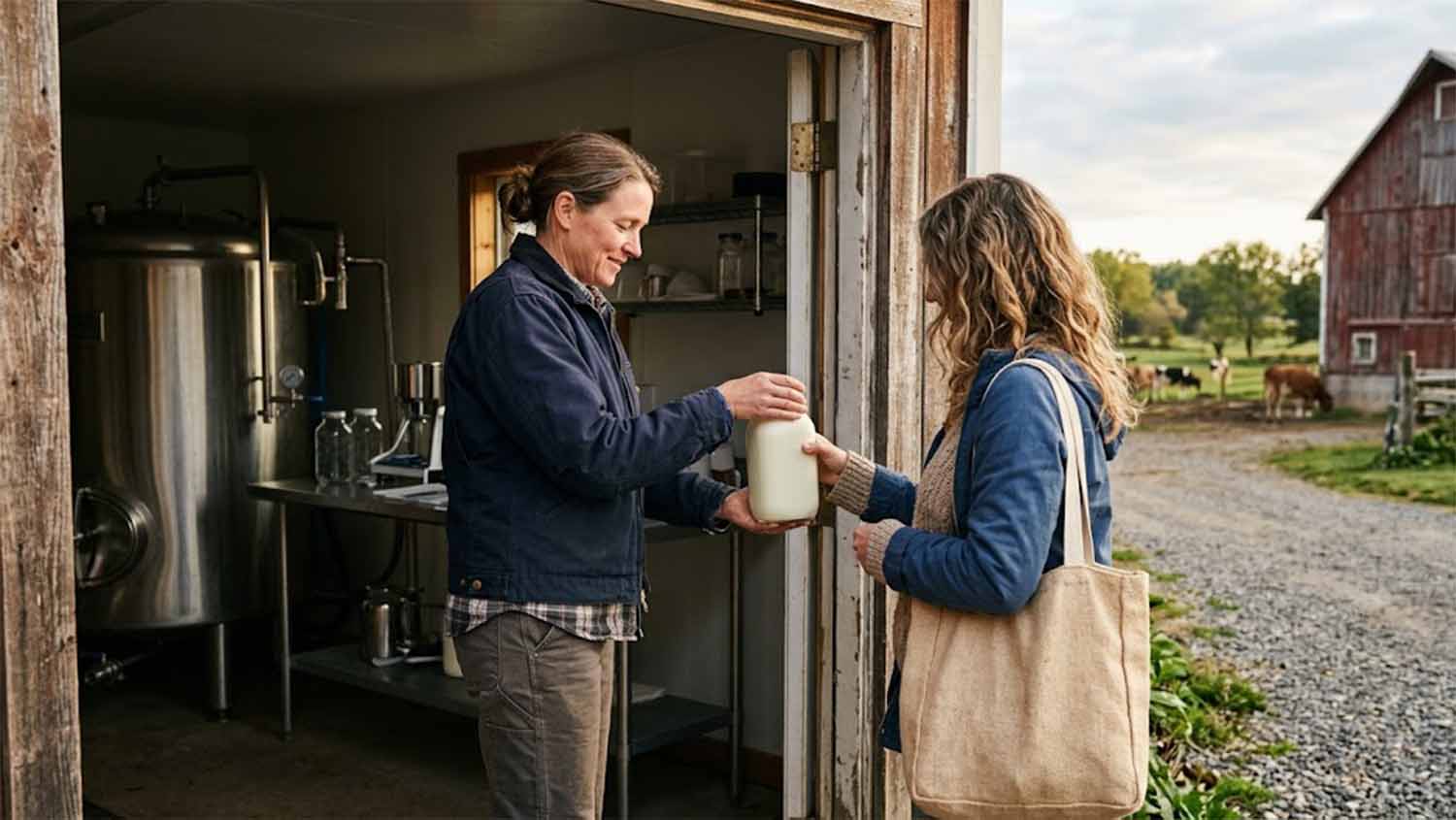
Commodity milk pays dairy farmers about $2 a gallon. Raw milk sold direct brings $6 to $20. What a farm makes depends on state law, customers and costs.
11 million US adults drink raw milk, ten times swill milk era New York. Twenty years of data show the 1850s death toll has not returned. Here’s why.
RFK Jr. could open interstate raw milk sales, fix FDA warnings and ease enforcement. He hasn’t used his position to do so. Here is how each option would work.
DATCP suspended Grassway Organics’ license and seeks $10,000 plus $50 a day. What the case means for raw milk access in Wisconsin.