Minnesota allows you to buy raw milk at the farm where it was produced, an exemption written directly into the state dairy statute rather than inferred from silence or built on an ownership structure. Legislation to broaden it into a registered producer scheme is currently before the legislature.
Is raw milk legal in Minnesota?
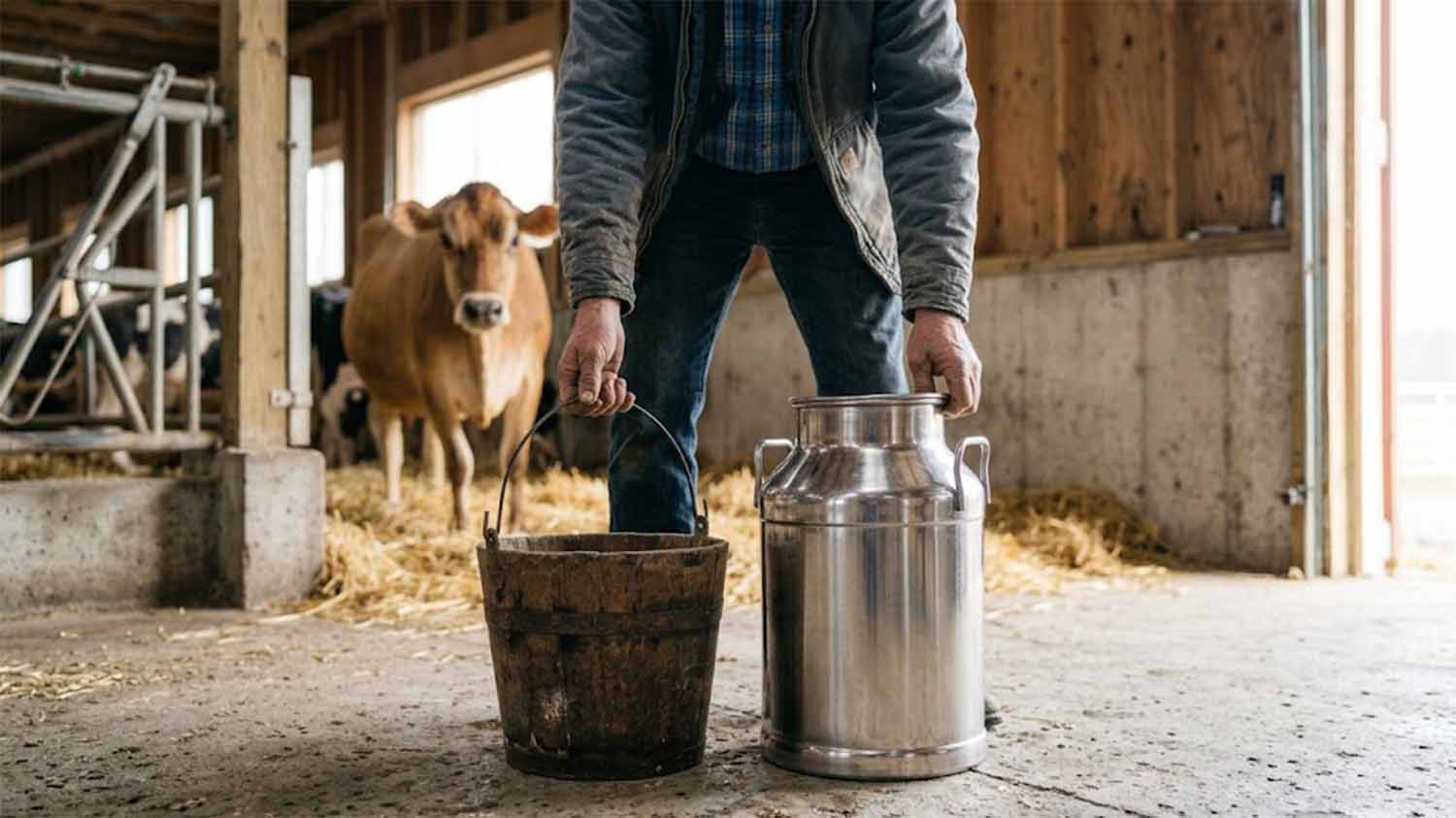
Yes, at the farm of origin. Minnesota Statutes 32D.20, subdivision 1 sets the pasteurization requirement for milk sold in fluid form, then carves out an exception in the same subdivision. The requirement "shall not apply to milk, cream, or skim milk occasionally secured or purchased for personal use by a consumer at the place or farm where the milk is produced."
What the wording actually means
Four elements in that sentence define Minnesota access, and each is worth reading closely.
Milk, cream, or skim milk. The exemption is not limited to whole fluid milk. Cream is expressly named, which matters if you want to separate or make butter.
Occasionally. The statute uses this word. It signals a personal supply arrangement rather than a standing wholesale relationship, and it is one reason Minnesota farms treat the exemption as covering household purchase rather than commercial volume.
For personal use by a consumer. The milk is for the buyer, not for resale or redistribution.
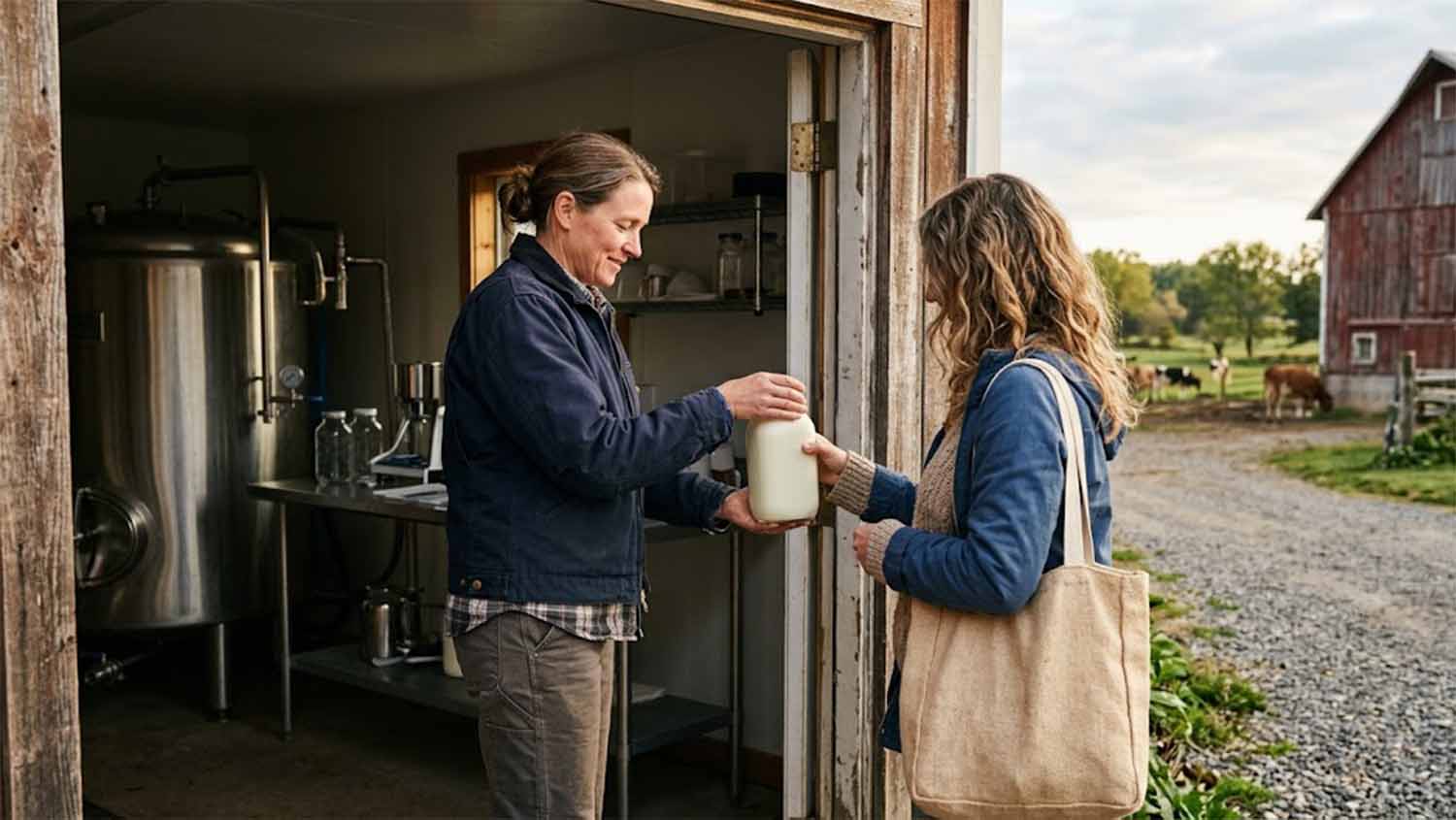
At the place or farm where the milk is produced. This is the firmest limit. The purchase happens at the producing farm. Meeting a producer at a car park, a farmers market, or a delivery drop is not within the exemption, which is why Minnesota access means going to the dairy.
How to find a producer
Minnesota has a large dairy sector, so producers are spread widely. The strongest availability is in the central farming counties within reach of the Twin Cities, in the southeast around Rochester and the Driftless bluff country, and in the Stearns County area near St Cloud, which has a dense concentration of dairy farms. Western and northwestern Minnesota have producers serving Moorhead, Alexandria and the Red River valley.
Because the exemption does not authorise advertising in the way a licensed retail programme would, farms are found chiefly through local networks: food cooperatives, of which Minnesota has an unusually strong tradition; buying clubs; farmers market contacts; Weston A. Price Foundation chapters; and homesteading and natural parenting groups around the Twin Cities.
What is proposed
Companion bills HF 537 and SF 490, introduced in the 2025 to 2026 session, would add a registered small producer route on top of the existing exemption. Under the proposal, a producer who completes an approved food safety class and has all animals test negative for tuberculosis and brucellosis within 15 days of registration could sell fluid raw milk and raw milk products directly to consumers, including from the producer's own home where local ordinance allows, and would not be subject to the pasteurization requirement in 32D.20.
That would be a substantial widening. It would move Minnesota from a farm-gate-only exemption to a registered scheme covering raw milk products, and would remove the requirement that every transaction happen at the place of production.
Crossing state lines
Minnesota's neighbours vary usefully. Iowa to the south permits licensed farm-direct sales and, importantly, producer delivery, so buyers near the border may be able to have milk brought to them. North Dakota to the west expanded in 2025 to cover raw milk products including butter, cheese, yogurt and ice cream sold direct to consumers. South Dakota permits farm purchase and producer delivery. Wisconsin to the east is more restrictive, allowing only incidental on-farm sales. Federal law at 21 CFR 1240.61 restricts interstate commerce in raw milk, though the FDA has stated it has never taken and does not intend to take enforcement action against an individual transporting raw milk across a state line solely for personal consumption. For the federal framework, see the United States raw milk laws overview.