Raw Pet Milk Sales Legal in Maryland
"A grass-based dairy, P.A. Bowen Farmstead of Brandywine, has obtained approval1 to sell raw pet milk from the Maryland Department of Agriculture." 2016
Read Article →'Pet food' sales allowed
Latest developments and news related to raw milk in Maryland
"A grass-based dairy, P.A. Bowen Farmstead of Brandywine, has obtained approval1 to sell raw pet milk from the Maryland Department of Agriculture." 2016
Read Article →Official government documents and legal resources for Maryland
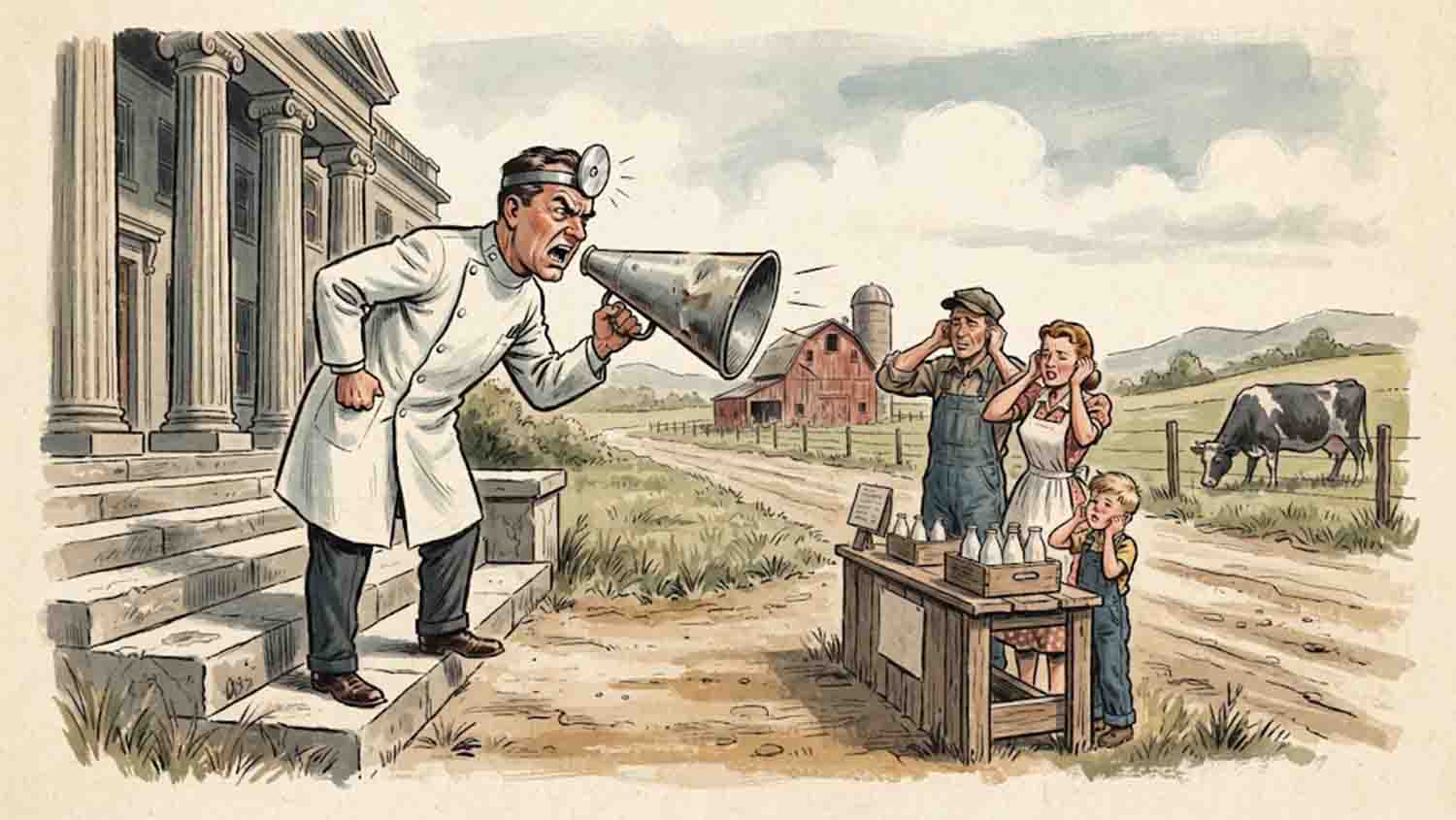
"Under Health-General Article, §21-434, Annotated Code of Maryland, a person may not sell or give away raw milk for human consumption." They also claim: "The proposed action has minimal or no economic impact on small businesses." Impact on raw milk ventures must not have been considered.
View Official Resource →Search raw milk sources in Maryland
Free, no paywalls, no private equity.
Keep this project going and growing.
Connect people with raw milk sources.
Every tip keeps real food accessible.
Please enter a valid email address to generate a secure payment form.
✓ You're supporting a free community resource. This is a tip/donation, not a purchase of milk or products.
Trusted by farms, local businesses, and startups nationwide.
One Supreme Court ruling now shields every federally registered pesticide maker from state-court cancer lawsuits. Glyphosate was just the beginning.
Not all cheese styles present the same microbial environment. Moisture content determines water activity, and water activity determines which organisms can be present and active.
Lactic acid bacteria acidify milk, suppress competing organisms, and build the flavor of aged cheese. Here is how all three mechanisms work and where each has limits.
Not all water in cheese is available to bacteria. Water activity rather than moisture content determines which pathogens can grow and how different cheese styles compare.
The same 60-day aging period that renders one batch of raw milk cheese safe can leave another infectious. For Salmonella, initial bacterial load is the variable that determines the outcome.
Unlike most dairy pathogens, Listeria monocytogenes thrives in the conditions that define aged cheese production. Cold tolerance, salt resistance, and biofilm formation explain why.