
New Neurology Study Shows High-Fat Cheese and Cream Reduce Dementia Risk: Dairy’s Brain-Protective Benefits
A groundbreaking neurology study tracking over 27,000 participants for 25 years has revealed compelling evidence that high-fat dairy products—particularly cheese and cream—may protect against dementia and Alzheimer’s disease. The research, published in Neurology, challenges conventional low-fat dietary recommendations and points to the neuroprotective benefits of full-fat dairy consumption, offering new hope for dementia prevention through dietary choices.
The Study: Key Details and Results
Study Population and Duration
Researchers followed 27,670 participants (mean age 58 years, 61% female) over a median of 25 years, recording 3,208 cases of incident dementia. This large, long-term study provides robust evidence for dietary patterns and cognitive decline—far more reliable than short-term or small-scale research.
High-Fat Cheese Significantly Reduces Dementia Risk
The most striking finding concerns high-fat cheese (>20% fat content):
Consumption of ≥50 grams daily of high-fat cheese was associated with:
- 13% reduction in all-cause dementia risk (HR 0.87; 95% CI 0.78–0.97)
- 29% reduction in vascular dementia (VaD) risk (HR 0.71; 95% CI 0.52–0.96)
These reductions were compared to participants consuming less than 15 grams daily—essentially no regular cheese consumption.
High-Fat Cream Shows Similar Brain-Protective Benefits
High-fat cream (>30% fat) also demonstrated dementia-protective properties:
Consuming ≥20 grams daily of high-fat cream was associated with:
- 16% lower risk of all-cause dementia (HR 0.84; 95% CI 0.72–0.98)
- Inverse associations with both Alzheimer’s disease (AD) and vascular dementia
The Fat Content Matters: Low-Fat Products Show No Benefit
A critical finding distinguishes this research from previous dairy studies: low-fat versions of these products showed no association with dementia causation or prevention. Specifically, consumption of low-fat cheese, low-fat cream, milk (both high-fat and low-fat varieties), fermented milk, and butter showed no significant protective effect.
This is a crucial distinction: the neuroprotective benefits appear specific to high-fat cheese and cream, suggesting the fat content itself may be responsible for the protective mechanism.
Genetic Factors Matter: APOE ε4 Status
The research identified an important genetic modifier. Among APOE ε4 noncarriers (those without a specific genetic risk factor for Alzheimer’s), high-fat cheese showed a robust inverse association with Alzheimer’s disease risk (HR 0.87; 95% CI 0.76–0.99). This suggests that genetic background may influence how effectively high-fat dairy prevents cognitive decline in some individuals.
Why High-Fat Dairy May Protect the Brain
While the study’s observational design prevents definitive causal claims, several mechanisms likely explain these findings:
Fat-Soluble Nutrients and Brain Health
High-fat dairy products are naturally rich in fat-soluble vitamins, particularly vitamins A, D, E, and K2—nutrients critical for neurological function and myelin maintenance. These vitamins support brain health and cognitive preservation in ways low-fat dairy cannot replicate.
Cholesterol and Cognitive Function
Contrary to outdated dietary guidance, cholesterol is essential for brain function. The brain contains approximately 25% of the body’s total cholesterol and uses it for myelin formation and synaptic plasticity. High-fat dairy provides dietary cholesterol and fat that support these critical processes.
Bioavailability of Neuroprotective Compounds
The fat matrix in high-fat cheese and cream may enhance the absorption and bioavailability of beneficial compounds, including conjugated linoleic acid (CLA), butyrate precursors from fermentation, and fat-soluble antioxidants.
Metabolic and Inflammatory Pathways
Some research suggests that high-fat dairy consumption may positively influence metabolic health markers and inflammatory status—both linked to dementia prevention. The fatty acid profile in dairy differs from processed foods and may have specific anti-inflammatory properties.
What This Means for Raw Milk and Dairy Consumers
For those on the global raw milk map or exploring modern dairy practices, this study offers validation of several important principles:
Full-Fat Dairy Has Distinct Advantages Over Low-Fat
The finding that high-fat cheese and cream reduce dementia risk while low-fat versions do not contradicts decades of official dietary guidance promoting low-fat dairy. This supports the intuition of those who prioritize full-fat, traditionally-produced dairy.
Traditional Cheese-Making Preserves Neuroprotective Properties
Full-fat cheeses—whether made from raw or pasteurized milk—retain the fat-soluble nutrients and fatty acid profiles that appear protective. This suggests traditional cheese-making practices are nutritionally sound for brain health.
Cream as a Functional Food
Cream, often viewed as an indulgence in modern nutrition guidelines, emerges as a functional food with measurable dementia-protective benefits. Incorporating high-fat cream into coffee, cooking, or desserts is not dietary excess—it’s a form of dietary medicine.
Implications for Raw Milk
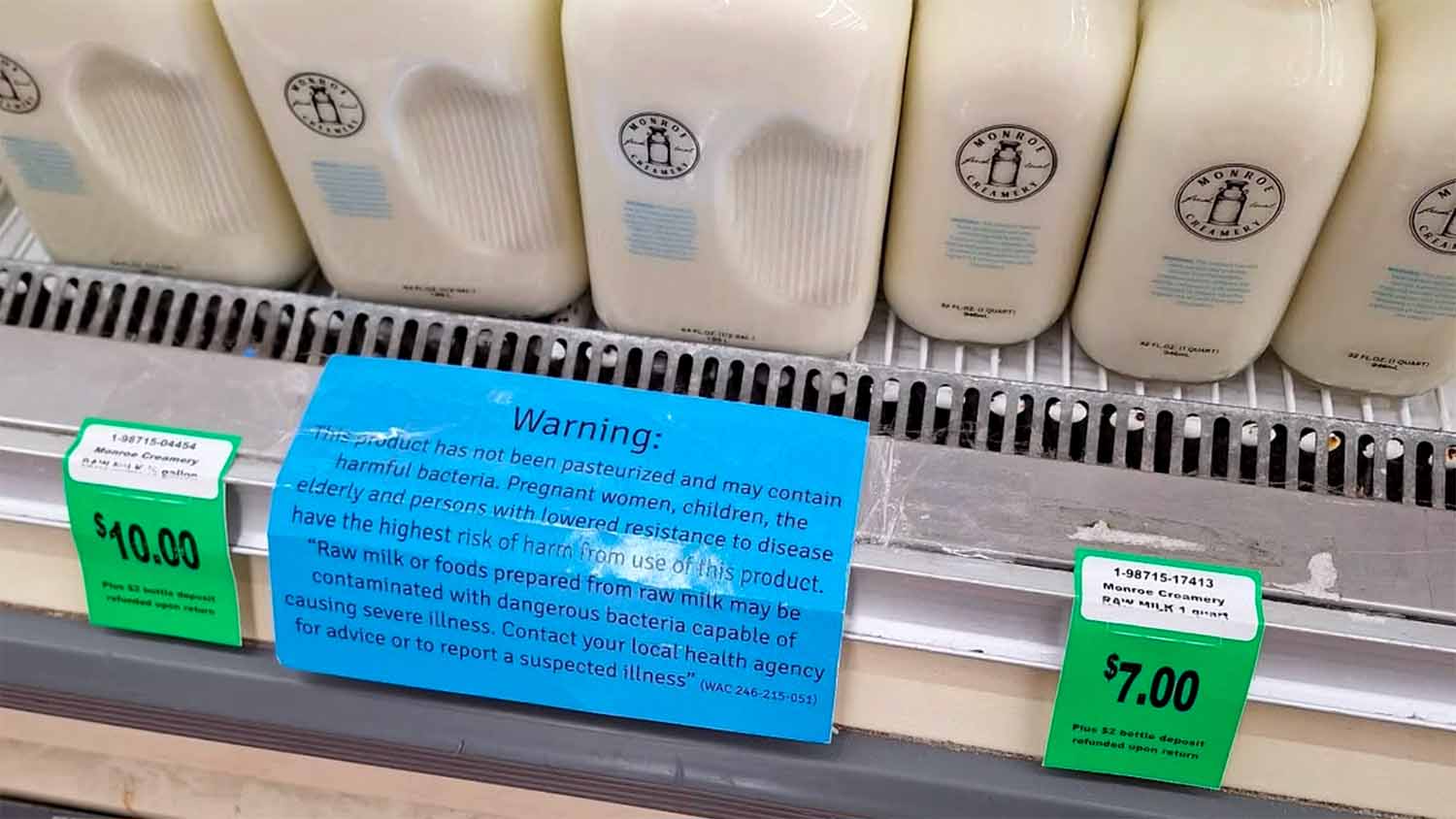
While this particular study doesn’t specifically examine raw milk, the benefits observed with high-fat cheese and cream suggest that the fat-soluble nutrients and other compounds preserved in raw dairy products may confer similar or superior benefits compared to pasteurized equivalents.
Study Limitations and Considerations
As the researchers acknowledge, this study’s observational design limits causal inference. The findings show association, not causation. Factors like overall diet quality, physical activity, education, and other lifestyle variables may influence both dairy consumption patterns and dementia risk.
Additionally, the study population was mean age 58 at baseline—older adults with established dietary patterns. The results may not apply equally to younger populations or those initiating dairy consumption later in life.
The Broader Context: Rehabilitating Full-Fat Dairy’s Reputation
This research contributes to a growing body of evidence challenging the low-fat dietary dogma that dominated nutrition guidance for decades. Large studies increasingly show that full-fat dairy consumption is associated with better metabolic outcomes, reduced cardiovascular risk, and now, reduced dementia risk—contradicting the recommendations that promoted low-fat or skim milk and cheese alternatives.
The findings underscore a simple principle: whole foods in their natural form—with their natural fat content intact—are nutritionally superior to processed, reduced-fat versions. This applies particularly to dairy, where fat removal strips away essential nutrients without reducing calorie content.
Conclusion
A 25-year neurology study of 27,670 participants provides robust evidence that high-fat cheese and cream consumption significantly reduces all-cause dementia and Alzheimer’s disease risk. The protective effect appears specific to full-fat dairy products, with low-fat versions showing no benefit.
For those exploring the global raw milk map or seeking dietary strategies to prevent cognitive decline, this research validates the nutritional wisdom of choosing full-fat dairy. The findings suggest that traditional dairy practices emphasizing whole milk, cheese, and cream are not dietary indulgences but rather neuroprotective foods worthy of inclusion in a dementia-prevention diet.
As dementia rates climb globally, dietary interventions based on sound research become increasingly valuable. Increasing high-fat cheese and cream consumption may be one of the simplest, most enjoyable strategies available for protecting long-term brain health.