What “840 Times More Likely to Get Sick from Raw Milk” Actually Measures
The claim that raw milk causes 840 times more illness than pasteurized milk appears in news coverage, legislative testimony and public health messaging. It comes from a real, peer-reviewed study, and the arithmetic behind it is sound. But it is a ratio, and a ratio says nothing about how many people actually get sick. The same study that produced 840x also produced the absolute numbers, and those are rarely quoted alongside it.
Where the number comes from
The figure comes from Costard et al. 2017, “Outbreak-Related Disease Burden Associated with Consumption of Unpasteurized Cow’s Milk and Cheese, United States, 2009–2014,” published in Emerging Infectious Diseases, the CDC’s peer-reviewed journal. The authors were consultants with EpiX Analytics, a private risk analysis firm in Boulder, Colorado, and the work was supported in part by a USDA research grant. It is often described as a CDC study. It was published by the CDC, not conducted by it.
The study modeled outbreak-related illness from cow’s milk and cheese contaminated with four pathogens: Shiga toxin-producing E. coli (STEC), Salmonella, Listeria monocytogenes and Campylobacter. It compared illness rates per billion servings of unpasteurized dairy with illness rates per billion servings of pasteurized dairy. The ratio between those two rates came out at 840, with a 95% credible interval of 611 to 1,158. The same comparison for hospitalizations came out at 45 (credible interval 34 to 59).
840 times what?
The paper answers that directly. Its model estimated that all dairy outbreaks combined, pasteurized and unpasteurized, cause about 761 illnesses and 22 hospitalizations per year in the United States. Unpasteurized milk and cheese account for 96% of those illnesses, about 730 a year. If all milk and cheese consumed were pasteurized, the authors estimated, an average of 732 illnesses and 21 hospitalizations per year would be prevented.
Those 730 illnesses are spread across roughly 9.6 million raw milk drinkers (the study’s 3.2% consumption figure applied to the US population of about 300 million at the time of the survey it relied on), plus raw cheese eaters. Per consumer, that is about 1 in 13,000 per year, or 0.0076%. Hospitalization works out to about 1 in 450,000.
The 840x ratio is large because the number it is compared against is close to zero. In the outbreak data the study used, pasteurized dairy was linked to zero reported Salmonella illnesses, zero reported STEC illnesses and two reported Campylobacter illnesses over six years. The authors note that for some pathogens the pasteurized rates were so low that a ratio could not be meaningfully reported at all. Dividing by a number near zero produces a large multiple, even when the number on top is modest.
| Measure (Costard et al. 2017) | Value |
|---|---|
| Illness rate ratio, unpasteurized vs pasteurized, per serving | 840 (611 to 1,158) |
| Hospitalization rate ratio, per serving | 45 (34 to 59) |
| Modeled outbreak illnesses per year, all dairy | 761 |
| Share from unpasteurized milk and cheese | 96%, about 730 |
| Modeled outbreak hospitalizations per year, all dairy | 22 |
| Raw milk consumers (FoodNet Population Survey, 2006 to 2007) | 3.2% of the population |
| Approximate per-consumer illness rate | 1 in 13,000 per year |
The data behind the model
The model was built on 87 dairy outbreaks reported to CDC’s National Outbreak Reporting System from 2009 to 2014. The study’s Table 1 lists the confirmed cases:
| 2009 to 2014 | Outbreaks | Illnesses | Hospitalizations |
|---|---|---|---|
| Unpasteurized milk and cheese | 76 | 648 | 128 |
| Pasteurized milk and cheese | 11 | 102 | 87 |
Two things stand out. First, unpasteurized dairy averaged about 108 confirmed outbreak illnesses a year; the 761 figure is that count scaled up by the model to account for underreporting and underdiagnosis. Second, pasteurized products caused 87 of the 215 hospitalizations, about 40%, from just 11 outbreaks. A footnote to the table records 17 deaths across 10 outbreaks, 16 of them from Listeria. Unpasteurized dairy accounted for one Listeria illness in the whole dataset; pasteurized products accounted for 100. The authors state that Listeria illnesses and hospitalizations “were more often attributed to the consumption of pasteurized cheese than unpasteurized cheese.”
What the study does not measure
- Sporadic illness. The study counts outbreak-related illness only. Cases that occur outside a recognized outbreak are excluded, and for most foods that is the majority of illness. This limitation applies to raw milk and is discussed in the companion article on comparing raw milk illness data with other foods.
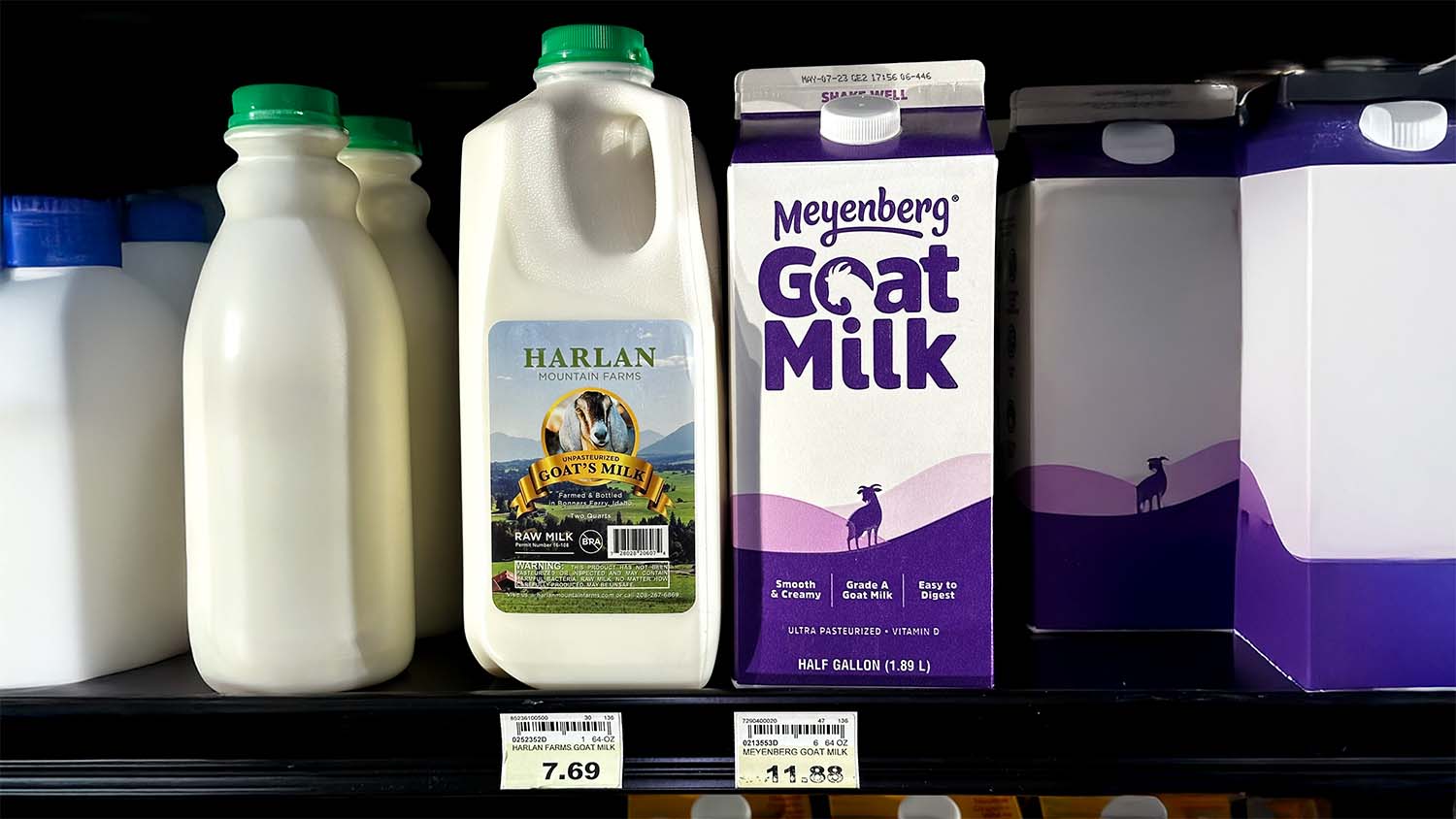
- Goat and sheep milk. The study covers cow’s milk and cheese only.
- Other foods. The ratio compares raw dairy with pasteurized dairy. It says nothing about how raw milk compares with lettuce, chicken or any other food.
- Differences between farms. All raw milk sources are pooled, from licensed and routinely tested dairies to informal and unlicensed ones.
The 96% figure
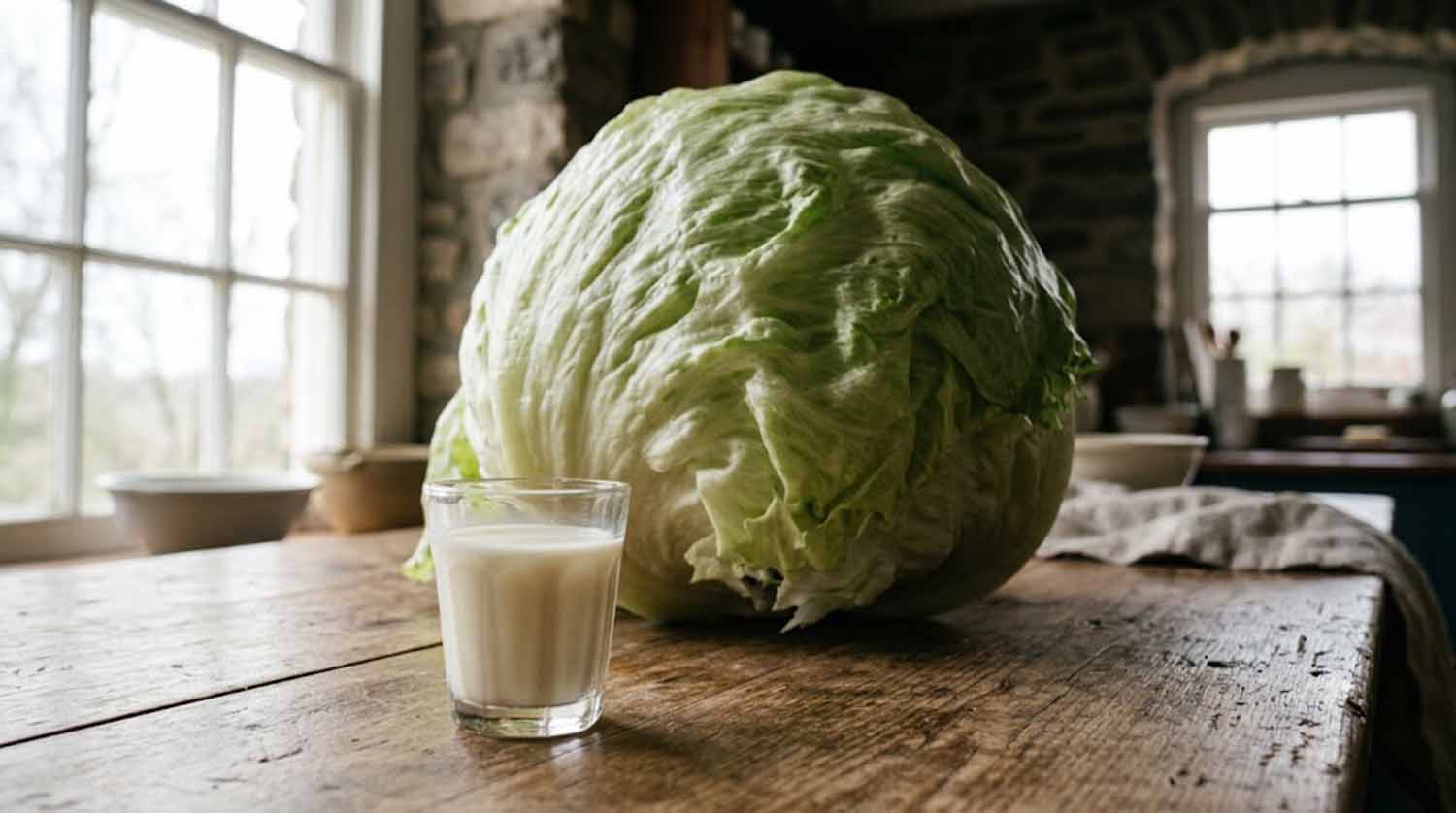
The same paper is the source of the frequently cited claim that raw milk and raw cheese cause 96% of dairy-related illnesses. The figure is accurate within its frame. But 96% of about 761 illnesses a year is about 730 illnesses, across a consumer base of roughly 10 million people. For scale, a 2024 study by Yang and Scharff in the Journal of Food Protection estimated that leafy greens cause as many as 2.3 million illnesses a year in the United States.
The question to ask
When the 840x figure is quoted without context, the useful follow-up is the one the study itself answers: 840 times what? The answer, from the same paper, is roughly 730 outbreak illnesses a year among about 10 million consumers, or about 1 in 13,000. Both numbers are real. The ratio answers how raw and pasteurized dairy compare per serving. The absolute number answers how often people who drink raw milk actually get sick. Most readers are asking the second question.
For the per-consumer calculation with newer consumer data, see Raw Milk Illness Rate Is Low Per Serving Consumed and Per Consumer.