Wyoming Orders Cody Creamery to Stop Serving Raw Milk Lattes
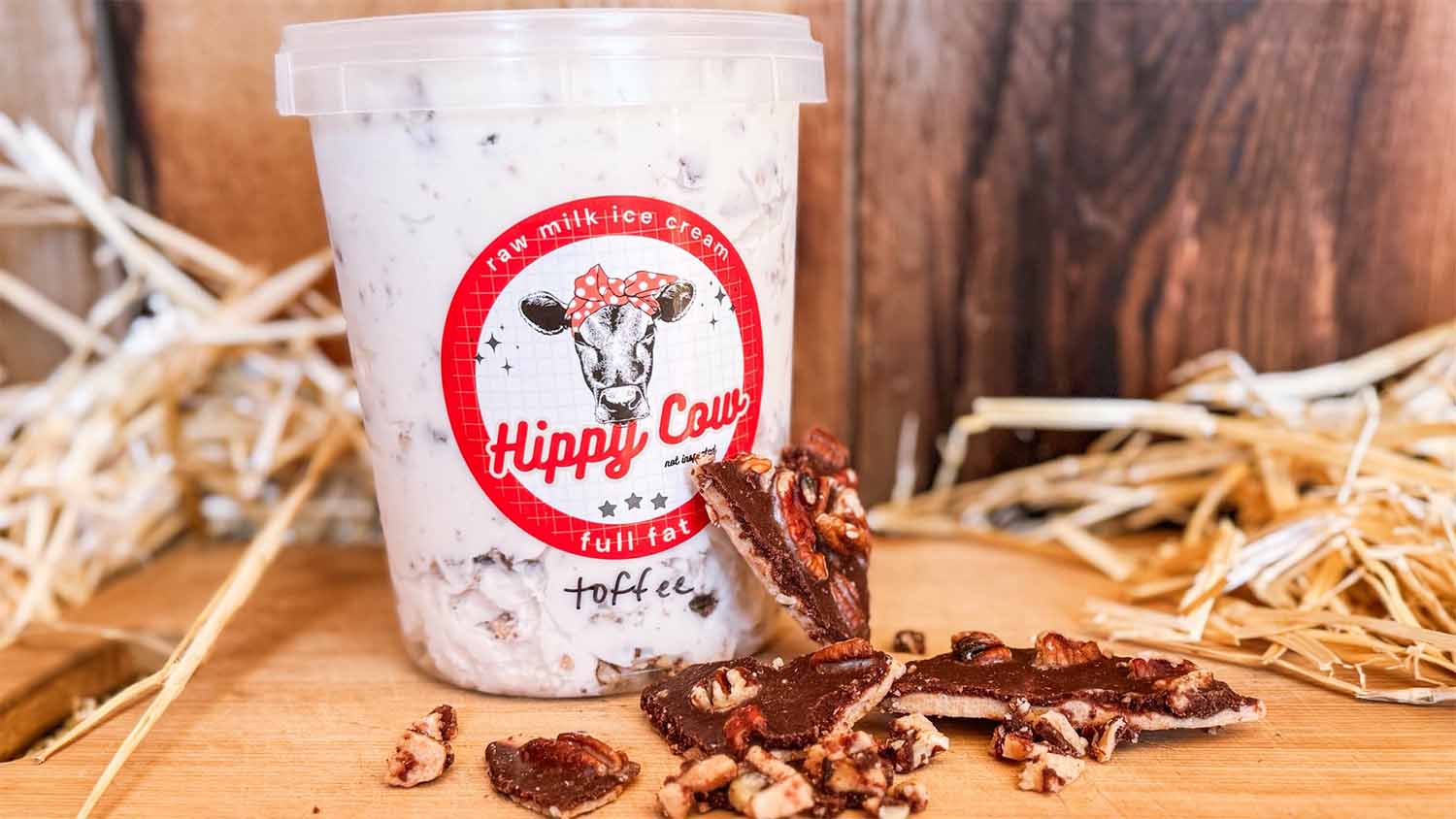
A Wyoming Department of Agriculture inspector issued a cease-and-desist order against Hippy Cow Creamery in Cody in April 2026, directing the family-run dairy to stop mixing its own raw milk into lattes at its retail location. The move drew an immediate challenge from Tyler Lindholm, the former state legislator who wrote Wyoming’s Food Freedom Act, who said he could find no statute that prohibits a licensed dairy producer from serving drinks made with its own milk at its own retail counter.
The Creamery
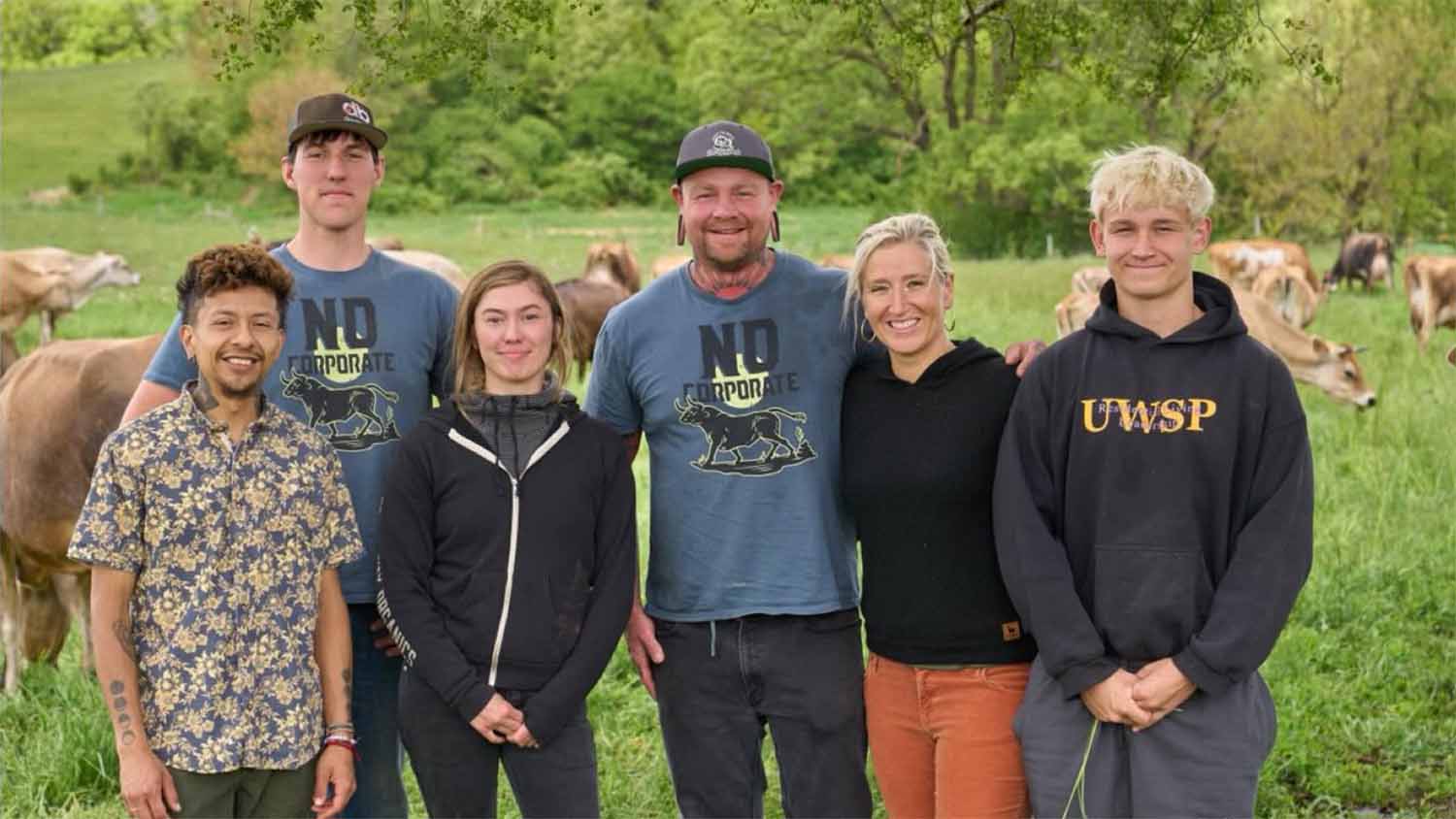
Hippy Cow Creamery was started by sisters Sadie Howard and Maggie Haron, who initially wanted a steady supply of raw milk for their own families. The operation began with a single Jersey cow and within one year grew to five cows, more than 100 weekly subscribers, and a customer waiting list. According to a November 2024 profile, the family milks directly into a sealed bucket that moves immediately into a temperature-controlled vat held at 38 degrees Fahrenheit. The creamery is self-funded, carrying no outside debt.
The espresso bar was not part of the original business plan. Howard told Cowboy State Daily the creamery began sharing drinks with friends and word spread on its own. The raw milk latte became the top-selling item at the retail location.
The Inspection
The WDA inspector’s visit was initially triggered by concerns about other vendors at the location selling prepared meat-containing foods. Attention shifted to the espresso bar. The inspector told Howard that the creamery would need its milk pasteurized and inspected before it could legally serve lattes on-site.
The inspector offered two alternatives: Howard could premix the drinks at the farm and transport them to the store, or she could set out a shot of espresso and a small bottle of raw milk and let the customer combine them at the table. Mixing the milk into a drink, frothing it, or adding flavoring behind the counter was prohibited. The result was a cease-and-desist covering all coffee sales at the location. The order did not identify a specific statute the creamery had violated.
A WDA representative called Howard again on the following Friday and continued to back the inspector’s ruling while indicating the agency would investigate the matter further.
Lindholm’s Challenge
Lindholm, now Wyoming State Director for Americans for Prosperity and a working rancher in Crook County, said he reviewed Wyoming Statute 11-49-103 and could not identify the legal basis for the order.
“I mean, I’m looking at the law right now, and I don’t see anywhere they would be deriving that from,” he told Cowboy State Daily.
The statute specifies that the seller of eggs, dairy products, or a homemade food product consisting of non-potentially hazardous food may be the producer of the item, a designated agent of the producer, or a third-party vendor including a retail shop or grocery store. As the producer of the milk selling from its own retail space, Hippy Cow occupies two of those categories at once.
Lindholm also pointed to the internal contradiction in the inspector’s position. Selling a bottle of raw milk and a shot of espresso side by side was permissible under the order. Combining them at the counter was not.
“What’s the danger in putting cream in coffee at this point?” Lindholm said. “They’re allowed to still sell cream and still sell coffee. It’s just combining the two that could be very scary?”
The inspector also flagged burritos the creamery was selling as a designated agent for a third-party food vendor. The burritos were made with USDA-inspected meat in a licensed commercial kitchen. Lindholm said that arrangement is covered under both federal and state law.
The State’s Position
WDA spokesman Derek Grant confirmed the agency is in discussions with Hippy Cow and said it is working to “rectify the situation.” He did not identify the specific provision cited in the cease-and-desist and did not address Lindholm’s statutory argument on the record. Grant told Cowboy State Daily that inspectors are responsible for enforcing Wyoming statutes and applicable federal law, and that the stakes around food safety are high.
Background: The Wyoming Food Freedom Act
Wyoming became the first state in the country to pass a Food Freedom Act when then-state Representative Tyler Lindholm sponsored W.S. 11-49-101 through 11-49-103, which took effect March 3, 2015. The law was designed to allow direct sales of homemade food and agricultural products between producers and informed end consumers without requiring state licensing, permitting, inspection, packaging, or labeling.
Lindholm told Cowboy State Daily in 2024 that the motivation was straightforward: it had become unreasonably difficult for neighbors to sell each other ordinary food products. “It was just nuts,” he said.
The law has been expanded several times. In 2017, Lindholm sponsored amendments adding rabbit meat and farm-raised fish and allowing Food Freedom products to be sold in the same establishment as regulated goods. A 2020 amendmentbroadened the law to allow sales of homemade non-potentially-hazardous foods at third-party retail locations. The most recent expansion came through Senate File 102 in 2023, which explicitly added dairy products to the list of goods that any person may sell under the act, defined “designated agent” in statute for the first time, and prohibited the Wyoming Department of Agriculture from setting food and health inspection standards more stringent than those of the U.S. Department of Agriculture.
Wyoming’s Food Freedom Act has since served as a legislative model in other states. As of 2024, Lindholm noted that there have been no confirmed foodborne illness outbreaks attributable to the non-dairy provisions of the act since its passage. The state now has 13 year-round farmer’s market-style stores operating under the law.
The law applies only to intrastate transactions. It does not apply to out-of-state producers or interstate commerce, and it does not override federal inspection requirements on products such as meat.
Prior Enforcement Conflict
This is the second time since March 2026 that the Food Freedom Act’s author has publicly disputed a WDA enforcement action.
In late March, WDA inspectors visited WyFresh Farm, an urban farm stand outside Cheyenne, following a complaint from the Laramie County Public Health Department alleging the farm was selling meat without a retail food license. The WDA seized USDA-inspected beef from the property and locked the farm’s freezers with tags reading “No retail food license.” The farm’s co-owner said the business had reached an agreement with the WDA in 2022 establishing that no license was required.
Lindholm argued that WyFresh was operating as a designated agent for licensed meat vendors and should not require its own retail food license. The WDA countered that meat is subject to federal inspection requirements the Food Freedom Act cannot override. The WDA reported it had handled eight cases involving the unlicensed sale of meat since January 1, 2026.
Lindholm drew a distinction between the two situations. “With the WyFresh deal in Cheyenne, I think you can justify the confusion or the difference of opinion,” he told Cowboy State Daily. “But in Cody I can’t see where this inspector is coming from.”
The Owner’s Take
Co-owner Sadie Howard told Cowboy State Daily she is not opposed to pasteurization in large-scale commercial distribution contexts. Her point is that a small dairy selling directly to neighbors is a different situation entirely.
“This is focused on our community,” she said. “I think that’s what kind of needs to come back to America is small farms, small dairies, providing for their own community.”
Legislative Response
Lindholm said multiple state legislators reached out to him after news of the order became public. He said he has been assured that legislators will move to clarify the law in the short term and consider broader statutory changes ahead of the next session.
It would not be the first time Wyoming has amended the Food Freedom Act in response to inconsistent inspector interpretations. The 2023 Senate File 102 passed specifically to resolve ambiguities that had led to varying enforcement decisions across the state. Lindholm said he plans to push for additional clarifying legislation when lawmakers convene again.