Does Raw Milk Reduce Allergies?
Allergy rates have climbed steadily across industrialized countries for decades. Asthma, hay fever, eczema, and food allergies now affect a significant share of children and adults in wealthy nations, a trend that has prompted researchers to look more carefully at the role of diet and early-life exposures. Over the past two decades, a consistent body of epidemiological and laboratory evidence has pointed toward raw milk as a factor associated with reduced allergy risk. The findings are not definitive, and randomized controlled trials in humans remain limited, but the volume and consistency of the data are substantial enough to take seriously.
This article reviews the key studies, explains what they found, and addresses the legitimate criticisms that researchers and public health officials have raised.
A Lesson From Peanuts: Avoidance Can Create Allergies
Before examining the raw milk data, it is worth understanding a broader shift that has taken place in allergy science, one that directly informs how researchers now think about early food exposure.
For decades, pediatric guidelines in the United States and United Kingdom advised parents to avoid feeding peanuts to infants considered at high risk for allergy. The logic seemed intuitive: keep allergenic foods away from vulnerable children. Peanut allergy rates doubled in the years that followed.
In 2015, the Learning Early About Peanut Allergy (LEAP) trial, a randomized controlled study published in the New England Journal of Medicine, upended that conventional wisdom. Researchers enrolled 640 high-risk infants with severe eczema, egg allergy, or both, and randomly assigned them to either consume peanut products or avoid them from four to eleven months of age through age five. Among the avoidance group, 17% developed peanut allergy by age five. Among the consumption group, only 3% did. Early, sustained peanut exposure reduced peanut allergy development by roughly 81% in high-risk infants.
A 2024 follow-up published in NEJM Evidence confirmed the protection persisted into adolescence. At age 12, peanut allergy prevalence was 4.4% among those who had consumed peanut early versus 15.4% among avoiders, a 71% reduction that held even with at-will peanut consumption in the intervening years. Lead investigator Professor Gideon Lack stated plainly that decades of avoidance advice “was incorrect and may have contributed to the rise in peanut and other food allergies.”
The LEAP trial established a principle that has since shaped how immunologists approach early food exposure more broadly: oral contact with food antigens during critical developmental windows appears to promote tolerance rather than sensitization, and avoidance during those windows can produce the opposite of the intended result. That principle sits at the center of ongoing research into raw milk and atopic disease.
The Farm Effect: Where the Research Began
Scientists first noticed that children raised on traditional European farms had remarkably low rates of asthma, hay fever, and atopic sensitization compared to children growing up in cities or even rural non-farming households. This became known as the “farm effect,” and researchers spent years trying to isolate which specific exposures were responsible.
Animal contact, barn dust, microbial diversity in the environment, and diet all emerged as candidates. Among the dietary factors, the consumption of raw, unprocessed milk from farm animals stood out repeatedly as a strong independent predictor of protection.
The Major Epidemiological Studies
PARSIFAL (2007)
One of the earliest large-scale investigations, the PARSIFAL study enrolled more than 14,800 children across Austria, Germany, the Netherlands, Sweden, and Switzerland. Published in Clinical and Experimental Allergy, it found a significant inverse association between farm milk consumption and childhood asthma, meaning children who consumed farm milk had notably lower rates of asthma regardless of whether they lived on a farm or in suburban areas.
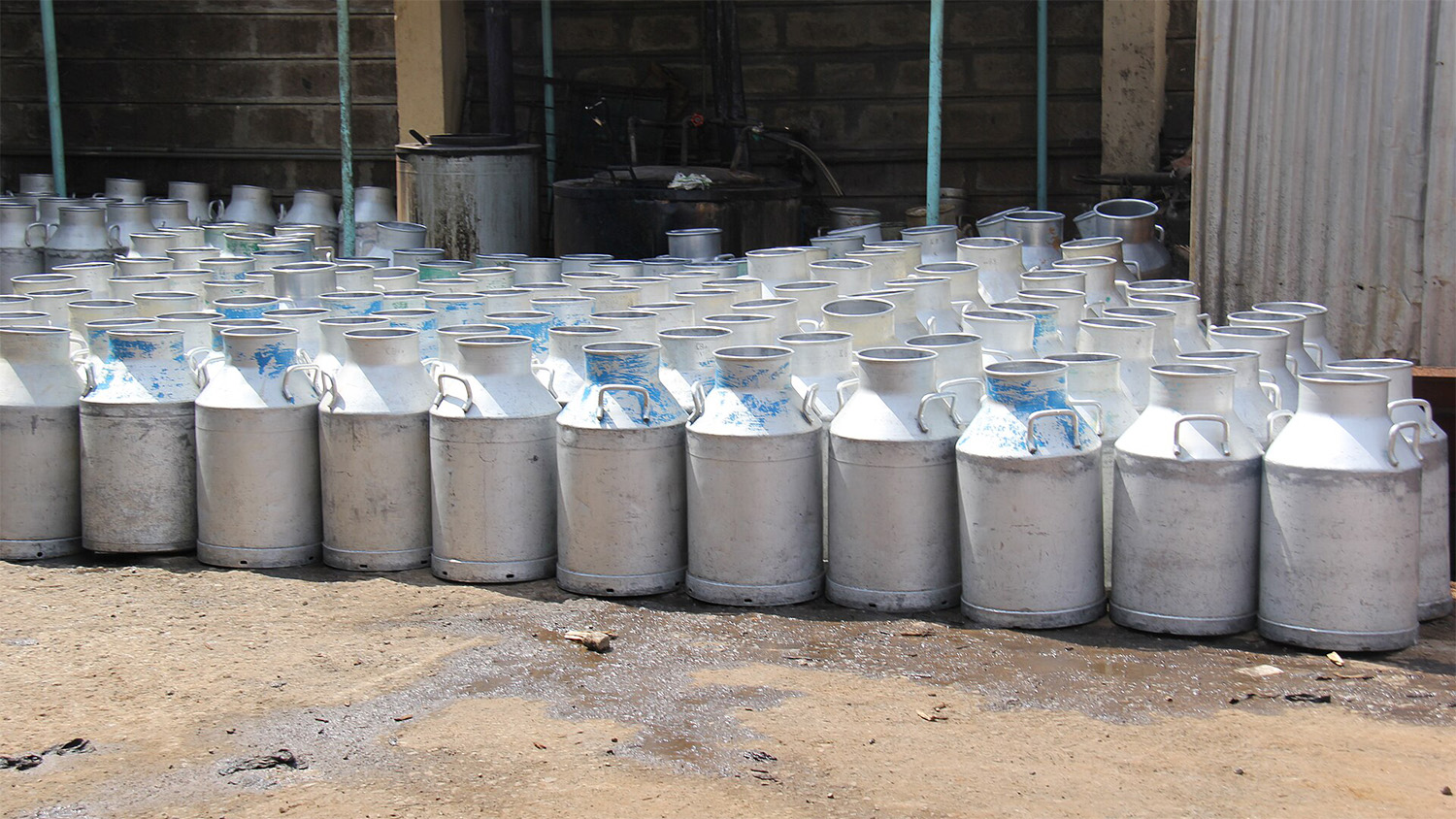
A common criticism of this study is that it could not objectively confirm whether the farm milk consumed was raw or pasteurized, which limits how strongly its findings can be attributed specifically to raw milk. That limitation, however, cuts both ways. Raw milk consumption is far more common among conventional dairy farming households than is widely assumed: many farmers simply tap their own bulk tanks before the milk ships to the processor, a practice that is widespread and largely invisible to official surveys. Studies relying on self-reported “farm milk” consumption may be capturing raw milk consumption to a greater degree than critics assume.
GABRIELA (2011)
The GABRIELA study, published in the Journal of Allergy and Clinical Immunology, enrolled 8,334 school-aged children in Germany, Austria, and Switzerland. It went further than PARSIFAL by actually testing milk samples collected from participants’ homes, measuring whey protein levels, bacterial counts, fat content, and heat-treatment status.
Raw milk consumption was independently associated with lower rates of asthma (adjusted odds ratio 0.59), atopy (0.74), and hay fever (0.51) compared to children not drinking raw milk, and these associations held up even after controlling for other farm exposures. Boiled farm milk showed no protective effect, suggesting the benefit was specifically tied to heat-sensitive components of the milk rather than to the farm environment alone.
Whey proteins emerged as the likely active agents. Higher levels of bovine serum albumin, alpha-lactalbumin, and beta-lactoglobulin in the milk samples were each independently associated with reduced asthma risk. These proteins are partially or fully denatured by pasteurization temperatures.
PASTURE (2016)
The PASTURE cohort, which followed more than 900 children in Germany, Austria, Switzerland, Finland, and France from birth to age six, confirmed and extended those findings. The study found that continuous consumption of raw farm milk throughout childhood was associated with protection against asthma at school age, and that this association grew stronger over time with ongoing consumption. A companion analysis from the same cohort also identified higher omega-3 fatty acid levels in raw milk as a contributing factor, published in the Journal of Allergy and Clinical Immunology in 2016.
2019 Meta-Analysis
A 2019 meta-analysis published in the Journal of Allergy and Clinical Immunology: In Practice synthesized findings from 12 publications covering 8 separate studies, including PARSIFAL, GABRIELA, PASTURE, and the ALEX study. The pooled results showed that early-life raw milk consumption was associated with:
- 42% lower odds of asthma (odds ratio 0.58)
- 34% lower odds of current wheeze (OR 0.66)
- 32% lower odds of hay fever or allergic rhinitis (OR 0.68)
- 24% lower odds of atopic sensitization (OR 0.76)
Critically, the protective association for asthma was observed not only in farm children (OR 0.62) but also in children living in rural areas who were not on farms (OR 0.60), strengthening the case that the benefit is linked to the milk itself rather than to farm life more broadly.
The Laboratory Evidence
Epidemiological studies show correlation, not causation. But laboratory research has moved toward identifying mechanisms that could explain the associations, and the findings support the same general picture.
Processing Increases Allergenicity
A 2019 study by Abbring et al., published in Clinical and Experimental Allergy, is among the most significant in recent years. Researchers used a mouse model of food allergy and also conducted a small human pilot trial with cow’s milk-allergic children.
In the mouse experiments, animals sensitized to raw milk showed far fewer acute allergic symptoms than animals sensitized to processed milk. Allergen-specific IgE levels and Th2 cytokine concentrations were both lower in the raw milk group.
The human pilot found that, in an oral provocation trial, cow’s milk-allergic children tolerated raw milk up to 50 mL, whereas they only tolerated 8.6 mL of shop milk on average (p = 0.0078). The authors concluded: “raw (unprocessed) cow’s milk and native whey proteins have a lower allergenicity than their processed counterparts.” They also noted explicitly that “the consumption of raw milk is therefore not recommended by the WHO,” and framed the study’s value as pointing toward “the development of new dietary concepts aimed at safe allergy management” rather than toward raw milk consumption itself.
The 2021 Frontiers in Pediatrics review by Baars et al. echoed the pilot findings, noting that “there are indications that unpasteurized milk may be better tolerated than shop milk by cow’s milk allergic children,” while stopping short of any clinical recommendation.
Heat-Sensitive Components Drive the Protection
A related 2019 study by the same Utrecht University group found that the allergy-protective effects of raw milk in mice were retained after skimming but completely abolished after pasteurization. This pointed researchers toward heat-sensitive proteins rather than fat as the key protective agents. The enzyme alkaline phosphatase (ALP), which is naturally present in raw milk and destroyed by pasteurization, was identified as one candidate. Spiking pasteurized milk with ALP partially restored the allergy-protective effect.
Gut Microbiome Shifts
A 2021 study published in the International Journal of Molecular Sciences investigated how raw versus pasteurized milk consumption affected the gut microbiome of mice before and after allergic sensitization. Raw milk consumption increased the relative abundance of butyrate-producing bacteria, a bacterial group associated with immune regulation and gut barrier function, while pasteurized milk consumption was associated with a shift toward putative pro-inflammatory Proteobacteria. Adding ALP to pasteurized milk partially restored the microbiome changes seen with raw milk. The authors noted that this knowledge is “key for the development of new, microbiologically safe, preventive strategies to reduce the incidence of allergic diseases.”
Epigenetic Mechanisms
A separate 2019 study found that raw milk exposure in mice reduced food allergic symptoms alongside higher histone acetylation levels at genes governing Th1, Th2, and regulatory T cell responses. Processed milk did not produce the same epigenetic modifications. The authors suggested these changes may indicate that raw milk influences immune programming beyond simply delivering specific proteins or microbes, though they noted the mechanisms require further investigation.
What Critics and Regulators Say
The research is not without genuine limitations, and those deserve honest treatment.
Observational study design. The major epidemiological studies are observational. They cannot prove that raw milk causes the reduction in allergy risk. Families who choose raw milk may differ from other families in ways that are difficult to fully control for, including diet, lifestyle, time outdoors, and general health orientation. The GABRIELA study is the strongest in this respect because it objectively measured milk constituents rather than relying solely on parental reports, and it specifically found that the benefit was tied to unheated milk rather than to farm life itself.
Confounding by the farm environment. Some critics argue that the real driver is the broader farm environment, including barn dust, animal contact, and microbial diversity in household dust, rather than raw milk specifically. The meta-analysis and the GABRIELA data both address this by demonstrating protection in non-farm children who consumed raw milk and by controlling for farm-related exposures statistically.
Small human trials. The Abbring provocation pilot involved only a small number of children, and the authors themselves flagged it as a proof-of-concept study requiring follow-up. It has not been replicated in a larger randomized controlled trial.
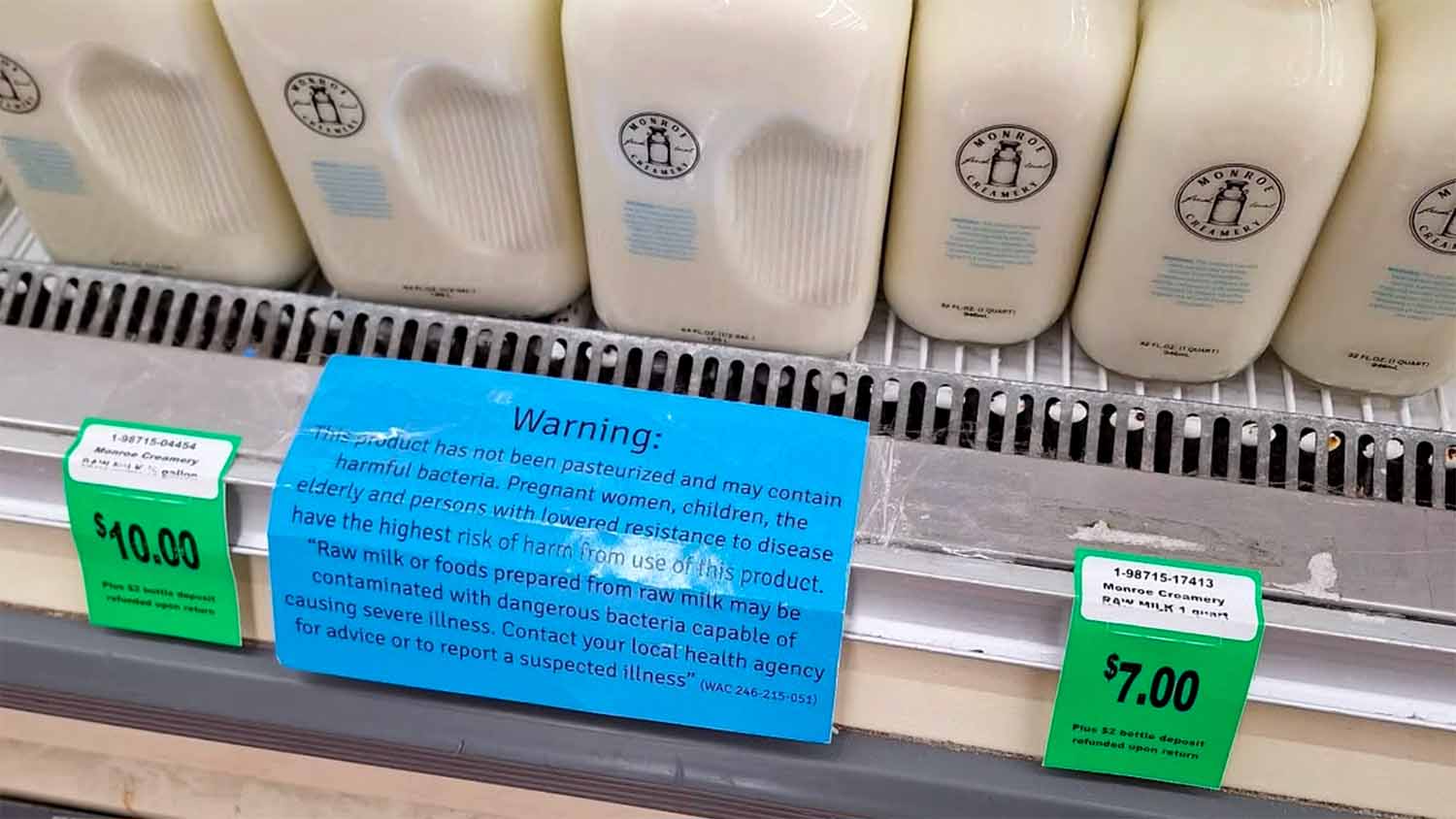
Foodborne illness risk. Public health agencies consistently emphasize that raw milk can harbor pathogens including Salmonella, Listeria, E. coli O157:H7, and Campylobacter. This risk is real and particularly relevant for immunocompromised individuals, pregnant women, the elderly, and young children. The Abbring study authors stated directly that raw milk consumption is not recommended by the WHO, and the PASTURE study authors explicitly stated they refrain from recommending untreated milk given pathogen risks. Researchers working in this field are nearly uniform in separating their findings from any public health endorsement.
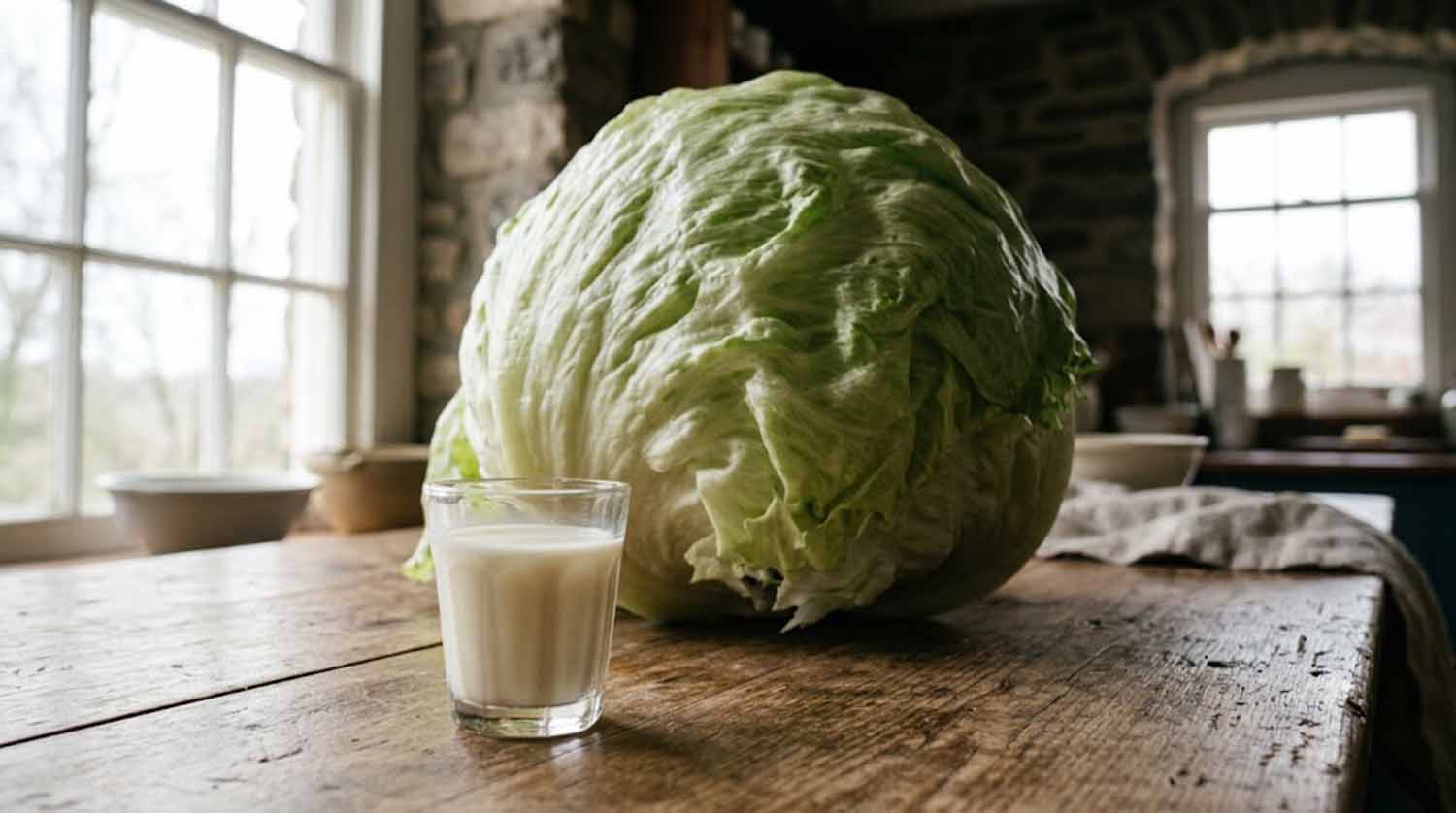
Raw milk’s absolute risk figures are frequently cited in isolation. A comparison of raw milk illness data with other commonly consumed foods draws on the same CDC datasets and shows that leafy greens, oysters, and pasteurized dairy products each account for substantial illness and death within those figures.
The PARSIFAL farm milk limitation. As noted above, the PARSIFAL study acknowledged it could not confirm the raw status of the milk being consumed. That said, raw milk consumption by farming households is more common than the public health framing of that study tends to acknowledge, which may reduce the significance of that limitation.
What the Evidence Does and Does Not Support
The research supports several consistent findings. A substantial epidemiological association exists between raw milk consumption in childhood and reduced rates of asthma, hay fever, and atopic sensitization across multiple large European studies. This association holds up independently of other farm exposures. Heat-sensitive components of milk, particularly native whey proteins, are plausible biological drivers of this effect, supported by pre-clinical evidence. The 2019 meta-analysis authors noted that “children not living on a farm can theoretically profit from this effect,” though they stopped well short of a clinical recommendation and called for interventional trials to confirm the findings.
The research does not support any clinical recommendation to consume raw milk for allergy prevention. The authors of the primary studies say so themselves. The absence of large-scale randomized controlled trials in humans remains the central gap, and the pathogen risks that come with raw milk are real and documented.
The Larger Picture
Allergy and asthma rates have risen sharply in countries where raw milk consumption has declined and industrial dairy processing has become near-universal. Whether those two trends are meaningfully connected or merely coincidental is a question that a growing body of research is taking seriously.
The peanut example offers a useful frame. For decades, avoidance was assumed to be protective. The data eventually showed the opposite. Researchers in the raw milk field are now asking a structurally similar question: whether removing heat-sensitive immune-modulating components from a food that humans have consumed for thousands of years has had unintended consequences for populations that no longer encounter those components in infancy and childhood.
The science is not settled. The published record contains a substantial and mechanistically grounded body of evidence on the relationship between raw milk and atopic disease. The researchers who produced that evidence are also, almost without exception, the same ones who call for larger human trials before any dietary guidance conclusions can be drawn.
Key Studies Referenced
- Du Toit et al. (2015). Randomized trial of peanut consumption in infants at risk for peanut allergy (LEAP). New England Journal of Medicine.
- Du Toit et al. (2024). Follow-up to adolescence after early peanut introduction for allergy prevention (LEAP-Trio).NEJM Evidence.
- Waser et al. (2007). Inverse association of farm milk consumption with asthma and allergy in rural and suburban populations across Europe (PARSIFAL). Clinical and Experimental Allergy.
- Loss et al. (2011). The protective effect of farm milk consumption on childhood asthma and atopy: The GABRIELA study. Journal of Allergy and Clinical Immunology.
- Brick et al. (2016). Omega-3 fatty acids contribute to the asthma-protective effect of unprocessed cow’s milk (PASTURE). Journal of Allergy and Clinical Immunology.
- Abbring et al. (2019). Milk processing increases the allergenicity of cow’s milk: preclinical evidence supported by a human proof-of-concept provocation pilot. Clinical and Experimental Allergy.
- Abbring et al. (2019). Suppression of food allergic symptoms by raw cow’s milk in mice is retained after skimming but abolished after heating. Nutrients.
- Abbring et al. (2019). Raw cow’s milk reduces allergic symptoms in a murine model for food allergy: a potential role for epigenetic modifications. Nutrients.
- Brick et al. (2020). The beneficial effect of farm milk consumption on asthma, allergies, and infections: from meta-analysis of evidence to clinical trial. Journal of Allergy and Clinical Immunology: In Practice.
- Abbring et al. (2021). Raw milk-induced protection against food allergic symptoms in mice is accompanied by shifts in microbial community structure. International Journal of Molecular Sciences.
- Baars et al. (2021). Raw cow milk consumption and the atopic march. Frontiers in Pediatrics.