Raw Milk Laws Explained: Licenses, Pet Food Sales, and Herdshares
Raw milk is legal to sell in most U.S. states, but “legal” can mean very different things depending on where you live. A consumer in California can buy raw milk at a grocery store. A consumer in Virginia can own a share of a cow. A consumer in Florida can buy milk labeled for their pet. All three transactions are technically lawful, but they operate under entirely different legal frameworks, with different oversight, different labeling requirements, and different implications for farmers and consumers alike.
This guide explains the three main legal pathways through which raw milk reaches consumers in the United States: licensed retail and on-farm sales, animal feed (pet food) licensing, and private membership arrangements such as herdshares and cowshares.
For the legal status of your specific state, see the Raw Milk Law Map.
1. Licensed Raw Milk for Human Consumption
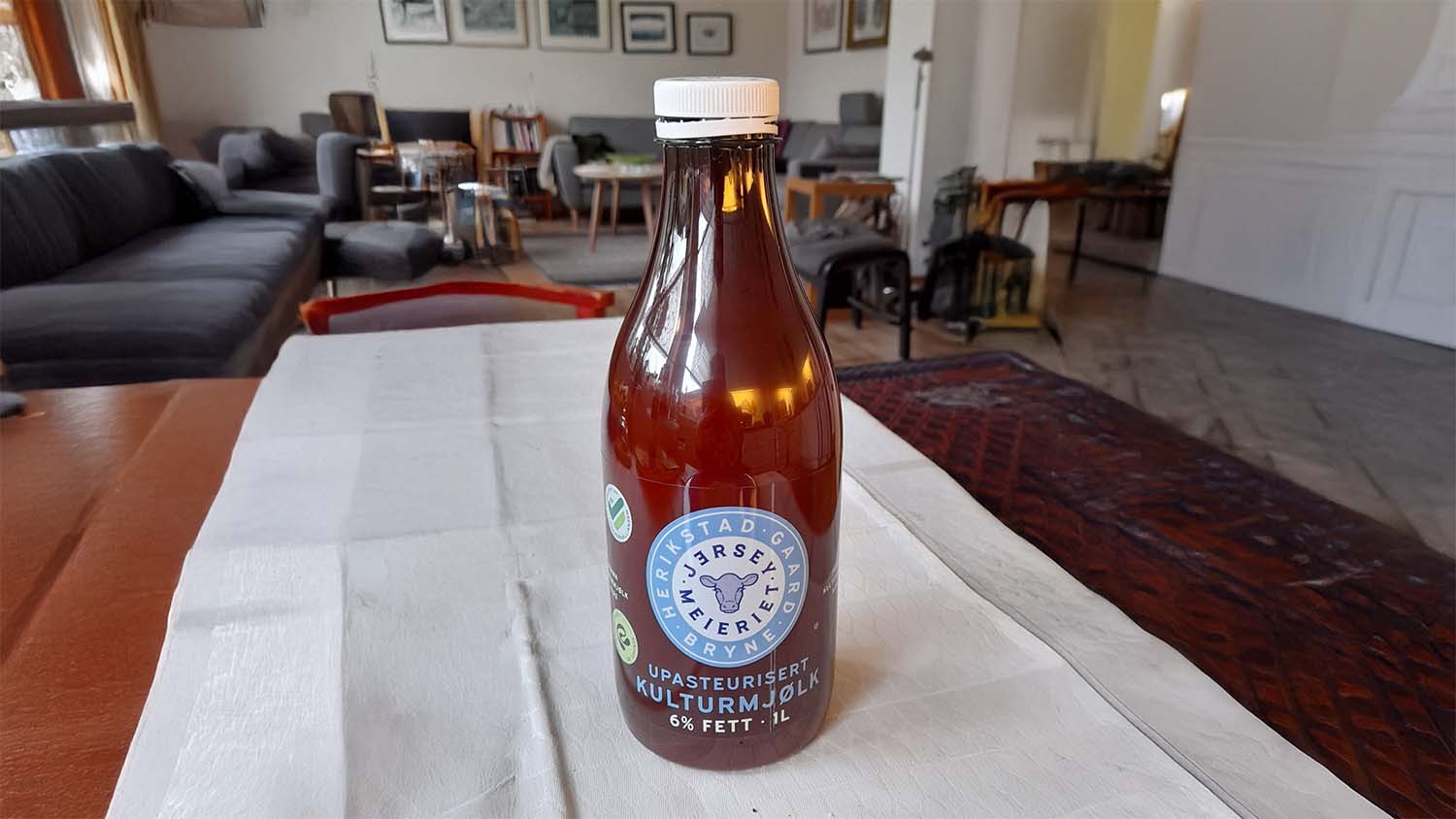
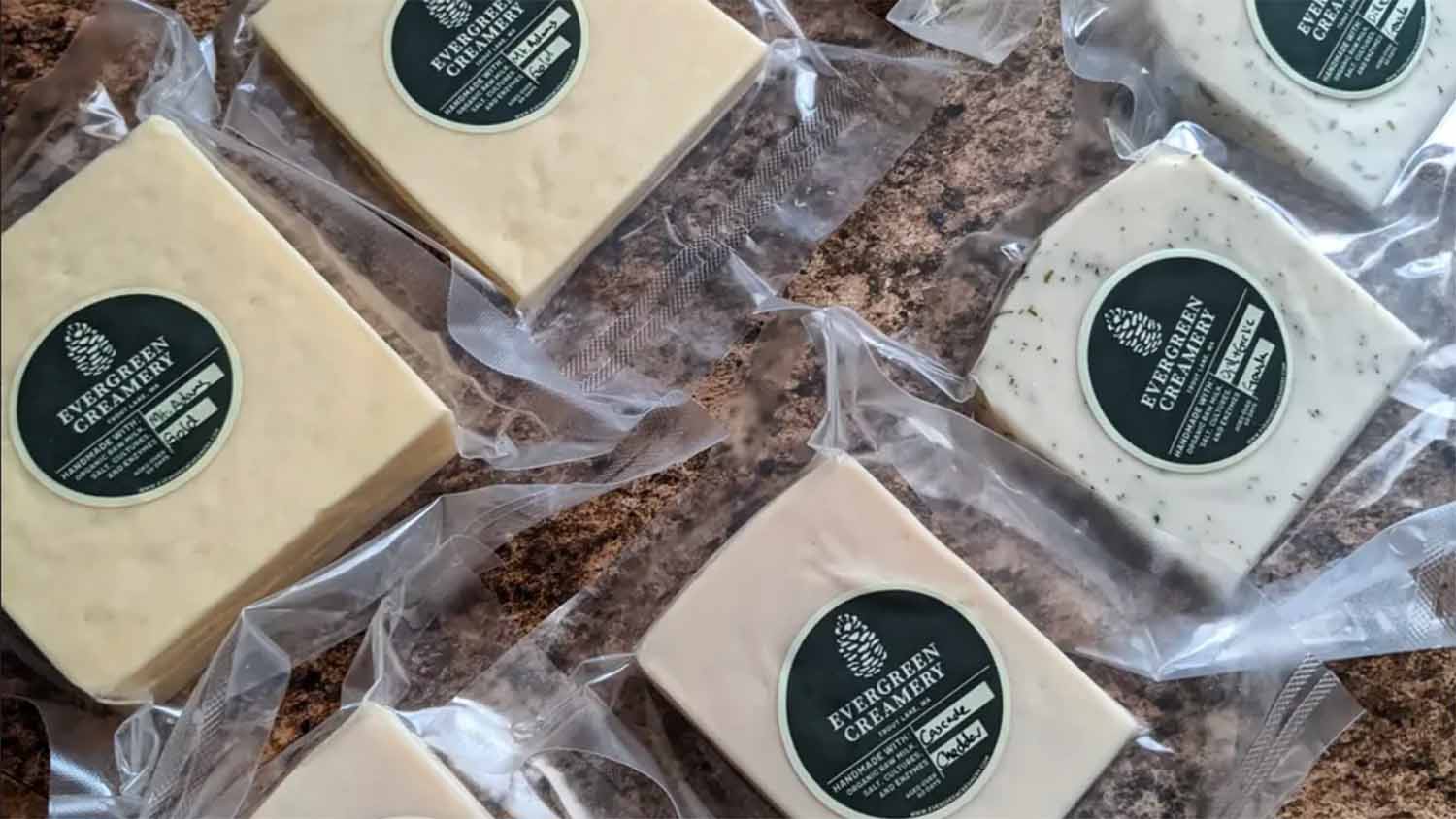
The most straightforward legal pathway is a state-issued license that permits a dairy farm to produce and sell raw milk intended for human consumption. These licenses are issued by state departments of agriculture and typically require farms to meet standards covering animal health, milking facility cleanliness, milk testing, labeling, and in some cases, bacterial count limits.
Licensed raw milk for human consumption generally falls into two subcategories based on where it can be sold.
Retail and On-Farm Sales
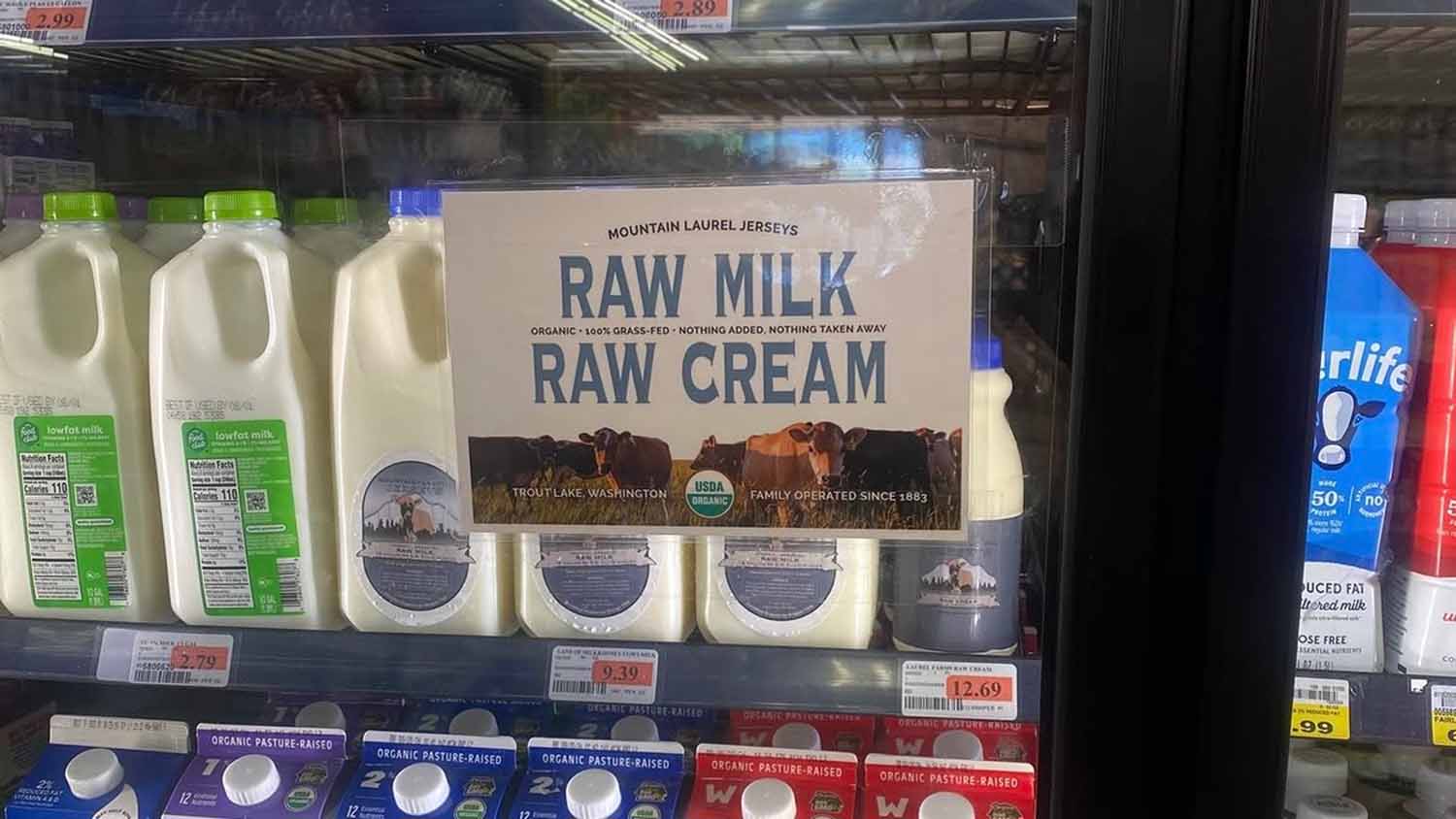
Some states allow licensed raw milk to be sold both directly on the farm and through licensed retail outlets such as grocery stores, co-ops, and natural food stores. States in this category include California, Washington, Pennsylvania, Maine, New Hampshire, New Mexico, South Carolina, Idaho, Arizona, and Connecticut, among others.
In these states, raw milk is treated similarly to other specialty dairy products. Farms must obtain a license, submit to inspections, and meet labeling requirements, but the distribution channel is relatively open. Consumers can purchase raw milk without visiting the farm directly.
On-Farm Sales Only
Other states issue licenses that permit raw milk sales but restrict distribution to the farm premises. Consumers must travel directly to the farm to make a purchase. States in this category include Oregon, Minnesota, New York, Massachusetts, Illinois, Iowa, Vermont, Kansas, and others.
Texas occupies a unique position in this category: the state issues licenses that allow on-farm sales and direct home delivery by the producer, but prohibit retail sales through third-party stores.
On-farm-only laws are sometimes framed as consumer protection measures requiring buyers to make a deliberate, informed decision to visit a licensed farm. For farmers, the restriction limits their distribution reach but keeps the compliance path relatively clear.
What Licensing Means in Practice
A state raw milk license for human consumption means the farm has met a defined set of standards, is subject to inspections, and is selling a product labeled and intended for people to drink. The specific standards vary significantly by state (California’s regulatory framework is more stringent than many others), but the fundamental premise is the same: the state has reviewed the farm’s practices and authorized the sale.
Licensed raw milk for human consumption represents the most direct and transparent legal pathway. Consumers know exactly what they are buying and from whom, and farmers operate with clear regulatory guidance.
2. Animal Feed (“Pet Food”) Licensing
A second pathway exists in several states that do not permit licensed raw milk for human consumption but do allow the sale of raw milk labeled and sold under animal feed or animal food statutes. This category is commonly called “pet food” or “pet milk” in informal usage, but the statutory language varies by state. Florida licenses raw milk for sale under animal feed law. North Carolina’s code uses the specific term “pet milk” (GS 106-266.35). Some states use “not for human consumption” as the operative label requirement without specifying a separate license category at all. The legal mechanism differs, but the practical outcome is similar: raw milk reaches consumers under a label that designates it for animal use rather than human consumption.
States where this pathway is available include Florida, Indiana, Maryland, and Alabama, among others.
Georgia is a useful case study in how the pet food and human consumption pathways can coexist. Before 2022, Georgia farms could only distribute raw milk legally under an animal feed license, with retail distribution permitted under animal feed labeling. The Georgia Raw Dairy Act (HB 1175, 2022) added a separate permit system for on-farm direct sales for human consumption, with testing and inspection requirements. Critically, HB 1175 did not eliminate the animal feed pathway. Georgia farmers can now choose between the two tracks: the newer on-farm human consumption permit, or the original retail-eligible feed license with animal use labeling. Both remain valid options, making Georgia one of the more flexible states for raw milk distribution.
North Carolina similarly has both a pet milk pathway and a herdshare pathway running in parallel. Pet milk sales in NC are legal without a permit; producers must submit labels to the state. The two pathways serve different consumer needs and are covered in more detail in Section 3.
What a Pet Food License Actually Is
An animal feed or pet food license is a real, state-issued license, not a loophole or a gray area. These licenses are issued by state departments of agriculture under animal feed statutes and authorize the sale of raw milk as a product intended for animals, not humans. The milk must be labeled accordingly, typically with language stating that the product is for animal consumption only and is not intended for human consumption.
The regulatory standards under an animal feed license are generally less stringent than those applied to milk licensed for human consumption. This makes practical sense: the regulatory framework for animal feed operates under different assumptions about processing, handling, and end use than the framework for human food.
A Note on Milk Quality
The existence of lesser regulatory requirements does not mean that the milk produced under a pet food license is necessarily lower in quality or cleanliness than milk sold under a human consumption license. Many farms operating under animal feed licenses apply the same production practices they would use for any raw milk intended for drinking: rigorous hygiene, regular animal health checks, careful cooling, and frequent testing. The license category reflects the legal framework the state has made available, not an assessment of any individual farm’s practices.
Consumers in states where the pet food pathway is the primary option for accessing raw milk should evaluate farms on their own merits, ask about testing protocols, and make informed decisions accordingly.
Why This Framework Exists
The animal feed licensing pathway exists because state legislatures have found it politically or legally easier to authorize raw milk sales under an existing animal feed framework than to create a new human consumption licensing category. For producers in these states, it represents a legally compliant way to operate. For consumers, it is important to understand that the product is not labeled for human consumption and is held to a different regulatory standard, regardless of how it is used in practice.
3. Herdshares, Cowshares, and Private Membership Associations
The third major pathway does not involve a raw milk license at all. Instead, it is structured around private property rights and contract law.
How Herdshares Work
In a herdshare arrangement, a consumer purchases an ownership interest, typically called a share, in a dairy animal or a herd of dairy animals. The consumer then pays the farmer a boarding and care fee in exchange for a portion of the milk produced by their animal. Legally, the consumer is not purchasing milk; they are receiving a product from an animal they already own a fractional interest in.
This legal distinction is significant. In most states, the sale of raw milk for human consumption is regulated or prohibited, but regulations governing the sale of milk generally do not apply to a property owner receiving the output of their own livestock. A herdshare agreement is structured to fall outside the definition of a milk sale.
States where herdshare arrangements are common and, in many cases, explicitly protected by statute include Virginia, Michigan, Tennessee, Colorado, North Dakota, West Virginia, and Ohio. Many other states have herdshare activity that exists in legal gray areas where the arrangement has not been explicitly authorized but has also not been explicitly prohibited.
North Carolina is an instructive example of a state with both a herdshare pathway and a pet milk pathway running in parallel. Herdshares were banned in NC from 2004 until the NC Farm Act of 2018 (Session Law 2018-113) re-legalized them by statute. The herdshare exemption is written directly into the state’s labeling law (GS 106-266.35): the “NOT FOR HUMAN CONSUMPTION” label requirement that applies to animal feed milk explicitly does not apply to milk dispensed to the independent or partial owner of a cow, goat, or other lactating animal. Alongside this, unlicensed pet milk sales remain legal in NC as long as producers submit labels to the state. The two pathways are legally distinct and serve different consumer situations.
Other Names for Similar Arrangements
The same general concept appears under several names depending on the state and the species involved: cowshares, goatshares, sheepshares, and private membership associations (PMAs) all operate on similar principles. The specific legal protections and requirements vary. Some states have passed legislation explicitly authorizing herdshares. Others have regulatory guidance or attorney general opinions that address them. In some states, the arrangement exists without formal legal recognition, which leaves participants in a more uncertain position.
Oversight and Inspections
Herdshare arrangements are not subject to the routine inspection and licensing regime that applies to licensed dairy operations. Because the transaction is framed as a property arrangement rather than a commercial food sale, state agricultural agencies do not license or routinely inspect herdshare farms the way they would a permitted dairy. There is no equivalent to a dairy permit, no scheduled facility inspections, and no mandatory testing program at the state level.
This does not mean herdshare farms are entirely outside the reach of regulators. If a disease outbreak is traced to a herdshare operation, state and local health authorities retain authority to investigate and intervene for public health containment purposes. The absence of routine licensing inspections reflects the legal structure of the arrangement, not an absence of accountability in the event of a health incident.
Consumers considering a herdshare should ask prospective farms about their testing practices, handling procedures, and animal health protocols, since these will not be independently verified by state inspectors on a scheduled basis.
Summary: Three Pathways, One Product
| Pathway | License Required | Typical Distribution | Regulatory Oversight | Example States |
|---|---|---|---|---|
| Licensed for human consumption (retail) | Yes | Grocery stores, farms | Full dairy inspection regime | CA, WA, PA, ME, NH |
| Licensed for human consumption (on-farm) | Yes | Farm only | Full dairy inspection regime | OR, MN, NY, MA, TX* |
| Animal feed / pet food license | Yes (or label submission only) | Farm, retail | Animal feed standards | FL, GA**, IN, MD, NC*** |
| Herdshare / cowshare / PMA | No | Direct from farm | Not routinely inspected; outbreak response applies | VA, MI, TN, CO, NC*** |
*Texas permits on-farm and direct delivery, not retail store sales. **Georgia has both a pet food/animal feed pathway (retail-eligible) and a separate on-farm human consumption permit added by HB 1175 in 2022. Both remain in force. ***North Carolina has both a pet milk pathway (unlicensed, label submission required) and a herdshare pathway (re-legalized by statute in 2018). They operate in parallel.
This three-pathway legal structure is also one reason the United States has not developed the raw milk vending machine infrastructure common across Italy, France, Slovenia, and Switzerland. In those countries, specific national frameworks authorized not just raw milk sales but the machine format itself, with defined requirements for temperature, labeling, testing, and off-farm placement. No US state has written an equivalent framework. For a full examination of why machines have not emerged even in states where raw milk is legally accessible, see Why Europe Has Raw Milk Vending Machines and the US Doesn’t.
Finding Raw Milk in Your State
The legal pathway available to you depends entirely on where you live. Some states offer multiple options. Georgia, for example, has both on-farm human consumption sales and a pet food pathway. Others have a single available route or no legal route at all.
The Raw Milk Law Map provides a state-by-state overview of the legal framework in each state, including links to relevant statutes and regulatory agencies. The map currently covers all 50 U.S. states.
Understanding the legal framework in your state helps you find raw milk through the appropriate channel and set realistic expectations about what kind of regulatory oversight the farm you are buying from operates under. Whichever pathway applies in your state, the most important factor remains the individual farm’s commitment to clean, careful production.
This article is for informational purposes only and does not constitute legal advice. Laws change. For specific legal guidance, consult an attorney or contact your state department of agriculture. For legal defense resources for farmers, consider visiting the Farm to Consumer Legal Defense Fund.