Iowa HF 2444: Raw Milk Farm Stores, Cottage Foods in Grocery Stores, and Farm-To-Table Dining
Iowa House File 2444 advances from subcommittee — here’s what it means for raw milk access, local food freedom, and farm-based dining in the Hawkeye State.
Find raw milk in Iowa
A promising piece of legislation is moving through the Iowa House. House File 2444 would open new pathways for raw milk sales at farm stores, allow cottage foods to be sold in grocery stores, and create a streamlined licensing structure for farm-to-table dining events. The bill advanced from a House subcommittee on February 18, 2026, and is drawing significant attention from farmers, agritourism advocates, and local food supporters across Iowa.
What Is Iowa House File 2444?
HF 2444 is a multi-part food bill that touches three distinct areas of Iowa food law:
- Division I — Creates a new annual license for farm-to-table events
- Division II — Allows cottage foods to be sold through food establishments (grocery stores)
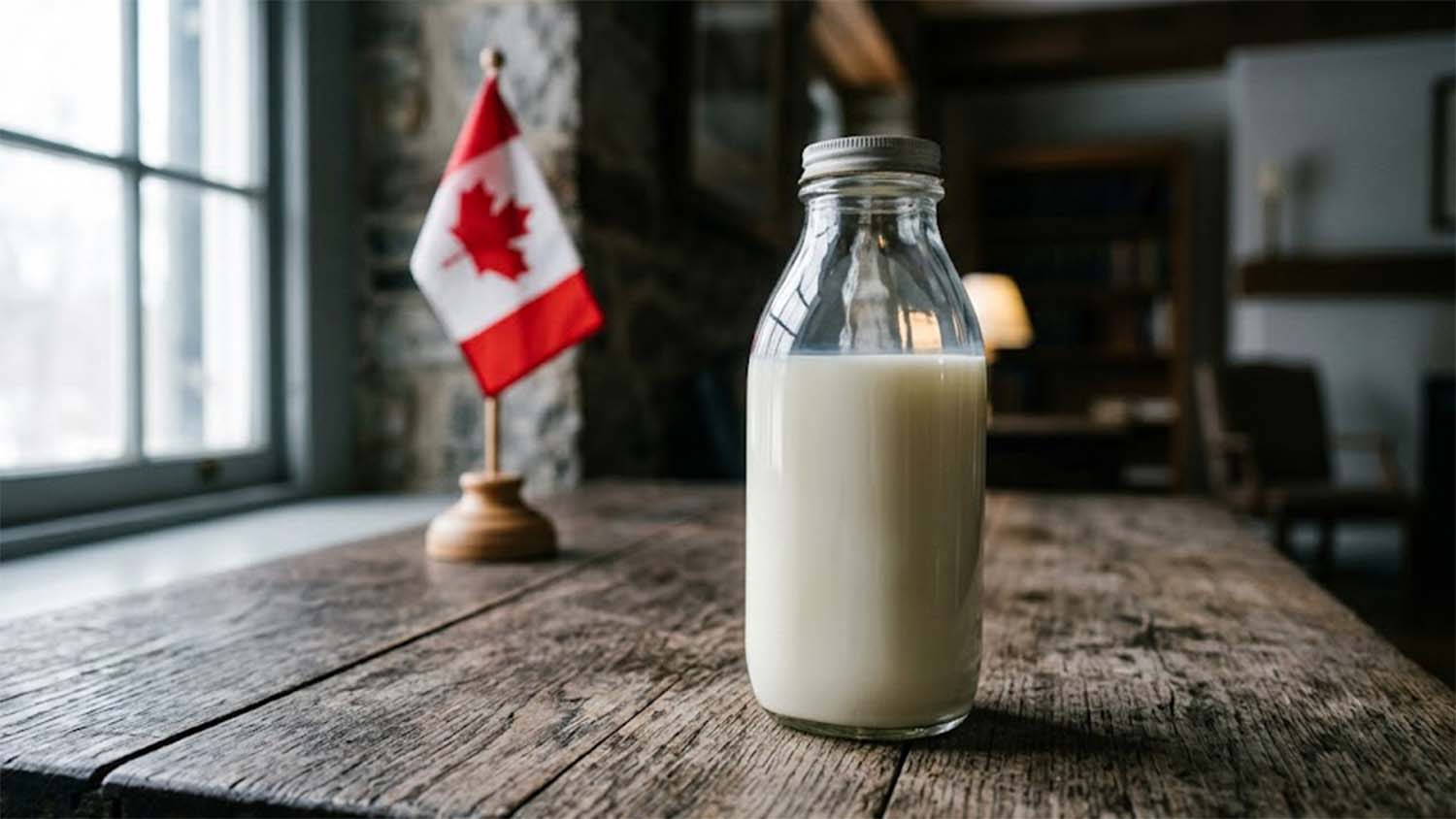
- Division III — Expands where and how raw milk and raw milk products can be distributed
Rep. Ingels described the bill as a way to give farmers “easier access” — whether they want to host dinners on the farm, sell their homemade food products through local retailers, or make raw milk available at a farm store on their property.
Raw Milk Expansion: What the Bill Actually Says
For raw milk supporters, Division III is the most significant portion of the bill. Under current Iowa law (Chapter 195), raw milk can only be sold directly to individual customers at the raw milk dairy farm or delivered to a location specified by the customer. Critically, it cannot be delivered to any retail business, farmers market, home food processing establishment, or food establishment — even one located on the same farm property.
HF 2444 would change that by amending Iowa Code Sections 137D.2A, 137F.8B, and 195.8. The key language in the amended Section 195.8 reads:
“A person may deliver the raw milk to a licensed home food processing establishment regulated under chapter 137D as provided in section 137D.2A or to a licensed food establishment or farmers market regulated under chapter 137F as provided in section 137F.8B.”
The practical effect is that a raw milk dairy could now supply raw milk to licensed establishments located on the same farm property — specifically a farm store selling for off-premises consumption, or a home food processing establishment using raw milk as an ingredient. The amended Section 137F.8B makes clear that the food establishment must be physically located on the dairy farm premises and operating under a valid license:
“Notwithstanding subsection 1, a food establishment that sells or otherwise distributes food for off-premises consumption may market, advertise for sale, offer for sale, or sell or otherwise distribute raw milk, or a manufactured raw milk product or a raw milk dairy product, if all of the following apply:
a. The food establishment is operating under a license issued pursuant to section 137F.4.
b. The food establishment is located on the premises of a raw milk dairy farm where the raw milk is produced and processed, or the raw milk product or raw milk dairy product is manufactured, as provided in chapter 195.
c. The raw milk producer operating the raw milk dairy farm acts in compliance with the requirements in chapter 195.
d. The raw milk, or the raw milk product or raw milk dairy product, meets the requirements of chapter 195, including requirements for distribution as provided in section 195.8.”
This is a meaningful but targeted change. It’s less a dramatic expansion of where Iowans can buy raw milk and more a formalization of on-farm retail structures — allowing a licensed farm store or processing operation on a raw milk dairy to handle and sell raw milk within the existing Chapter 195 framework. Whether it significantly changes the consumer experience compared to current on-farm direct sales will likely depend on how individual farms structure their operations.
What This Means for Iowa Raw Milk Consumers
Iowa already allows on-farm sales of raw milk through a herd-share arrangement or direct-to-consumer model under Chapter 195. What HF 2444 adds is the ability for that same dairy to operate a licensed farm store that sells raw milk and raw milk products to walk-in customers, without requiring a pre-arranged individual sale arrangement.
This matters because:
- It simplifies the transaction for both farmer and customer
- It allows farm stores that already sell meat, eggs, and produce to add raw dairy to their inventory
- It could increase the number of retail-style access points for raw milk in Iowa without requiring off-farm distribution
It’s worth noting that the bill still restricts raw milk to the farm where it is produced — this isn’t a pathway to selling Iowa raw milk in urban grocery stores across the state. But it is a practical step forward for farm-direct raw milk access.
Farm-to-Table Events: A New $100 Annual License
Division I of HF 2444 creates a brand-new license category under Iowa Code Chapter 137F for “farm-to-table events.” The bill defines this as:
“An event where food is stored, prepared, and served on a farm as defined in section 673A.3, if all of the following apply:
a. The person operating the event holds a legal interest in the farm.
b. The principal source of income annually generated from the farm does not, during the previous licensing period if applicable, derive from the operation of all events conducted on the farm during that period.
c. Any meal served by the person or on behalf of the person at the event complies with all of the following:(1) Is prepared on the farm for on-premises consumption. (2) Is served outside a building, unless otherwise provided by rules adopted by the department… (3) Includes a food entree that has as a principal ingredient, but not necessarily the main ingredient, a farm commodity as defined in section 673A.3 that was produced on the farm.”
The annual license fee is just $100 and covers all farm-to-table events held on the farm for the entire year — regardless of how many events are conducted. This is a huge improvement over the current situation, where farms holding food events must navigate regulations designed for permanent food establishments, adding significant cost and bureaucratic friction.
The Iowa Department of Agriculture and Land Stewardship noted that more producers are interested in hosting farm-to-table events as part of the state’s Choose Iowa program and has been looking for a workable solution with the Iowa Department of Inspections, Appeals, and Licensing (DIAL). selling Iowa raw milk in urban grocery stores across the state. But it is a significant and practical step forward for farm-direct raw milk access.
Farm-to-Table Events: A New $100 Annual License
Division I of HF 2444 creates a brand-new license category under Iowa Code Chapter 137F for “farm-to-table events.” The bill defines this as:
“An event where food is stored, prepared, and served on a farm as defined in section 673A.3, if all of the following apply:
a. The person operating the event holds a legal interest in the farm.
b. The principal source of income annually generated from the farm does not, during the previous licensing period if applicable, derive from the operation of all events conducted on the farm during that period.
c. Any meal served by the person or on behalf of the person at the event complies with all of the following:(1) Is prepared on the farm for on-premises consumption. (2) Is served outside a building, unless otherwise provided by rules adopted by the department… (3) Includes a food entree that has as a principal ingredient, but not necessarily the main ingredient, a farm commodity as defined in section 673A.3 that was produced on the farm.”
The annual license fee is just $100 and covers all farm-to-table events held on the farm for the entire year — regardless of how many events are conducted. This is a huge improvement over the current situation, where farms holding food events must navigate regulations designed for permanent food establishments, adding significant cost and bureaucratic friction.
The Iowa Department of Agriculture and Land Stewardship noted that more producers are interested in hosting farm-to-table events as part of the state’s Choose Iowa program and has been looking for a workable solution with the Iowa Department of Inspections, Appeals, and Licensing (DIAL).
Cottage Foods in Grocery Stores: Division II
Division II of the bill opens another new market channel: allowing cottage foods to be sold in licensed food establishments (think: local grocery stores, co-ops, specialty food shops).
Currently, Iowa’s cottage food exemption only applies when food is sold directly to the consumer by the producer, or delivered by the producer or their agent. HF 2444 would create new Section 137F.21, allowing a licensed food establishment to sell cottage foods — provided:
“The food establishment shall not intermingle cottage food with food that is not cottage food. The food establishment shall not store cottage food and other food on the same shelf or as part of the same display.”
Additionally, the store must post a conspicuous notice wherever the cottage food is sold, stating:
“COTTAGE FOOD — This product was produced at a residential property that is exempt from state licensing and inspection. See the available information provided on the packaged label or a fact sheet made available at this store.”
Subcommittee Chair Rep. Shannon Latham made the rationale clear: Iowa stores can currently purchase processed goods from out-of-state producers and sell them on their shelves, but they cannot legally carry locally produced cottage foods. HF 2444 is designed to fix that inconsistency and open a new commercial outlet for Iowa’s home food producers.
Opposition and Outstanding Questions
The bill was opposed by the Iowa Environmental Health Association, whose representative Jefferson Fink argued that HF 2444 creates “work-arounds to our already existing food safety regulations.” Fink raised concerns about inspection capacity, costs not being covered by the $100 annual license fee, and the bill being silent on issues like restroom access, well water testing, and meat slaughtering at farm events.
Rep. Latham clarified that the farm-to-table license is oriented toward agritourism dining experiences rather than full-scale meat processing, and that the Iowa Department of Agriculture would still need to work through implementation details with DIAL.
Sara Throener, speaking for DIAL, raised a legal point about cottage foods: once a cottage food is sold through a store rather than directly to a consumer, it technically loses its cottage food classification under current definitions. Throener offered to provide amended language to resolve that conflict before the bill advances to the House floor.
Rep. Elinor Levin said she couldn’t sign off on the bill as written but expressed support for the underlying goals: “I’m hugely supportive of anything that opens up new markets and allows our farmers to safely provide their on-farm experiences.”
Rep. Latham signed off on advancing the bill, noting it will need an amendment before reaching the full House.
What Happens Next
HF 2444 has cleared its House subcommittee and now moves to the full House Agriculture Committee for consideration. If passed by both chambers and signed into law, the bill includes an emergency rulemaking provision requiring DIAL to adopt implementing rules within 180 days of enactment, and the act would take effect immediately upon enactment.
Why This Bill Matters for Raw Milk Access in Iowa
Iowa is already one of the states that permits raw milk sales under specific conditions — but access has been limited by restrictions on where and how that milk can be transferred. HF 2444 represents a thoughtful, incremental expansion that keeps raw milk sales tied to the farm where it’s produced while giving consumers a more convenient, transparent way to access it.
For Iowans who value food sovereignty and the right to choose what they eat and drink, this bill is worth following closely. We’ll be tracking its progress through the Iowa Legislature and will update this page as the bill moves forward.
Track Iowa HF 2444
- Bill Text: House File 2444 — Iowa Legislature
- Introduced By: Rep. Chad Ingels
- Status: Advanced from House subcommittee, February 18, 2026
- Effective Date (if enacted): Immediately upon enactment
Bill text: Iowa Legislature House File 2444
Local news: Iowa bill would expand raw milk, cottage food sales and farm-to-table meals
GetRawMilk.com is a public database and map of raw milk sources worldwide also tracking raw milk legislation across all 50 states. Bookmark this page and sign up for our newsletter to stay informed about changes to raw milk laws in Iowa and nationwide.
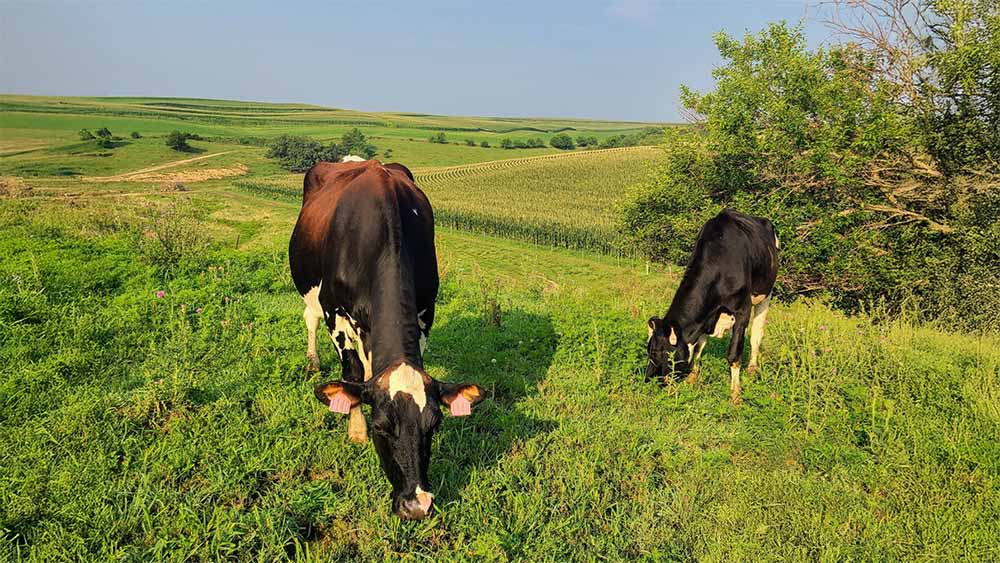
Image from Balltown Dairy in Sherrill, IA