Raw Milk Vetting Tips from The Raw Milk Institute
Finding a trustworthy raw milk source takes more than a quick Google search. Before you commit to a farm, it pays to show up, ask questions, and know what you’re looking at. The Raw Milk Institute (RAWMI) has put together a practical checklist that cuts through the guesswork — and it’s worth keeping in your back pocket the next time you visit a dairy.
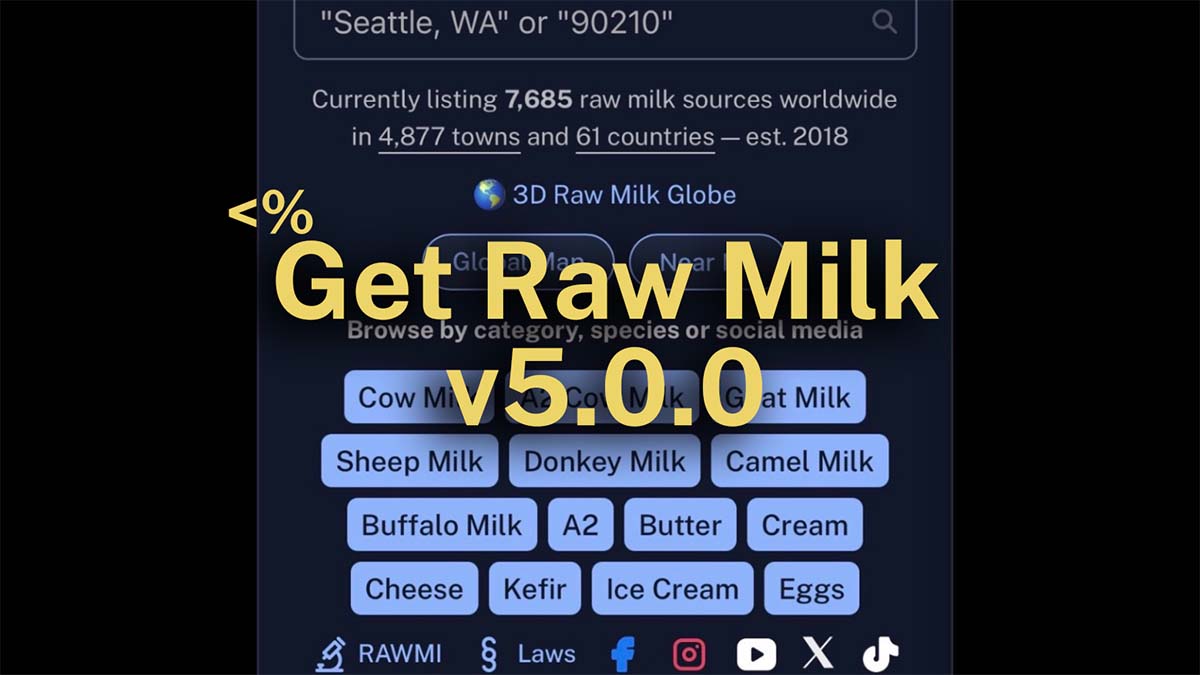
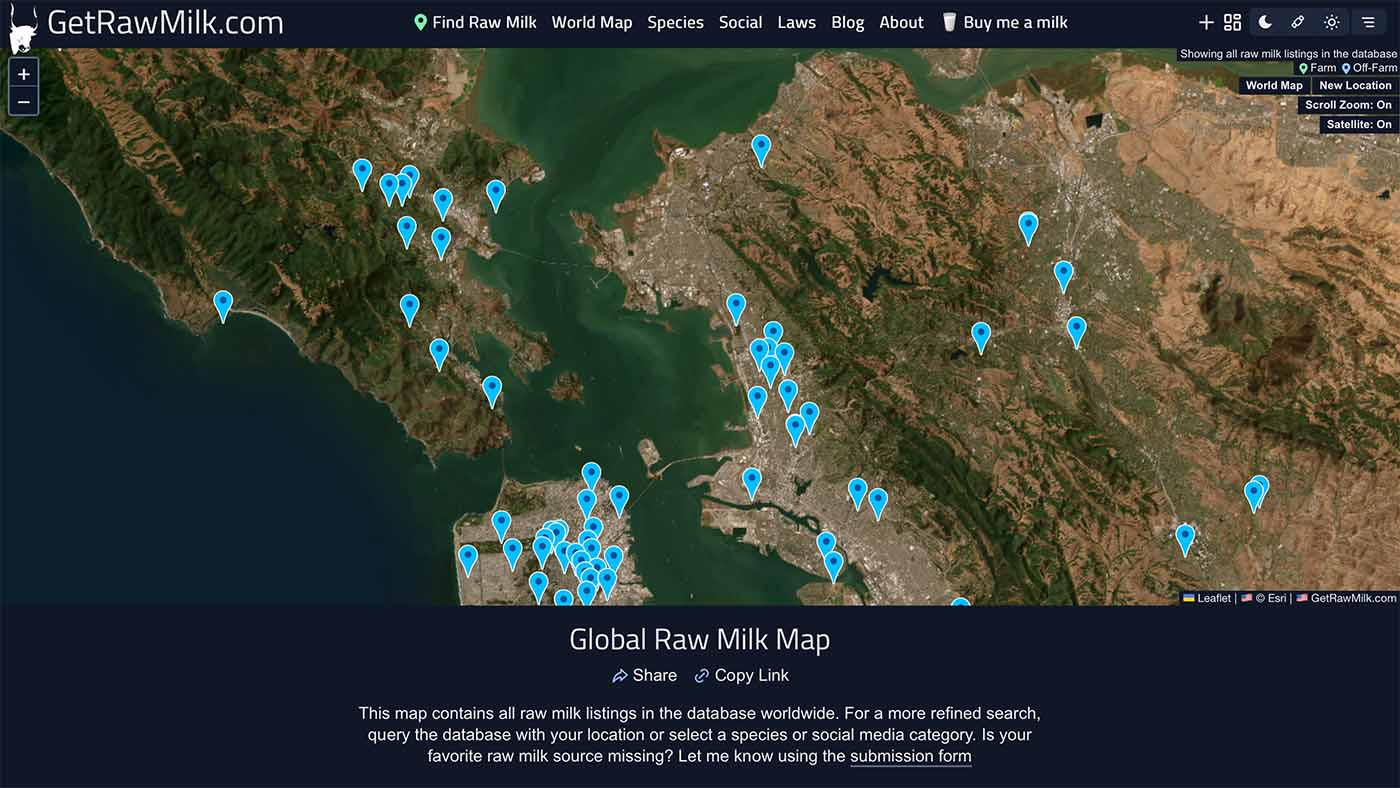
Looking for a farm near you? Use the location search to filter raw milk sources by area, or browse raw milk by country, or explore the global raw milk map for the broadest list of sources worldwide. Not all farms on the global map are RAWMI-certified, but you can find farms and retailers who stock their milk and dairy products on the RAWMI Listed Global Map.
Raw Milk Institute
Facebook: March 7, 2020
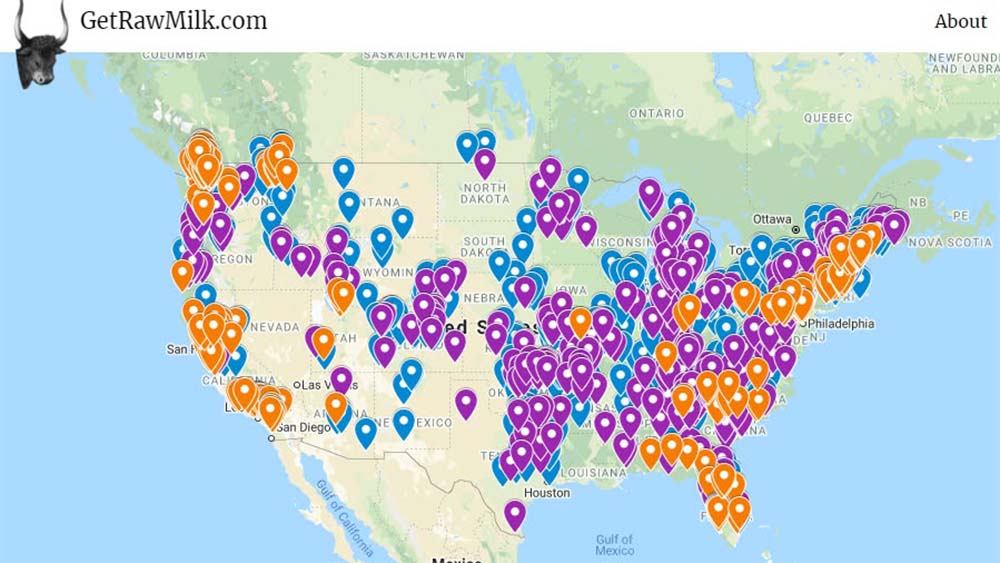
INTERACTIVE RAW MILK MAP – http://getrawmilk.com/ Have you seen this handy new map of raw milk sources? Since most of these farms aren’t RAWMI LISTED, here is a SHORT LIST OF THINGS TO LOOK FOR IN A RAW MILK DAIRY:
-Make sure the cows look like they’re in good health, with regards to body confirmation, udders, coat, etc.
-Check whether the cows get sunshine and have access to outdoors and some grass.
-Inspect to make sure that everything involved in the miking process looks very clean, including the milking parlor, all milking equipment, bottle cleaning area, bottling area, milk jars/bottles, etc.
-Find out about their process for cleaning bottles, such as whether they use hot water, washing machine, etc.
-Ask to see what the udder cleaning process looks like, making sure the udders are cleaned very well, stripped, pre-dipped, and dried before milking begins.
-Learn about their milk chilling process. The milk needs to be chilled quickly to just above freezing in under and hour, such as with an ice bath or other more high-tech chilling equipment.
-Find out what their water source is and whether their water is tested regularly.
-Find out what the shelf-life of their milk is, from fresh to souring. Cold, clean raw milk should have good flavor and taste for at least 12-14 days or even longer. Short shelf life with rising bubbles in the milk would indicate high presence of coliform bacteria, which indicates that the milk is not hygienic.
-Ask about what regular testing they do, and find out specifically what their coliform counts have been.
-Take a look into the farmer’s kitchen: does it look clean and orderly? Look at their truck, too. Personal practices often say so much about behaviors when no one is watching.
-To really make sure their overall processes and procedures are optimal for low-risk raw milk, direct them to contact RAWMI and consider becoming RAWMI LISTED.
What This Checklist Is Really About
Most of these points come down to two things: cleanliness and cold. Bacterial contamination in raw milk almost always traces back to either a dirty milking process or milk that wasn’t chilled fast enough after collection. If a farm scores well on both counts, you’re in good shape.
The shelf-life test is one of the most telling indicators. Clean, well-handled raw milk should stay fresh for 12–14 days or longer. If a farmer can’t tell you their typical shelf life — or if it’s noticeably short — that’s worth taking seriously.
The personal observation tip at the end — looking at the farmer’s kitchen and truck — sounds informal, but it’s genuinely useful. How someone maintains their personal space tends to reflect how they operate when no one’s watching.
On-Site Testing: The Gold Standard for Raw Milk Safety
Beyond the farm visit checklist, the best raw milk dairies go a step further: they test their milk before it ever leaves the farm.
RAWMI has published a video guide to on-farm raw milk testing using Charm Sciences peel plates — a low-cost method for measuring bacterial counts on-site. Setup runs in the range of $800–$1,000, with individual tests costing just $1–$3 each. For a farm serious about clean milk, that’s a small price for the confidence it provides.
The key benefit is speed. Lab testing takes time; on-farm testing gives same-day results. That means a farmer can catch a contamination problem before the milk reaches the customer — no recall, no surprises. As RAWMI founder Mark McAfee puts it: “no surprises.” That phrase captures the whole philosophy.
You can watch a real-world example in this video of a raw milk farmer testing his goat milk at R. & M. Speltz Farm in Minnesota. It walks through the full process: materials needed, how to run the test, and how to read the results. Tracking results over time also helps farmers identify individual animals whose milk may be pulling down overall quality — and remove them from the milking herd before problems compound.
If you want to ask a farmer about their testing practices, now you know exactly what to ask for: Charm peel plate results, coliform counts, and how often they test. A farmer with nothing to hide will have that information ready.
RAWMI’s Free Training Course for Farmers
For farmers who want to go all-in on best practices, RAWMI offers a free online Raw Milk Risk Management Training course — a 17-part video series covering everything from the history and benefits of raw milk to grass-to-glass risk management, udder prep, bottling, and why RAWMI listing matters.
It’s worth knowing this course exists even as a consumer. A farm whose staff has worked through this training is operating with a very different level of intentionality than one flying blind. If you’re vetting a farm and they mention RAWMI training, that’s a meaningful signal.
Farmers interested in becoming RAWMI Listed can start with their Common Standards and the How to Become RAWMI Listed page.
Why RAWMI Listing Matters
RAWMI-listed farms have gone through a formal process of risk assessment and testing, and they commit to ongoing milk testing with transparent results. If you can find a RAWMI-listed farm near you, that’s the gold standard. If not, this checklist is the next best thing.
You can browse RAWMI-listed farms specifically on the RAWMI Global Map or explore the full Raw Milk Institute website for more on their certification process and research.
The Bottom Line
Raw milk from a well-run dairy can be a genuinely clean, high-quality food. The vetting process doesn’t need to be complicated — it just needs to happen. Take the checklist, make the farm visit, ask about testing, and trust what you see.
Frequently Asked Questions About Vetting a Raw Milk Dairy
How do I know if a raw milk dairy is safe? Look for clean facilities, healthy cows with access to pasture, and a fast milk chilling process. Ask for recent coliform test results — a well-run dairy will have them and won’t hesitate to share.
What is a good shelf life for raw milk? Clean, properly handled raw milk should stay fresh for at least 12–14 days from milking. A significantly shorter shelf life, or bubbles rising in the milk, can indicate high coliform bacteria counts.
What is RAWMI and why does it matter? RAWMI — the Raw Milk Institute — is an organization that trains and certifies raw milk dairies to produce low-risk milk through standardized testing and risk management practices. A RAWMI-listed farm has met a higher bar than an uncertified one.
Where can I find raw milk dairies near me? The interactive map at getrawmilk.com lists raw milk sources across the country. Not all farms on the map are RAWMI-certified, so use the vetting checklist above when visiting any unlisted farm.
What does coliform count mean for raw milk? Coliform bacteria are used as an indicator of hygiene in milk production. A low coliform count means the milking process is clean. Ask your farmer what their typical counts are — a good farmer will know this number off the top of their head.