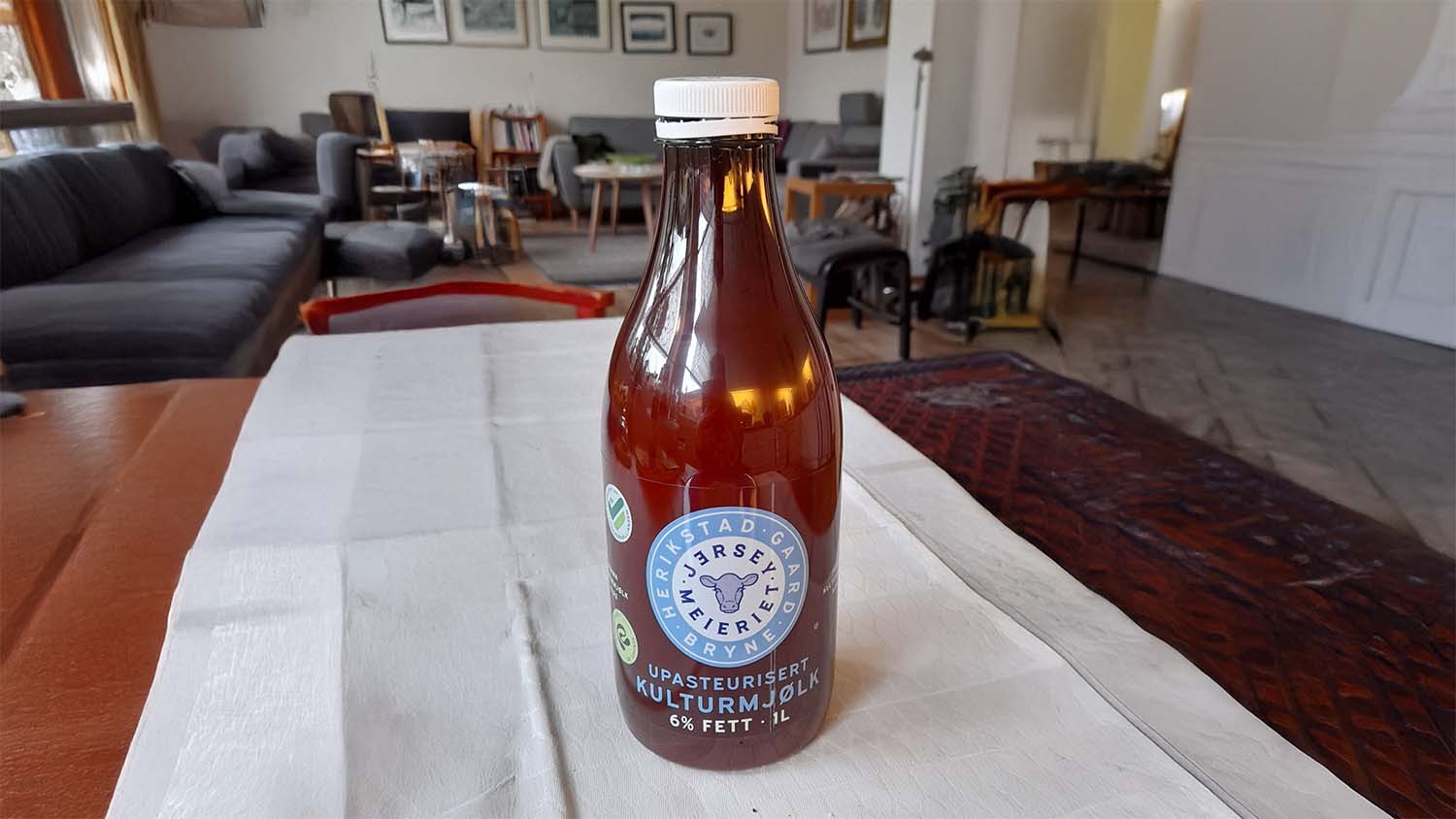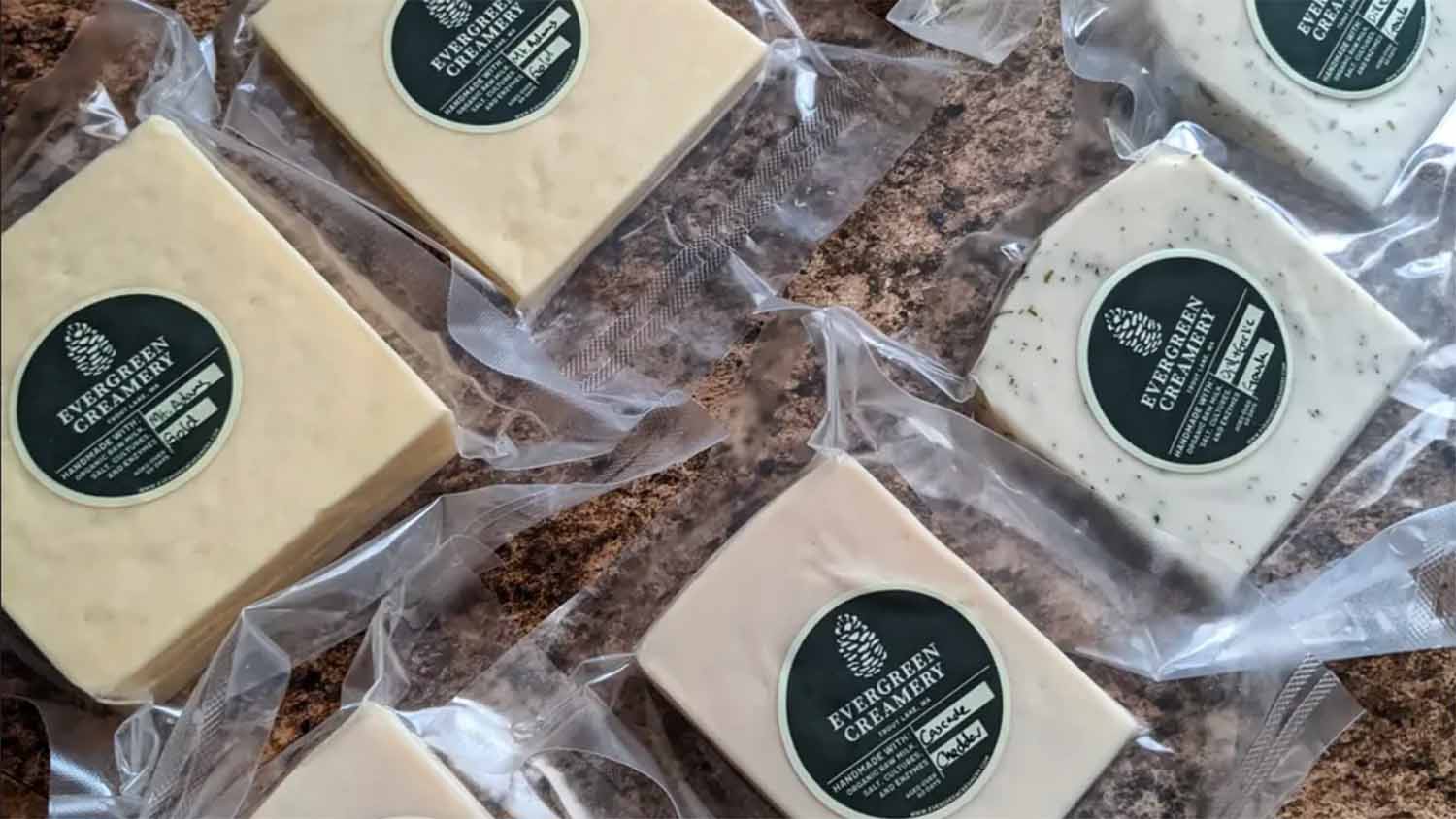
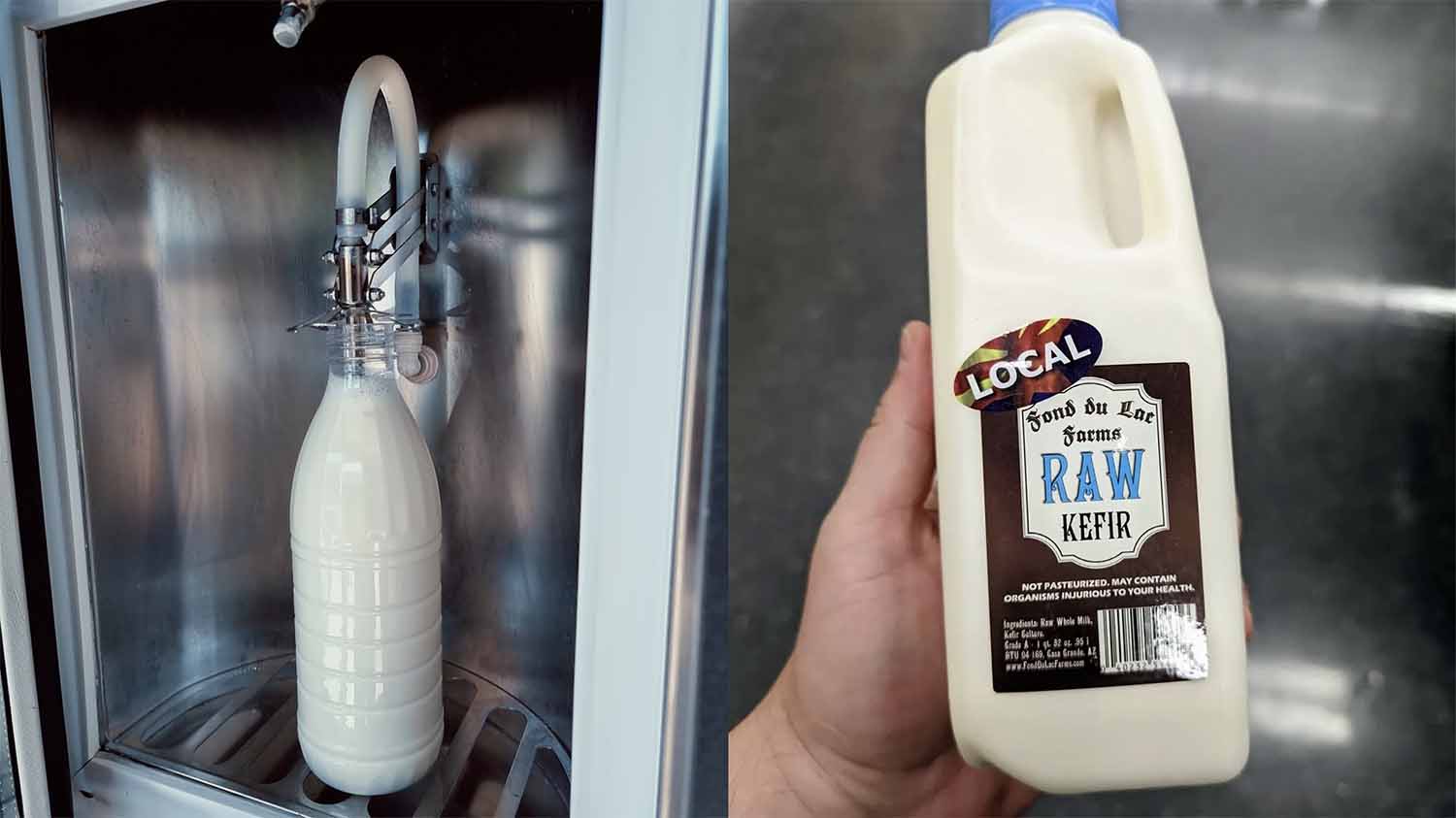
European bring-your-own-bottle dispenser alongside a sealed packaged raw dairy product from an Arizona farm, the two formats that define how raw dairy reaches consumers on each side of the Atlantic.
Why Europe Has Raw Milk Vending Machines and the US Doesn’t
Raw milk is accessible in most US states through farm-gate sales, licensed retail stores, and herd share arrangements. Even in the most permissive states, no vending machine network has developed. No US state operates dozens of refrigerated dispensers at petrol stations and market squares the way Italy, Slovenia, or France do. The barriers are structural rather than purely legal.
The Regulatory Baseline
EU Regulation (EC) No 853/2004 establishes hygiene standards for food of animal origin but explicitly permits member states to maintain their own national raw milk frameworks under Article 10(8). Italy, France, Slovenia, Switzerland, and Austria have each created distinct national systems for raw milk direct sales, including machine-specific requirements covering temperature control, testing frequency, labeling, and placement rules.
In the US, the FDA’s 21 CFR § 1240.61 prohibits the interstate sale of raw milk, a regulation issued in 1987 following a court order rather than a law passed by Congress. Within individual states, raw milk regulation is a state matter. But neither the federal prohibition nor state-level raw milk laws have ever produced a machine-specific framework anywhere in the US. State-by-state raw milk laws cover the full range of permitted intrastate channels.
No Machine Framework Has Been Written
No US state has done the equivalent regulatory work. Italy’s Intesa Stato-Regioni of January 25, 2007 went beyond simple authorization to write specific machine requirements: temperature (0–4°C), UV sterilization of dispensing nozzles, daily milk replacement, metrological certification, operator registration, and off-farm placement rules. France’s Arrêté du 13 juillet 2012 created three legally distinct distribution channels with separate requirements for each.
Without an equivalent framework, a US farm in a permissive state wanting to place a machine off its property faces genuine legal ambiguity. Most US state raw milk laws specify who may sell (the licensed producer) and where (farm gate, licensed retail establishment, farmers’ market) without addressing the machine as a format. Does a dispenser in a parking lot constitute a farm-gate sale? Does it require a retail food facility license under a different regulatory category? Most states have never answered these questions. Without answers, the regulatory risk of the investment is high even where the underlying product is legal.
The Dispenser Model Never Took Root
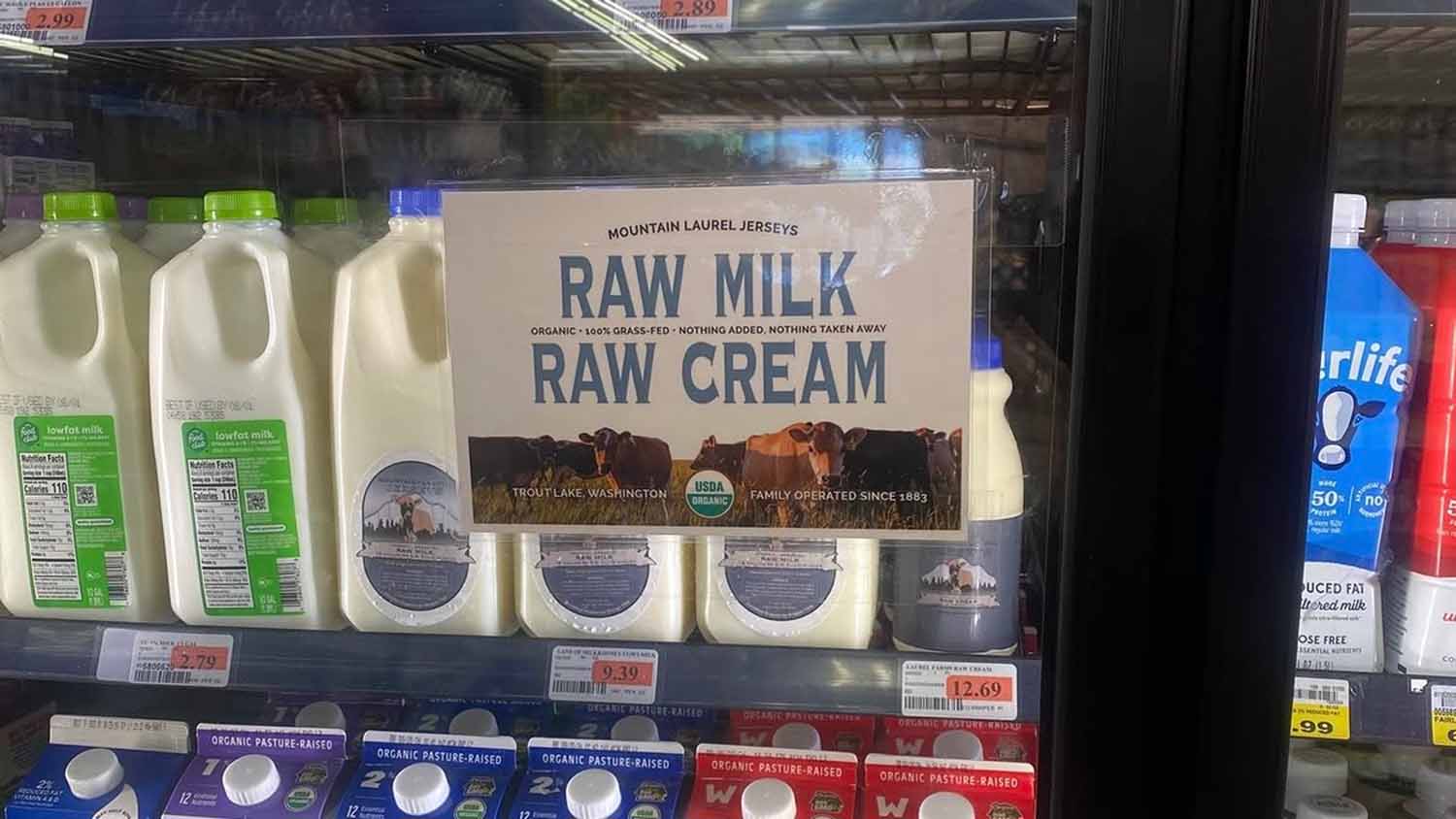
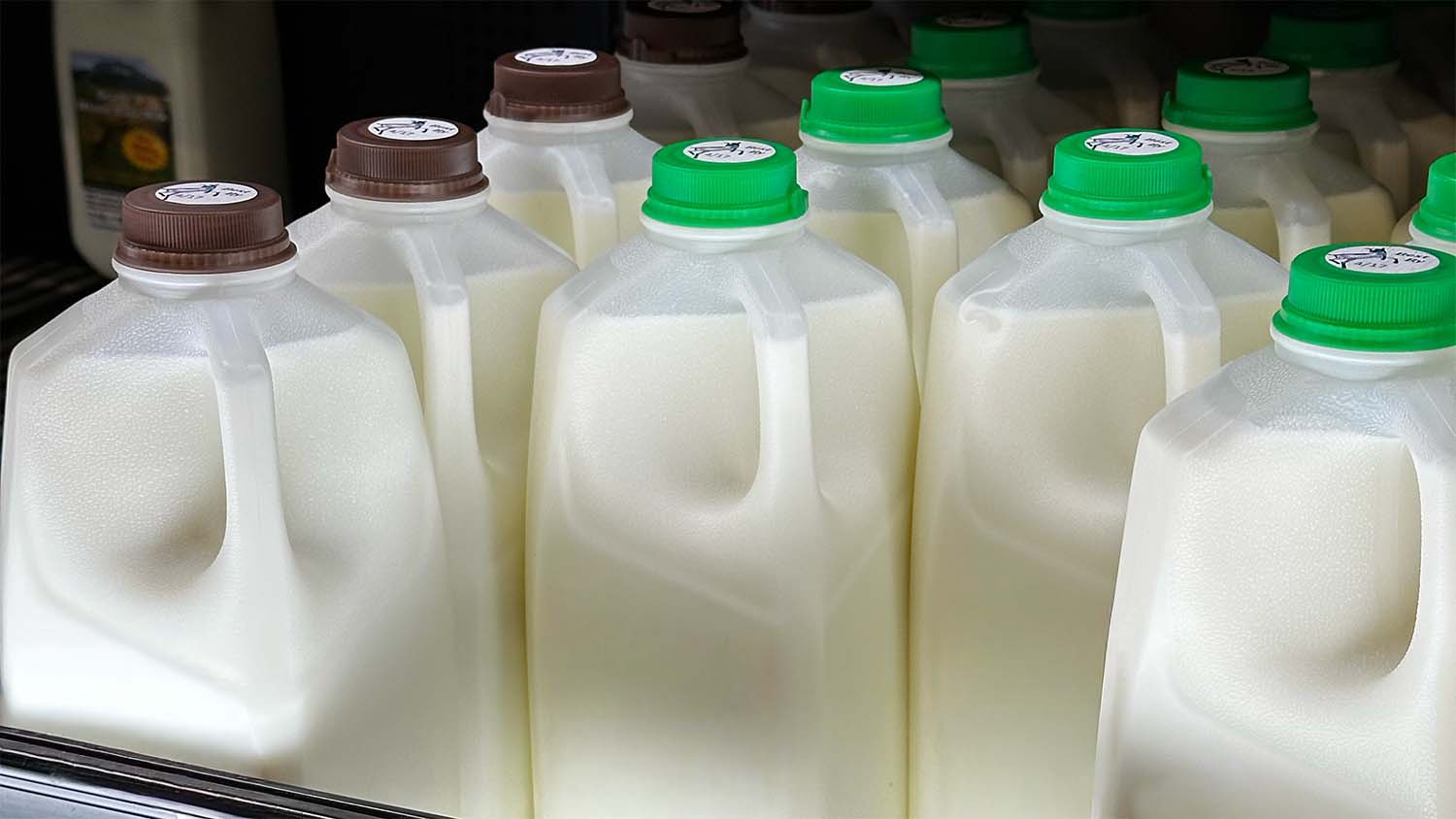
US raw milk, where permitted, has followed the sealed-container route from the start: the format already dominant in conventional dairy retail. In states like California and Pennsylvania, raw milk is sold as a packaged product in licensed grocery and natural food stores, a specialty dairy item on a refrigerator shelf. In states where only farm-gate sales are permitted, consumers visit the producing farm and leave with sealed bottles or jars. The bring-your-own-bottle, fill-at-a-machine dispenser format has no established presence in the US.
European countries also sell packaged bottled raw milk. France’s lait cru is available in Biocoop stores, the UK sells raw milk primarily in sealed glass bottles, and the Netherlands has producers moving toward bottling. The distinction is that the dispenser format exists alongside packaged channels in Italy, Slovenia, Switzerland, Austria, and France. In the US, only the packaged channel exists.
Several structural conditions explain why the dispenser model never developed. US farm-direct retail tends to happen in open-sided farm stands, covered sheds, or outdoor gazebos rather than the purpose-built insulated farm shop buildings common in Alpine agricultural communities. Maintaining 0–4°C continuously at the point of dispense is a higher engineering and operational bar in a roadside American farm stand in July than in a Swiss or Slovenian Hofladen. Much of the US agricultural land where raw milk is produced, including California’s Central Valley, the Southeast, and parts of the Midwest, experiences more extreme summer heat than the temperate regions where Europe’s machine networks are densest. Sealed packaging handles temperature variation across distribution chains more reliably than an open dispenser and sidesteps the problem entirely.
The refill-at-a-tap model also has shallower cultural roots in the US than in continental Europe. Bottle deposit and return systems, daily shopping at markets and farm shops, and direct farm purchasing created a context in which bringing your own container to a dispenser was a familiar behavior rather than a new one. The US has functional equivalents (water refill stations, bulk food cooperative dispensers, zero-waste grocery stores) but they remain niche rather than embedded in daily food commerce.
Shopping Frequency and Shelf Life
Raw milk from a vending machine carries a shelf life of two to three days from the milking date, and accessing it requires a regular trip to a fixed location that typically isn’t a general grocery store. The European machine model works in dense areas where consumers pass a machine on a daily route anyway. The dominant US grocery model is weekly or biweekly bulk shopping at large supermarkets. A dispenser requires the consumer to break that pattern with a separate, purpose-made trip to a farm gate or market location, on a schedule determined by a product that expires in three days. The only US contexts where machine economics could work are those where consumers already pass daily: commuter routes, urban markets, farm shop settings. These exist at small scale in the US but not at the density that makes machine investment viable for the average farm.
Farm Proximity and Population Density
The European machine network grew partly because the farms supplying it are physically close to the people using it. Small dairy operations in northern Italy, Slovenia, and Switzerland sit at the edges of villages and towns. The machine is often at the farm gate or in the nearby market square, a stop on a daily route rather than a dedicated trip.
European agricultural regions are also far more densely populated than the US equivalent. Belgium averages around 376 people per square kilometer, the Netherlands 524, Germany 238. The US average is 36. A small dairy farm in Flanders or Lombardy sits within a short distance of more potential daily customers than the equivalent operation in rural Pennsylvania or Washington State. The machine model scales when farms are close to people who pass regularly. In most of the US, that is less common.
Raw milk sources available in the United States are mapped at raw milk in the US. For a full overview of European raw milk vending regulatory frameworks, see Raw Milk Vending Machines in Europe.