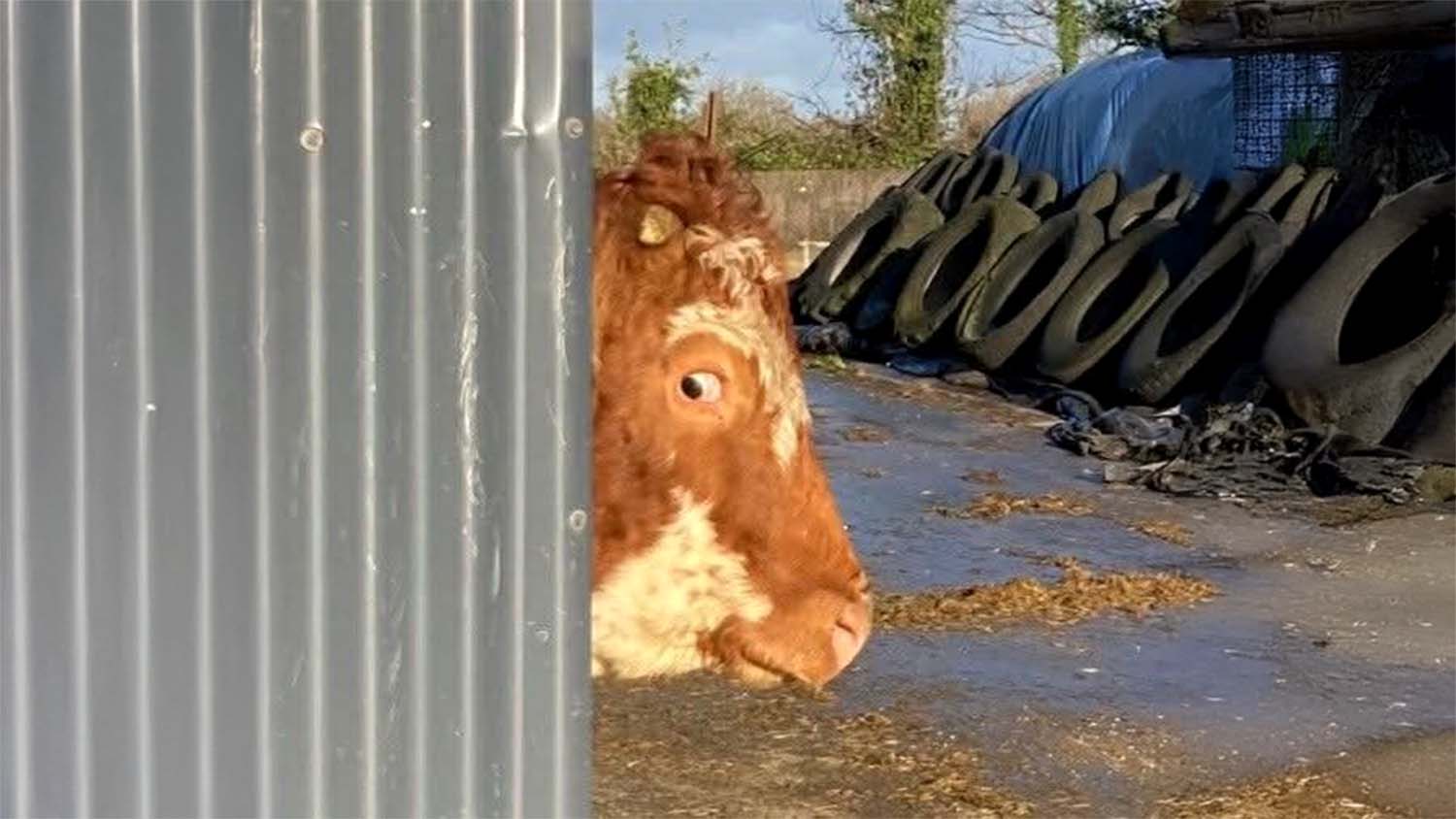
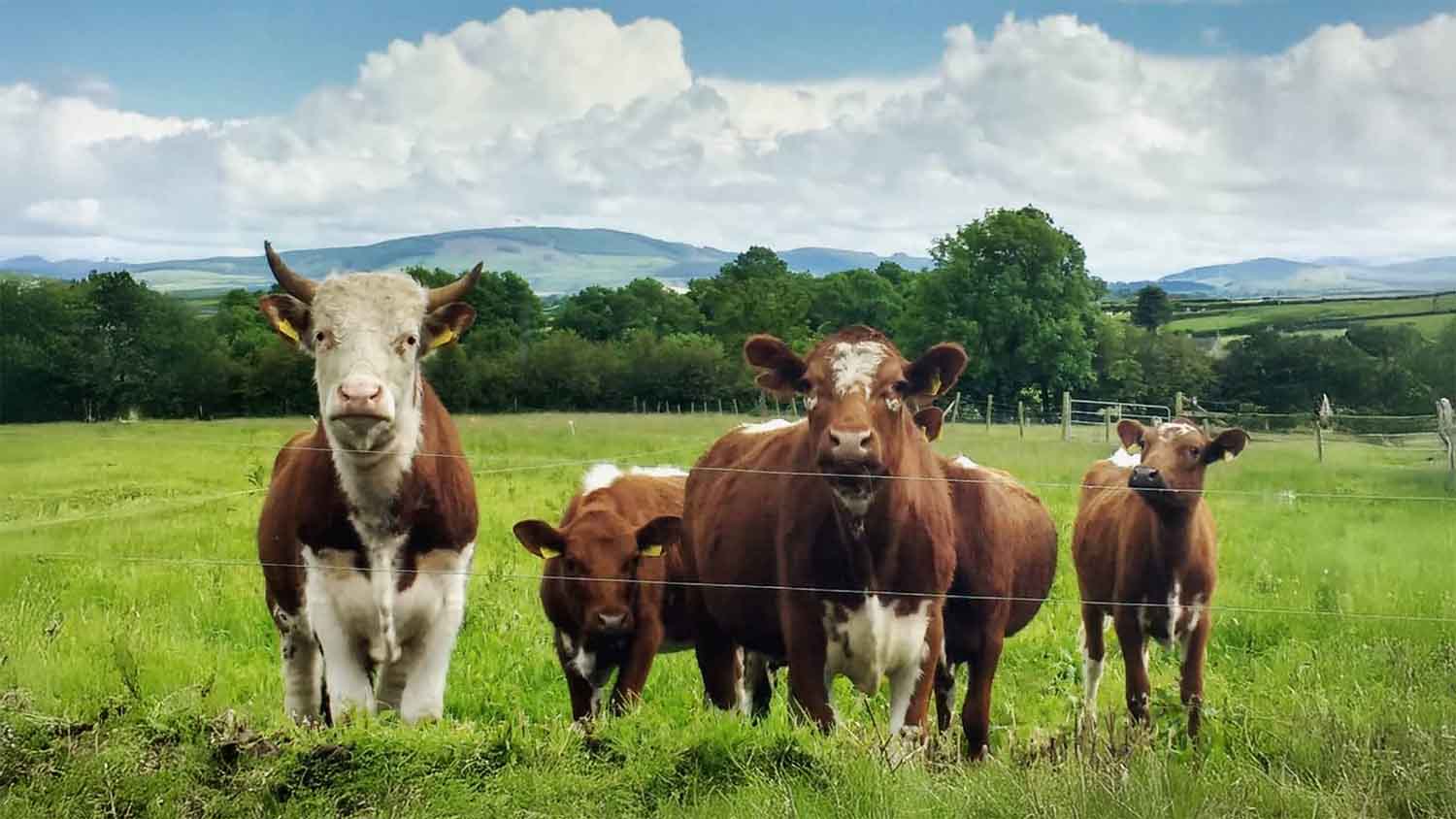
Grazing cattle in the Irish countryside, where most of the country's registered raw milk producers run small, pasture-based herds.
Raw Milk in Ireland: The Hygiene Package and the 20km Derogation
In July 2026, Independent TD Barry Heneghan asked Ireland’s Minister for Agriculture, Food and the Marine, Martin Heydon, whether the government would consider changing the rules on selling raw milk to consumers. Heneghan’s complaint was straightforward: he can buy a vape or a pack of cigarettes at his local shop, but not raw milk, and some of his Dublin Bay North constituents travel north of the border to get it. Heydon’s answer, given on the Dáil record and reported by Agriland, didn’t change any policy, but it did lay out exactly how raw milk sales are regulated in Ireland, and along the way he made an admission that doesn’t usually come from a sitting agriculture minister: he drinks raw milk himself.
History of Raw Milk Regulation in Ireland
Raw milk’s legal position in Ireland predates this exchange by two decades. An exemption in the EU’s 2004 hygiene package entered Irish law in 2006, allowing small-scale direct sales without full registration. In 2011, the government considered reversing that position entirely: then-Minister for Agriculture Simon Coveney weighed a ban on raw milk sales. Producers and advocates, including Darina Allen of Ballymaloe Cookery School writing on behalf of Slow Food Ireland, lobbied against it, pointing to an estimated 100,000 Irish consumers already buying raw milk at the time. The government reversed course in 2015, opting to regulate rather than prohibit, and the resulting framework, developed with the producer body Raw Milk Ireland, the Department of Agriculture, Food and the Marine (DAFM), and the Food Safety Authority of Ireland (FSAI), took effect in 2018 and was last updated in 2020.
Ireland’s Raw Milk Regulations: EC 852/2004 and 853/2004
Raw milk is legal to sell in Ireland for direct consumption, provided the producer is registered and complies with the EU’s dairy hygiene package: Regulation (EC) No. 852/2004 and Regulation (EC) No. 853/2004, applied directly in Ireland as an EU member state. Per the FSAI’s own breakdown of the requirements, Annex I, Part A of Regulation 852/2004governs the transport, storage, and handling of raw milk at the point of production, while Chapter I of Annex III, Section IX of Regulation 853/2004 sets the specific animal-health, hygiene, and premises requirements for raw milk and colostrum production. Producers selling raw milk must register with DAFM’s Milk Hygiene Division and are subject to risk-based inspection, audit, and sampling.
Labelling is mandatory, and the wording is specific. Under FSAI requirements, raw milk and raw milk products must carry a health advisory stating that the product has not been heat-treated and may contain harmful bacteria, with a recommendation that it be boiled before consumption by children, pregnant women, older people, or anyone unwell or living with a chronic illness. That advisory reflects the FSAI’s broader position that the public should not drink raw milk without boiling it first: a recommendation, not a legal condition of sale.
The 20km, 30-Litre-a-Week Derogation
A derogation in EU and Irish legislation exempts producers selling less than 30 litres of raw milk per week, direct to consumers, within a 20-kilometre radius of the farm, from the full registration and hygiene-control regime that applies to larger operations. Producers below that threshold are still bound by general food law and must only place safe food on the market, but they avoid the formal DAFM registration process, which otherwise runs through farm inspection followed by a three-month period of conditional approval before full registration is granted.
In practice, this shapes where raw milk is actually sold in Ireland: farm gate, farmers markets, and small independent retailers such as local grocers and butchers within roughly 20 kilometres of the producing farm. National supermarket chains fall outside how raw milk currently moves through the country. The Raw Milk Ireland producer guide, developed jointly with DAFM and the FSAI, remains the practical reference document for producers navigating registration, testing, and hygiene standards.
What Ireland’s Agriculture Minister Told the Dáil in July 2026
Responding to Heneghan, Heydon walked through the legal framework and defended the current approach on food-safety grounds, framing Ireland’s strict standards as a trade asset: on international missions, he said, the first thing raised by trading partners is how trusted Irish food safety standards are, and he wasn’t willing to be complacent about that reputation. Where a product carries extra risk for groups like infants, pregnant women, or immunosuppressed people, he argued the state has a responsibility to flag that clearly.
Describing raw milk consumption as a matter of informed choice rather than prohibition, Heydon told the Dáil, “I have drunk raw milk myself and I quite enjoy it,” comparing the decision to eating steak tartare: a legal, available product that carries a known and disclosed risk. The admission signals that Ireland’s regulatory caution is about disclosed risk rather than an official view that raw milk itself is undesirable.
Heneghan argued the regulatory instinct was backwards, pointing out that heavily sweetened carbonated drinks are sold freely while raw milk access is constrained. No change to the regulatory framework followed from the exchange. The hygiene package, the FSAI’s boil-first advisory, and the 30-litre weekly derogation all remain exactly as they were before the question was asked.
Where to Buy Raw Milk in Ireland
As of March 2026, six Irish farms were registered to sell raw milk directly, most of them micro-dairies milking fewer than 20 cows and tested for tuberculosis twice a year, against once a year for conventional dairy herds. Long-running producers include Crawford’s Farm in Cloughjordan, Co. Tipperary, and Ballymaloe in Co. Cork, both among a group of roughly nineteen raw milk sellers still active in the year or so before the 2018 regulations took effect; most of that original group have since stopped selling. Newer entrants include Gleann Buí Farm in Co. Mayo, a certified organic micro-dairy selling since 2021.
Raw milk in Ireland moves through three channels:
- Farm gate sales direct from registered producers, the access point the 20km derogation is built around.
- Farmers markets, where registered producers sell within the same general proximity limits.
- Local independent retailers, such as grocers and butchers, stocking raw milk from a nearby registered farm, typically within the same 20-kilometre supply radius.
Raw milk is not available through national supermarket chains. Buyers should expect to deal directly with a registered farm, or a small independent shop close to one.
Finding Raw Milk in Ireland
Current raw milk farms and retailers across Ireland, organized by county, are listed in the raw milk in Ireland directory, including County Dublin listings for buyers in and around the capital. For the full legal breakdown, including registration thresholds and labelling requirements, see the Ireland raw milk laws page.