FDA’s Bird Flu Advisory on Raw Milk, and How It Was Covered
What the FDA Actually Said
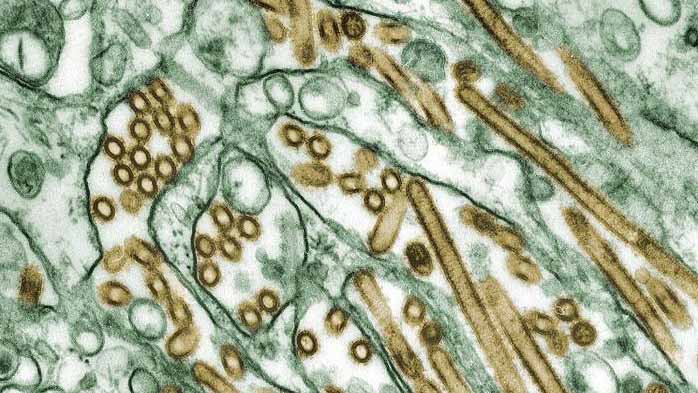
On June 6, 2024, the FDA sent a letter to state, territorial, local, and tribal health partners addressing highly pathogenic avian influenza (HPAI H5N1) in dairy cattle. HPAI is commonly known as bird flu. The “highly pathogenic” designation applies to birds; it is not known to be highly pathogenic in humans.
The letter stated plainly:
Based on the limited research and information available, we do not know at this time if the HPAI H5N1 virus can be transmitted to humans through consumption of raw milk and products made from raw milk from infected cows. However, exposures on affected farms are associated with three documented cases of H5N1 illness in dairy workers.
At the time, three cases of human HPAI infection had been documented in the US since 2022, all involving workers on large-scale industrial farms. A fourth case was reported by the CDC shortly after. All four cases were primarily conjunctivitis (pink eye), and all resolved quickly. Dairy cattle infected with HPAI showed relatively mild clinical signs, including decreased lactation, abnormal milk appearance, and low appetite, and recovered in seven to ten days.
The FDA’s letter also noted:
Because raw milk has the potential to contain viable (live) HPAI H5N1 virus, it represents a potential route of consumer exposure to the virus… Given the current and potential future risks that HPAI H5N1 virus poses to our nation’s public health, as well as the health of our nation’s food-producing animals and wildlife, it is important to work together to minimize additional exposure of humans and other animal species to the HPAI H5N1 virus.
Per the FDA, no reliable direct test for HPAI in milk existed at the time, so surveillance relied on monitoring cattle for symptoms. The letter’s key recommendations to state and local regulators were:
- Monitor dairy herds for signs of HPAI infection.
- Discard milk from symptomatic cows under suitable protocols.
- Heat-treat or pasteurize any raw milk from exposed cattle before it is fed to calves or other animals.
- Implement state-level surveillance testing programs for HPAI in dairy herds producing raw milk for intrastate sale.
In plain terms: if a farm has a sick cow, quarantine the animal and discard or heat-treat its milk. This is not a novel process, cows get sick for many reasons, but HPAI was a new addition to the list of things to watch for.
Following the advisory, the FDA’s attention shifted toward pasteurization’s effectiveness against HPAI. Some early studies raised questions about whether standard pasteurization (15 seconds at 161.6°F) fully inactivated the virus under certain lab conditions. The FDA maintained that it did not know whether humans could contract HPAI from raw milk, nor how likely that would be or how severe it might prove.
HPAI has also been the subject of gain-of-function research debates, with critics raising concerns about containment of such research generally. No containment failure related to HPAI has been reported.
The FDA’s jurisdiction covers interstate commerce only. The recommendations above were addressed to state and local regulators, who hold sole enforcement authority over intrastate raw milk sales. As of this writing, no raw milk suspensions have been attributed to HPAI.
The FDA and Raw Milk: A Brief History
The FDA, established in 1906, governs interstate milk sales, not intrastate sales, and first began strongly recommending against raw milk consumption in 1987.
Raw milk restrictions in the US date back to 1908, when Chicago required pasteurization of milk from herds not tested for tuberculosis, a rule the city extended to all milk in 1916. The FDA remained neutral on the issue until lobbying from a coalition of large dairy processors, manufacturers, and retailers pushed for a uniform, pasteurized interstate milk supply. The arguments centered on public health and minimizing pathogenic illness, arguments that, against the backdrop of Upton Sinclair’s The Jungle and the Swill Milk Scandal, found a receptive audience. Every FDA administration since the late 1980s, spanning the Bush, Clinton, Bush, Obama, Trump, and Biden presidencies, has maintained the interstate ban on raw milk sales.
That ban applies only to transactions where the buyer is in another state. It does not apply to consumers who travel across state lines to obtain raw milk where it is legally sold:
With respect to the interstate sale and distribution of raw milk, the FDA has never taken, nor does it intend to take, enforcement action against an individual who purchased and transported raw milk across state lines solely for his or her own personal consumption.
The FDA also takes little, if any, action against herdshare agreements that distribute across state lines. Amos Miller’s ongoing legal case involves the USDA and his meat distribution, not the FDA, and his raw milk distribution to his private membership association has continued throughout.
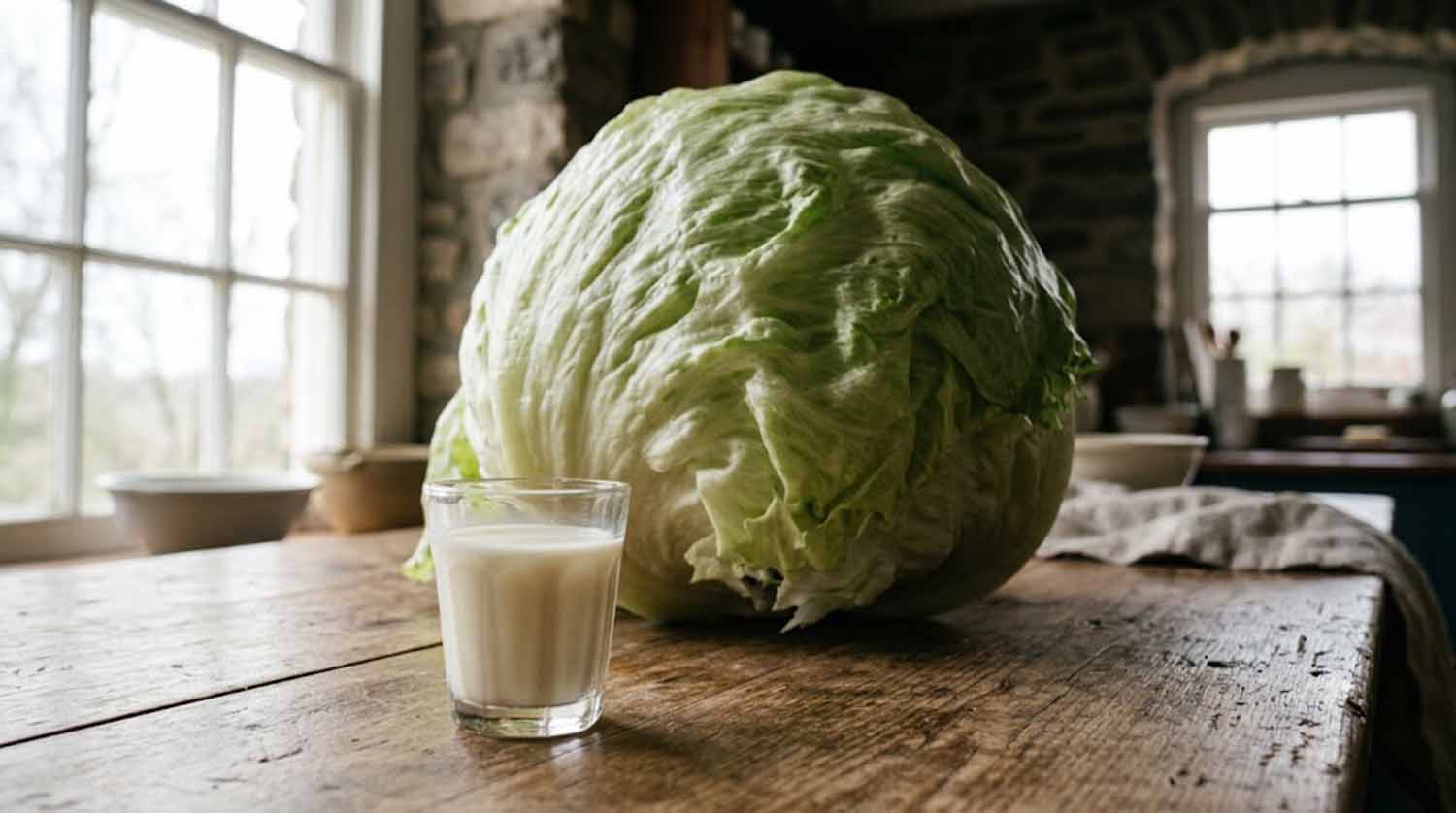
Large-scale raw milk illness outbreaks have not materialized despite growth in intrastate direct-to-consumer sales, a trend attributable in part to food safety initiatives and broader awareness of sanitation among producers. Current data, unavailable when the interstate ban was established, indicates raw milk causes less harm per consumer than leafy greens. Whether that data eventually shifts federal policy toward a very-low-risk standard rather than a near-zero-risk standard remains an open question; institutional positions on food safety tend to change slowly.
Opposition to the interstate ban is not universal among raw milk producers. Some farmers view the federal restriction as a protection for intrastate sales. The dairy industry has been consolidating broadly, for instance, one operator purchased five conventional dairy farms in Washington state alone and still depends on financing to remain solvent, and some producers worry that lifting the interstate ban could accelerate consolidation of raw milk production into the states with the lowest production costs, likely California and Pennsylvania. Because raw milk sales currently offer a lower barrier to entry for independent farmers, many consumers would likely continue seeking out local producers regardless. Views on the interstate ban do not map cleanly onto pro- or anti-raw-milk positions; some farmers favor the current arrangement, others do not.
Media Coverage of the Advisory
Coverage of the June 2024 advisory diverged considerably from its actual contents, in both directions.
NBC ran a story under the heading “Bird Flu Death,” reporting on a WHO alert about a man who died with H5N2 bird flu in Mexico City. Mexican health officials subsequently clarified that the man died of chronic disease, not bird flu. Raw milk was not involved in either the original report or the clarification.
A CBS News headline described the FDA as urging a “crackdown” on raw milk over bird flu. The FDA’s letter contains no such language; it recommends restricting sales only from herds with confirmed HPAI infections, and only at the state level, which the FDA itself has no authority to mandate.
Separately, reports circulated that Michigan regulators had shut down a raw milk operation over bird flu concerns. The actual enforcement action, against Nourish Cooperative in Marcellus, Michigan, concerned licensing, the farm was operating under a feed (pet food) license, and Michigan is a herdshare state, not HPAI.
On the other side, some outlets framed the situation as an active fatal threat. Coverage describing bird flu in dairy cattle as a “fatal” risk to consumers did not reflect the outcomes on the ground: every documented human case, in cattle workers, has been mild and resolved without lasting effects.
Taken together, the advisory itself was narrow: a recommendation to state regulators to act only against confirmed-infected herds, paired with an explicit acknowledgment that the FDA did not know whether raw milk could transmit HPAI to humans at all. Neither a federal crackdown nor a confirmed human health crisis followed.
Where Things Stand Now
No case of HPAI in a person linked to drinking raw milk has been confirmed anywhere in the United States. By late 2025, surveillance programs in several states, including Minnesota, had returned months of clean results, and Canadian testing of nearly 2,000 raw milk samples found zero positives. The FDA’s June 2024 recommendations remain in effect as guidance to state and local health departments, and no documented enforcement action attributed to HPAI has occurred since.