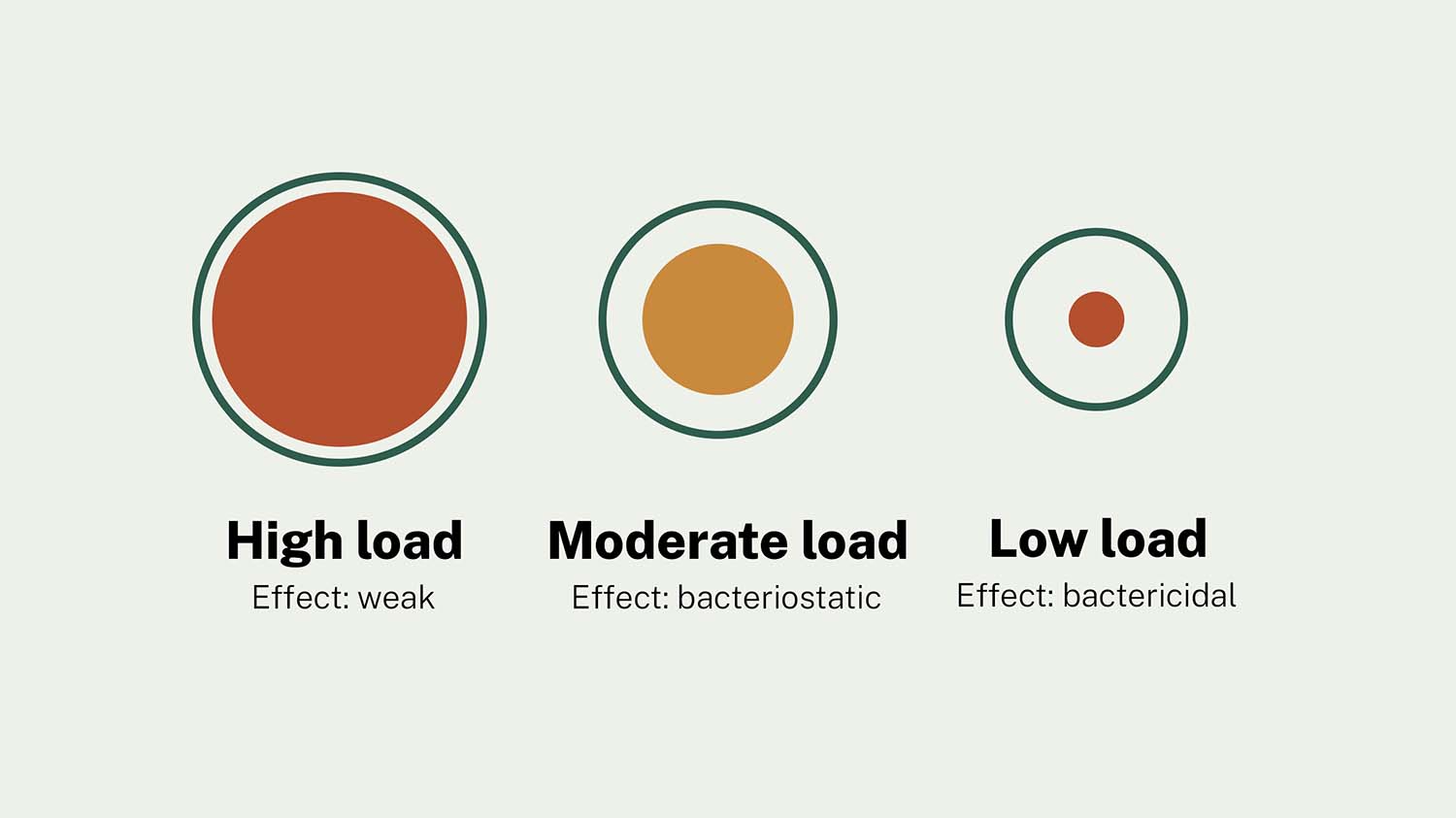
The lactoperoxidase system's antibacterial strength depends on starting bacterial concentration, weak at high loads, bacteriostatic at moderate loads, and bactericidal only when bacterial counts are already low.
The Lactoperoxidase System: Milk’s Natural Antibacterial Enzyme
Raw milk carries its own built-in antibacterial chemistry, activated by an enzyme called lactoperoxidase (LPO). Unlike some of the more speculative bioactive-component research in dairy science, this one has been formally reviewed by the Food and Agriculture Organization and the World Health Organization, tested in controlled field conditions across multiple countries, and written into official Codex Alimentarius guidance. It is also, notably, not proposed by any of these bodies as a substitute for pasteurization: it is endorsed as a narrower, specific tool for a narrower, specific problem.
Key facts:
- Lactoperoxidase (EC 1.11.1.7) is a heme-containing enzyme, and it holds a notable historical distinction: it was the first enzyme ever identified in milk.
- The lactoperoxidase system (LPO plus hydrogen peroxide and thiocyanate, both naturally present in milk) generates hypothiocyanite, which oxidizes sulfhydryl groups in bacterial enzymes such as hexokinase and glyceraldehyde-3-phosphate dehydrogenase, blocking glucose uptake and halting bacterial growth.
- FAO and WHO jointly convened a technical meeting in Rome in 2005 specifically to evaluate the benefits and risks of using this system to preserve raw milk, informing current Codex Alimentarius guidance.
- The system’s antibacterial effect is primarily bacteriostatic rather than bactericidal at most bacterial concentrations, becoming bactericidal mainly at low bacterial loads, meaning it slows spoilage rather than sterilizing milk outright.
- A 2024 field study across the Ethiopian dairy value chain found lactoperoxidase-activated milk had significantly lower bacterial counts than untreated milk at every stage tested, from farm collection through pasteurized retail product.
- Lactoperoxidase itself is notably heat-resistant: it survives standard 72°C-for-15-second HTST pasteurization largely intact, and is only reliably inactivated at somewhat higher temperatures, which is why regulators use it as a marker for detecting over-pasteurization rather than confirming standard pasteurization was achieved.
How the Lactoperoxidase System Works
Lactoperoxidase catalyzes a specific chemical reaction: in the presence of hydrogen peroxide, it oxidizes thiocyanate into hypothiocyanite, a short-lived compound that disables bacterial enzymes by reacting with their sulfhydryl groups. All three ingredients for this reaction, the enzyme, hydrogen peroxide, and thiocyanate, occur naturally in milk, which is why the system operates on its own for a limited window after milking without any additive.
The antibacterial mechanism is specific rather than a blunt chemical assault. A handful of glycolytic enzymes, hexokinase and glyceraldehyde-3-phosphate dehydrogenase among them, depend on intact sulfhydryl groups to function, and hypothiocyanite specifically targets those groups. Once oxidized, the enzymes stop working, which cuts off the bacterial cell’s glucose supply and, downstream, its ability to build the proteins, DNA, and RNA it needs to grow and divide. Because this mechanism interferes with metabolism rather than physically destroying bacterial cells outright, its practical effect leans toward slowing bacterial growth rather than killing bacteria across the board, a distinction that matters for how the system is actually used.
Lactoperoxidase itself is not exclusive to milk. The same enzyme, or close relatives of it, is also found in saliva, tears, and airway secretions, where it performs a comparable antimicrobial role as part of the body’s broader mucosal defenses. In milk specifically, natural lactoperoxidase activity provides a bacteriostatic window that lasts at least one hour after milking before it needs to be deliberately activated to extend that protection further.
Does Standard Pasteurization Destroy Lactoperoxidase?
Unlike some of milk’s other indigenous enzymes, lactoperoxidase is notably heat-resistant, and standard pasteurization does not reliably knock it out. Among the more than 60 enzymes naturally present in milk, lactoperoxidase ranks as the second most abundant, behind only xanthine oxidase, and a 2021 review of heat-induced enzyme inactivation across the dairy industry singles it out as unusually resistant to standard time-temperature combinations. The enzyme typically comes through a 72°C, 15-second HTST run largely functional; pushing the temperature up to around 78°C for the same 15 seconds, or 80°C for a brief 2.5 seconds, is what it actually takes to shut it down reliably.
A kinetic study that modeled the enzyme’s thermal denaturation directly pinned its structural transition point at roughly 65°C, and found that just 5 minutes at 70°C was enough to strip away nearly all of it, leaving only about 5.2 percent of the original activity behind. That degree of sensitivity to holding time, not just peak temperature, is exactly why HTST’s brief 15-second window lets the enzyme mostly survive, while a longer hold at an only modestly higher temperature wipes it out.
This heat resistance is put to direct regulatory use. Because lactoperoxidase survives standard short-time pasteurization but not more intensive heat, some regulatory frameworks pair it with alkaline phosphatase to distinguish two different heat categories rather than relying on either enzyme alone: a properly short-time-pasteurized batch is expected to show ALP already knocked out while lactoperoxidase still reads active, whereas a batch that went through the hotter “high-temperature pasteurization” category should come back negative on both tests. In other words, lactoperoxidase’s resistance to standard pasteurization heat isn’t a loophole, it’s the exact property that makes it useful as a check on whether milk was heated too much rather than not enough.
Laboratory-defined minimums don’t always match real-world processing exactly, though. A commercial-scale study of high-temperature short-time pasteurization, the same study cited elsewhere in this cluster for its whey protein findings, found lactoperoxidase activity significantly reduced under actual industrial HTST conditions, in contrast to the more optimistic survival figures reported in bench-scale studies using the bare 72°C-for-15-second minimum. The likely explanation is that commercial pasteurization often runs somewhat hotter or longer than the regulatory floor for practical or equipment reasons, which is consistent with how time-sensitive the enzyme’s inactivation kinetics are shown to be.
Why FAO and WHO Formally Reviewed This System
This is not a fringe finding: the lactoperoxidase system for raw milk preservation has been the subject of a dedicated joint technical review by two United Nations agencies. FAO and WHO convened a technical meeting at FAO headquarters in Rome from November 28 to December 2, 2005, specifically to evaluate the scientific evidence on the system’s benefits and risks and to provide guidance to Codex Alimentarius, the joint FAO/WHO body that sets international food standards. That review continues to inform current Codex guidance, which permits use of the lactoperoxidase system on raw milk that will not enter international trade.
Practically, activating the system beyond its natural one-hour window means adding a small amount of thiocyanate, since only about 5 parts per million occurs naturally in milk, topped up to roughly 10 parts per million, along with a source of hydrogen peroxide. The full Codex guidelines specify that activation should occur within 2 to 3 hours of milking and that any surplus antibacterial compounds generated by the reaction decompose on their own at neutral pH, with pasteurization ensuring complete removal of any residual activity by the time the milk reaches a consumer.
Bacteriostatic, Not Always Bactericidal
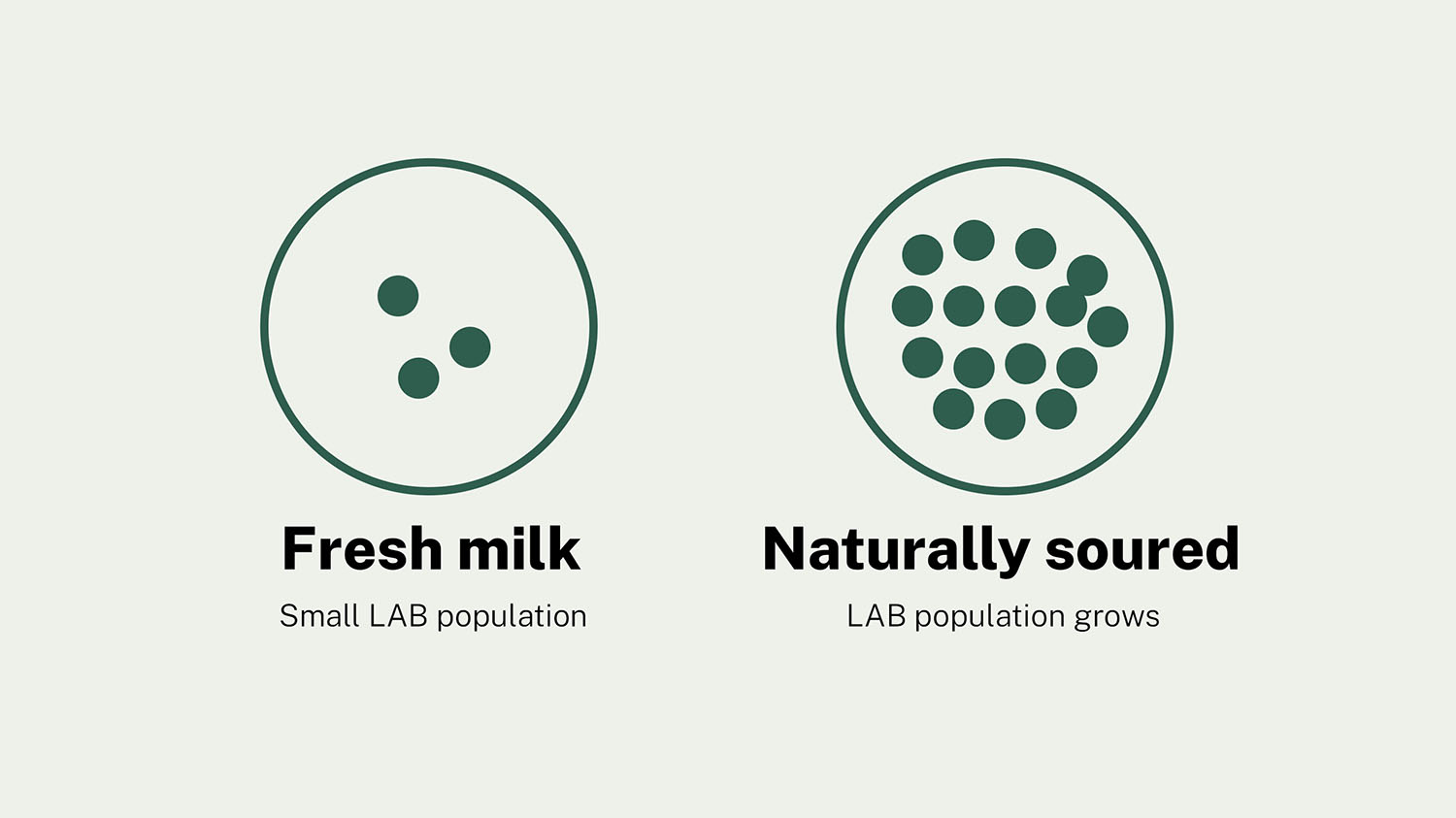
One nuance the FAO/WHO review is explicit about: the lactoperoxidase system’s antibacterial power is not constant across conditions. Its antibacterial efficacy is inversely correlated with bacterial cell density, meaning the system works best when bacterial counts are already relatively low. At high bacterial concentrations, the effect is weak; at intermediate concentrations, it is primarily bacteriostatic, slowing growth rather than reducing existing counts; only at low bacterial concentrations does it become primarily bactericidal, actually killing bacteria present. This pattern held up across both laboratory studies using pure bacterial cultures and field studies conducted in milk with its natural, mixed microbial population.
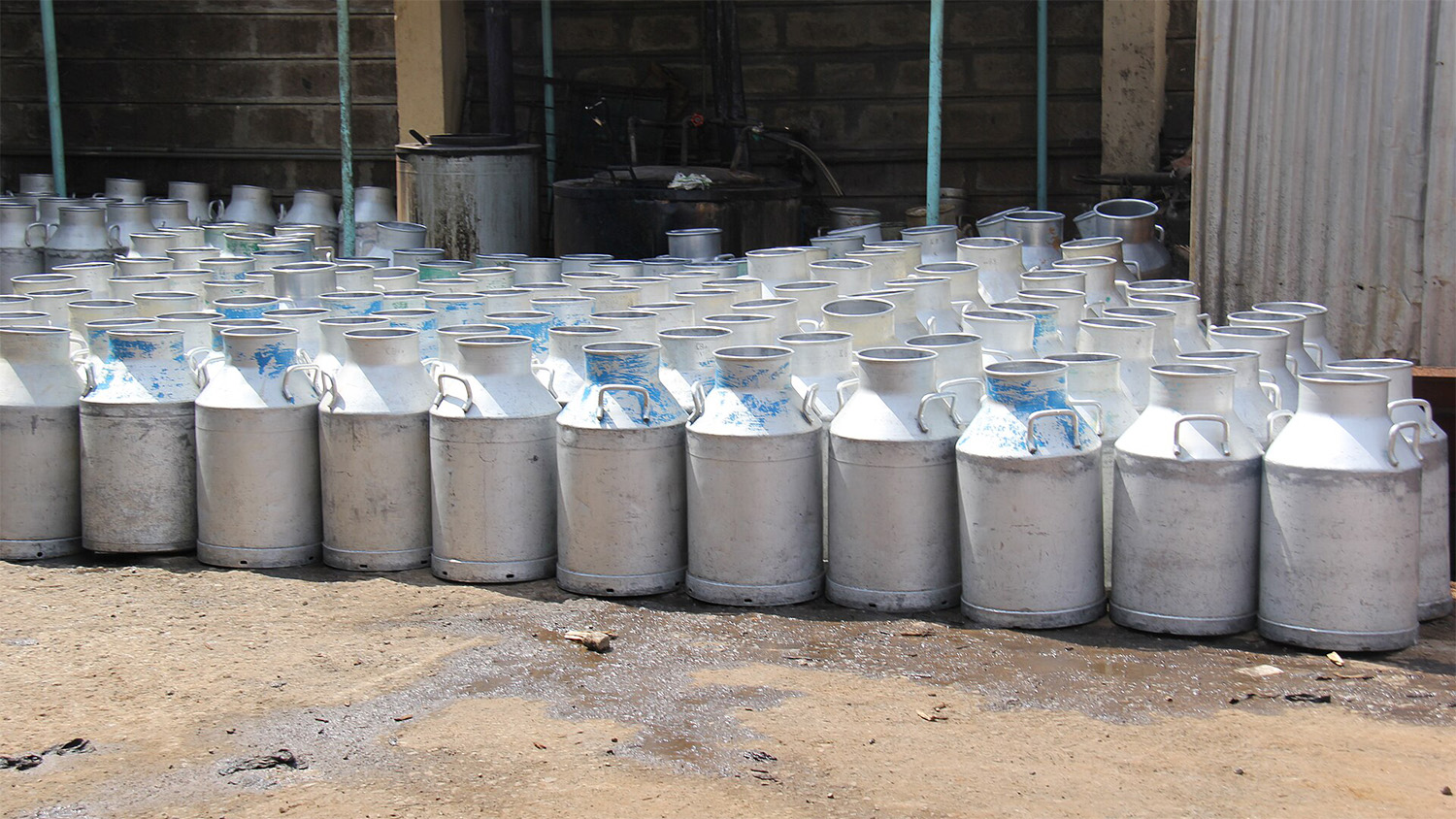
That concentration-dependence is central to how the system is meant to be used. It is not designed, and not proposed by FAO or WHO, as a replacement for pasteurization or for basic sanitation and cooling. It is framed specifically as a bridging technology: a way to buy several extra hours of acceptable milk quality in settings where raw milk must be transported from a collection point to a processing facility without refrigeration, most relevant in regions where cold-chain infrastructure is limited or unavailable.
Field Evidence From Ethiopia: Does It Actually Work at Scale?
Beyond laboratory conditions, a 2024 study tracked the lactoperoxidase system’s real-world performance across an entire dairy supply chain, not just a single farm. Researchers from Addis Ababa University and the Tigray Agricultural Research Institute collected 250 milk samples from farmers, milk collectors, and processing factories across Ethiopia, comparing lactoperoxidase-activated samples against untreated controls at each stage.
The results were consistent with the system’s intended purpose. At the farm level, lactoperoxidase-activated morning milk had a mean total bacterial count of 5.79 log colony-forming units per milliliter, significantly lower than the 6.73 log cfu/mL measured in untreated control samples. Overnight milk, which spends more time exposed to bacterial growth before collection, showed an even larger practical gap: 6.55 log cfu/mL in activated samples versus 7.31 log cfu/mL in controls. Measured against Ethiopian national quality standards, 51.4 percent of activated morning milk samples passed, compared with just 28 percent of untreated morning controls; for overnight milk, 39.5 percent of activated samples passed against 15.7 percent of untreated controls. The researchers also tracked pasteurized milk made from this supply chain over 10 days of storage and found that milk originating from lactoperoxidase-activated raw milk maintained better bacteriological quality throughout that storage period than milk from untreated raw milk, suggesting the upstream treatment has downstream effects even after the milk is eventually pasteurized.
What This Research Does Not Show
The mechanism, regulatory history, and field performance data above are well documented: the chemistry is understood at the molecular level, the system has been formally reviewed by international food safety bodies, and controlled field research shows measurable bacterial count reductions.
What this research does not show is that the lactoperoxidase system is a substitute for pasteurization or a food-safety upgrade over it. Specifically:
- FAO and WHO’s own review explicitly frames the system as a temporary preservation bridge for raw milk in transport, not a replacement for pasteurization, and current Codex guidance restricts its use to milk not entering international trade.
- The system’s bacteriostatic-only effect at high bacterial concentrations means it does not reliably reduce counts in milk that is already heavily contaminated; its performance depends substantially on starting milk quality.
- The Ethiopia field study measured bacterial counts and pass rates against national dairy standards, not clinical illness outcomes in people who consumed the milk.
- None of the sources here suggest that lactoperoxidase activity, whether natural or artificially extended, makes raw milk equivalent in pathogen safety to properly pasteurized milk; the two serve different purposes at different points in the supply chain.
Key Terms
- Lactoperoxidase (LPO): a heme-containing enzyme naturally present in milk, saliva, tears, and airway secretions, capable of catalyzing an antibacterial chemical reaction in the presence of hydrogen peroxide and thiocyanate.
- Lactoperoxidase system (LP-s): the combination of lactoperoxidase, hydrogen peroxide, and thiocyanate that together generate the antibacterial compound hypothiocyanite.
- Hypothiocyanite (OSCN⁻): the short-lived antibacterial product of the lactoperoxidase reaction, which disables bacterial enzymes by oxidizing their sulfhydryl groups.
- Bacteriostatic: slowing or halting bacterial growth without necessarily killing the bacteria already present, as distinct from bactericidal, which kills bacteria outright.
- Codex Alimentarius: the joint FAO/WHO body that develops international food safety and quality standards, including guidance on lactoperoxidase system use.
Frequently Asked Questions
What is the lactoperoxidase system in milk? It is a natural antibacterial chemical reaction, catalyzed by the enzyme lactoperoxidase using hydrogen peroxide and thiocyanate that are both naturally present in milk, producing a compound called hypothiocyanite that slows bacterial growth.
Is the lactoperoxidase system a substitute for pasteurization? No. FAO and WHO’s own technical review frames it as a temporary preservation method for transporting raw milk without refrigeration, not a replacement for pasteurization, and international Codex guidance restricts its use to milk not entering international trade.
Does the lactoperoxidase system kill bacteria or just slow their growth? Mostly the latter. Its effect is primarily bacteriostatic at typical and high bacterial concentrations, becoming bactericidal mainly when bacterial counts are already low, which is why starting milk quality significantly affects how well it performs.
Is there real-world evidence the lactoperoxidase system works? Yes. A 2024 field study across the Ethiopian dairy supply chain found lactoperoxidase-activated milk had significantly lower bacterial counts than untreated milk at the farm, collection, and factory stages, with a higher percentage of samples meeting national quality standards.
How long does the natural lactoperoxidase effect last without activation? At least one hour after milking, per field research. Extending the effect further requires deliberately activating the system by adding thiocyanate, typically bringing the naturally occurring 5 parts per million up to about 10 parts per million, along with a hydrogen peroxide source.
Does pasteurization destroy lactoperoxidase? Not reliably at standard HTST conditions. Lactoperoxidase is one of milk’s more heat-resistant enzymes and typically survives 72°C for 15 seconds largely intact; it takes a somewhat higher temperature, such as 78°C, to reliably inactivate it. That resistance is why some regulators test for it to confirm milk wasn’t overheated, the opposite role alkaline phosphatase plays.