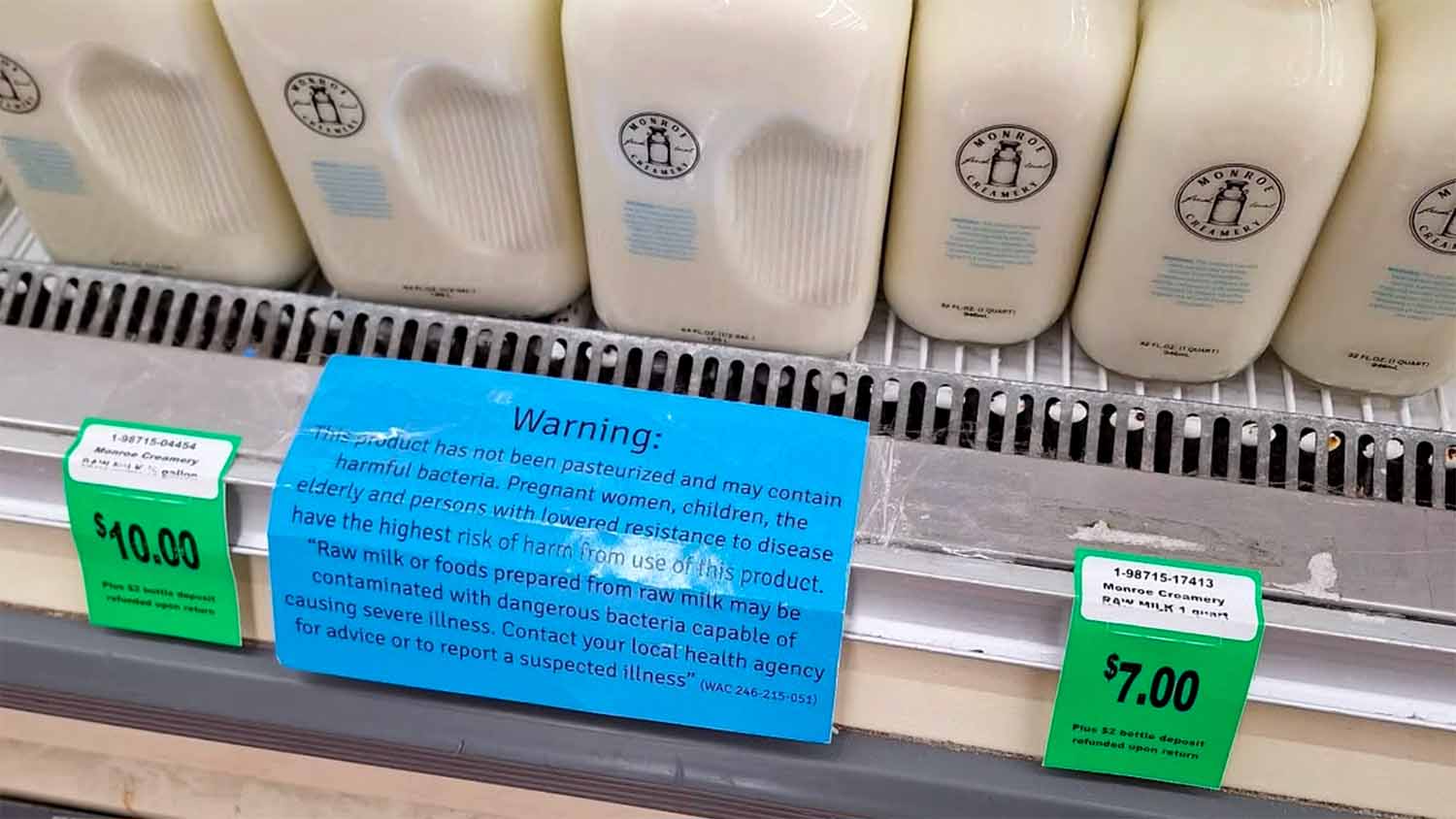
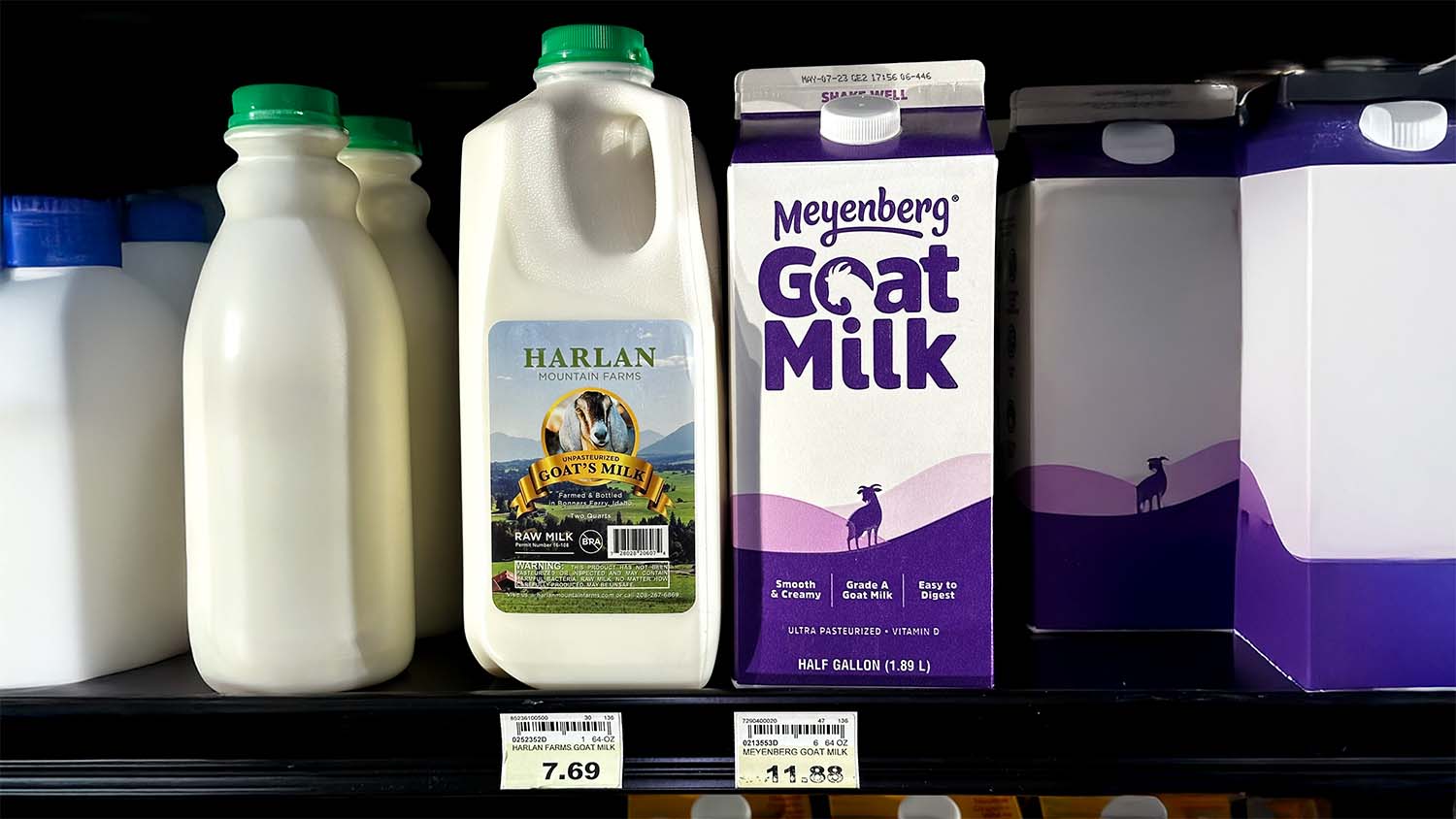
Raw and pasteurized versions of the same milk, sitting side by side on a store shelf, differ in more than just their label.
Raw Milk vs. Pasteurized Milk: Complete Assessment of Existing Research
Pasteurization doesn’t affect milk uniformly. Some components are measurably reduced by standard heat treatment. Others survive largely intact. At least one is reported to increase. This page pulls together everything this site’s Science cluster has documented into one reference, organized by category, with each finding linking out to the full research behind it.
The Quick Reference
| Component | What Changes | Detail |
|---|---|---|
| Alkaline phosphatase (ALP) | Fully inactivated | Most heat-sensitive of milk’s three classic marker enzymes; its inactivation is the standard regulatory test confirming pasteurization occurred |
| Gamma-glutamyltransferase (GGT) | Partially reduced | Intermediate heat sensitivity: more heat-stable than ALP, less stable than lactoperoxidase |
| Lactoperoxidase | Reduced but heat-labile by design | Most heat-stable of the three classic marker enzymes; FAO/WHO have formally evaluated it as an alternative preservation method where refrigeration isn’t available |
| Plasmin / cathepsin D | Largely survives | Minimally affected by standard pasteurization, retaining 30-40% activity even after UHT; cathepsin D is more heat-labile |
| Lactoferrin, IgA, IgM | Substantially reduced | Hit hardest of the bioactive whey proteins; roughly 59% of lactoferrin denatured under standard HTST in one study |
| IgG, major whey proteins | Comparatively stable | Not significantly reduced in commercial-scale HTST processing |
| MFGM proteins (xanthine oxidase, lactadherin, fatty acid-binding protein) | Significantly reduced | Commercial HTST measurably lowered levels of several fat globule membrane proteins |
| B1, B2, C, folate | Statistically significant decrease | A 40-study meta-analysis found significant pooled decreases in all four; folate showed the largest effect size, though with a wide confidence interval |
| B6 | No significant change | Same meta-analysis found no statistically significant effect |
| B12, E | Qualitative decrease | Reported as reduced, though without enough pooled data for a formal effect-size estimate |
| A | Increases | Counterintuitively rises in measured concentration, most likely from heat-induced isomerization or a sampling artifact rather than heat generating new vitamin A |
| Vitamin D | Unaffected by the fortification question, minor natural loss | Not a nutritionally significant source of vitamin D regardless of processing; the vitamin D consumers associate with milk almost entirely comes from added fortification, not the animal |
| Calcium, magnesium, phosphorus (total) | Unchanged | Total mineral content is essentially the same |
| Calcium, magnesium, phosphorus (form) | Shifts from soluble to colloidal | Shifts from soluble to colloidal form above 60°C, bound to casein micelles |
| Milk oligosaccharides | Unaffected at pasteurization range | Heat-stable at standard pasteurization temperatures; measurable degradation only appears at UHT/sterilization-range heat |
| Lysine (via furosine marker) | Measurable, heat-scaled damage | Furosine rises 1.4 to 2.8-fold under pasteurization, the standard early-Maillard-damage marker, and 2.5 to 5-fold under sterilization |
| Xanthine oxidase / homogenization “heart disease” link | Not supported | The Oster hypothesis has been found unsupported at every step of its proposed mechanism |
| Exosomes / microRNA | Genuinely unsettled | Research is actively split: some studies find little effect on exosome integrity, others (particularly on Holder-pasteurized human milk) find significant loss |
Enzymes: A Clear Heat-Sensitivity Spectrum
Milk contains dozens of native enzymes, and three in particular have been studied closely enough to rank by heat sensitivity: alkaline phosphatase, gamma-glutamyltransferase, and lactoperoxidase consistently show a fixed order of increasing heat stability, ALP < GGT < lactoperoxidase, confirmed by isochronal heating studies. ALP’s inactivation is specifically used as the industry-standard regulatory test confirming pasteurization occurred, precisely because it’s the first of the three to go.
A separate enzyme, plasmin, breaks this pattern entirely. It survives standard pasteurization largely intact and retains meaningful activity even after UHT treatment, a genuine exception to the general rule that heat inactivates milk’s native enzymes.
Proteins and Immune Components: Uneven Effects
Not all of milk’s bioactive proteins respond to heat the same way. Lactoferrin and the immunoglobulins IgA and IgM are hit hardest by standard pasteurization, while IgG and the major whey proteins are comparatively heat-stable and not significantly reduced in commercial-scale processing. The milk fat globule membrane’s protein components, a separate structural category from the free whey proteins, show their own measurable reductions under commercial HTST conditions.
Vitamins: The Most Vitamin-Specific Story in the Cluster
No single vitamin story applies to milk as a whole. A 40-study meta-analysis found statistically significant pooled decreases in four vitamins (B1, B2, C, folate), no significant effect on a fifth (B6), qualitative decreases in two more (B12, E) without enough data for a formal pooled estimate, and a measured increase in an eighth (vitamin A), most plausibly explained by heat-induced isomerization or a sampling artifact rather than any new vitamin A being created. Vitamin D sits entirely outside this picture: it’s not a meaningful dietary source of the vitamin regardless of processing, and virtually all the vitamin D in retail milk comes from deliberate fortification, not the cow or the pasteurization process.
Minerals: Same Total Amount, Different Form
Total calcium, magnesium, and phosphorus content doesn’t change with pasteurization, but heat above roughly 60°C shifts a portion of these minerals from a soluble form into a colloidal form bound to casein micelles. Whether this form shift affects how the body actually absorbs these minerals is a separate, more complicated question than the concentration data alone answers.
Carbohydrates: The Clearest Counter-Narrative Finding
Milk oligosaccharides are heat-stable at standard pasteurization temperatures, compounds structurally similar to those found in human breast milk, across a comparative study spanning human, bovine, sheep, horse, yak, buffalo, and camel milk. Measurable degradation only shows up at UHT and sterilization-range heat, well beyond standard pasteurization. This is one of the clearest examples in the whole cluster of a component that simply isn’t affected by the specific heat treatment most retail milk actually receives.
What Doesn’t Hold Up: The Homogenization “Heart Disease” Hypothesis
Not every claim circulating about processed milk holds up under direct examination. The Oster hypothesis proposes that homogenization traps the enzyme xanthine oxidase in a form that gets absorbed intact and damages arteries. It has been directly tested at each step of its proposed mechanism, including in a formal published critique. Every link in the proposed chain has been found unsupported by the direct evidence.
What’s Genuinely Unsettled
Not every question in this space has a clear answer yet. Pasteurization’s effect on milk’s exosomes and their microRNA cargo is an active, contested research area: some studies report little effect on exosome integrity and measurable bovine microRNA uptake in humans after drinking pasteurized milk, while other, more recent work on Holder-pasteurized human milk finds significant exosome and microRNA loss. This is presented here as an open question, not a resolved one.
A Non-Thermal Alternative: High-Pressure Processing
High-pressure processing (HPP) is a commercially available, non-thermal alternative to heat pasteurization, and it doesn’t simply replicate heat’s effects through a different mechanism. Across the same components covered above, HPP sometimes preserves more of a given compound than heat pasteurization does, and sometimes less, depending on the specific protein or enzyme in question. It’s a genuinely distinct processing method, not simply “gentler heat.”
What This Comparison Does Not Show
Every finding summarized here reflects a measured, documented change (or lack of one) in milk’s composition. None of it, on its own, answers the separate question of whether any specific change translates into a meaningful health outcome for a person drinking the milk.
- Several of the articles behind this comparison explicitly note that the vitamins and proteins showing the largest measured decreases (folate, vitamin C, lactoferrin) aren’t ones for which milk is typically considered a primary dietary source in the first place, a point the underlying research itself makes rather than one added here.
- Denaturation, degradation, or a shift in form is not automatically evidence of harm, and an unchanged or increased measurement is not automatically evidence of benefit. Each finding needs to be read in its own context, which is why this page links out to the full article behind every row rather than reducing the finding to a single word like “better” or “worse.”
- This comparison covers composition, not safety. Pasteurization’s role in reducing pathogen load is a separate, well-established food-safety function not covered by any of the composition findings summarized here.
- Research quality varies across these findings. Some rest on large, formally pooled meta-analyses; others rest on a single study or a small number of studies. The individual articles linked above each address this directly for their specific topic.
Frequently Asked Questions
Does pasteurization destroy the nutrients in milk? Not uniformly. Some components, like several B vitamins and vitamin C, show statistically significant decreases in pooled research. Others, including milk oligosaccharides and most of the major whey proteins, show little to no change at standard pasteurization temperatures. A few components even measure higher after pasteurization.
Is raw milk nutritionally better than pasteurized milk? The research summarized here documents composition changes, not health outcomes. Several of the components showing the largest measured decreases aren’t ones milk is typically considered a major dietary source of in the first place, a point the underlying studies make directly.
What survives pasteurization completely intact? Milk oligosaccharides show no significant reduction at standard pasteurization temperatures, and total mineral content (calcium, magnesium, phosphorus) doesn’t change at all, though the form those minerals take does shift.
Does homogenization cause heart disease? No credible direct evidence supports this. The specific hypothesis proposing a mechanism, homogenization trapping an artery-damaging enzyme in an absorbable form, has been examined step by step and found unsupported at every stage.
Is there anything researchers still disagree about? Yes. Pasteurization’s effect on milk’s exosomes and their microRNA cargo is a genuinely active, unsettled research question, with some studies finding minimal impact and others finding significant loss.