Food Safety and Standards (Milk and Milk Products) Regulations, 2020
FSSAI regulations governing milk and milk products in India, including standards for pasteurized milk and organized dairy operations.
View Official Resource →Raw milk is widely consumed through the traditional milkman (doodhwala) system. FSSAI regulations require pasteurization for organized commercial dairy, but direct small-quantity producer-to-consumer sales are a recognized traditional practice.
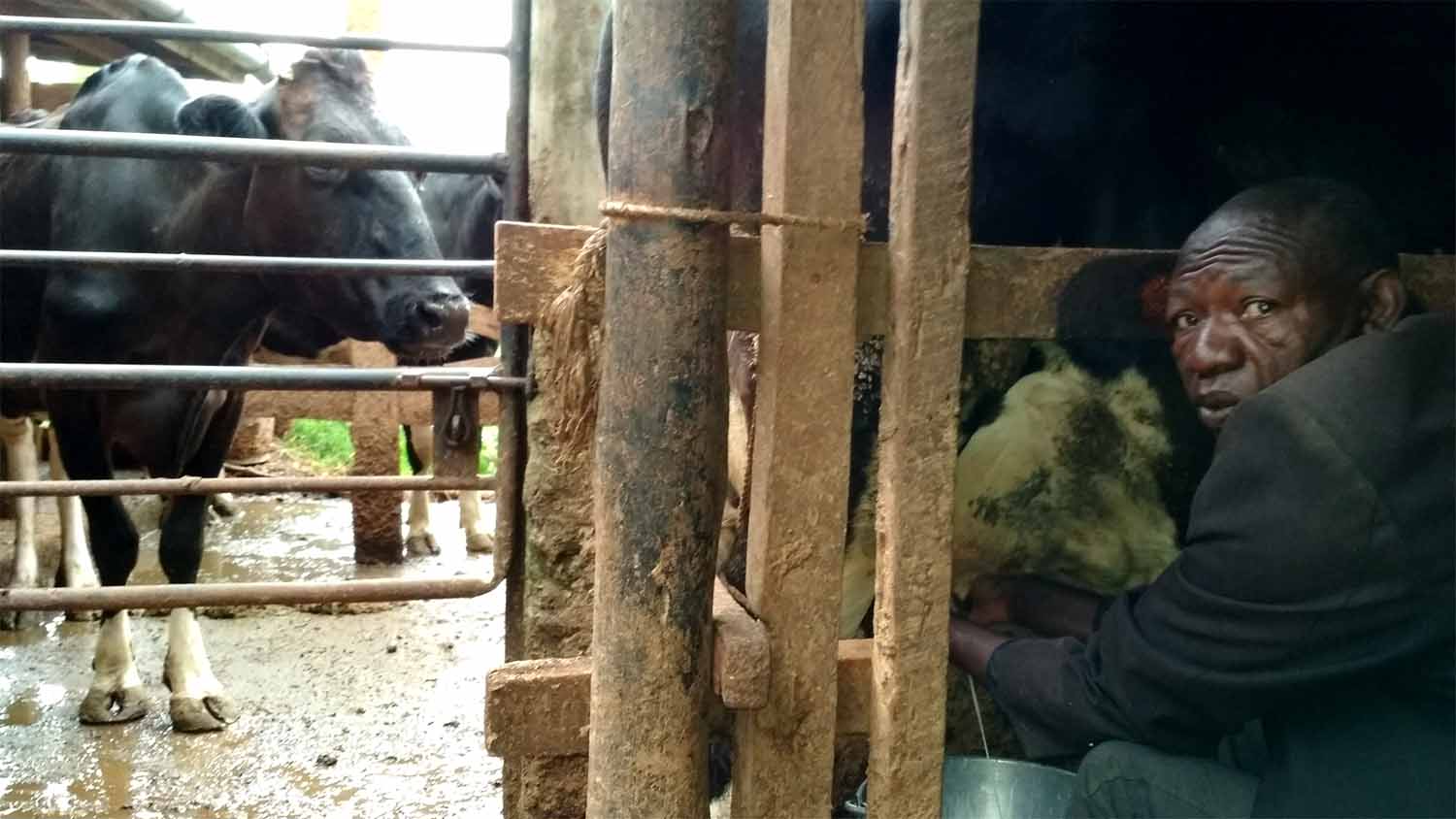
Raw milk (doodh) delivered through the traditional milkman (doodhwala) system is the predominant form of milk consumption for a substantial portion of India's population in both urban and rural areas. Approximately half of India's milk supply is estimated to reach consumers through informal channels without pasteurization, making raw milk access effectively widespread across the country.
The Food Safety and Standards Authority of India (FSSAI) regulates milk and dairy products under the Food Safety and Standards (Milk and Milk Products) Regulations, 2020 made under the Food Safety and Standards Act, 2006. Pasteurization is required for milk processed and sold through the organized commercial dairy sector. Direct producer-to-consumer sales of small quantities of milk are a recognized traditional practice operating outside the organized sector framework. FSSAI enforcement priorities in the milk sector have focused primarily on adulteration — addition of water, synthetic compounds, or other adulterants — rather than raw milk status per se.
Official government documents and legal resources for India
FSSAI regulations governing milk and milk products in India, including standards for pasteurized milk and organized dairy operations.
View Official Resource →Primary food safety legislation in India under which FSSAI operates and milk quality standards are established.
View Official Resource →Free, no paywalls, no private equity.
Keep this project going and growing.
Connect people with raw milk sources.
Every tip keeps real food accessible.
Please enter a valid email address to generate a secure payment form.
✓ You're supporting a free community resource. This is a tip/donation, not a purchase of milk or products.
Trusted by farms, local businesses, and startups nationwide.
Founder of the Slow Food movement, the Ark of Taste, and Terra Madre, Carlo Petrini spent four decades defending artisanal food traditions, raw milk cheeses, and the right to good food worldwide.
Raw milk is accessible in most US states. No vending machine network has developed in any of them. The reasons are structural: no machine-specific framework, a bottling default, shopping habits incompatible with raw milk’s shelf life, and farm geography.
Where to find raw milk vending machines across Europe by country, with local search terms and directory links. Covers Italy, France, Slovenia, Switzerland, Austria, the Netherlands, Germany, and England.
Raw milk in France is available at the farm gate, from automated vending machines, and on the shelves of organic grocery stores, including Biocoop nationwide.
Switzerland’s federal food authorities have confirmed raw milk vending machines are permitted under a consumer information framework. Austria operates a formal inspection regime under AGES with mandatory boiling notices. Two Alpine approaches compared.
Squeezed by merchant pricing that paid farmers roughly 30 cents on the euro, Slovenian dairy farmers built a direct-sale raw milk vending network that now spans close to 70 locations nationwide.