NTP 202.001 — Leche y Productos Lácteos: Leche Cruda
Peruvian national technical standard for raw milk, defining quality requirements and parameters for milk collected for industrial processing.
View Official Resource →Pasteurization required for commercial milk under Norma Técnica Peruana NTP 202.001. Traditional farm-direct and market sales widely practiced, particularly in Andean dairy regions.
Peru requires pasteurization for milk sold commercially under Norma Técnica Peruana NTP 202.001 (Leche y Productos Lácteos — Leche Cruda), which defines raw milk standards in the context of primary production and collection for processing. The National Agrarian Health Service (SENASA / Servicio Nacional de Sanidad Agraria) oversees dairy animal health and primary production, while DIGESA (Dirección General de Salud Ambiental) handles food safety at the consumer level.
Raw milk sales directly from farms and at local markets (mercados de abastos) are traditional and widespread throughout Peru's dairy regions, including the Andean highlands of Cajamarca, Puno, and Arequipa. These informal farm-direct and market sales are a cultural norm and continue with minimal enforcement.
Official government documents and legal resources for Peru
Peruvian national technical standard for raw milk, defining quality requirements and parameters for milk collected for industrial processing.
View Official Resource →Peru's national agricultural health service. Responsible for animal health oversight including dairy cattle and primary milk production.
View Official Resource →
Mapping raw milk sources by hand since 2018.
Tips keep it free and updated daily.
Enter an amount of $1 or more.
✓ You're supporting a free community resource. This is a tip/donation, not a purchase of milk or products.
Designed and coded from scratch. The same developer builds MVPs, internal business systems, and writes about it.
11 million US adults drink raw milk, ten times swill milk era New York. Twenty years of data show the 1850s death toll has not returned. Here’s why.
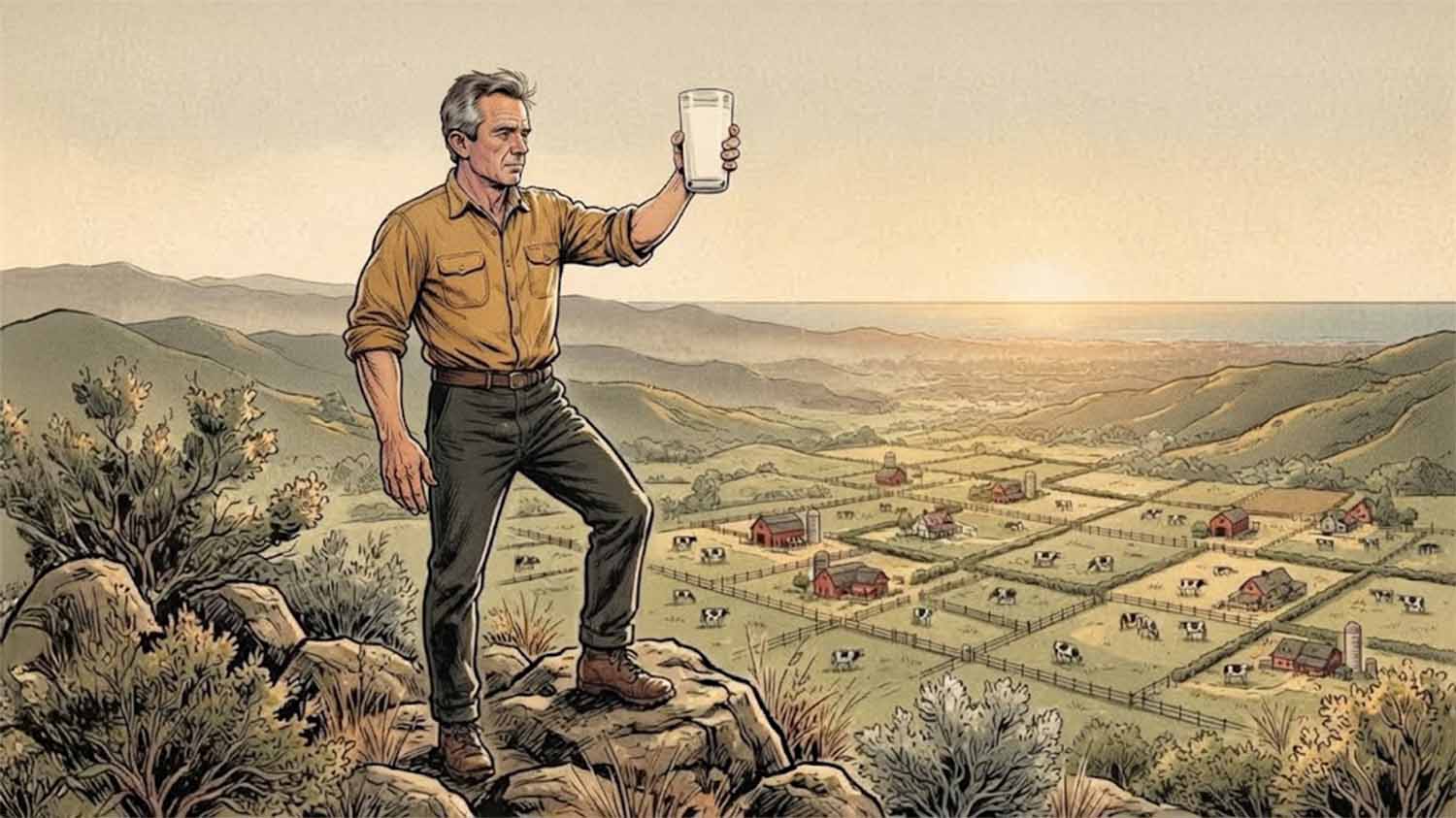
RFK Jr. could open interstate raw milk sales, fix FDA warnings and ease enforcement. He hasn’t used his position to do so. Here is how each option would work.
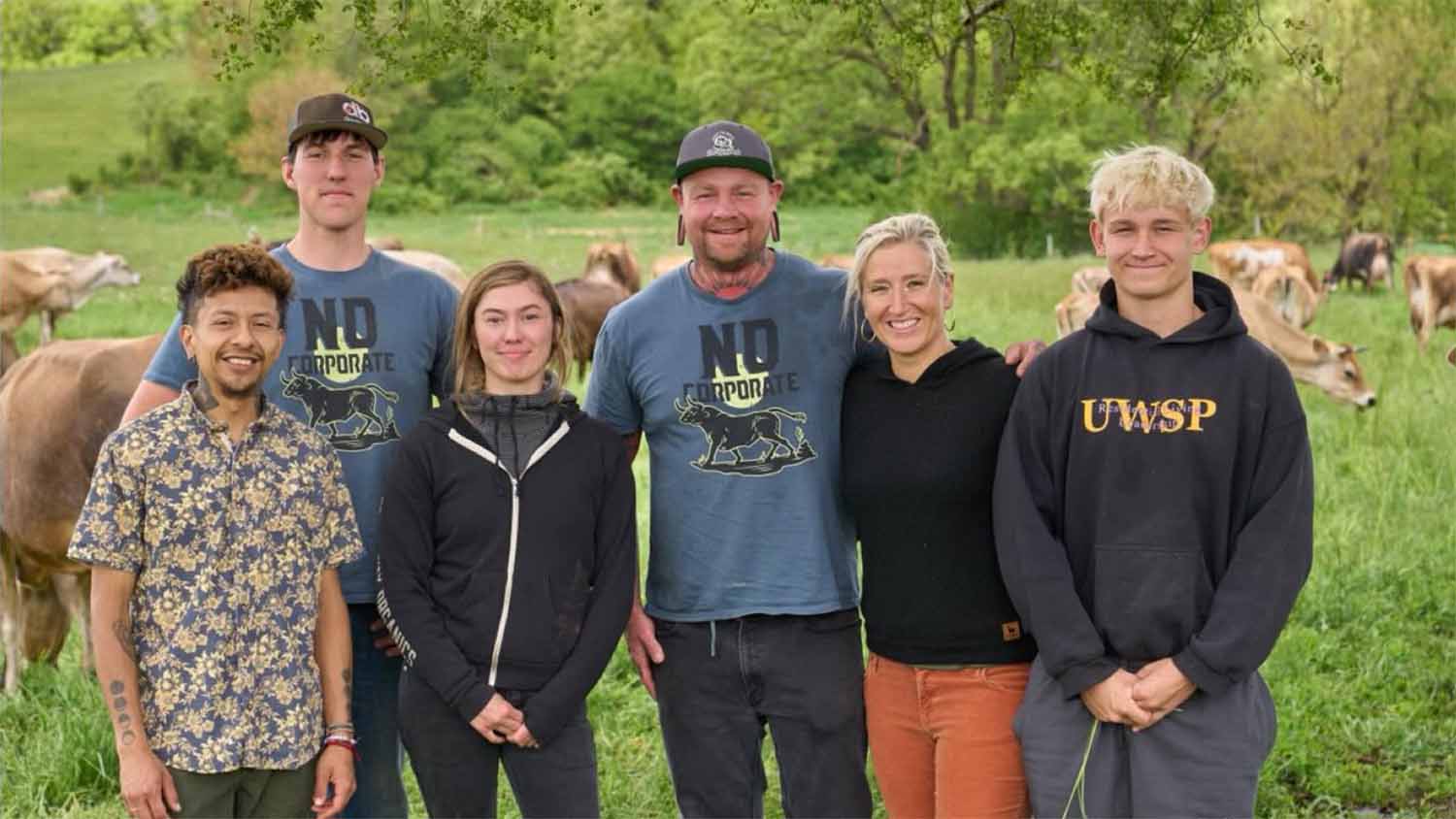
DATCP suspended Grassway Organics’ license and seeks $10,000 plus $50 a day. What the case means for raw milk access in Wisconsin.
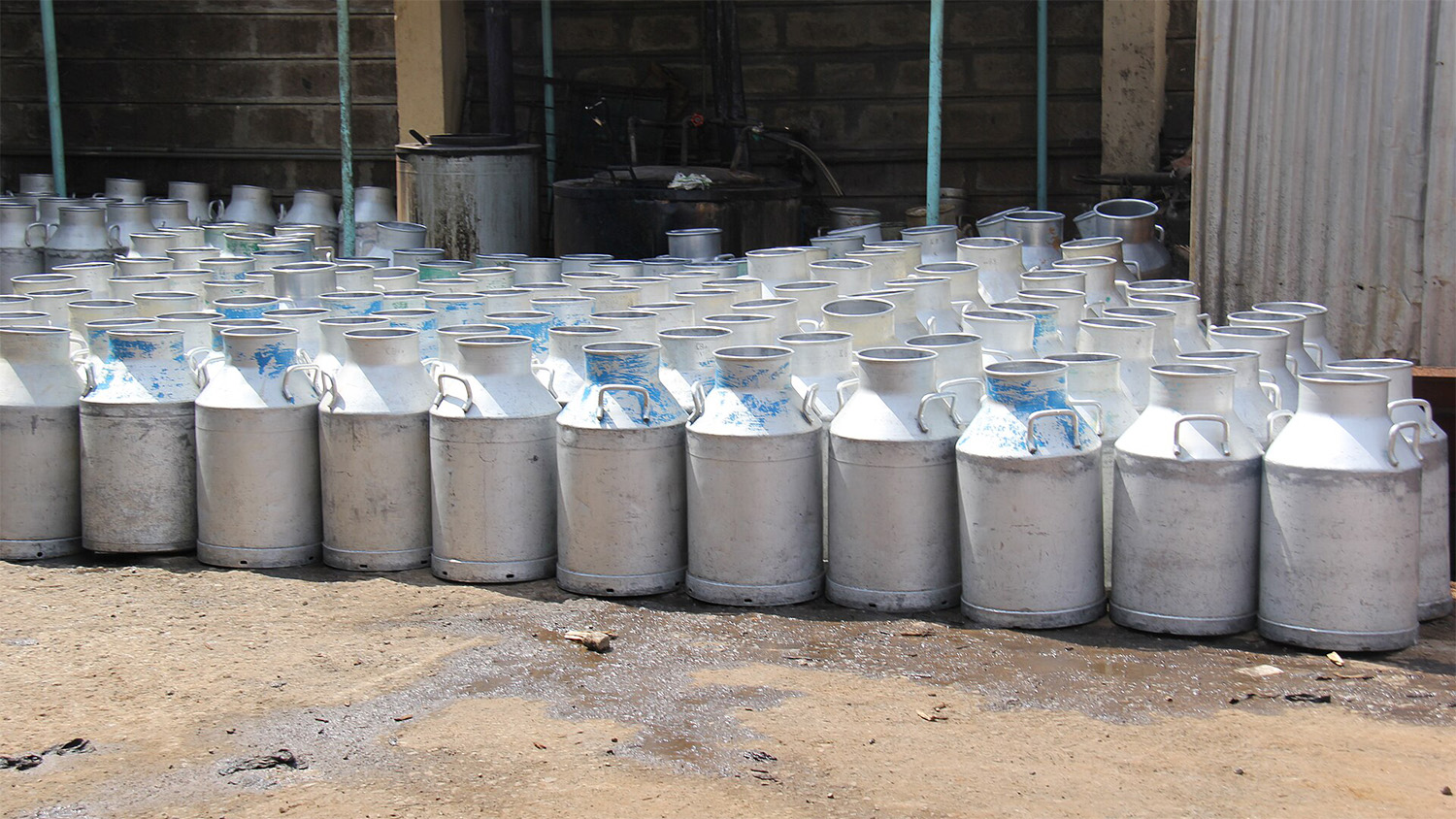
No global count exists. National surveys find 4% to 19% of people drink raw milk in high-income countries, and most milk in developing countries is sold raw.
About 4% of US adults, roughly 11 million people, drank raw milk in the past year, and about 1% drink it weekly. Six national surveys compared.
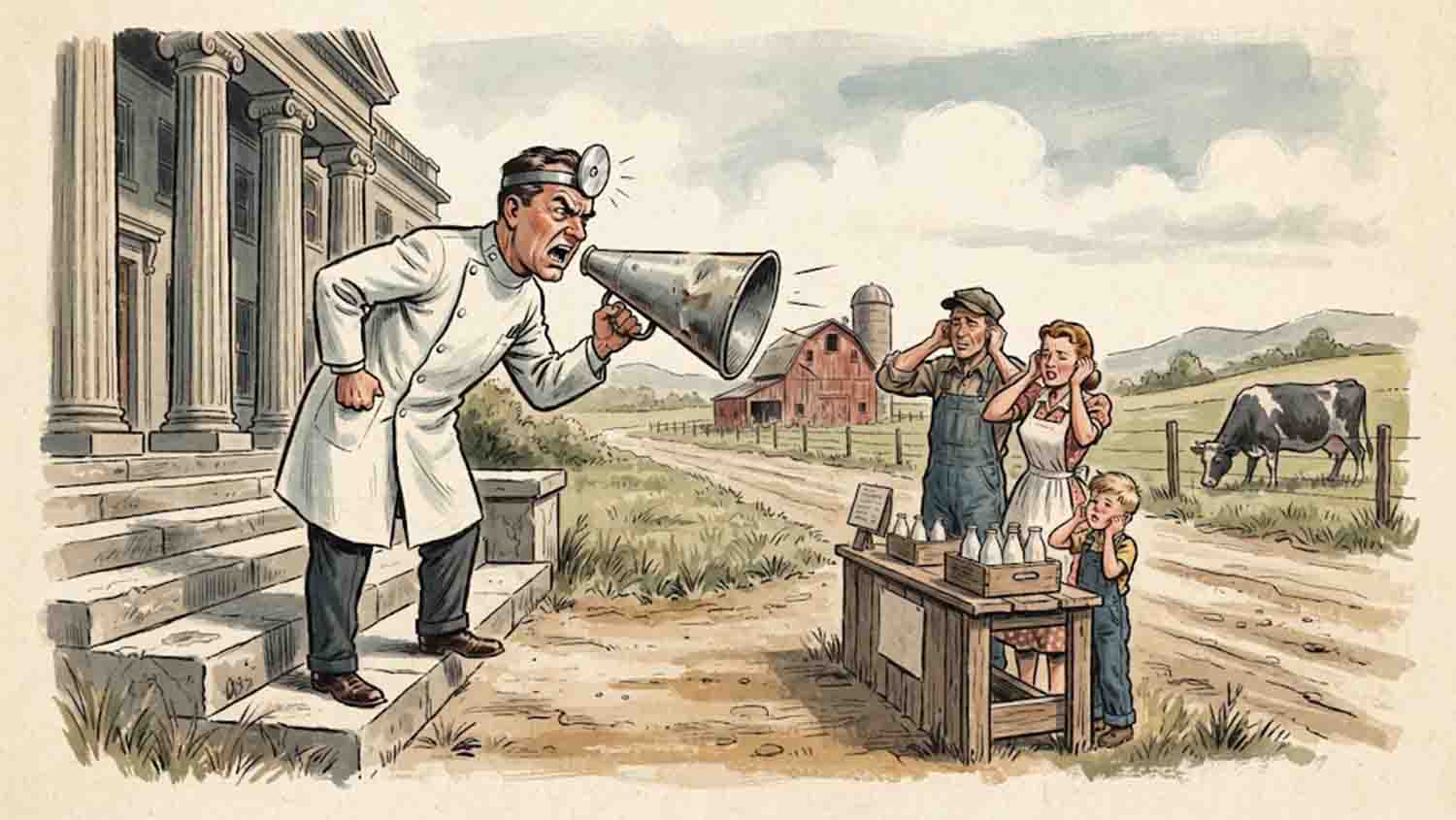
The AAP is calling for a raw milk ban while states vote to expand access. Its own numbers show no emergency, and the call deepens the real one: lost trust.