SENASA — Servicio Nacional de Salud Animal
Costa Rica's national animal health service. Responsible for dairy animal health oversight and regulation of milk production at the primary level.
View Official Resource →Pasteurization required for commercially sold milk under SENASA and Ministerio de Salud regulations. Farm-direct raw milk sales occur informally; enforcement has been more active than in some regional neighbors.
Costa Rica requires pasteurization for commercially sold milk under regulations administered jointly by SENASA (Servicio Nacional de Salud Animal) under the Ministerio de Agricultura y Ganadería and the Ministerio de Salud. The regulatory framework, grounded in the Ley General de Salud and associated technical decrees, establishes pasteurization as the standard for consumer milk sold through commercial channels.
Costa Rica's food safety authorities have been more active in enforcing these requirements than some regional neighbors, periodically conducting operations against informal raw milk sales in urban markets. Traditional farm-direct raw milk sales nonetheless continue in rural areas, particularly in the dairy regions of Cartago and Alajuela, with small producers supplying consumers directly. SENASA maintains inspection oversight of dairy farms and milk collection centers.
Official government documents and legal resources for Costa Rica
Costa Rica's national animal health service. Responsible for dairy animal health oversight and regulation of milk production at the primary level.
View Official Resource →Search for raw milk sources near popular locations in Costa Rica
Mapping raw milk sources by hand since 2018.
Tips keep it free and updated daily.
Enter an amount of $1 or more.
✓ You're supporting a free community resource. This is a tip/donation, not a purchase of milk or products.
Cancel anytime from the link in any receipt, or at getrawmilk.com/tip/manage.
Designed and coded from scratch. The same developer builds MVPs, internal business systems, and writes about it.
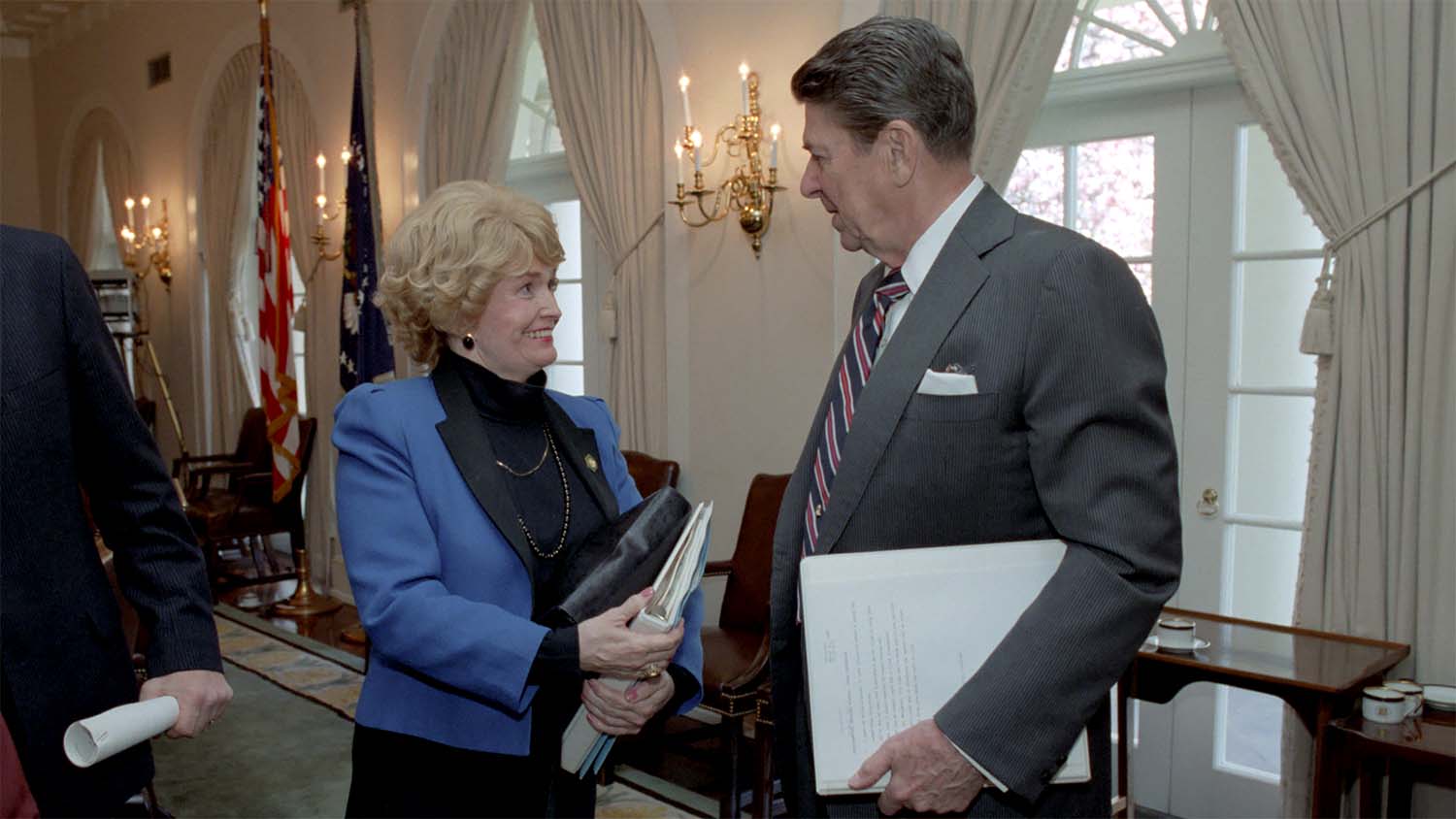
Public Citizen v. Heckler (1985, 1986) led to the 1987 federal ban on interstate raw milk sales, 21 CFR 1240.61. Sales within states were left to state law.
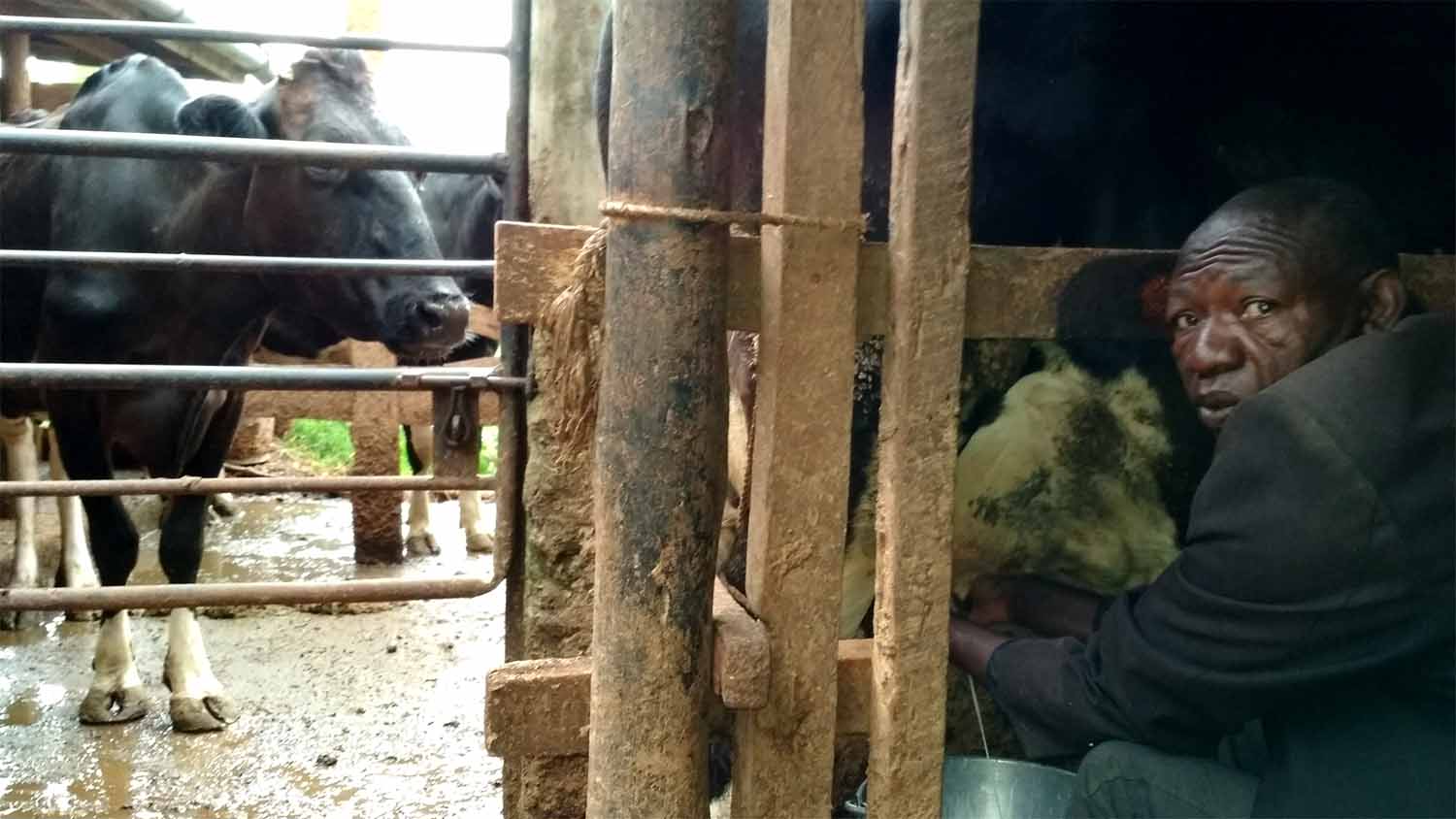
Kenya’s milk shortage deepened through October 2026. Officials now say farmers sell to informal buyers who pay more, as cartel claims spread online.
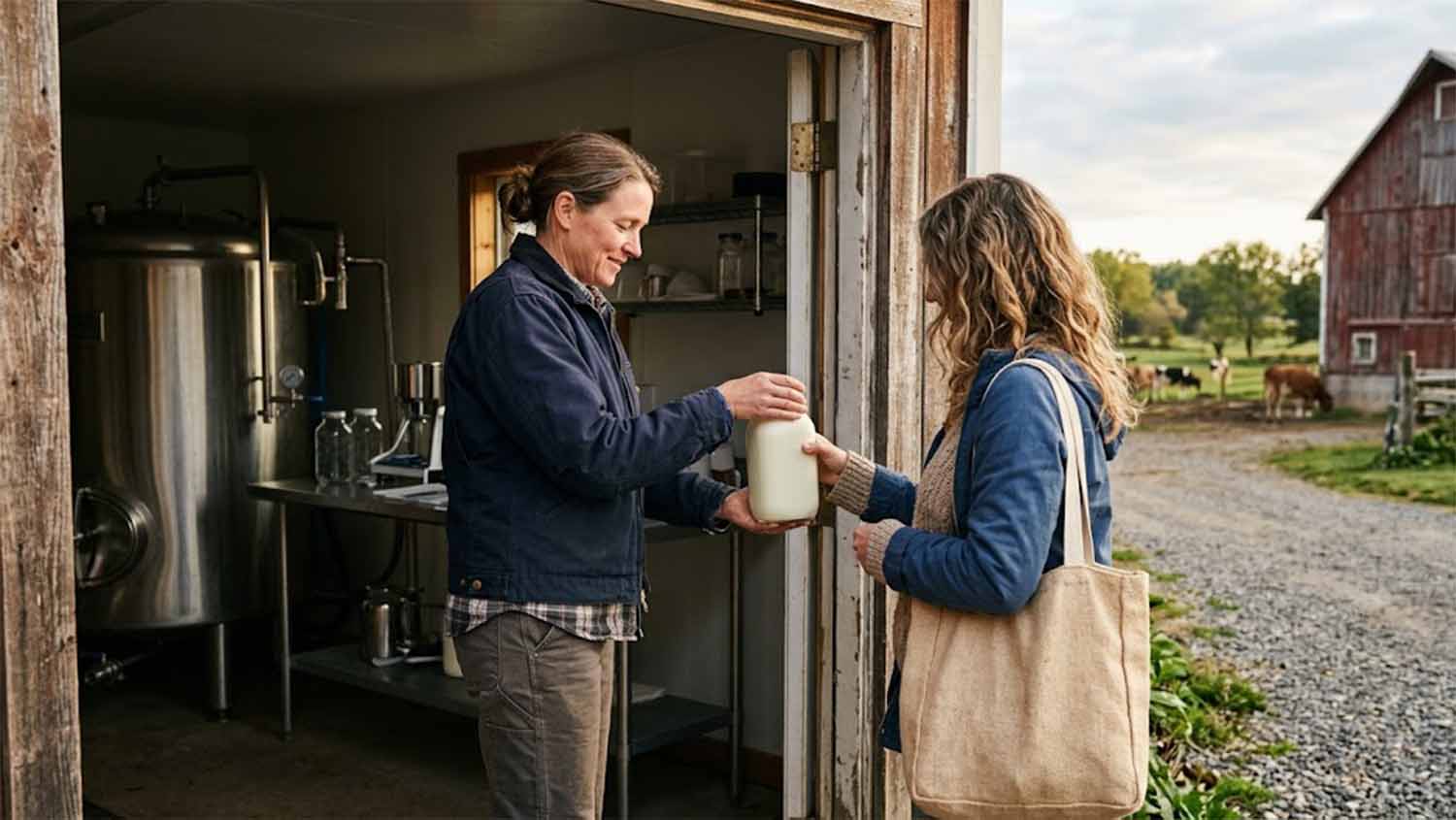
Commodity milk pays dairy farmers about $2 a gallon. Raw milk sold direct brings $6 to $20. What a farm makes depends on state law, customers and costs.
11 million US adults drink raw milk, ten times swill milk era New York. Twenty years of data show the 1850s death toll has not returned. Here’s why.
RFK Jr. could open interstate raw milk sales, fix FDA warnings and ease enforcement. He hasn’t used his position to do so. Here is how each option would work.
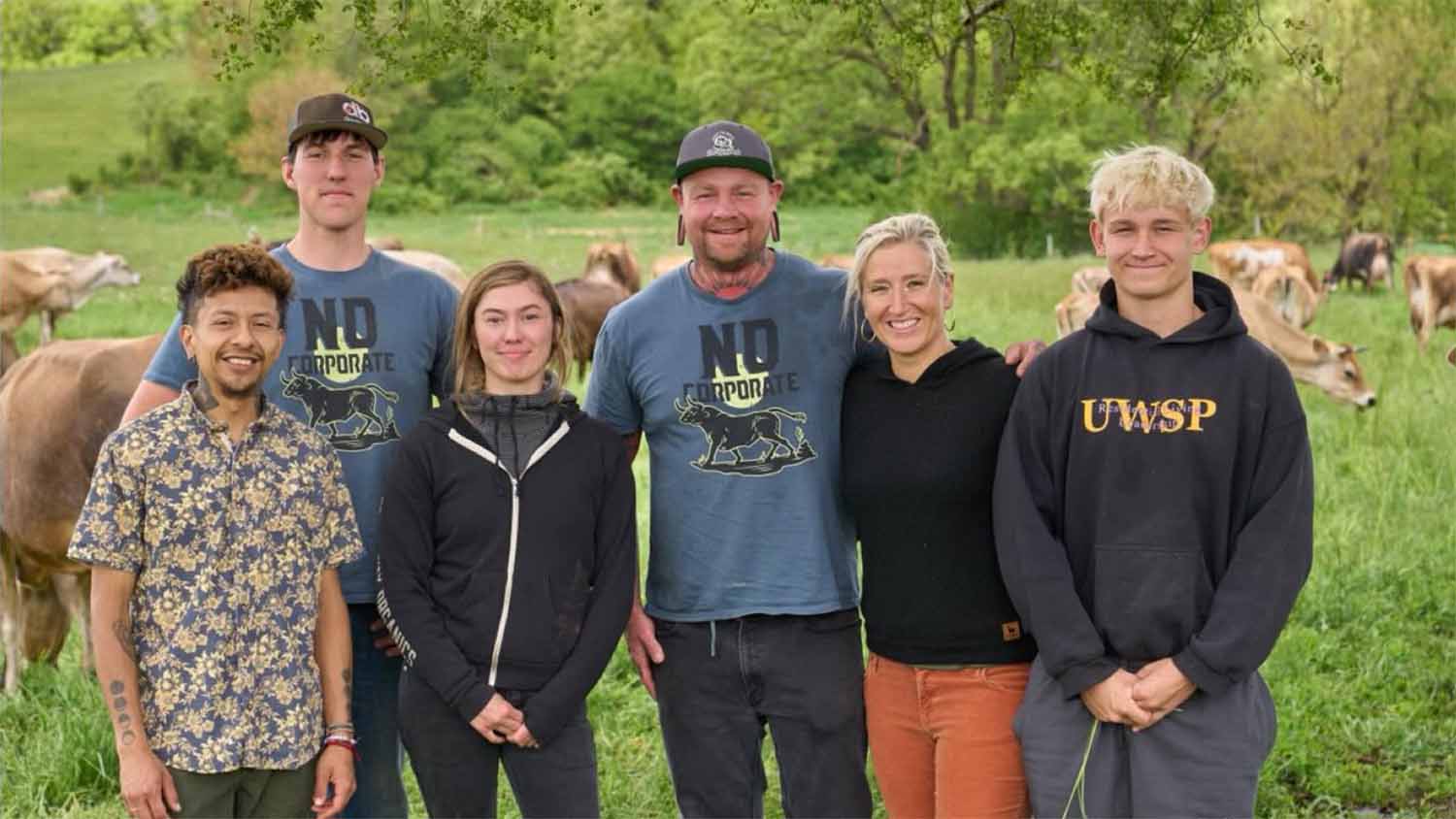
DATCP suspended Grassway Organics’ license and seeks $10,000 plus $50 a day. What the case means for raw milk access in Wisconsin.