Ministry of Agriculture and Land Reclamation
Egyptian government authority responsible for agricultural production standards including primary dairy production and livestock health oversight.
View Official Resource →Approximately 85% of milk sold in Egypt is loose, raw milk distributed by street vendors, in bags, or directly from farmers. Raw milk is the dominant urban market form and a long-standing consumer preference, particularly for buffalo milk.
Egypt's food safety system is administered across multiple authorities including the Ministry of Agriculture and Land Reclamation and the Ministry of Health and Population, with no single consolidated dairy regulatory law publicly identified. Standards for processed dairy products exist, but the formal regulatory framework has limited reach into the informal milk supply chain that handles the majority of the country's milk consumption.
Approximately 85% of milk sold in Egypt moves as "loose milk": sold from street vendors, delivered in bags, or purchased directly from farmers, typically raw or minimally handled. This is not a grey-market fringe but the established, mainstream form of milk distribution in both urban and rural Egypt. Buffalo milk, which commands a premium for its higher fat content, is especially preferred fresh and raw. Consumer preference actively favors loose fresh milk over pasteurized packaged alternatives, associating it with superior taste and richness. Public health bodies have raised concerns about adulteration and preservation chemicals added to loose milk to extend shelf life, but enforcement of pasteurization requirements at the street-vendor level is minimal.
Official government documents and legal resources for Egypt
Egyptian government authority responsible for agricultural production standards including primary dairy production and livestock health oversight.
View Official Resource →Search for raw milk sources near popular locations in Egypt
Mapping raw milk sources by hand since 2018.
Tips keep it free and updated daily.
Enter an amount of $1 or more.
✓ You're supporting a free community resource. This is a tip/donation, not a purchase of milk or products.
Designed and coded from scratch. The same developer builds MVPs, internal business systems, and writes about it.
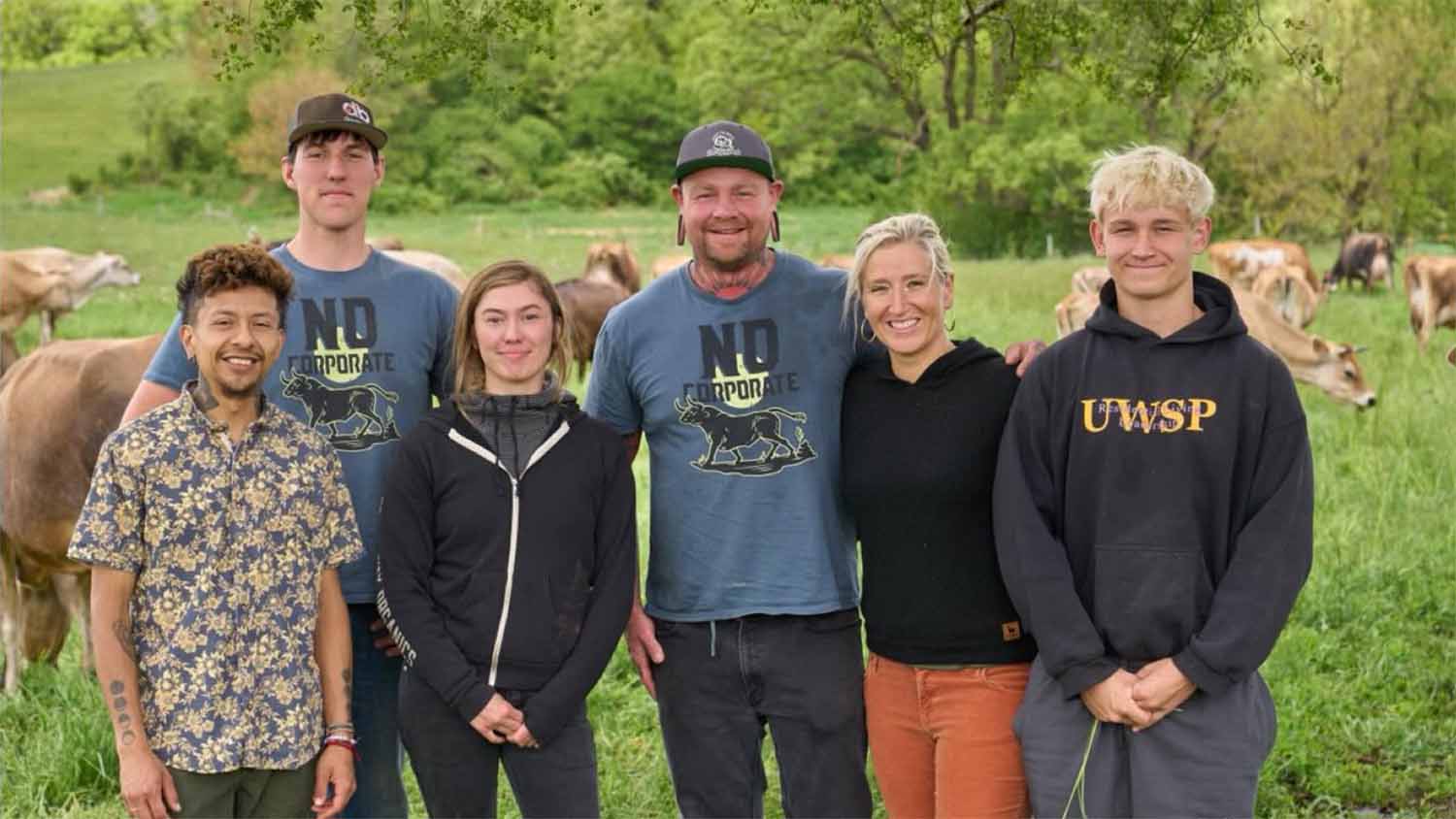
DATCP suspended Grassway Organics’ license and seeks $10,000 plus $50 a day over raw milk. Why the Hershberger verdict never protected Wisconsin farms.
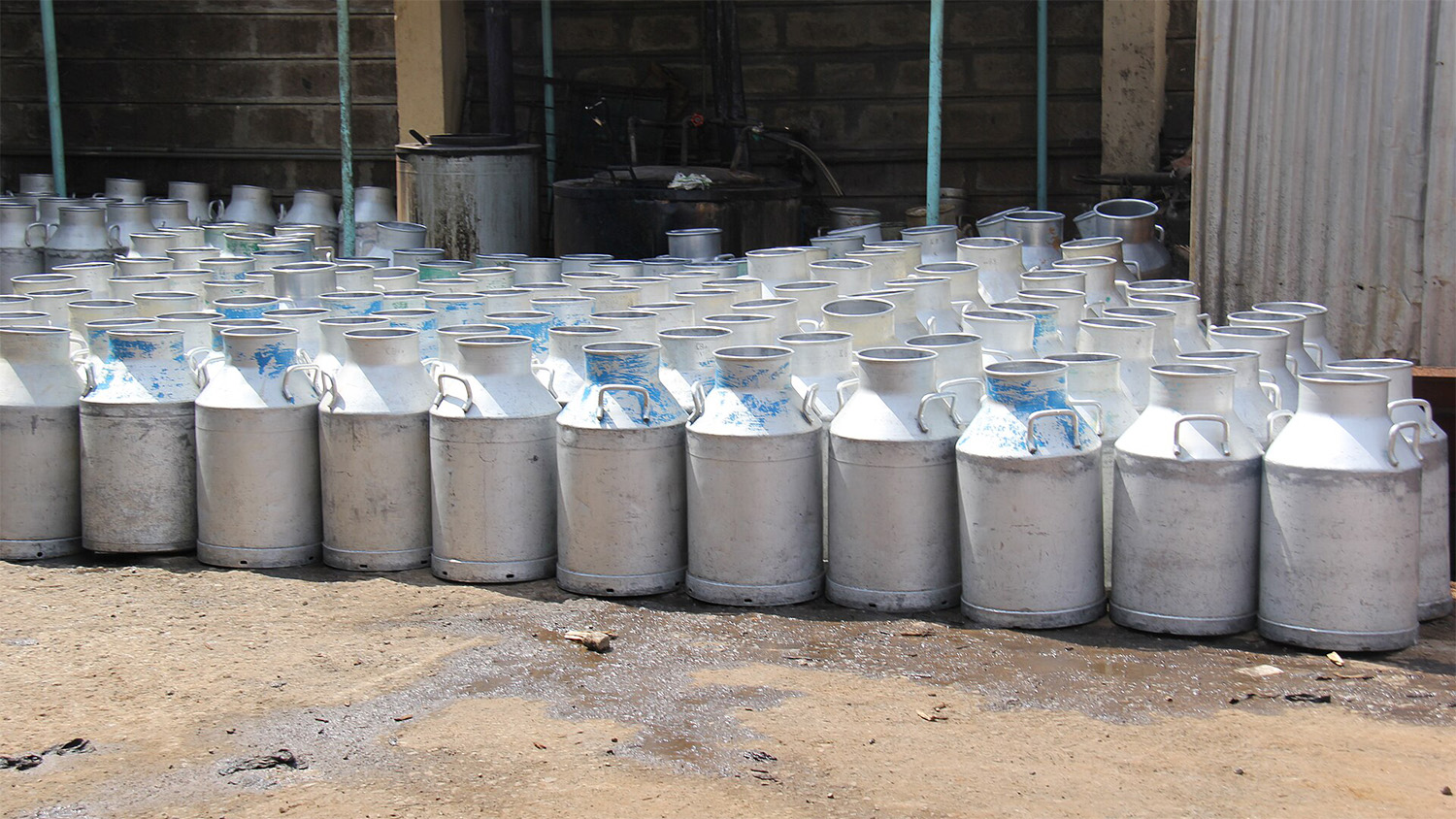
No global count exists. National surveys find 4% to 19% of people drink raw milk in high-income countries, and most milk in developing countries is sold raw.
About 4% of US adults, roughly 11 million people, drank raw milk in the past year, and about 1% drink it weekly. Six national surveys compared.
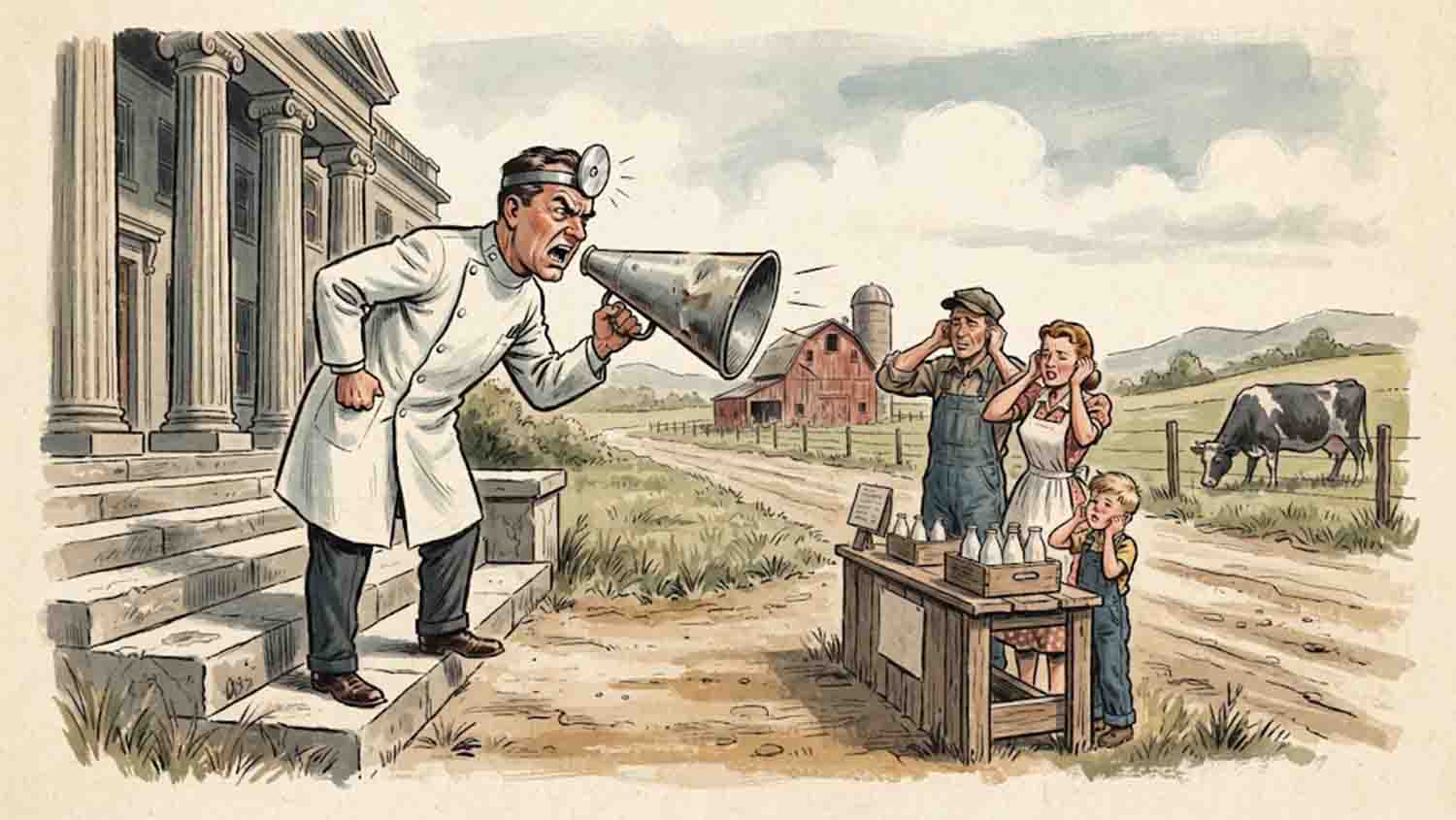
The AAP is calling for a raw milk ban while states vote to expand access. Its own numbers show no emergency, and the call deepens the real one: lost trust.
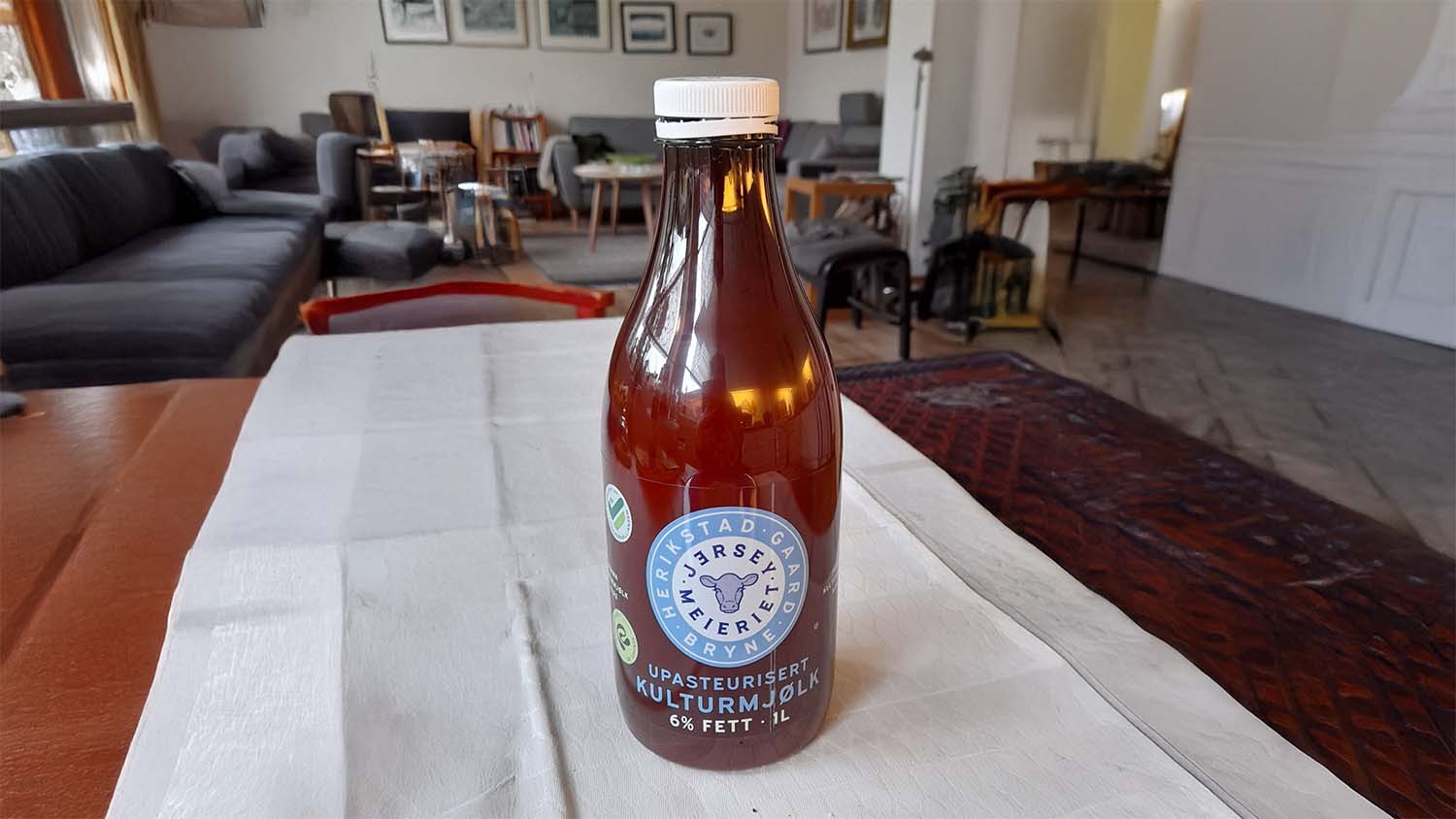
Raw cultured milk, rømme and butter are legal in Norwegian shops. What the law allows, where to buy upasteurisert kulturmelk, and how to read the label.
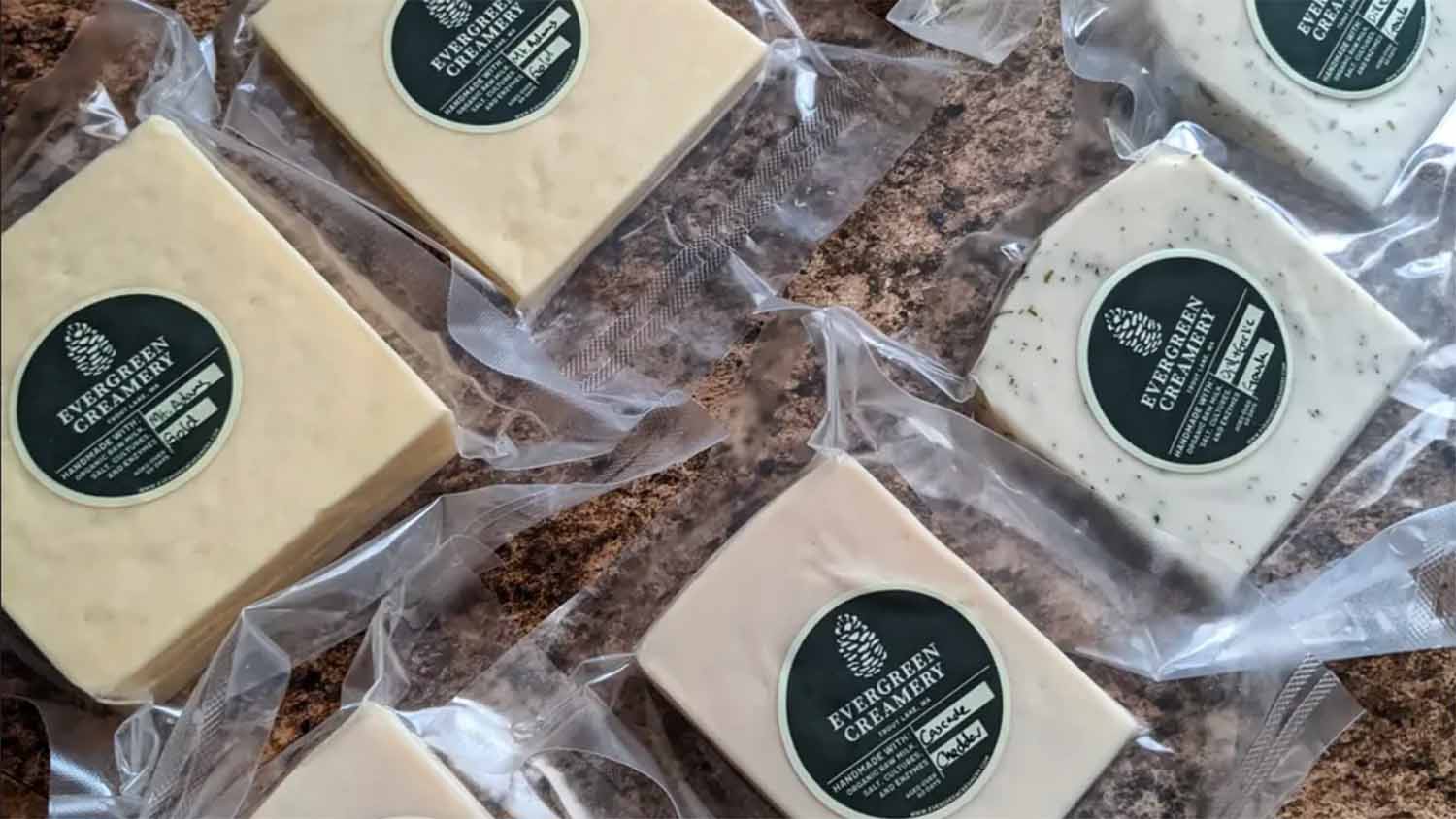
Milk for some raw cheese is heated to 135 to 155°F. How US and EU rules differ, what labels skip, and how to tell if raw cheese is really raw.