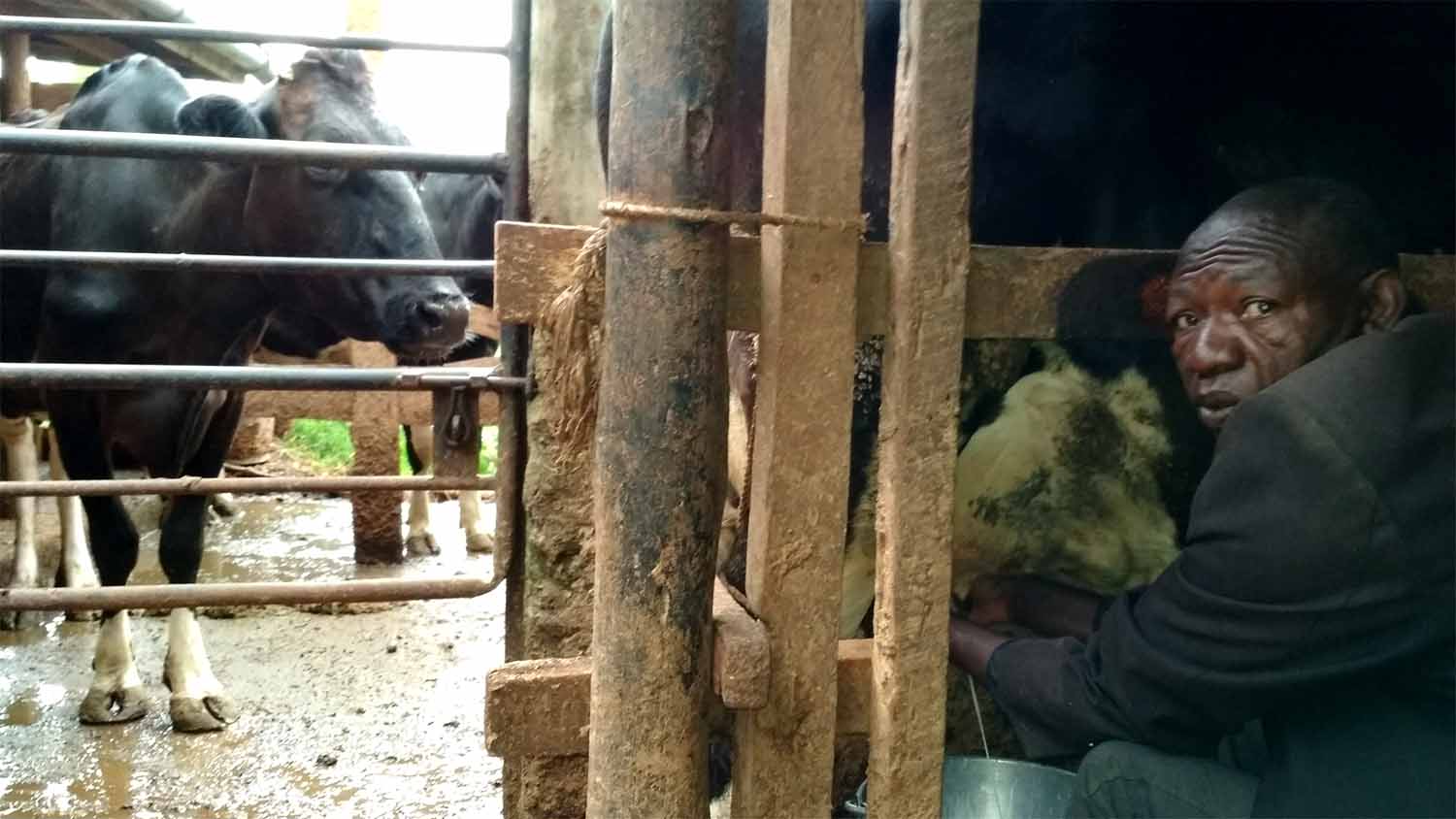
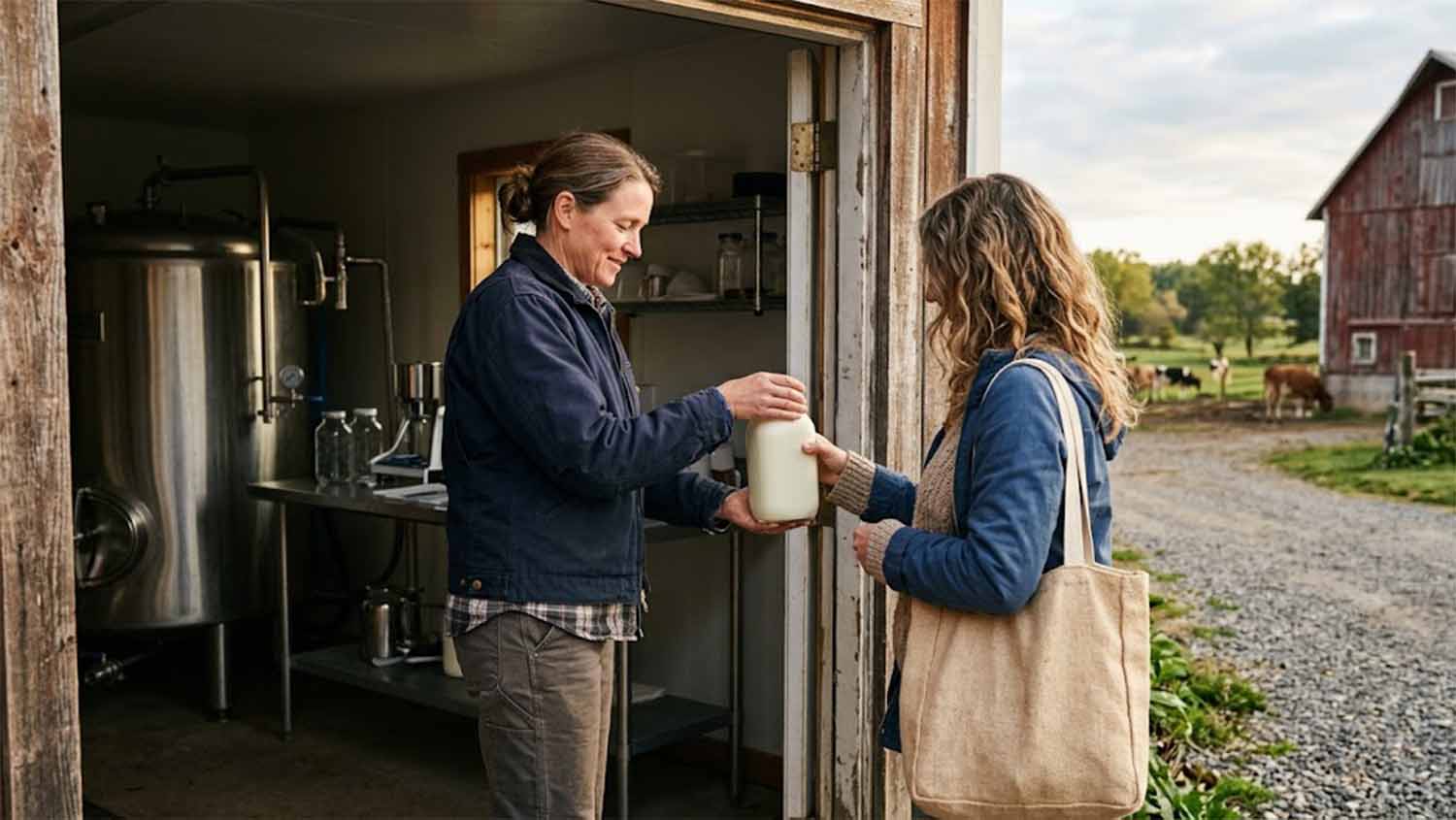
Raw milk (leche cruda, or llet crua in Catalan) can be sold to consumers across Spain. Since 2021, the national rules for selling it directly to consumers are set out in Article 27 of Real Decreto 1086/2020, which requires the milk to come from a registered establishment and to be sold packaged. Catalonia, which created its own direct sales framework in 2018, now follows the same national rules.
Is raw milk legal in Spain?
Yes. Spain never used the option in Article 10(8) of Regulation (EC) No 853/2004 to ban raw drinking milk, and Real Decreto 1086/2020 of 9 December 2020 confirmed a national route for selling it. Under Article 27, raw milk for direct sale to consumers may be marketed by establishments that are authorized and entered in the General Health Register of Food Businesses and Foods (RGSEAA) and that meet the EU hygiene regulations, national dairy controls and the criteria in Annex V of the decree.
Rules for selling raw milk
- Packaging. Raw milk sold to consumers or to shops is always packaged, sealed immediately after filling with a tamper-evident closure.
- Label. The package carries a use-by date no more than three days after milking, and the statements "Leche cruda sin tratamiento térmico: Consumir únicamente tras hervir durante al menos un minuto" (raw milk without heat treatment: consume only after boiling for at least one minute) and "Conservar en refrigeración entre 1 y 4 ºC" (keep refrigerated between 1 and 4°C).
- Testing. Annex V requires Campylobacter, E. coli O157 (STEC), Listeria monocytogenes and Salmonella to be absent in 25 ml, tested at least once a month, and sets hygiene limits including a plate count at 30°C of no more than 50,000 per ml for cow's milk, 250,000 for sheep's milk and 500,000 for other species.
- Farms. A dairy farm may supply its own raw milk to consumers or shops when it meets these same conditions.
Shops may use raw milk as an ingredient only if they boil it or cook it equivalently, and kitchens serving hospitals, nurseries, schools and care homes do not use it.
Catalonia
Catalonia created its own framework with Decret 163/2018 of 17 July 2018, which authorized direct sales of raw cow's milk at the farm, through vending machines and through retail shops, and repealed a 1990 decree that had limited sales to certified packaged raw milk. With Real Decreto 1086/2020 in force, the Catalan decree is repealed and Catalonia follows the national rules, as set out in a March 2022 interpretive note from the Catalan Food Safety Agency (ACSA).
A Catalan farm that wants to sell raw milk to consumers, directly or through a shop, applies to the Public Health Agency of Catalonia (ASPCAT) for entry in the regional health register (RSIPAC) and authorization as a raw milk packer, followed by an on-site inspection. Supplying herds must be officially free of tuberculosis and brucellosis and free of Q fever, under a health program approved by the agriculture department, with equivalent programs for goats, sheep and horses. Plate count and somatic cell count are checked monthly against the national limits, and sales to consumers pause immediately if a result is over the limit.
Raw milk cheese
Spain has a rich raw milk cheese tradition. Idiazábal and Roncal must be made from raw sheep's milk under their PDO specifications, and Manchego made from raw milk can be labeled artesano and carries "leche cruda" on the label.
Finding raw milk in Spain
Farms, shops and cheesemakers are listed at raw milk in Spain. For a full guide to the national rules and the Catalan framework, see Raw Milk in Spain: Leche Cruda, the National Framework, and the Catalan Exception.