Food Hygiene (Wales) Regulations 2006
The Welsh devolved legislation governing raw drinking milk production and direct sales in Wales, including the Schedule 6 microbiological standards mirroring those in England.
View Official Resource →Raw milk is legal in Wales from FSA-registered farms under rules mirroring England's, though only a handful of registered producers operate there.
Wales permits the direct sale of raw drinking milk on essentially the same terms as England, though the sector is much smaller. Only a handful of the 149 establishments on the Food Standards Agency register as at 1 March 2026 were in Wales, so buyers in much of the country face a long drive to the nearest registered holding.
Permitted routes match those in England: direct from the farm gate, from a farm shop, vending machine or bed and breakfast within the curtilage of the holding, via internet sales placed with the holding, from a farmers market stall, and through a distributor selling direct to the final consumer. Sale through supermarkets and general retail is prohibited.
Wales has its own devolved food hygiene legislation, the Food Hygiene (Wales) Regulations 2006, but the practical requirements mirror England's. Schedule 6 of those regulations sets the same microbiological standards: plate count at 30°C no greater than 20,000 CFU/ml and coliforms below 100 CFU/ml. Retained EU law adds the herd-level somatic cell count and plate count requirements, and holdings are inspected roughly twice yearly through combined hygiene audits.
The statutory health warning applies to raw milk from all farmed species, including sheep, goat and buffalo: "This milk has not been heat treated and may contain organisms harmful to health." As in England, enforcement is split, with the FSA responsible for raw cows' drinking milk and local authorities for other species.
Welsh producers appear in the same monthly FSA open dataset as English and Northern Irish holdings, with address, species and compliance rating. For the wider picture, see the United Kingdom raw milk laws overview.
Official government documents and legal resources for Wales
The Welsh devolved legislation governing raw drinking milk production and direct sales in Wales, including the Schedule 6 microbiological standards mirroring those in England.
View Official Resource →Monthly published register of raw drinking milk producers across England, Wales and Northern Ireland, with address, species kept and compliance rating.
View Official Resource →FSA guidance covering England and Wales, including registration, permitted sales routes, hygiene standards and labelling requirements.
View Official Resource →Search for raw milk sources near popular locations in Wales
Mapping raw milk sources by hand since 2018.
Tips keep it free and updated daily.
Enter an amount of $1 or more.
✓ You're supporting a free community resource. This is a tip/donation, not a purchase of milk or products.
Designed and coded from scratch. The same developer builds MVPs, internal business systems, and writes about it.
11 million US adults drink raw milk, ten times swill milk era New York. Twenty years of data show the 1850s death toll has not returned. Here’s why.
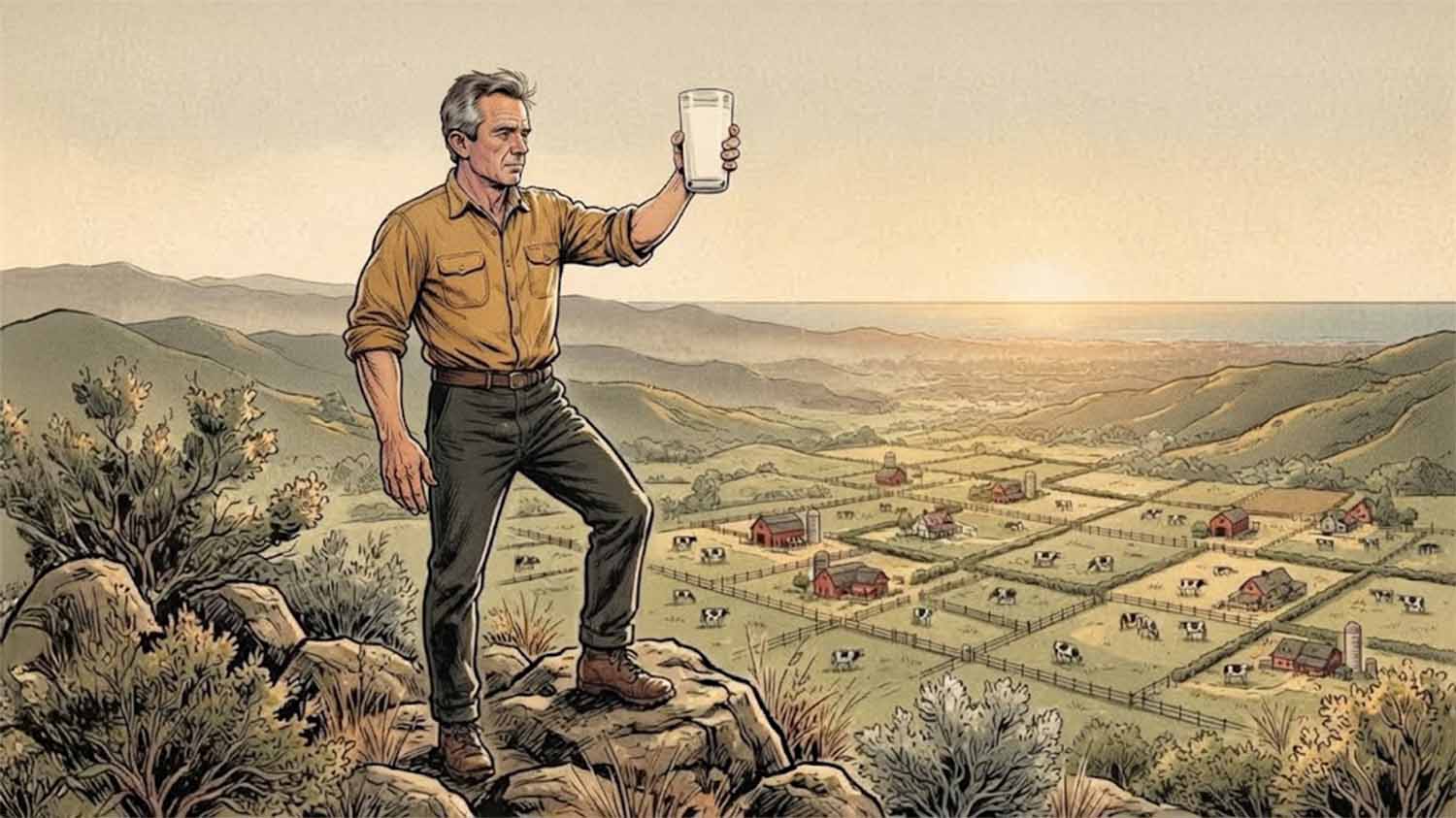
RFK Jr. could open interstate raw milk sales, fix FDA warnings and ease enforcement. He hasn’t used his position to do so. Here is how each option would work.
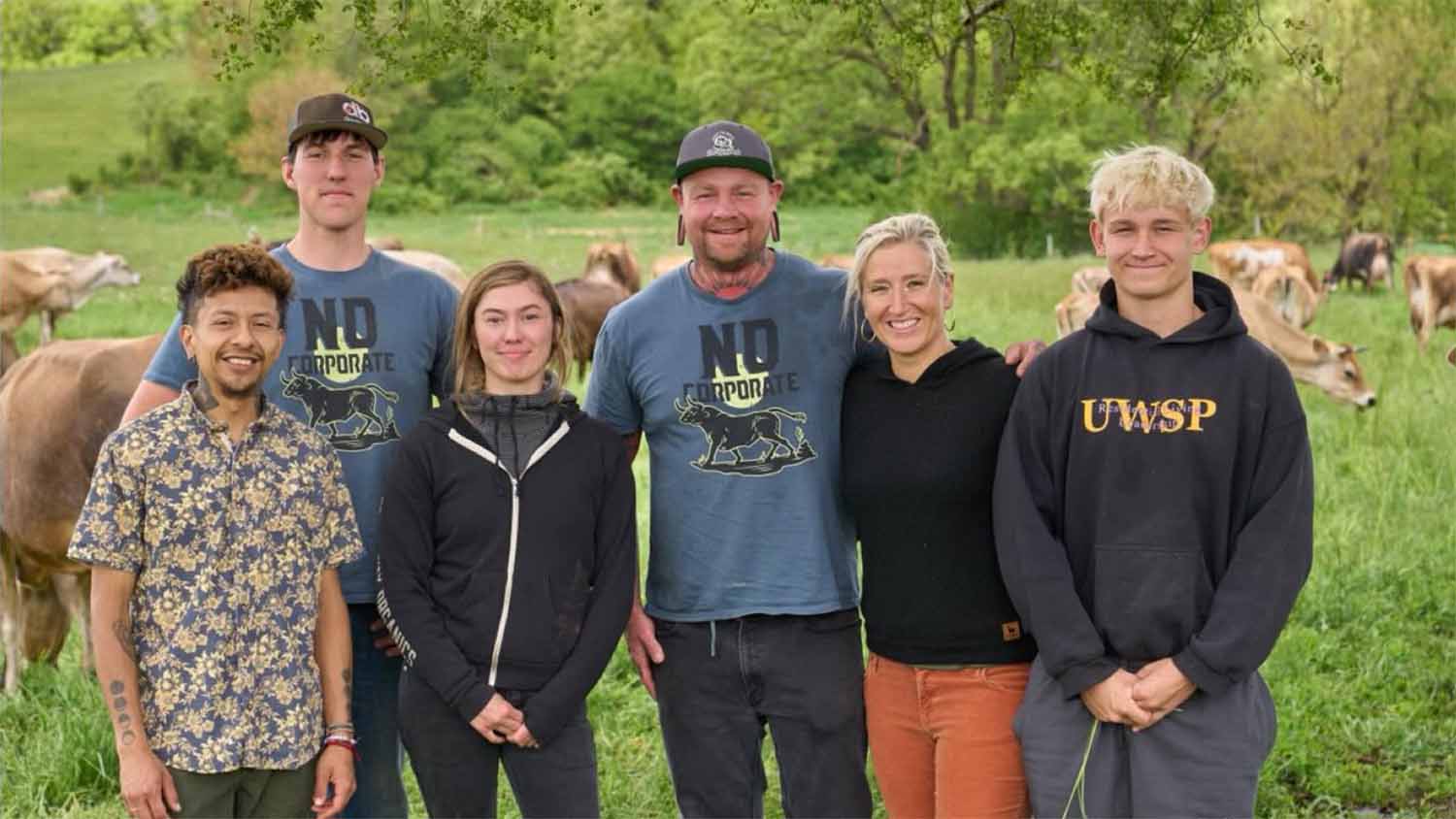
DATCP suspended Grassway Organics’ license and seeks $10,000 plus $50 a day. What the case means for raw milk access in Wisconsin.
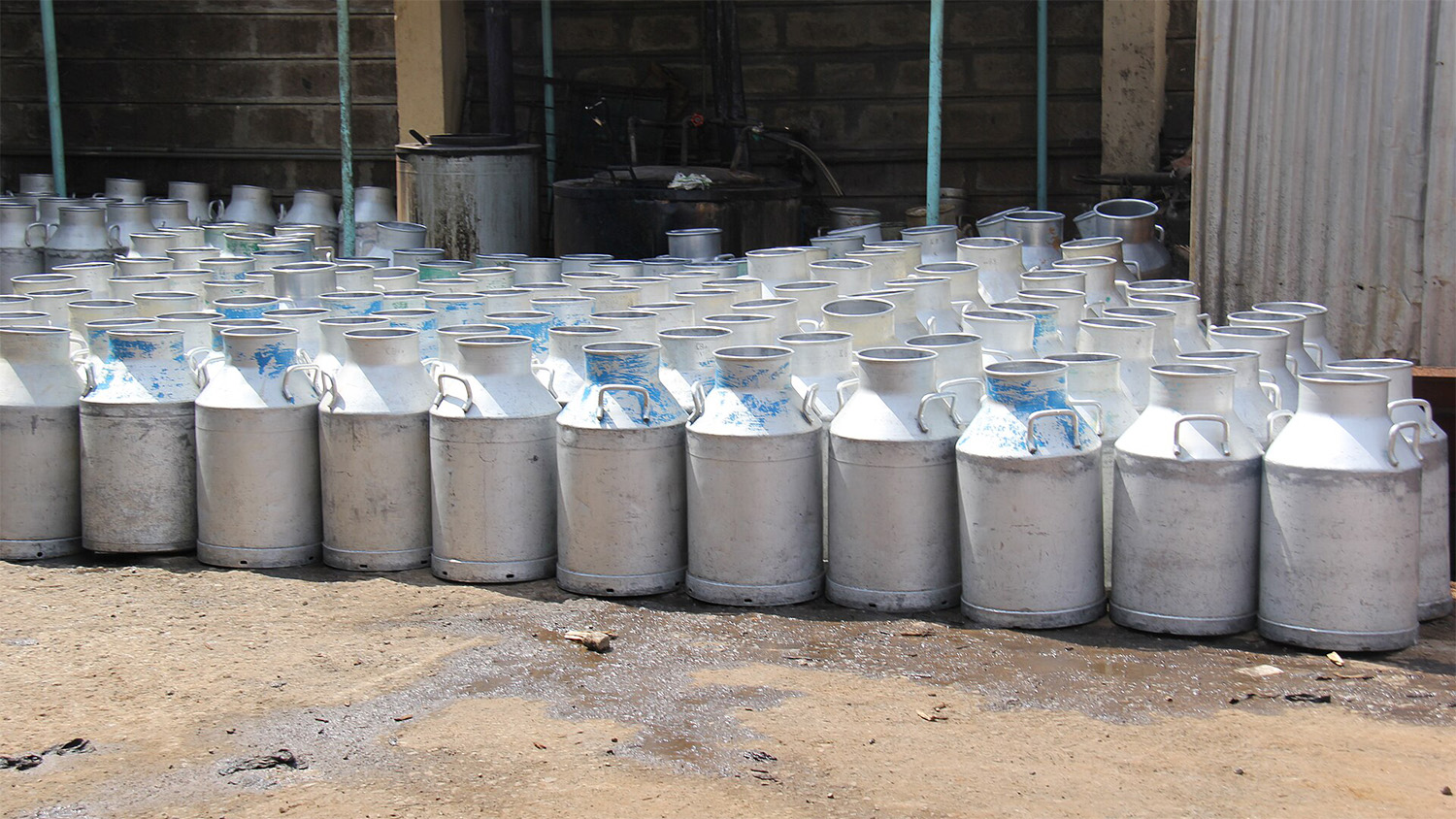
No global count exists. National surveys find 4% to 19% of people drink raw milk in high-income countries, and most milk in developing countries is sold raw.
About 4% of US adults, roughly 11 million people, drank raw milk in the past year, and about 1% drink it weekly. Six national surveys compared.
The AAP is calling for a raw milk ban while states vote to expand access. Its own numbers show no emergency, and the call deepens the real one: lost trust.