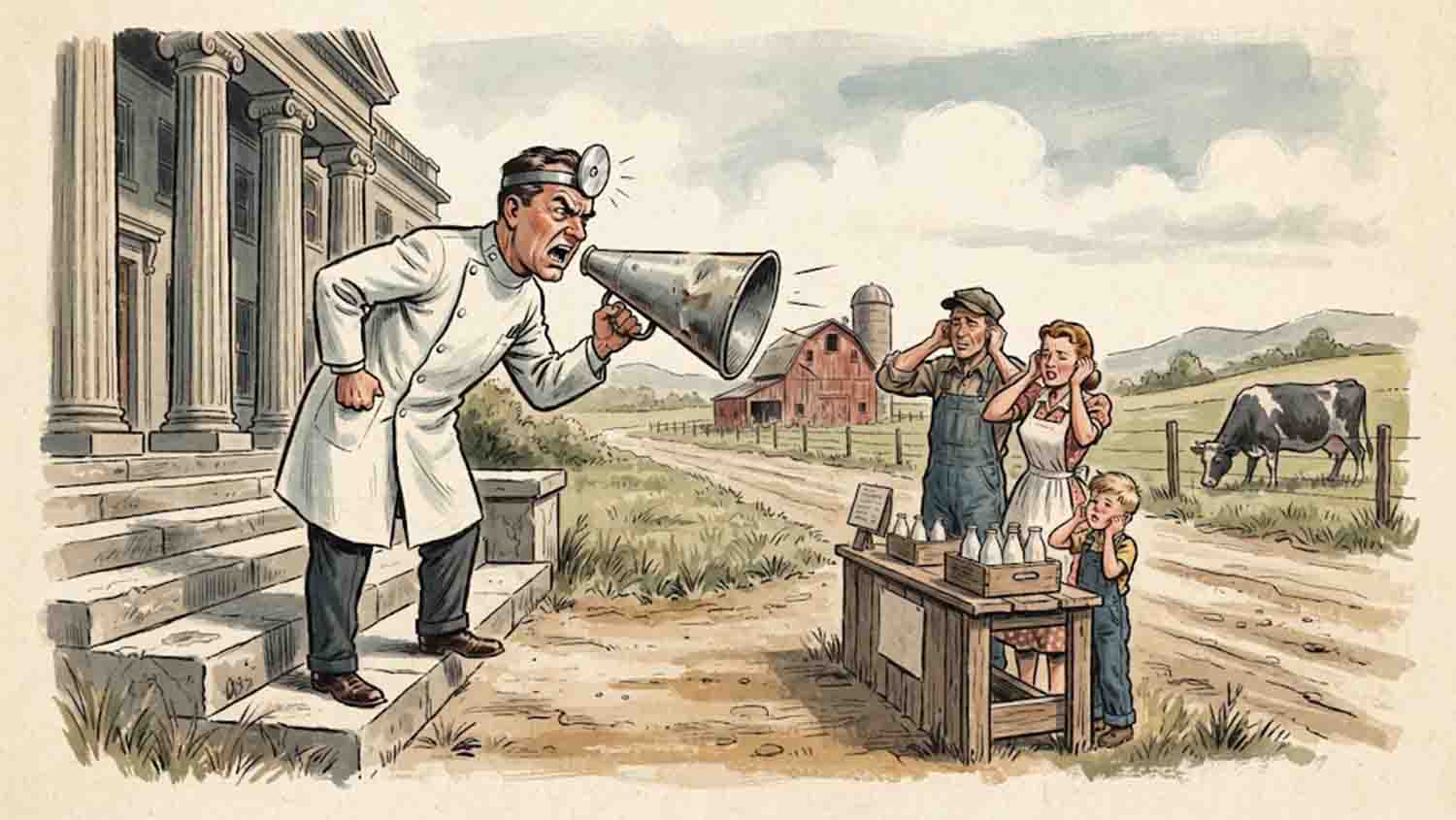
Norway allows dairy products made from raw milk to be sold in shops and supermarkets. Cultured milk (kulturmelk or syrnet melk), sour cream (rømme), butter and cheese made from unpasteurized milk are sold through ordinary retail, and unpasteurized cultured milk is now stocked by national supermarket chains. Norway has more than 400 cheeses from around 150 producers, many of them made from raw milk, and a network of farm dairies selling raw rømme and butter from their own shops.
Fresh drinking milk and cream are the exception. They must be heat-treated before regular sale, with an allowance for occasional sales direct from a farm or summer mountain farm to a household.
Is raw milk legal in Norway?
Raw milk dairy products are legal to sell; fresh raw drinking milk is legal to sell only occasionally, direct from the farm. Norway is not an EU member, but it applies EU food hygiene law through the EEA Agreement, including Regulation (EC) No 853/2004. Article 10(8) of that regulation lets each country set national rules for raw milk sold for direct human consumption. Norway's are in Chapter VII of the animaliehygieneforskriften (FOR-2008-12-22-1624), the regulation on special hygiene rules for food of animal origin.
Section 21 of that chapter reads in full: "All melk og fløte som omsettes til konsum, skal være varmebehandlet. Som unntak fra dette kravet, kan det fra gård eller seter omsettes rå melk og rå fløte direkte til forbruker for bruk i egen husholdning. Dette unntaket gjelder bare dersom omsetningen skjer tilfeldig og ikke har preg av butikksalg." In English: all milk and cream sold for consumption must be heat-treated; as an exception, raw milk and raw cream may be sold from a farm or seter directly to a consumer for their own household, provided the sale is occasional and does not have the character of shop sales.
Why raw milk products can be sold in shops
Section 21 names milk and cream and nothing else. Products made from raw milk fall outside it and are sold under Norway's general food hygiene rules, the same framework that governs other dairy products. Store norske leksikon summarizes the result: "Ost, syrnet melk, rømme og smør av rå melk er tillatt å omsette," meaning cheese, cultured milk, sour cream and butter made from raw milk are permitted for sale. The Norwegian Institute of Public Health (FHI) likewise notes that Norwegian and imported cheese and rømme made from raw milk are found on ordinary shop shelves.
Producers of unpasteurized products register or seek approval from the Norwegian Food Safety Authority (Mattilsynet) in the same way as other food businesses. Mattilsynet's guidance for small dairy producers sets out how unpasteurized production is managed: milk quality and herd health, fast cooling or processing straight after milking, rapid souring with a suitable culture, and for cheese, aging of 60 days or more.
How raw milk products are labeled
Mattilsynet requires products made from unpasteurized milk to be labeled Framstilt av rå mjølk or Framstilt av upasteurisert mjølk (in Bokmål, fremstilt av rå melk), meaning made from raw or unpasteurized milk. Shops and farm counters selling unpackaged products must give the buyer the same information, by a sign or verbally. Product names often carry the word upasteurisert as well. A product without either marking should be assumed pasteurized.
Raw cultured milk in supermarkets
The most widely available raw dairy product in Norway is Upasteurisert Kulturmjølk from Jerseymeieriet, a farm dairy run by Sonja and Per Ådne Skårland at Herikstad Gård, south of Bryne in Rogaland. The farm has kept Jersey cows since 2001, milks a herd of around 85, and built its own dairy in 2021. The kulturmjølk is unpasteurized soured whole Jersey milk at 6% fat, sold in 1 litre brown bottles that keep four weeks at 0 to 4°C. It is the only unpasteurized product in the range: the dairy's whole milk, cream, rømme, butter, buttermilk (kjernemjølk) and yogurt are low-pasteurized.
Jerseymeieriet products are carried by MENY, Coop Mega, Spar and independent food shops in Rogaland, Bergen, Sørlandet, Trøndelag and the Oslo area, and by MENY's online grocery delivery in Oslo. MENY features the dairy in its Matskatter fra Rogaland program for regional producers. Not every shop carries the full range, so it is worth checking for the unpasteurized kulturmjølk specifically.
Raw milk cheese
Unpasteurized cheese has been permitted in Norway since 2002, when an amendment to the national milk regulations (FOR-2002-06-11-700) allowed exemptions for raw milk cheese matured for at least 60 days. Voll Ysteri on Jæren received the first approval for cheese from unpasteurized cow's milk, and Undredal Stølsysteri in Sogn the first for unpasteurized goat's milk cheese, in 2003. Farm cheesemaking has grown steadily since, supported by Norsk Gardsost, the association of Norwegian farm cheesemakers founded in 1997. By 2022 Norway had more than 400 cheeses from around 150 producers. Raw milk cheeses, both Norwegian and imported, are sold in cheese shops, supermarkets and farm shops across the country.
Farm shops, REKO-rings and summer farms
Smaller farm dairies sell a wider range of unpasteurized products, usually from their own farm shop (gårdsutsalg). Gårdssysleriet, at Ytre Hægeland Gård in Øvrebø near Kristiansand, makes unpasteurized gårdsrømme, cultured farm milk soured straight after milking, fresh cheese and butter, sold at the farm, at a local shop in Skarpengland and through the REKO-ring in Kristiansand. REKO-rings are local pre-order groups where customers buy from nearby farms and collect at a set time and place, and they are one of the easiest ways to find raw dairy from small producers.
Summer mountain farms (stølar or setrer) are a long-standing source of raw milk rømme. Many sell or serve small amounts of their own rømme in summer, often made from raw milk, and register the activity with Mattilsynet.
Buying fresh raw milk from a farm
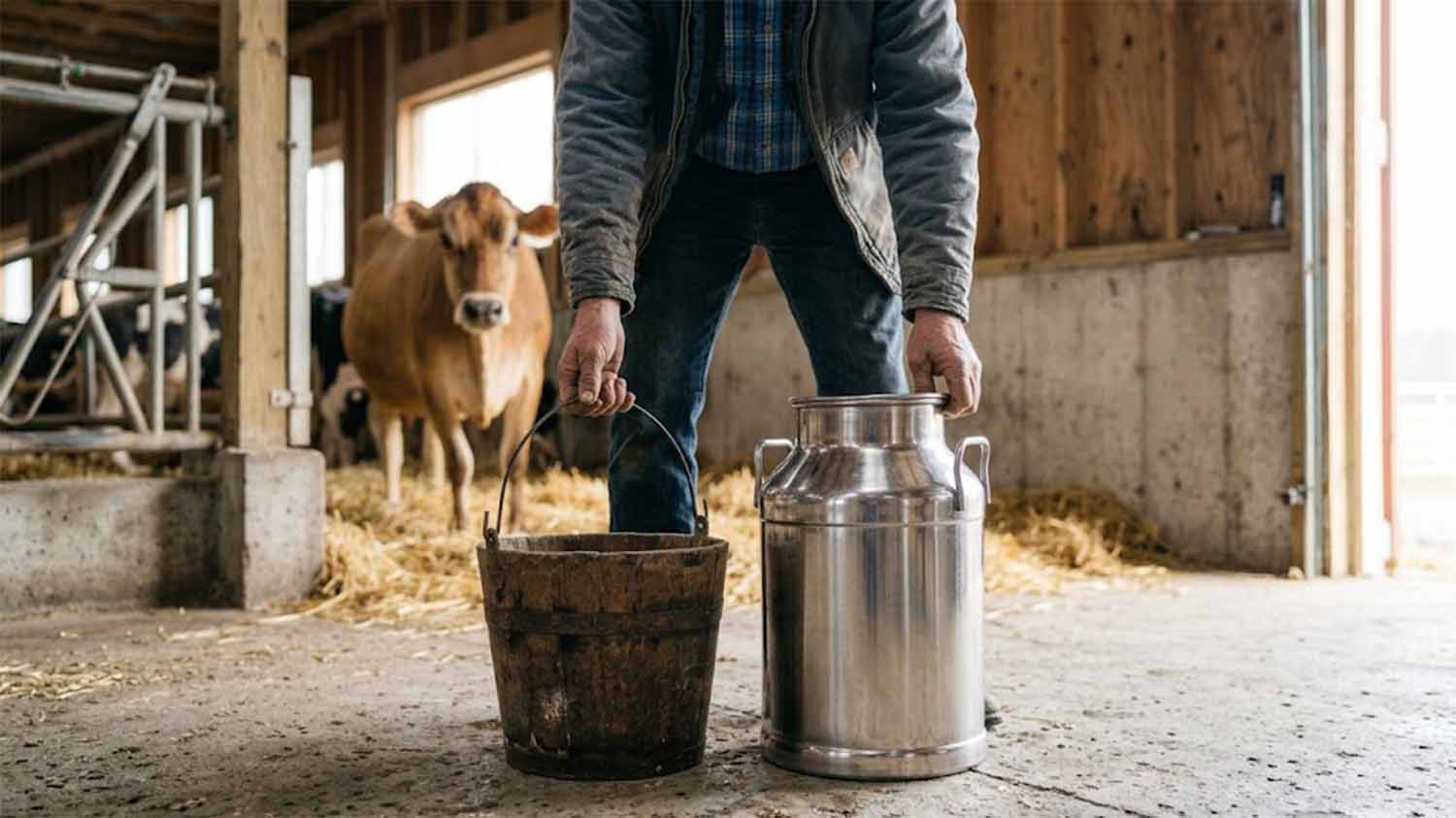
Fresh, uncultured raw milk and cream can be bought directly from a farm or seter for household use when the sale is occasional. Mattilsynet's example is a tourist stopping at a seter who wants to buy a pail of milk; Norsk Gardsost describes it as a hiker passing a mountain farm being able to buy a little milk from the farmer. Regular sales to the same buyers, and anything resembling a shop, fall outside the exception. Farms may also sell raw milk to other food businesses for further processing.
How the rules developed
Norway has restricted sales of raw drinking milk since 1953. When the EU hygiene package was adopted in 2004 and opened the door to national raw milk regimes, several European countries chose to permit regulated sales, including Sweden's farm-gate system and Finland's retail model. Norway kept its heat-treatment requirement for milk and cream while opening up raw milk products: cheese from 2002, alongside cultured milk, rømme and butter under the general hygiene rules.
Mattilsynet later consulted on a proposal that would have allowed farms and summer farms to sell up to 5,000 litres of raw milk or raw cream a year, subject to hygiene requirements, an unbroken cold chain, labeling, and sale directly from the farm. The Ministry of Health and Care Services announced on 6 January 2021 that the rules would remain unchanged.
Finding raw dairy in Norway
Supermarkets and shops stocking Jerseymeieriet's unpasteurized kulturmjølk, along with farm shops selling raw dairy, are listed at raw milk in Norway. For a practical buying guide covering labels, vocabulary and search terms, see Raw Milk in Norway: Upasteurisert Kulturmelk, Rømme, and the Supermarket Shelf. Neighboring rules are covered on the Sweden, Finland and Denmark pages.