Rohmilch: Was bei der Abgabe und dem Konsum zu beachten ist
Canton of Zurich guidance on buying and storing raw milk from farm vending machines, including the blue information sticker and storage at 5°C or below.
Read Article →Legal at the farm and from around 400 farm vending machines. Swiss law requires a notice that raw milk should be heated to at least 70°C before drinking.
Raw milk (Rohmilch, lait cru, latte crudo) is sold across Switzerland directly from farms, mostly through self-service vending machines. SWI swissinfo.ch reported around 400 machines in 2024, many of them made by Brunimat in St. Gallen, the first European manufacturer of raw milk dispensers. Switzerland is also home to some of the world's best-known raw milk cheeses.
Yes. Swiss law permits raw milk to be sold to consumers and regulates it through labeling. The Federal Department of Home Affairs ordinance on food of animal origin (VLtH, SR 817.022.108) defines raw milk in Article 32 as milk not heated above 40°C and not given any treatment with a similar effect. Article 38 sets the information that must accompany it.
When raw milk is sold prepackaged, the label must state the storage temperature, that it is raw milk which must be heated to at least 70°C before consumption, and "vor Licht geschützt aufbewahren" (store away from light). Under the hygiene ordinance (HyV, SR 817.024.1, Article 47), prepackaged raw milk sold directly to consumers must also be mechanically cleaned.
When raw milk is sold loose, including from a vending machine, the seller must inform buyers in a suitable form that the milk is not ready to drink and should be heated to at least 70°C, and must give its shelf life and storage conditions. On many machines this information appears on a blue sticker. The Canton of Zurich's 2026 guidance advises storing raw milk at 5°C or below and using it within three days.
Raw milk is the foundation of Swiss cheesemaking. The federal specification for Le Gruyère AOP states that the cheese milk "ne doit avoir subi aucun traitement" (must not have undergone any treatment), and many other alpine and mountain cheeses are made the same way.
Farm vending machines are common in dairy regions and alpine villages, often beside honesty-box farm shops selling eggs and cheese. Machines and farms are listed at raw milk in Switzerland. For more on the machines, see Raw Milk by the Liter: Switzerland and Austria's Vending Machine Culture and How to Find a Raw Milk Vending Machine in Europe.
Latest developments and news related to raw milk in Switzerland
Canton of Zurich guidance on buying and storing raw milk from farm vending machines, including the blue information sticker and storage at 5°C or below.
Read Article →Overview of Switzerland's roughly 400 raw milk vending machines and how they operate under Swiss food law.
Read Article →Official government documents and legal resources for Switzerland
Swiss ordinance on food of animal origin. Article 32 defines raw milk and Article 38 sets the labeling and point-of-sale information for raw milk, including the notice to heat it to at least 70°C.
View Official Resource →The official Gruyère AOP specification, which requires that the cheese milk undergo no treatment.
View Official Resource →
Mapping raw milk sources by hand since 2018.
Tips keep it free and updated daily.
Enter an amount of $1 or more.
✓ You're supporting a free community resource. This is a tip/donation, not a purchase of milk or products.
Designed and coded from scratch. The same developer builds MVPs, internal business systems, and writes about it.
11 million US adults drink raw milk, ten times swill milk era New York. Twenty years of data show the 1850s death toll has not returned. Here’s why.
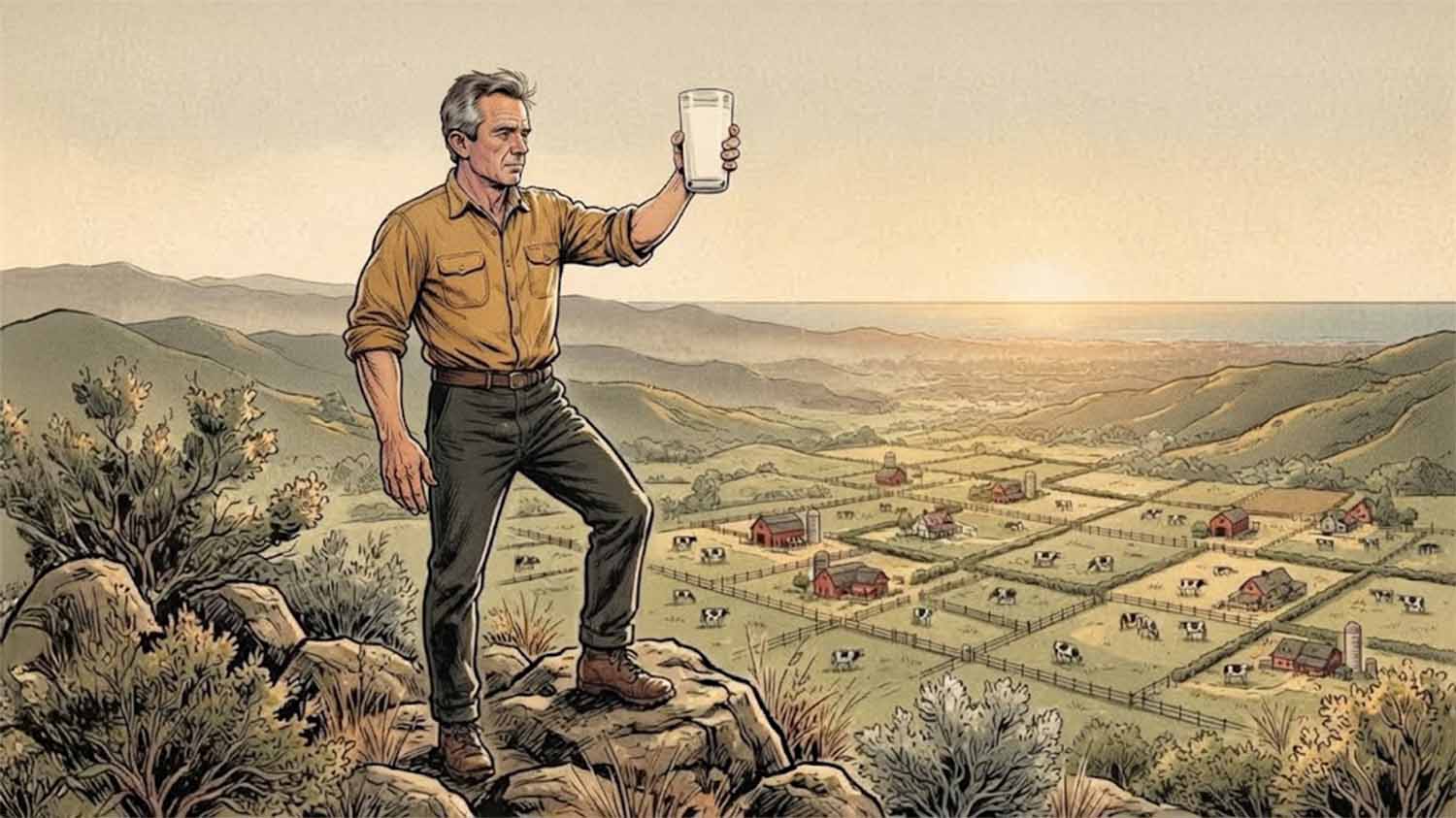
RFK Jr. could open interstate raw milk sales, fix FDA warnings and ease enforcement. He hasn’t used his position to do so. Here is how each option would work.
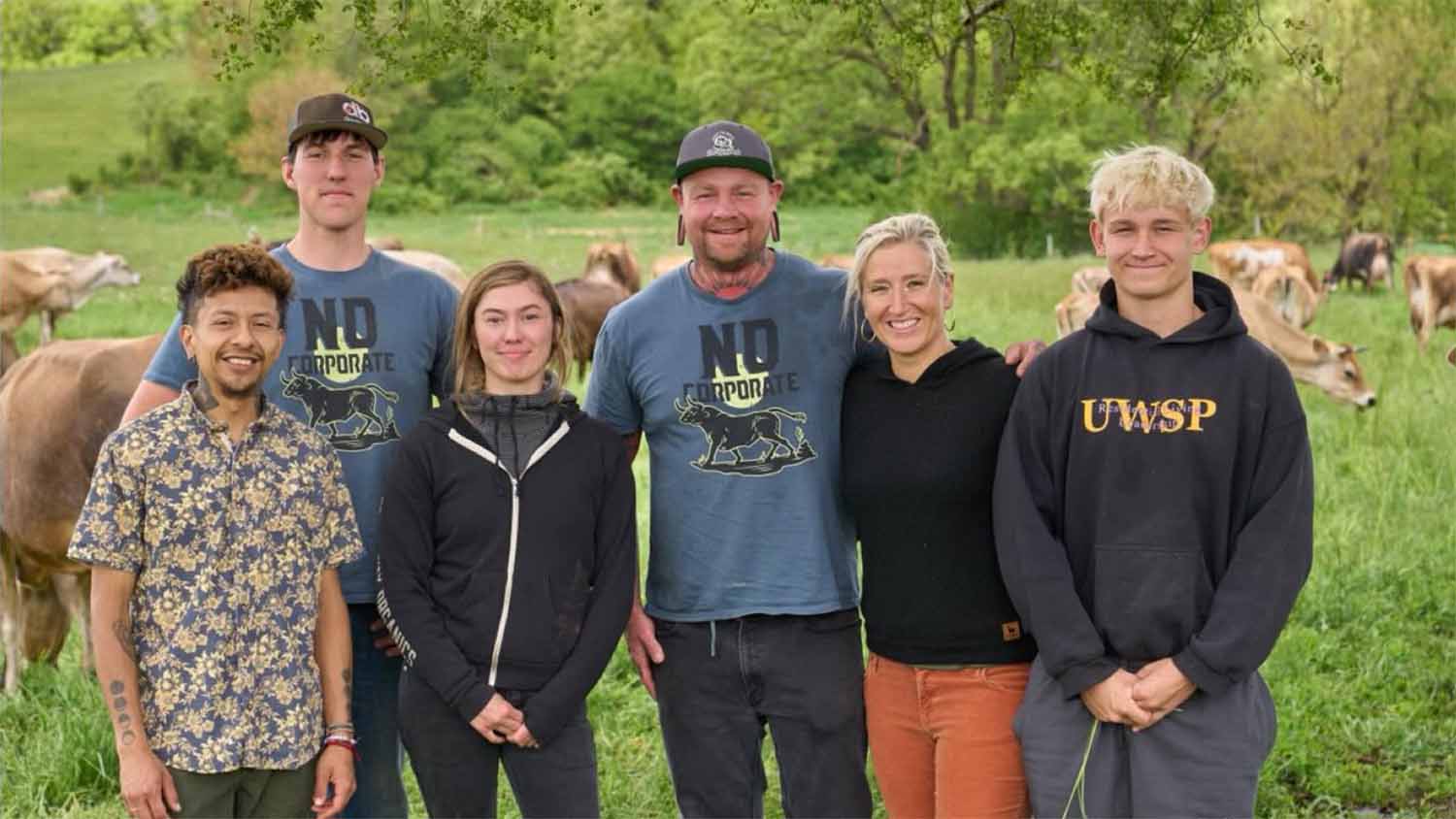
DATCP suspended Grassway Organics’ license and seeks $10,000 plus $50 a day. What the case means for raw milk access in Wisconsin.
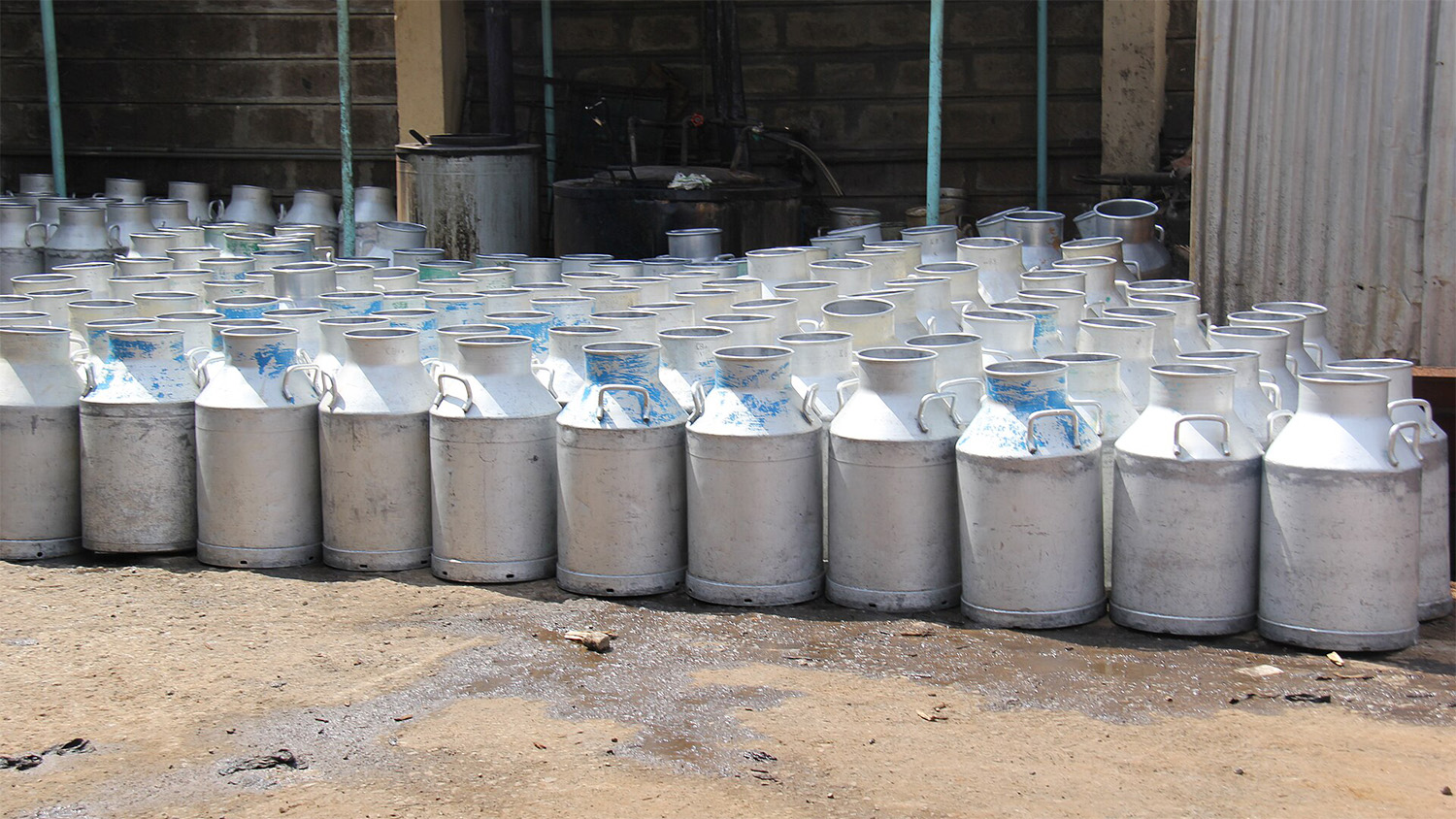
No global count exists. National surveys find 4% to 19% of people drink raw milk in high-income countries, and most milk in developing countries is sold raw.
About 4% of US adults, roughly 11 million people, drank raw milk in the past year, and about 1% drink it weekly. Six national surveys compared.
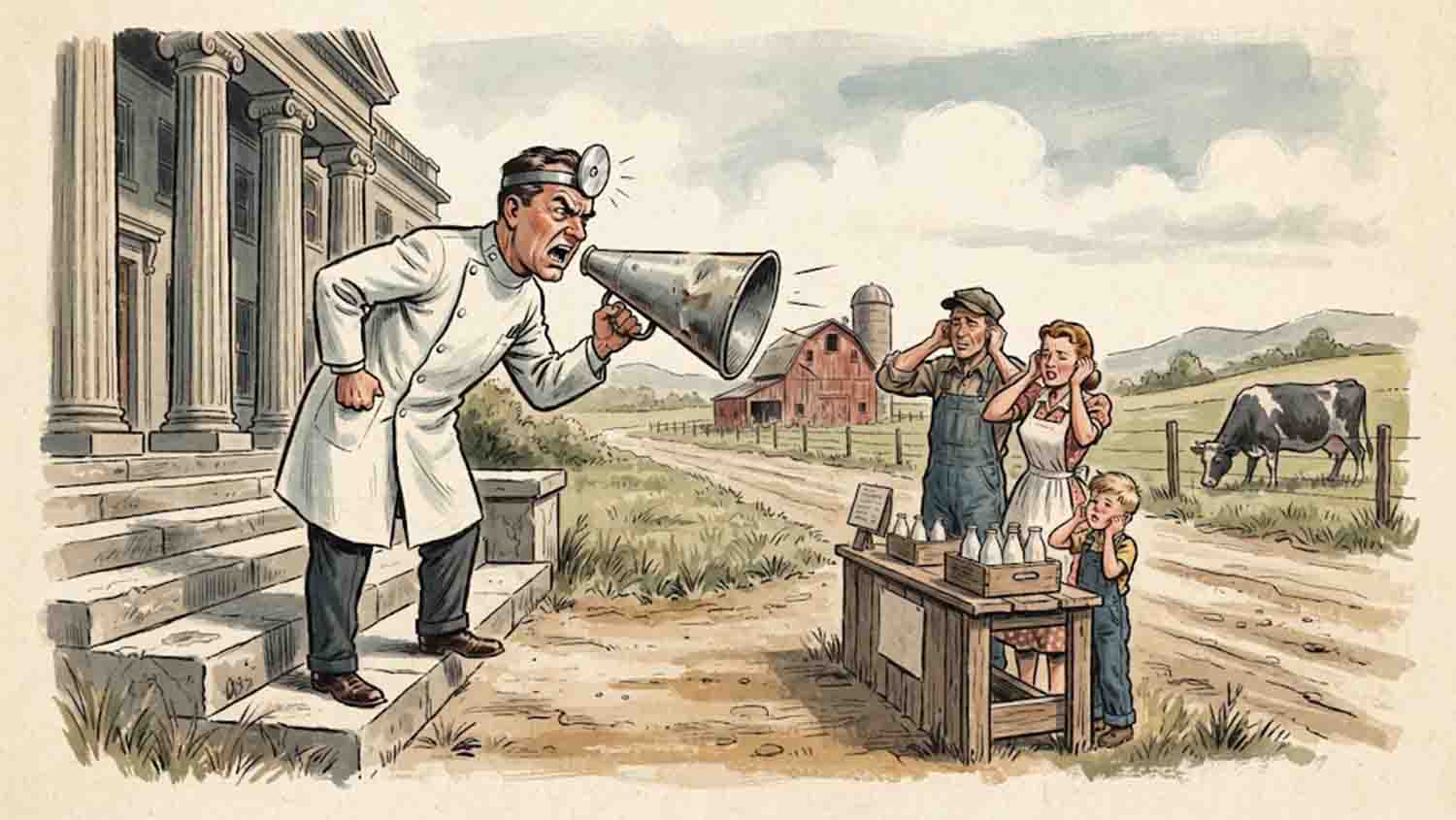
The AAP is calling for a raw milk ban while states vote to expand access. Its own numbers show no emergency, and the call deepens the real one: lost trust.