Israel has one of the most restrictive formal dairy frameworks in the Middle East. There is no licensed retail or farm-direct pathway for raw milk, no herdshare or cow-share provision, and no on-farm sales permit of the kind found in much of Europe. Despite that, raw milk (chalav golmi / חלב גולמי, also chalav lo mefustar / חלב לא מפוסטר) circulates widely through informal channels, and raw sheep, goat, and camel milk are part of everyday food culture in several communities.
Is raw milk legal in Israel?
No, not for direct sale to consumers. Israel's dairy sector operates under the Control on Commodities and Services Law (1957) and the Planning of the Dairy Market Law (1992), administered by the Israel Dairy Board under the Ministry of Agriculture and Rural Development, with the National Food Control Service under the Ministry of Health responsible for food safety oversight. Israel Dairy Board policy states plainly: "Milk can be sold only to the dairies and farmers are not to allow selling their milk directly to any consumer." All milk produced under the national quota system is required to move from the farm to a licensed dairy (machlava / מחלבה) for processing.
What the food law actually says
The Protection of Public Health (Food) Law, 5776-2015, in force since September 2016, is the country's primary food safety statute. It formally defines raw milk as liquid obtained by milking an animal that has not undergone processing, and it places milking, storing raw milk, and transporting it to the dairy gate within the category of primary production. The regulated chain, in other words, is framed as ending at the dairy gate.
Notably, this law does not ban raw milk outright. It treats dairy products made from unpasteurized milk as a recognized product category that is subject to full regulatory review rather than streamlined handling, and it requires a permit under the Animal Diseases Ordinance for raw milk imports. The prohibition on farmer-to-consumer sales comes from the dairy marketing framework and Dairy Board rules rather than from the food safety law itself. This distinction matters for anyone tracking potential reform, because the two frameworks could in principle move independently.
Where raw milk is found in Israel
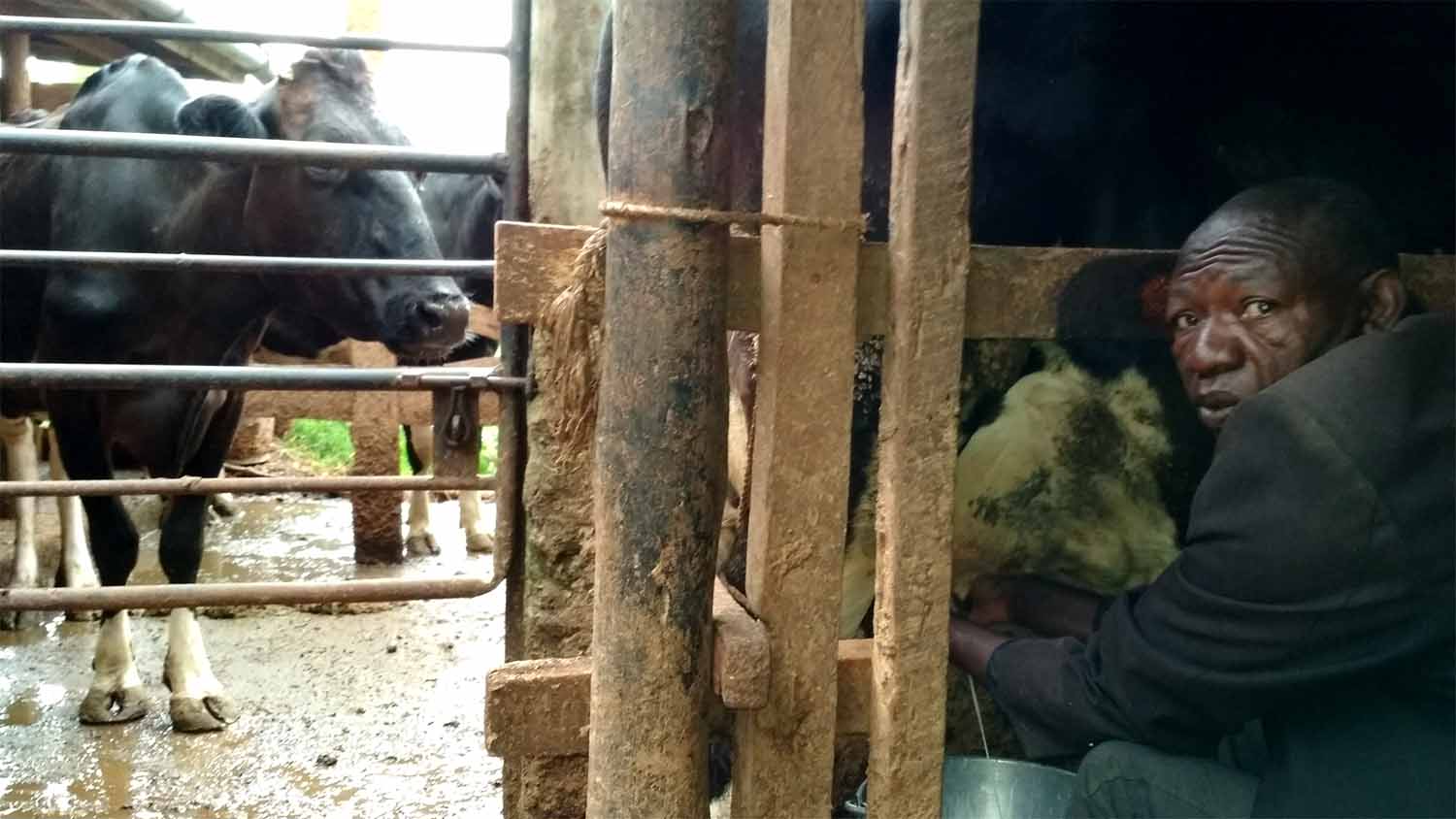
The largest and most consistent supply is traditional and community based. Bedouin, Arab, and Druze families keep herds of sheep, goats, and camels, and raw milk along with labneh (لبنة) and fresh soft white cheese is traded door-to-door within and between communities. This trade is longstanding, culturally embedded, and effectively unenforced. Key regions include:
The Negev (Naqab) is the center of Bedouin pastoral herding, with sheep, goat, and camel milk. Trade networks here extend across what researchers describe as "deep-rooted trade connections between Bedouin communities in southern Israel and other regions such as East Jerusalem and the Palestinian Authority."
The Galilee has numerous Arab villages with family herds producing sheep and goat milk, along with a dense concentration of small and boutique dairies.
The Carmel villages, principally Isfiya (Usfiya) and Daliyat al-Karmel, are Druze communities with a strong tradition of home dairying and fresh unaged cheese. Druze communities in the Golan villages maintain similar practices.
Jerusalem has a reported and reportedly growing informal market in ultra-Orthodox neighborhoods.
The Shomron and the moshav and kibbutz sector account for scattered farm-gate and delivery arrangements, generally arranged privately rather than advertised.
Raw camel milk
Camel milk (chalav na'akot / חלב נאקות) has the most visible commercial history of any raw milk in Israel. It is produced primarily by Bedouin herders in the Negev and has been sold at various points through natural food store chains and online vendors, marketed for its perceived health properties. Licensing enforcement in this sector has been directed at commercial sellers rather than at traditional community trade, and specific unlicensed vendors have been closed down. Kamela Farm operates as a licensed camel dairy but sells pasteurized product.
Goat, sheep, and traditional dairy products
Sheep and goat milk carry more cultural weight than cow milk in the traditional sector, and most informally traded raw dairy derives from them. Baladi cheese (jibneh baladi), a fresh uncultured cheese made from a mix of goat, cow, and sheep milk, is traditionally made unpasteurized. Labneh, strained yogurt, and fresh white cheeses are commonly produced at home from raw milk in Arab and Druze households. These products are typically found through village markets, roadside stands, and direct household contact rather than through formal retail.
Kosher supervision and chalav Yisrael
The chalav Yisrael standard requires that a Jewish supervisor be present from the start of milking to ensure no non-kosher milk is introduced. Because the standard attaches to the milking itself rather than to processing, it favors direct relationships between observant consumers and small producers, and it gives some ultra-Orthodox communities an existing structural connection to the milking process. This is one factor behind reported growth in unpasteurized milk sales in Jerusalem's ultra-Orthodox neighborhoods. Chalav Yisrael and raw milk are separate concepts and one does not imply the other, but the supervision requirement makes farm-level access more routine for these communities than for the general public.
Boutique dairies and cheese
Israel supports roughly three dozen boutique cheese operations, concentrated in the Galilee, the Golan, and the Judean hills. Most work with pasteurized milk given the legal framework, but they are the most accessible point of contact with small-scale dairying in the country and many sell at the farm. Notable operations include the HaMeiri Dairy in Safed (Tzfat), founded in 1840 and recognized as the oldest artisan dairy in modern Israel and the origin of Tzfat cheese; Rom Farm in the lower Galilee, run by three generations of the Mitrani family; and Goats with the Wind in the western Galilee hills. English-speaking immigrant communities oriented toward traditional-foods nutrition also circulate informal sourcing information for farm-delivered raw milk.
Imports and reform
Raw milk imports require a permit under the Animal Diseases Ordinance, and dairy products made from unpasteurized milk cannot use the streamlined European import track, meaning they face full review. Israel is undertaking significant dairy sector reform through 2026, focused on production quotas, pricing, and import liberalization in response to persistently high consumer dairy prices. Raw milk legalization is not part of the reform agenda.