Saudi Arabia Raw Milk Laws & Regulations

No formal pathway for raw cow or goat milk. The Saudi Food and Drug Authority (SFDA) enforces pasteurization requirements under GSO 984:2015. Raw camel milk is sold informally at roadside stalls and directly from Bedouin farms, a practice considered culturally distinct from commercial dairy.

Update

Legal Status & Regulations

Saudi Arabia's food safety framework is administered by the Saudi Food and Drug Authority (SFDA), established under Royal Decree No. M/1 (Food Law, October 2014). The SFDA enforces GSO 984:2015 (Pasteurized Milk), the Gulf Cooperation Council's harmonized standard requiring pasteurization for all commercially sold consumer milk. No formal licensing pathway for raw cow or goat milk retail has been identified.

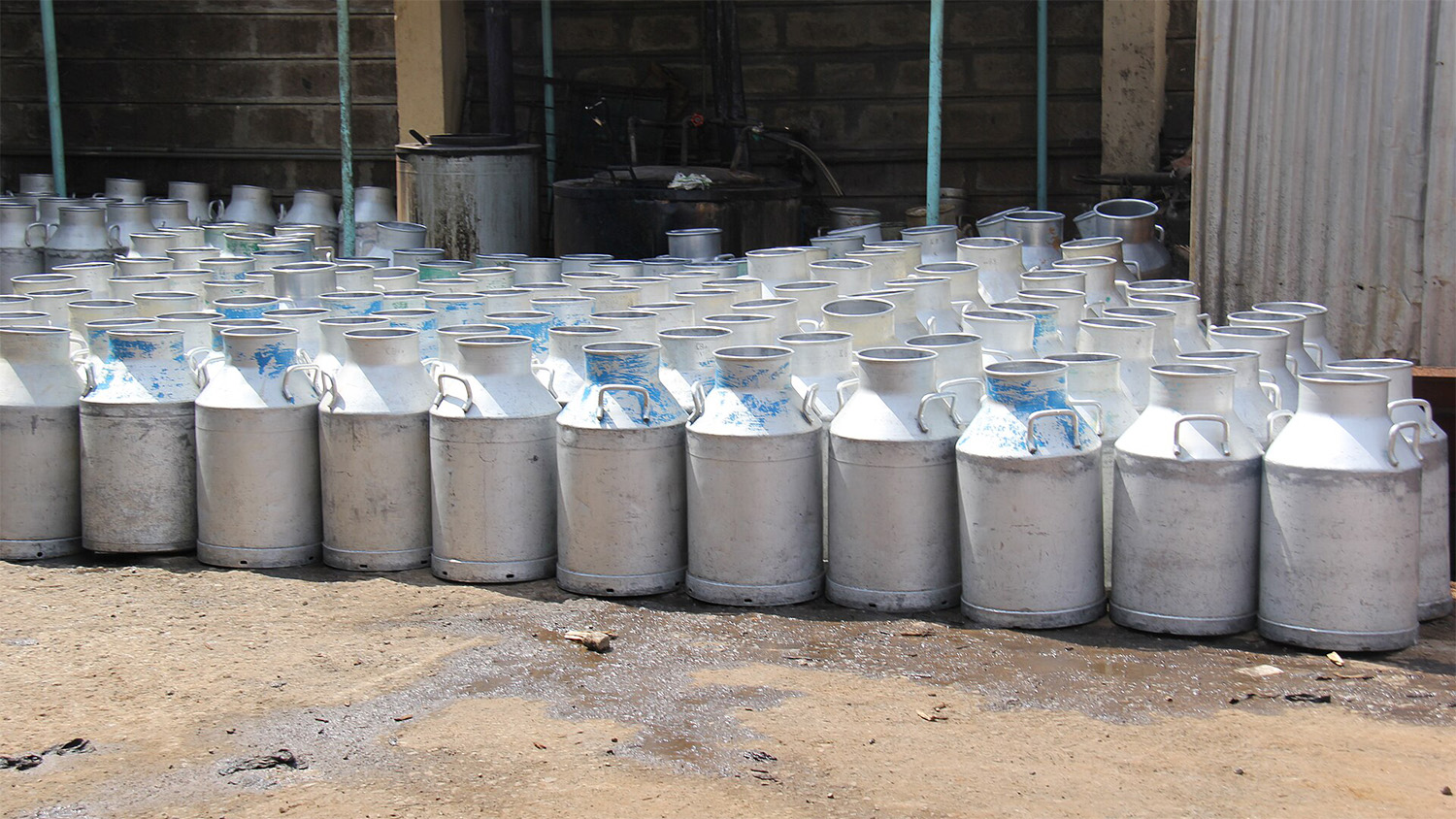
Raw camel milk occupies a distinct cultural position in Saudi Arabia and is sold informally at roadside stalls near camel enclosures and directly from Bedouin farms throughout the country. The Saudi camel milk market is valued at approximately USD 269 million (2023), encompassing both informal raw sales and an emerging commercial pasteurized sector. The Saudi government allocated SAR 500 million in dairy subsidies in 2024 with an emphasis on developing certified camel dairy production. Traditional Bedouin belief holds that raw camel milk has medicinal properties, and this cultural practice has been resistant to formal regulatory efforts. Brucellosis linked to raw camel milk consumption is documented in the Arabian Peninsula.

Official Government Resources

Official government documents and legal resources for Saudi Arabia

Free, no paywalls, no private equity.

Keep this project going and growing.

Support GetRawMilk.com

Connect people with raw milk sources.

Every tip keeps real food accessible.

Select a tip amount

$

✓ You're supporting a free community resource. This is a tip/donation, not a purchase of milk or products.

Quick checkout

or use a card

View other ways to tip

Swipe right on some shirts

Latest Blog Posts