Dairy Industry Act, 1998
Ugandan legislation establishing the Dairy Development Authority and the regulatory framework for milk production and marketing, including licensing requirements for milk vendors.
View Official Resource →DDA licensing required for milk vendors; in practice approximately 90% of the milk supply moves through informal channels as raw milk. A proposed urban ban announced in 2021 has not been implemented.
Uganda's dairy sector is regulated by the Dairy Development Authority (DDA), established under the Dairy Industry Act, 1998. Standards for milk handling are set by the Uganda National Bureau of Standards (UNBS), including Uganda Standard US 163:2000 (Code of Hygienic Practice for Milk and Milk Products), which specifies hygiene and cooling requirements for milk vendors. The regulatory framework requires milk vendors to hold a DDA license before selling.
In practice, approximately 90% of Uganda's milk supply moves through informal channels as raw milk sold without processing, a figure the DDA has publicly acknowledged. In 2021, DDA Executive Director Dr. Jolly Kemirembe Zaribwende announced a proposed ban on the sale of unpacked raw milk in urban centres; no implementing regulation or enforcement campaign has followed. The DDA has taken a pragmatic stance, moving toward training and certification programs for informal sellers rather than prohibition. Raw milk is available throughout the country from farm-direct and market sellers.
Official government documents and legal resources for Uganda
Ugandan legislation establishing the Dairy Development Authority and the regulatory framework for milk production and marketing, including licensing requirements for milk vendors.
View Official Resource →UNBS standard setting hygiene, cooling, and handling requirements for milk and milk products in Uganda.
View Official Resource →
Mapping raw milk sources by hand since 2018.
Tips keep it free and updated daily.
Enter an amount of $1 or more.
✓ You're supporting a free community resource. This is a tip/donation, not a purchase of milk or products.
Cancel anytime from the link in any receipt, or at getrawmilk.com/tip/manage.
Designed and coded from scratch. The same developer builds MVPs, internal business systems, and writes about it.
Public Citizen v. Heckler (1985, 1986) led to the 1987 federal ban on interstate raw milk sales, 21 CFR 1240.61. Sales within states were left to state law.
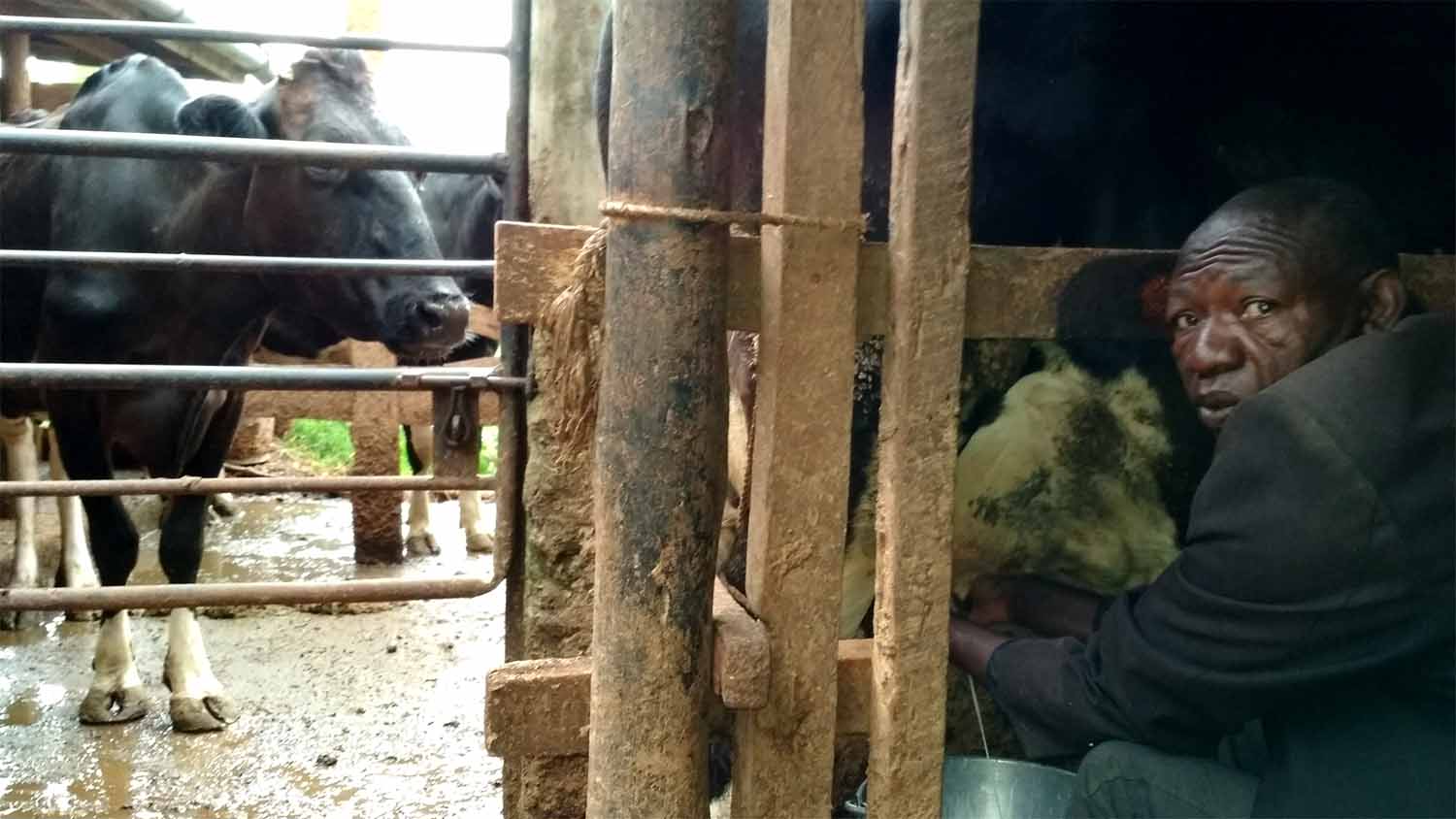
Kenya’s milk shortage deepened through October 2026. Officials now say farmers sell to informal buyers who pay more, as cartel claims spread online.
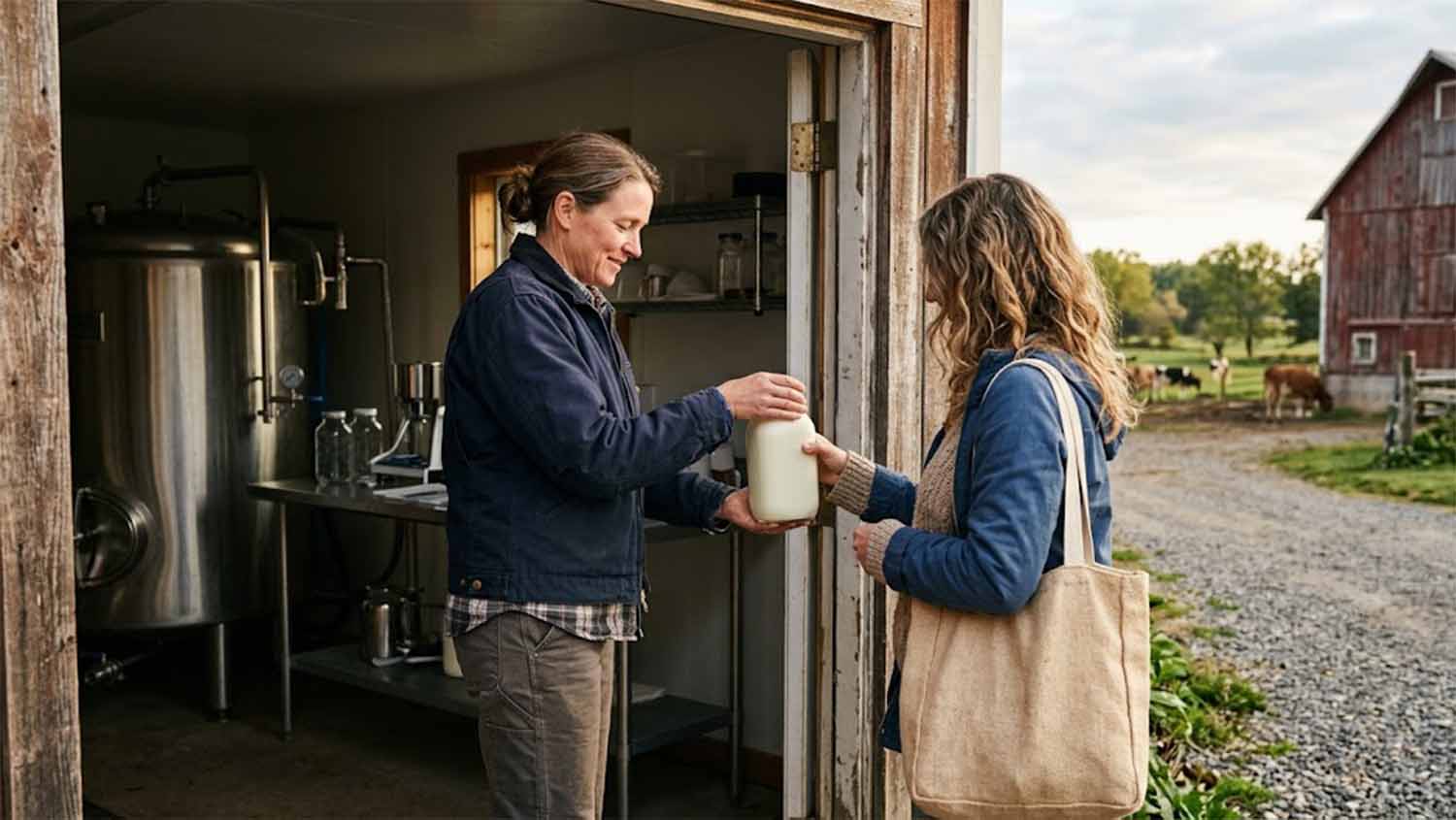
Commodity milk pays dairy farmers about $2 a gallon. Raw milk sold direct brings $6 to $20. What a farm makes depends on state law, customers and costs.
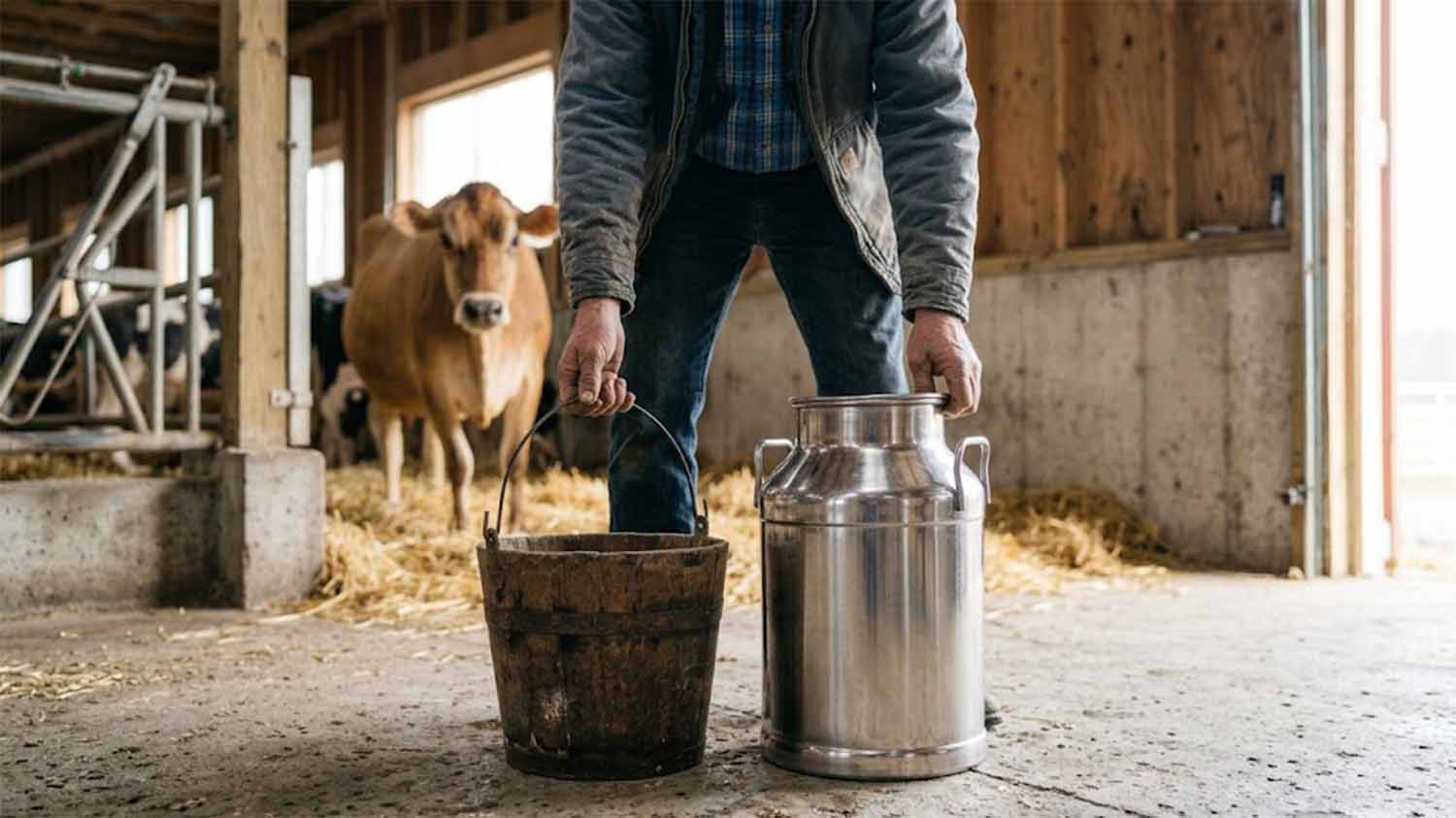
11 million US adults drink raw milk, ten times swill milk era New York. Twenty years of data show the 1850s death toll has not returned. Here’s why.
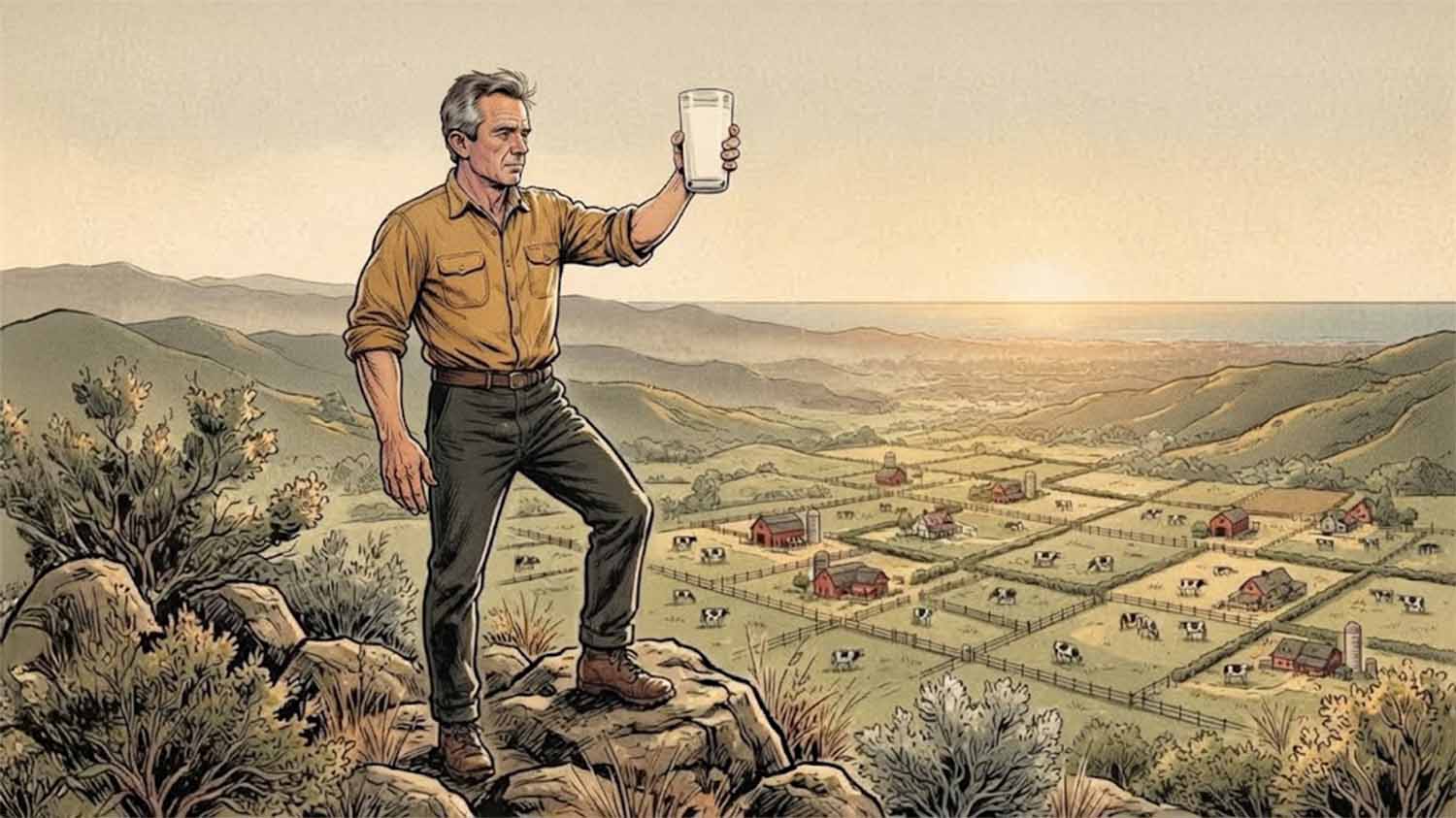
RFK Jr. could open interstate raw milk sales, fix FDA warnings and ease enforcement. He hasn’t used his position to do so. Here is how each option would work.
DATCP suspended Grassway Organics’ license and seeks $10,000 plus $50 a day. What the case means for raw milk access in Wisconsin.