
Raw Milk in Poland, Maine
1 raw milk source found in Poland, Maine, the United States
Updated 5 months ago

Select a tip amount
Enter an amount of $1 or more.
✓ You're supporting a free community resource. This is a tip/donation, not a purchase of milk or products.
Designed and coded from scratch. The same developer builds MVPs, internal business systems, and writes about it.
Raw Milk Sources in Poland
Each listing below shows a raw milk source in Poland. Click any listing to view products, pickup methods, and contact information.
Showing 1 source
Find raw milk by species
Find other raw milk products
Find farm meat & eggs
Other ways to find raw milk
Contribute
Your support covers hosting, development, and the daily work of keeping listings updated.
-
Submit a new listing +Add a farm to the database
-
SponsorshipsOngoing support with visibility
-
Buy me a milk 🥛Leave a one-time tip

Swipe right on some shirts



Latest Blog Posts
-
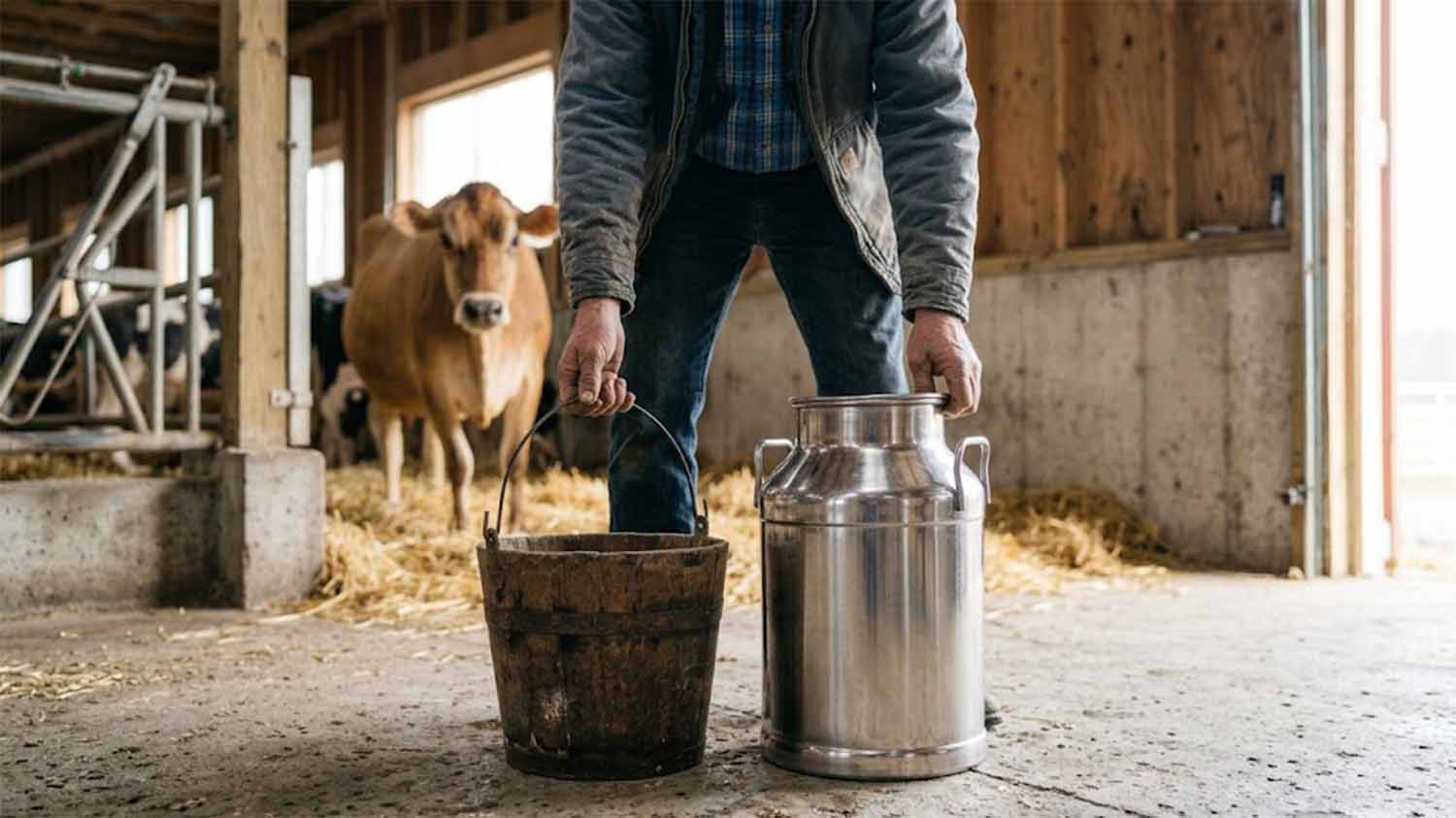
Will More Raw Milk Drinkers Bring Back the Swill Milk Era?
11 million US adults drink raw milk, ten times swill milk era New York. Twenty years of data show the 1850s death toll has not returned. Here’s why.
-
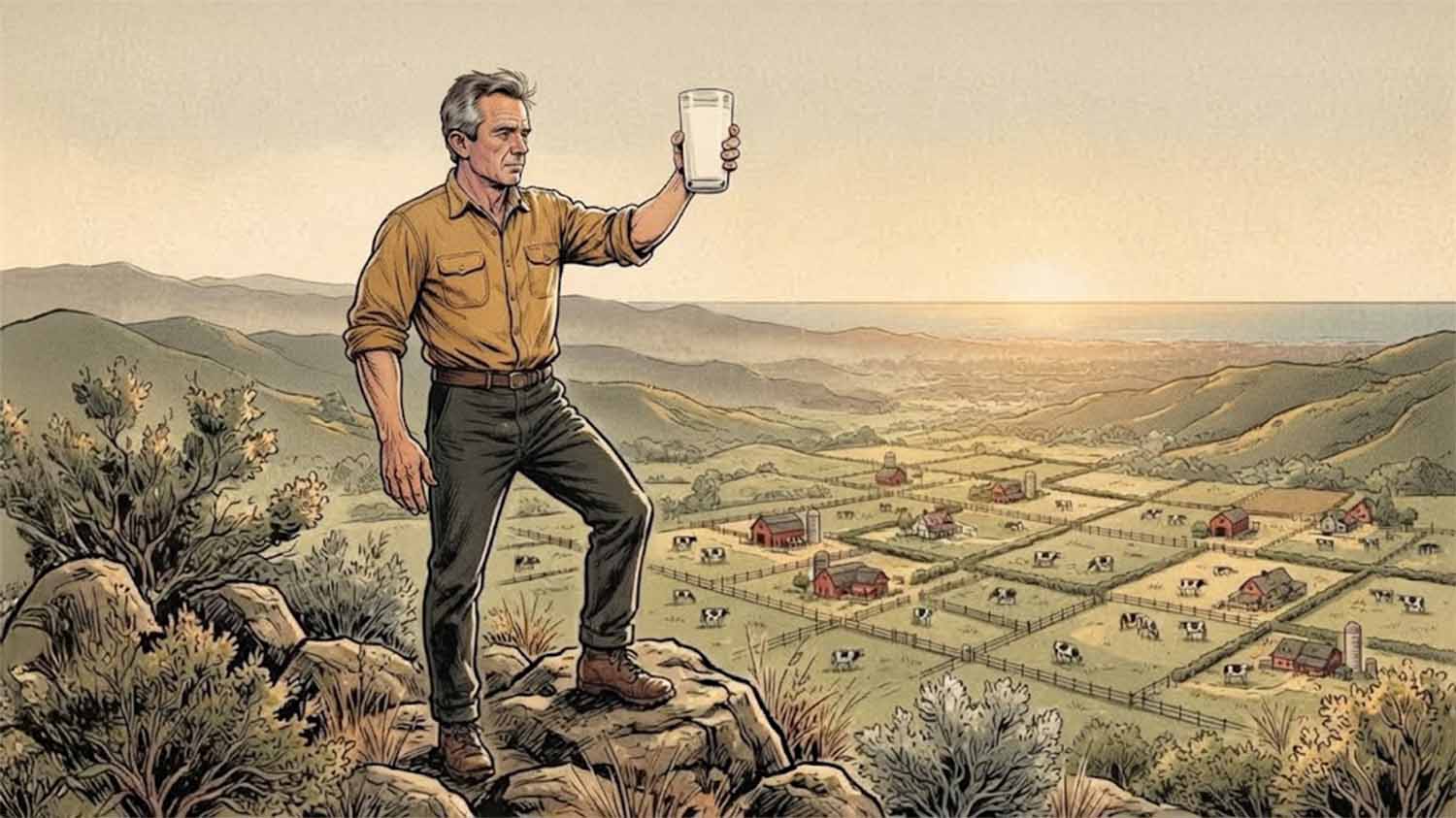
What Can RFK Jr. Actually Do for Raw Milk?
RFK Jr. could open interstate raw milk sales, fix FDA warnings and ease enforcement. He hasn’t used his position to do so. Here is how each option would work.
-

Grassway Organics and Wisconsin’s Raw Milk Gray Area
DATCP suspended Grassway Organics’ license and seeks $10,000 plus $50 a day. What the case means for raw milk access in Wisconsin.
-
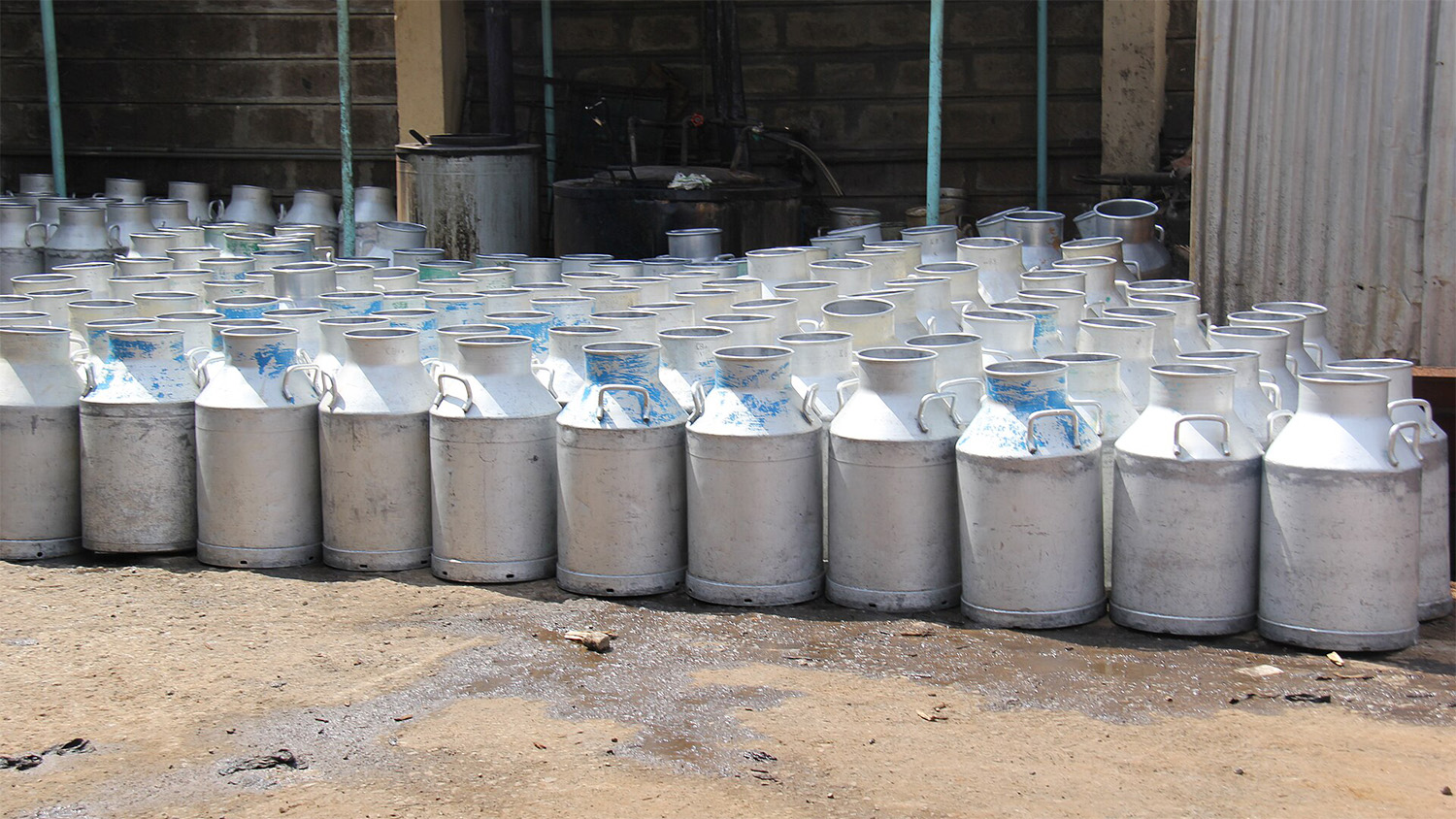
How Many People Drink Raw Milk Worldwide?
No global count exists. National surveys find 4% to 19% of people drink raw milk in high-income countries, and most milk in developing countries is sold raw.
-
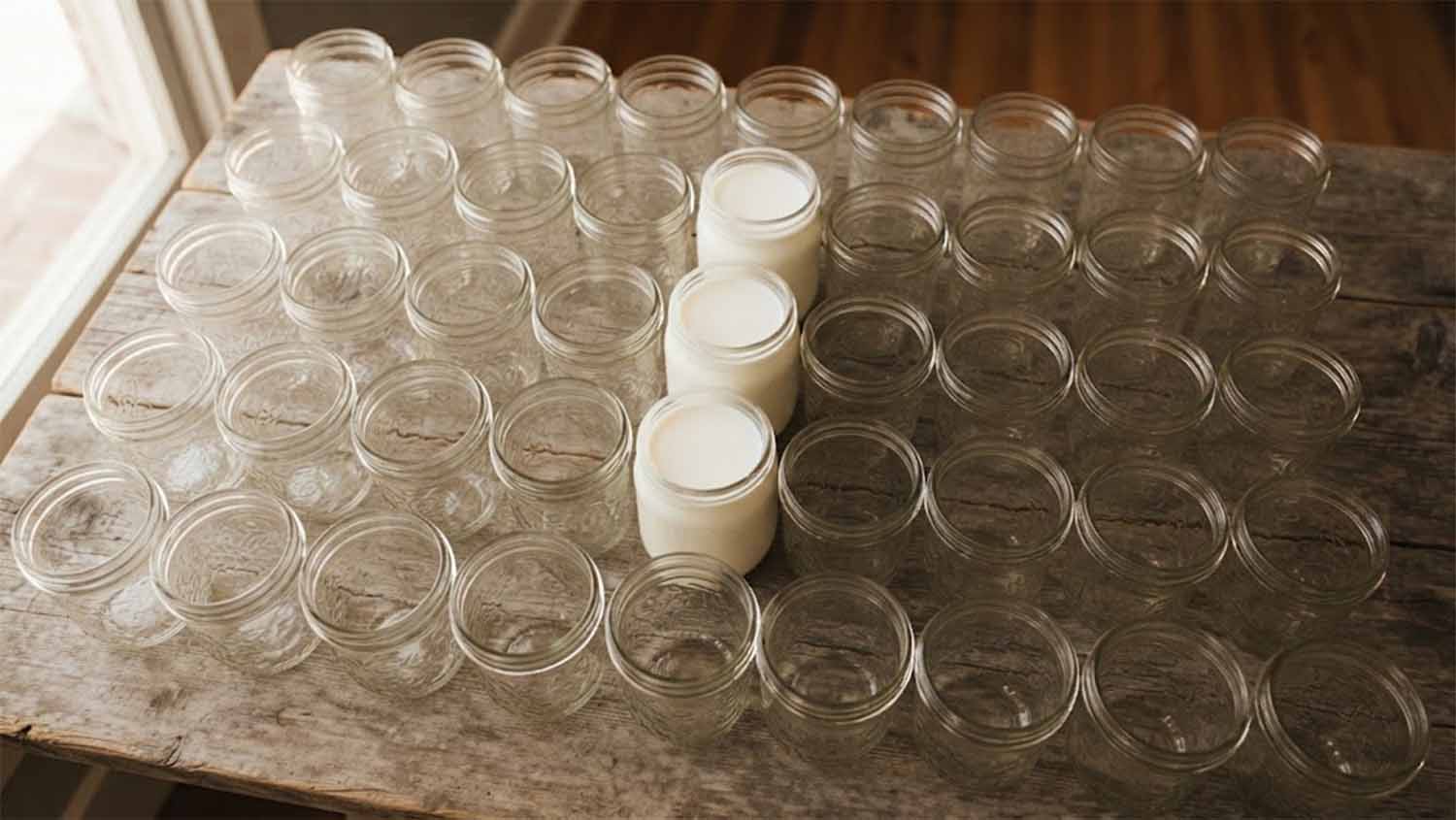
How Many People Drink Raw Milk in the US?
About 4% of US adults, roughly 11 million people, drank raw milk in the past year, and about 1% drink it weekly. Six national surveys compared.
-
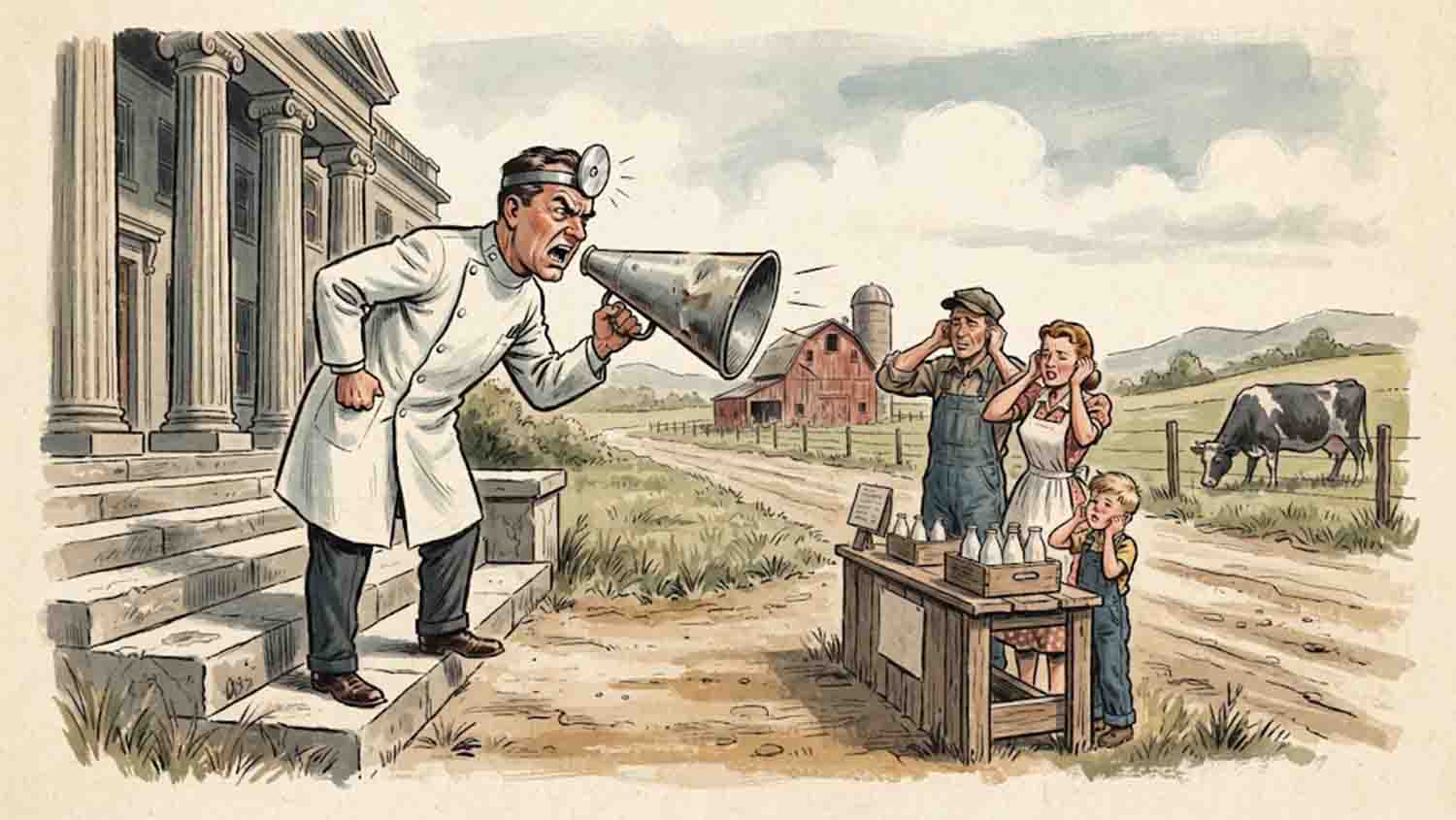
AAP’s Raw Milk Hysteria Misses the Real Emergency
The AAP is calling for a raw milk ban while states vote to expand access. Its own numbers show no emergency, and the call deepens the real one: lost trust.