Raw Milk Testing Continues as the FDA Shrinks
The federal food safety workforce is smaller and stretched thinner than it was. The Government Accountability Office reported in February 2026 that the FDA “has struggled to recruit, retain, and train its staff, which has reduced its capacity to conduct inspections,” and that training a new food or drug inspector takes two to three years. Its January 2025 review of food facility inspections found FDA officials naming limited workforce capacity as the agency’s primary challenge in meeting the inspection targets the Food Safety Modernization Act sets, with 432 investigators on hand as of July 2024 to cover domestic and foreign work. CBS News reported in June 2025, citing current and former FDA officials, that close to 20 percent of investigator positions in the human foods inspectorate were vacant, and roughly 40 percent in the group covering critical foods such as infant formula plants.
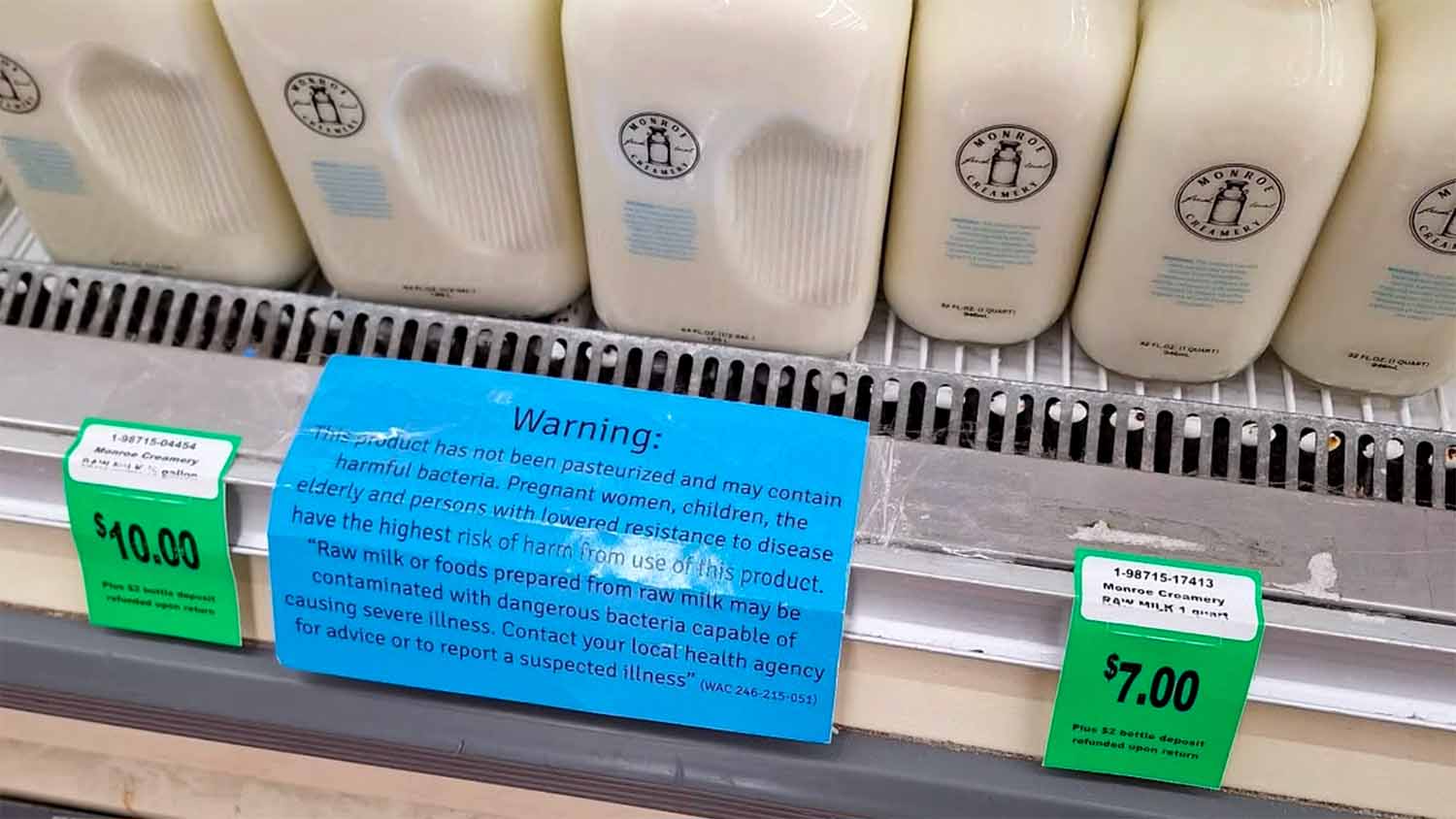
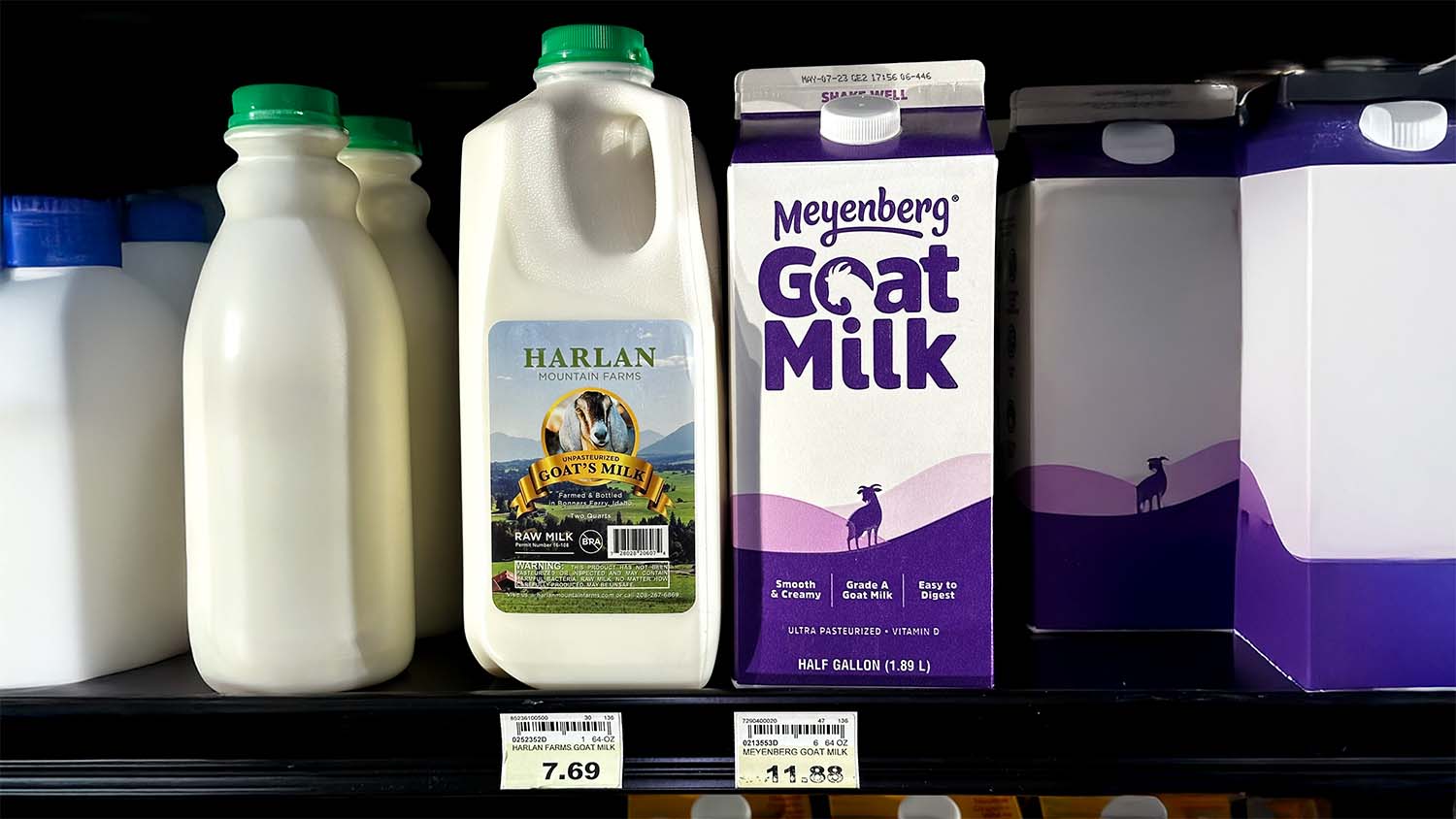
None of it changes the testing behind a bottle of raw milk. The FDA has never tested raw milk sold for people to drink. That milk is permitted, inspected and sampled by states, under state law, using state-approved laboratories, and the requirements sit in state statute and state administrative code.
Federal authority over raw milk is one regulation
21 CFR 1240.61, issued in 1987, requires that milk in final package form for direct human consumption be pasteurized before delivery into interstate commerce. It lists the time and temperature combinations that qualify, 145°F for 30 minutes and 161°F for 15 seconds among them, and it stops there.
The rule governs movement across state lines. It sets no production, sampling or laboratory standard for milk sold inside the state where it was produced. The FDA’s position, stated on its raw milk questions and answers page, is that it does not regulate the intrastate sale or distribution of raw milk, and that whether to permit it is for each state to decide.
There was no federal raw milk testing program available to cut.
Who inspects a dairy farm
The federal role in fluid milk runs through the Grade “A” Pasteurized Milk Ordinance, a model document that states adopt. State milk sanitation programs carry out the inspections and collect the official samples.
What sits above that is an audit of the auditors, and the NCIMS procedures document is specific about it. State rating officers rate dairy farm groups and plants at a frequency of not less than once every 24 months. The FDA standardizes those rating officers at least every three years. And the FDA conducts check ratings each year on a randomly selected, representative number of listed shippers per state, with the size of that sample scaled to how many adverse actions previous check ratings produced there. Federal staff verify the state’s work rather than perform it.
That entire apparatus covers Grade A milk, essentially all of which is bound for a pasteurizer. Raw milk bottled for drinking sits outside it, in state law written specifically for the purpose.
What the FDA suspended in April 2025
On April 21, 2025, the FDA suspended its Grade “A” milk proficiency testing program after the Moffett Center Proficiency Testing Laboratory was decommissioned and could no longer provide laboratory support and data analysis. The agency said the program was paused pending transfer to another FDA laboratory. Headlines rendered it as the FDA halting milk testing.
Proficiency testing does something narrower. Each year the program sends blinded split samples to the certified milk laboratories in the network. Analysts run standard plate count, coliform, somatic cell count, alkaline phosphatase and drug residue tests on those samples, and the results are compared centrally to confirm the laboratories are producing accurate numbers. It checks laboratories, not milk. The University of Wisconsin Division of Extension published an analysis of the mechanics and the reach of the pause.
The IDFA drew the same distinction, noting that Grade A milk remains subject to testing “on the farm, before transportation, and multiple times at processing facilities.”
New York’s agriculture commissioner, Richard A. Ball, said three days later that the suspension “does not put the safety of New York milk and dairy products in jeopardy,” and that the state department, which already routinely tests milk and dairy products at plants, receiving stations and farms, “will continue its work as usual.”
The PMO already covers the gap in the meantime. Where official proficiency testing is unavailable, laboratories may demonstrate analyst competency through split sample comparisons with other laboratories. Several states, Wisconsin among the better equipped, set up inter-laboratory exchanges and state-coordinated proficiency exercises to keep analysts certified.
For raw milk sold for drinking, that layer was never the operative one. The samples still get pulled and the standards still apply.
How states test raw milk, by the numbers
Requirements vary by state. Five of the more detailed regimes:
| State | Routine sampling | Pathogen testing | Standards |
|---|---|---|---|
| California | CDFA inspects the farm and the bottling facility and collects samples for analysis | Monthly, by CDFA | 15,000 bacteria per mL, 10 coliform per mL |
| Pennsylvania | Twice monthly | Every six months: Salmonella, Listeria monocytogenes, Campylobacter, E. coli O157:H7 | 20,000 cfu/mL bacteria, 10 cfu/mL coliform, 500,000 somatic cells (1,500,000 goat and sheep), no positive drug residue |
| New York | Farm must be in substantial compliance with the requirements for producing Grade A prepasteurized milk | Permittees must “enroll and remain in a milk sampling program conducted by Quality Milk Promotion Services for detection of pathogenic bacteria”; initially and quarterly for Salmonella, Listeria, E. coli O157:H7, Campylobacter, Staphylococci | 30,000 per mL bacteria, 750,000 per mL somatic cells |
| Washington | WSDA collects and tests roughly monthly; operations inspected at least four times a year | WSDA surveillance for Campylobacter, E. coli O157:H7 and Shiga toxin producing E. coli, Listeria monocytogenes, Salmonella | 20,000/mL bacteria, 10/mL coliform, 750,000 somatic cells (cow and sheep), 1,000,000 (goat) |
| Utah | Department collects representative samples once each month | Any positive result suspends the permit immediately | PMO-prescribed tests, plus antibiotic residue, standard plate count and coliform for packaged milk sold at a producer’s own retail store |
Sources: Cal. Food & Agric. Code § 35891 and CDFA; 7 Pa. Code § 59a.408; 1 NYCRR Part 2 §§ 2.8 and 2.60 and NY Agriculture and Markets; RCW 15.36.012 and the WSDA retail raw milk guide; Utah Admin. Code R70-330-7 and Utah Department of Agriculture and Food.
The enforcement mechanics carry as much weight as the limits. In Utah, three failures out of five samples within a five month period suspends the permit. In New York, a sample over the bacterial limit triggers a farm inspection to find the cause, and repeated failures stop distribution until a series of consecutive samples comes back in compliance. In Washington, a failing result or a pathogen positive produces a notice of non-compliance that may trigger a recall. Each of those actions is taken by a state employee on a state budget.
Raw milk limits are tighter than the ones for milk headed to a pasteurizer
New York’s quality standards table makes the comparison inside a single regulation. Under 1 NYCRR § 2.8, prepasteurized milk for Grade A use may reach 100,000 bacteria per mL as individual producer milk and 300,000 per mL commingled. Prepasteurized milk for non-Grade A use may reach 1,000,000 and 3,000,000. Raw milk sold to a consumer is capped at 30,000.
The federal picture is the same shape. The PMO allows 100,000 per mL for individual producer milk before commingling and 300,000 commingled, and 20,000 per mL in finished Grade A pasteurized milk with a coliform limit of 10. California holds raw milk sold for drinking to 15,000 and 10. Pennsylvania and Washington hold it to 20,000 and 10.
Milk bottled raw for the shelf is held to a bacterial standard at least as tight as the finished pasteurized product, and several times tighter than the milk a tanker collects for processing. That comparison is worked through in more detail in how much bacteria is allowed in pasteurized milk.
Farm testing usually goes further than the state requires
State minimums are a starting point. At the farm, testing frequency usually climbs well past them.
Farms listed by the Raw Milk Institute build a Risk Analysis and Management Plan covering nine risk categories, from herd health and milk handling to feed sources and freshened animals, and commit to ongoing testing, at minimum monthly for coliforms and standard plate count. RAWMI’s Common Standards target a rolling three-month average below 10 coliforms per mL and below 5,000 per mL standard plate count, tighter again than any state limit above. Many listed farmers test weekly, and some test every batch.
That testing is voluntary and farmer funded, which is why nothing that happened to a federal budget in 2025 touched it.
- Raw milk best practices video course from RAWMI, free training on producing and testing low risk raw milk
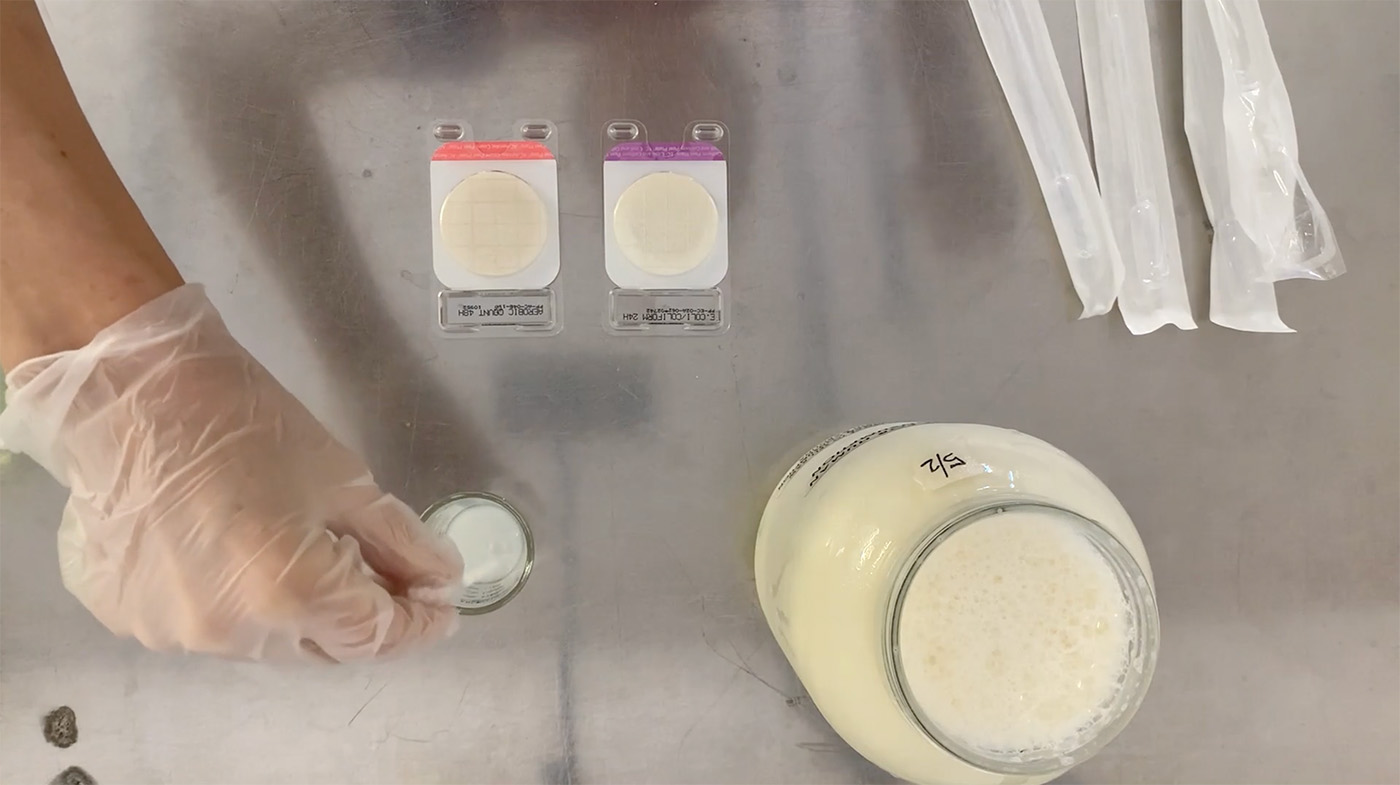
- Raw milk bacterial testing before it leaves the farm
- Watch a raw milk farmer test their goat milk
Questions worth asking a producer
Regulations describe a minimum. These questions describe a farm:
- What is tested, and how often?
- Which laboratory runs the samples, and is it state approved?
- Can recent results be seen?
- Is there a written risk management plan, and what does it cover?
- What happens on the farm when a result comes back high?
Why the federal cuts do not reach this milk
Three things insulate raw milk testing from a federal reduction in force. The requirements are written in state statute and administrative code, so only a state legislature or agency can change them. The inspectors and laboratories are state funded and state staffed. And the one genuine point of federal contact, laboratory proficiency testing, is a check on laboratories that the PMO already permits states to satisfy another way.
The federal cuts since 2025 are documented and have reached inspection capacity in the areas the FDA covers. Raw milk for human consumption is not one of them.
Check what applies where you live on the raw milk laws map, then find a farm near you and ask what they test for.