Milk Act, R.S.O. 1990, c. M.12
Ontario's principal dairy statute, governing milk production, marketing and processing, and prohibiting the sale, delivery and distribution of unpasteurized milk.
View Official Resource →Ontario banned raw milk sales in 1938, the first province to do so, and enforces it under both the Milk Act and the Health Protection and Promotion Act.
Ontario is Canada's largest dairy province and the birthplace of its raw milk prohibition. It banned all sales in 1938, more than fifty years before the federal government acted, and it has since produced the longest running and most heavily litigated raw milk enforcement history in the country.
Two provincial statutes apply on top of the federal rule. The Milk Act (R.S.O. 1990, c. M.12) makes it an offence to sell, deliver or distribute unpasteurized milk. Section 18 of the Health Protection and Promotion Act separately prohibits selling, offering for sale, delivering or distributing unpasteurized milk or milk products. Because two statutes cover the same conduct, provincial prosecutors have latitude in how charges are framed, and enforcement is shared between the Ministry of Agriculture, Food and Agribusiness and local public health units.
Consuming raw milk is not an offence, and a farmer may drink milk from their own animals. The prohibition attaches to transfer, which is why cow-share structures were the mechanism advocates tested here.
Michael Schmidt of Glencolton Farms in Durham ran a cow-share program from the 1990s, and his conflict with authorities dates to 1994. Charged in 2006 after an undercover operation, he was acquitted on 19 counts in January 2010 on the reasoning that his program neither advertised nor solicited and that members were warned. That ruling was overturned on appeal, producing convictions on 13 counts, a $9,150 fine and a year of probation. The Ontario Court of Appeal upheld those convictions in March 2014, finding that the oral cow-share agreement in evidence had not transferred ownership of any cow, and holding separately that the Milk Act licensing requirement applies whether or not an operation describes itself as private. The Supreme Court of Canada declined to hear a further appeal in August 2014. Schmidt later served a 60 day jail sentence for obstructing a peace officer.
The final prosecution collapsed. Charges against Schmidt and his wife Elisa Vanderhout, built on a 2019 to 2021 investigation, were dismissed on September 26, 2023 after expert handwriting analysis indicated the investigating officer had written the anonymous citizen complaints used to justify the case. The court found the complaints had been fabricated and that authorities had been misled. Across nearly thirty years, no illness or pathogen finding was ever traced to the farm's milk.
There is no legal source of raw drinking milk in Ontario. Aged raw milk cheese is legal and widely available through cheese shops and specialty grocers under the federal 60 day rule. For the national picture, see the Canada raw milk laws overview.
Official government documents and legal resources for Ontario
Ontario's principal dairy statute, governing milk production, marketing and processing, and prohibiting the sale, delivery and distribution of unpasteurized milk.
View Official Resource →Public health statute whose section 18 separately prohibits selling, offering for sale, delivering or distributing unpasteurized milk and milk products in Ontario.
View Official Resource →
Mapping raw milk sources by hand since 2018.
Tips keep it free and updated daily.
Enter an amount of $1 or more.
✓ You're supporting a free community resource. This is a tip/donation, not a purchase of milk or products.
Designed and coded from scratch. The same developer builds MVPs, internal business systems, and writes about it.
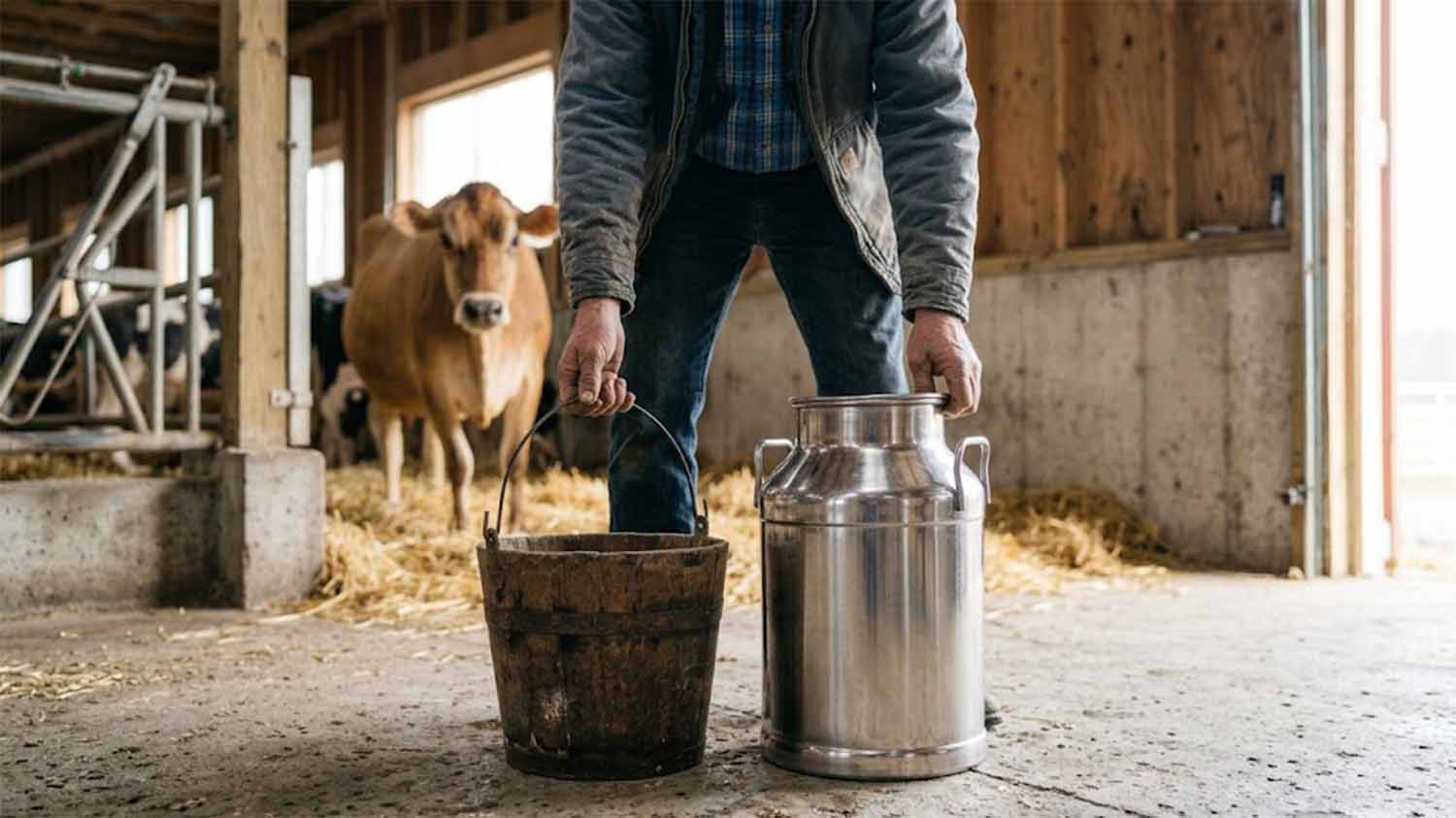
11 million US adults drink raw milk, ten times swill milk era New York. Twenty years of data show the 1850s death toll has not returned. Here’s why.
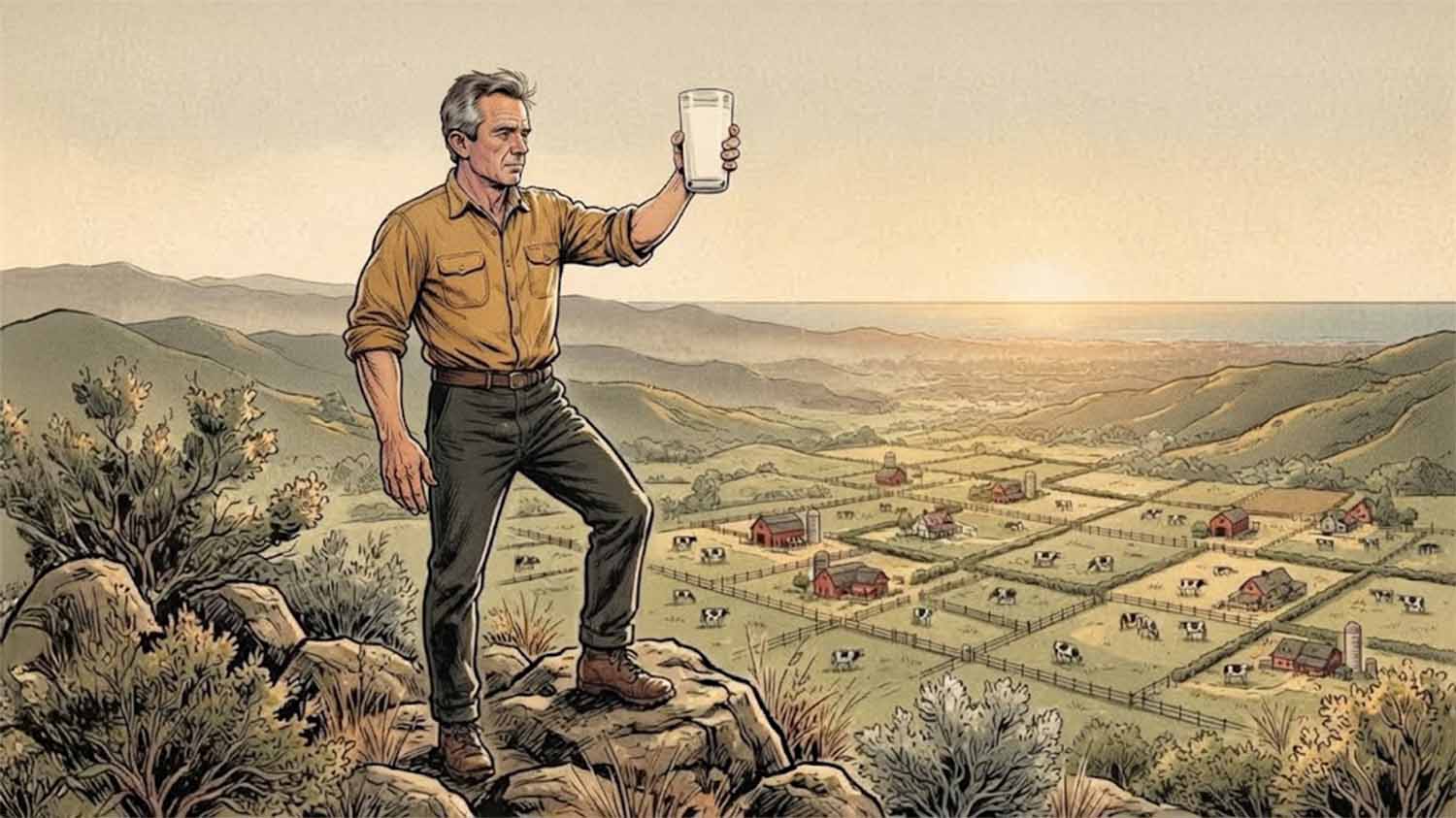
RFK Jr. could open interstate raw milk sales, fix FDA warnings and ease enforcement. He hasn’t used his position to do so. Here is how each option would work.
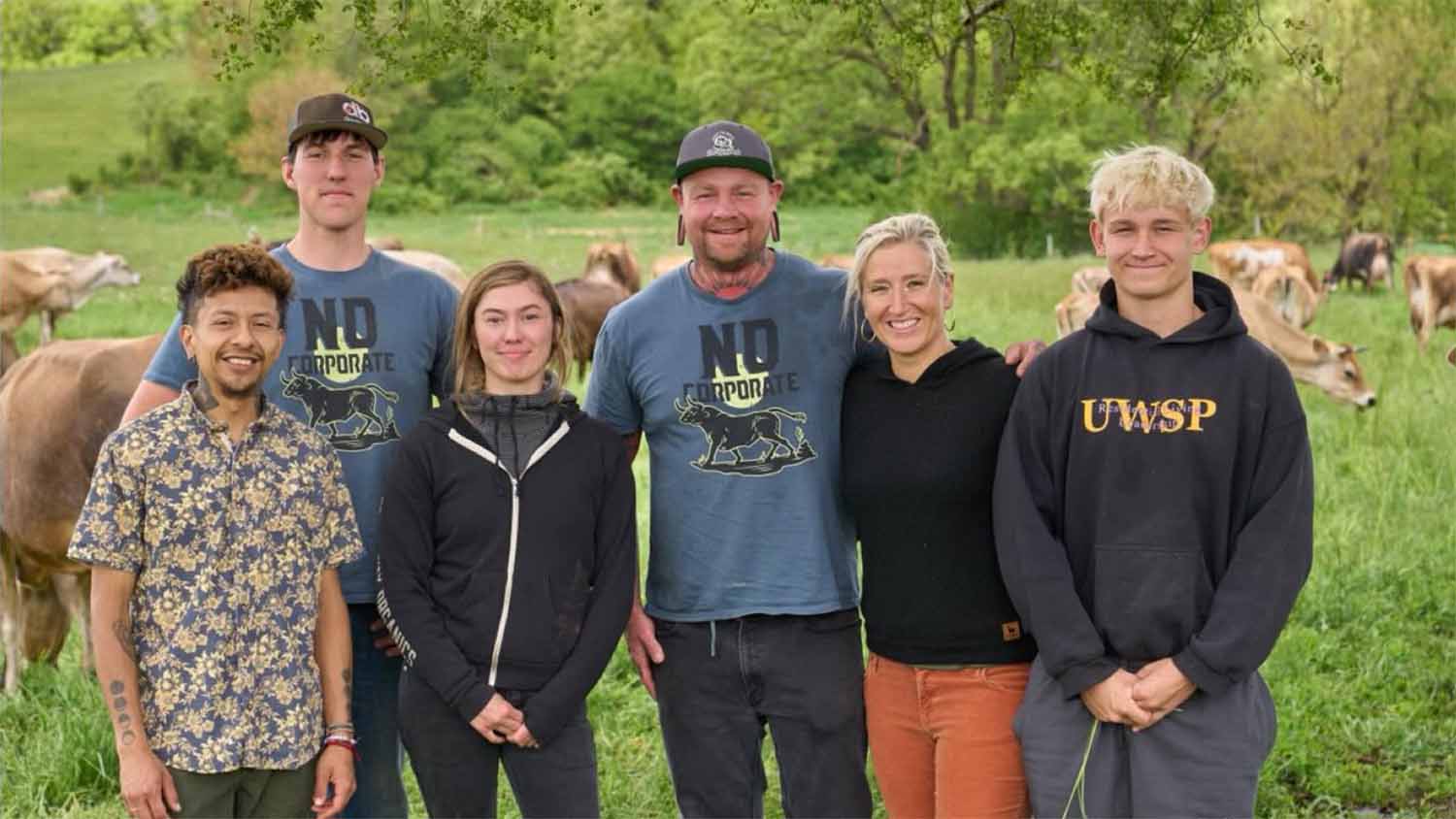
DATCP suspended Grassway Organics’ license and seeks $10,000 plus $50 a day. What the case means for raw milk access in Wisconsin.
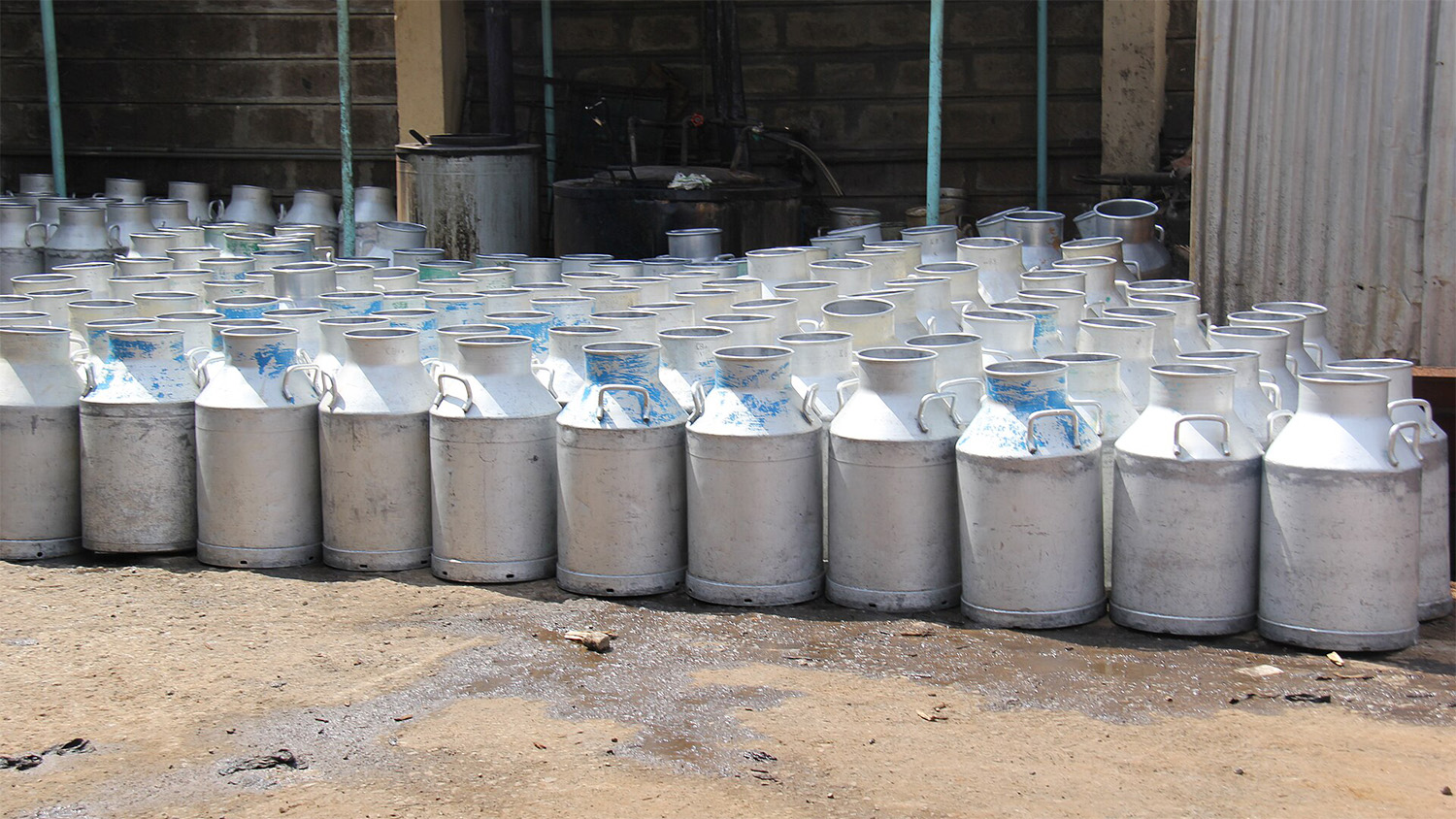
No global count exists. National surveys find 4% to 19% of people drink raw milk in high-income countries, and most milk in developing countries is sold raw.
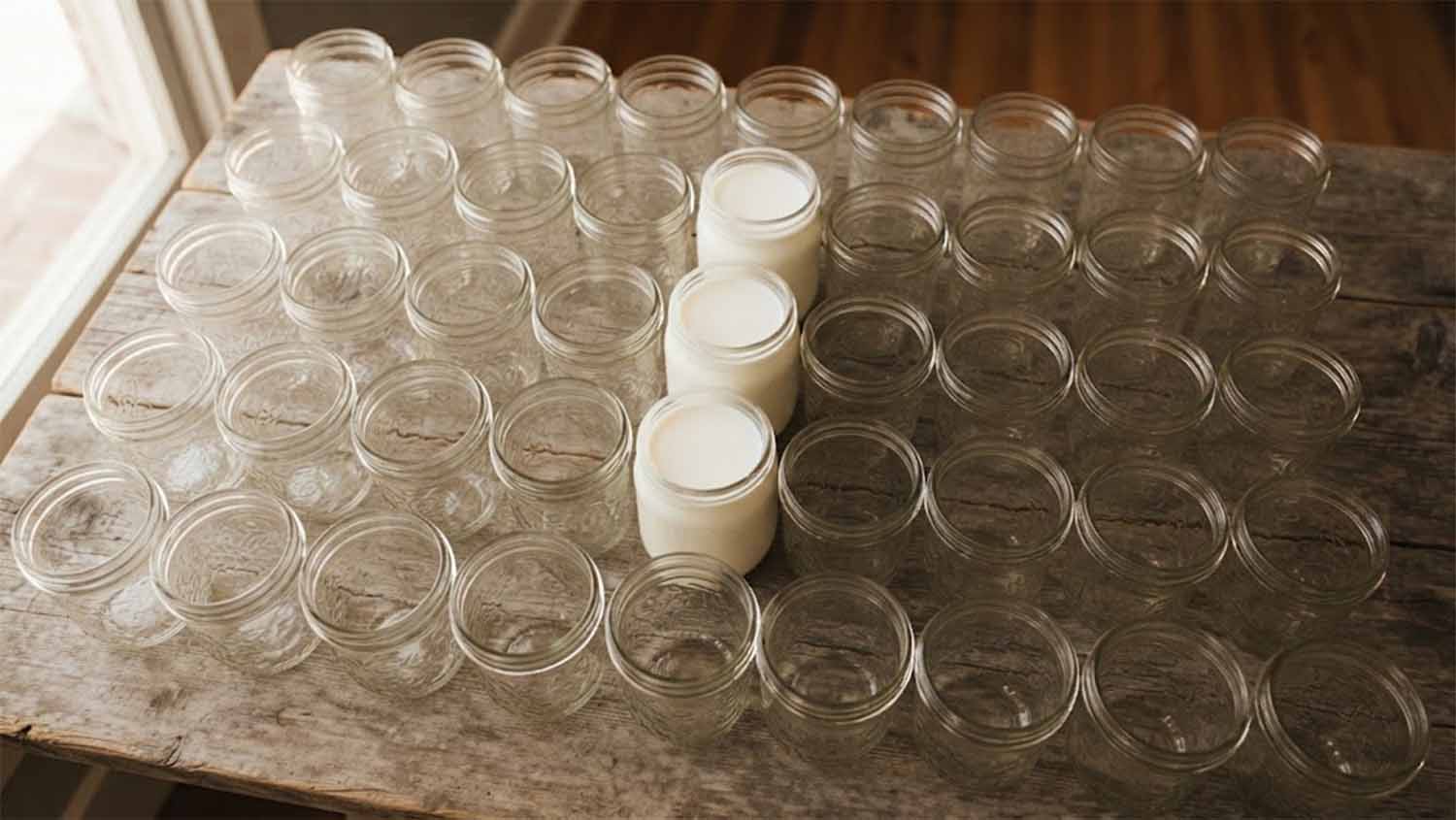
About 4% of US adults, roughly 11 million people, drank raw milk in the past year, and about 1% drink it weekly. Six national surveys compared.
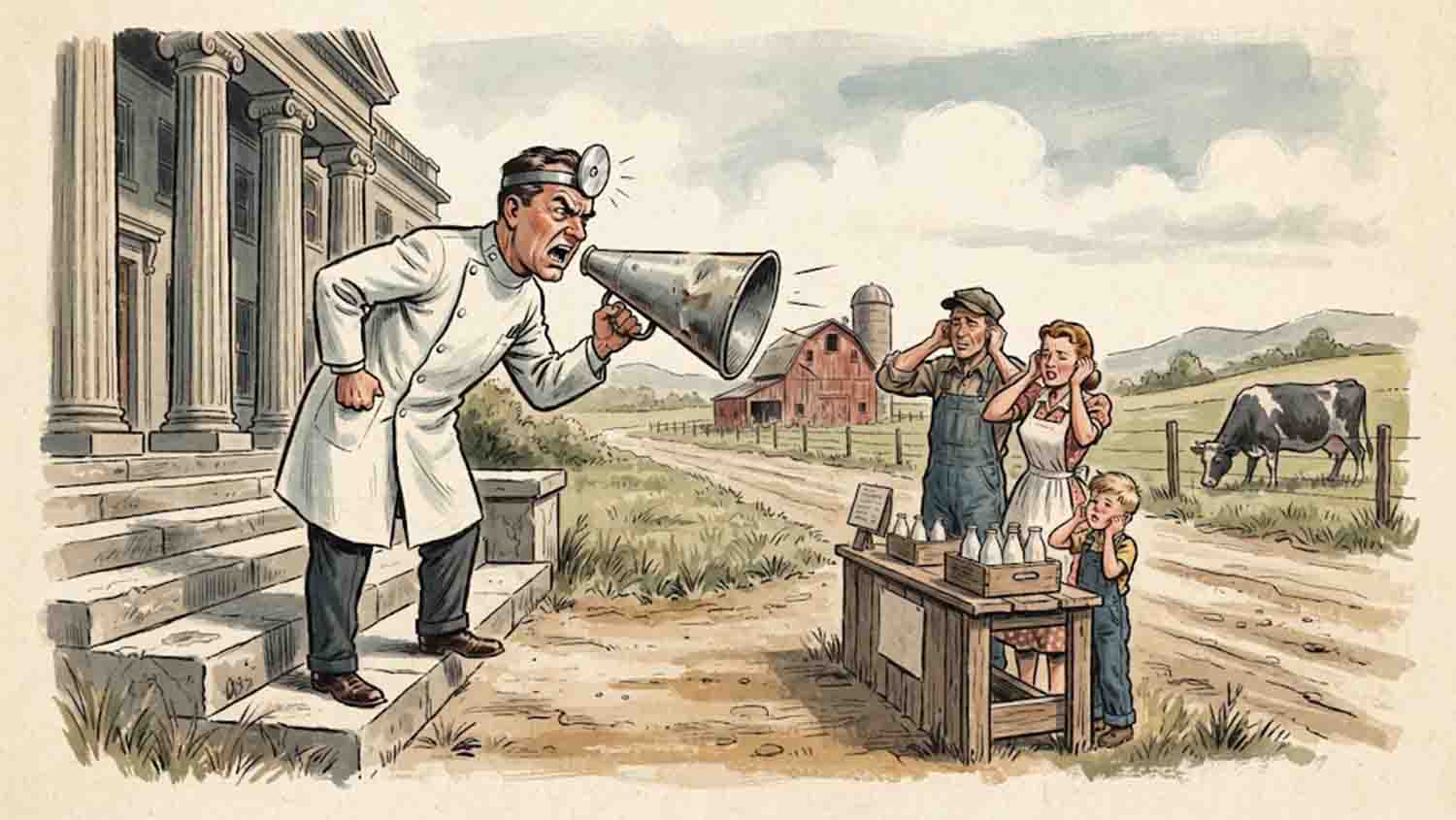
The AAP is calling for a raw milk ban while states vote to expand access. Its own numbers show no emergency, and the call deepens the real one: lost trust.