
Science blog posts
Research, data, and analysis on raw milk safety, nutrition, allergy outcomes, pathogen risk, foodborne illness rates, and more.
6/6/2026 - 6/25/2026
-

Why Listeria Monocytogenes Is Uniquely Difficult to Control in Aged Cheese
Unlike most dairy pathogens, Listeria monocytogenes thrives in the conditions that define aged cheese production. Cold tolerance, salt resistance, and biofilm formation explain why.
-
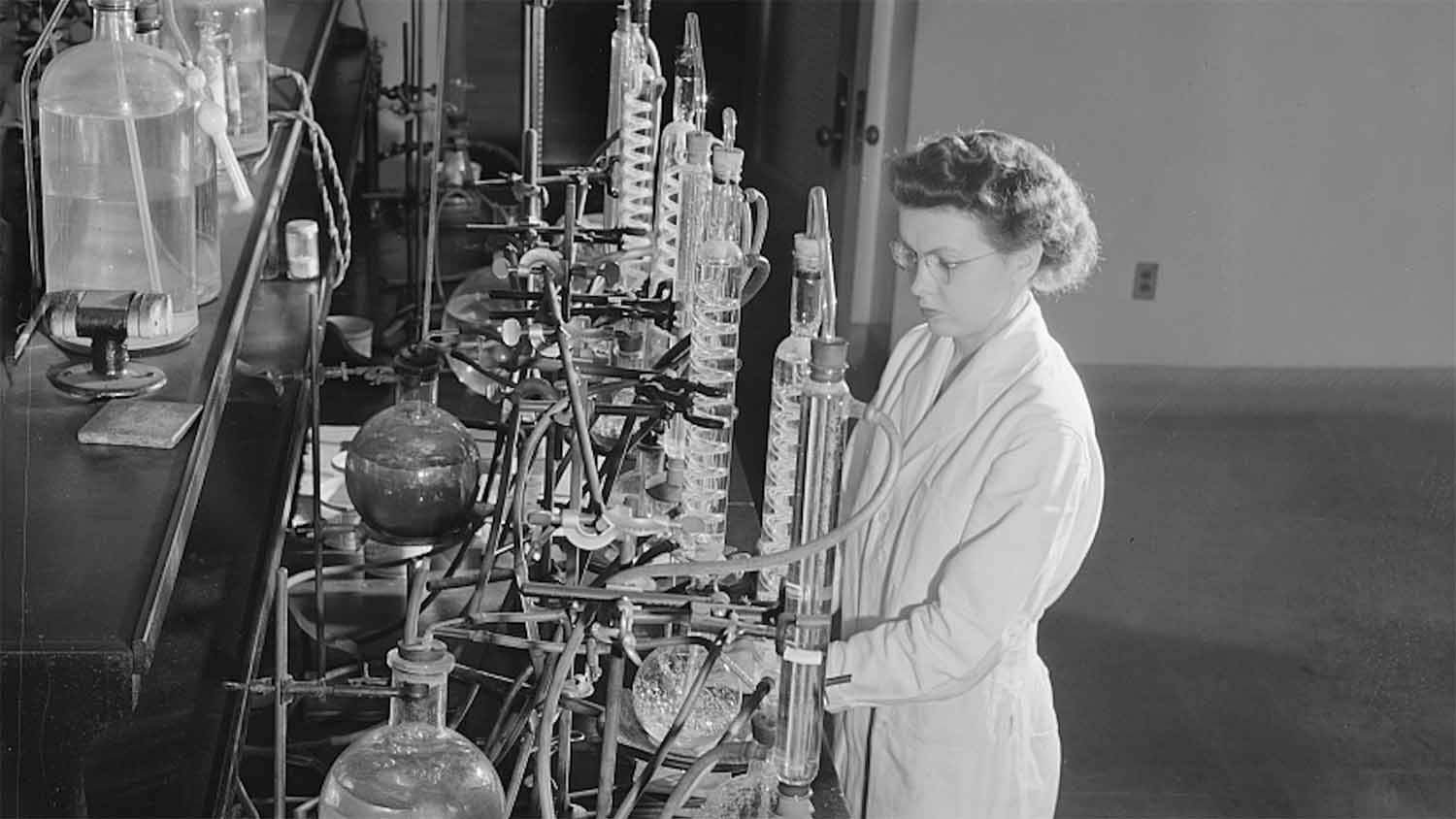
How E. coli O157:H7 Resists Acid During Cheese Aging and Why It Survives Past 60 Days
The lactic acid fermentation that eliminates most dairy pathogens triggers an adaptive response in E. coli O157:H7 that allows it to survive past 270 days in aged cheese.
-
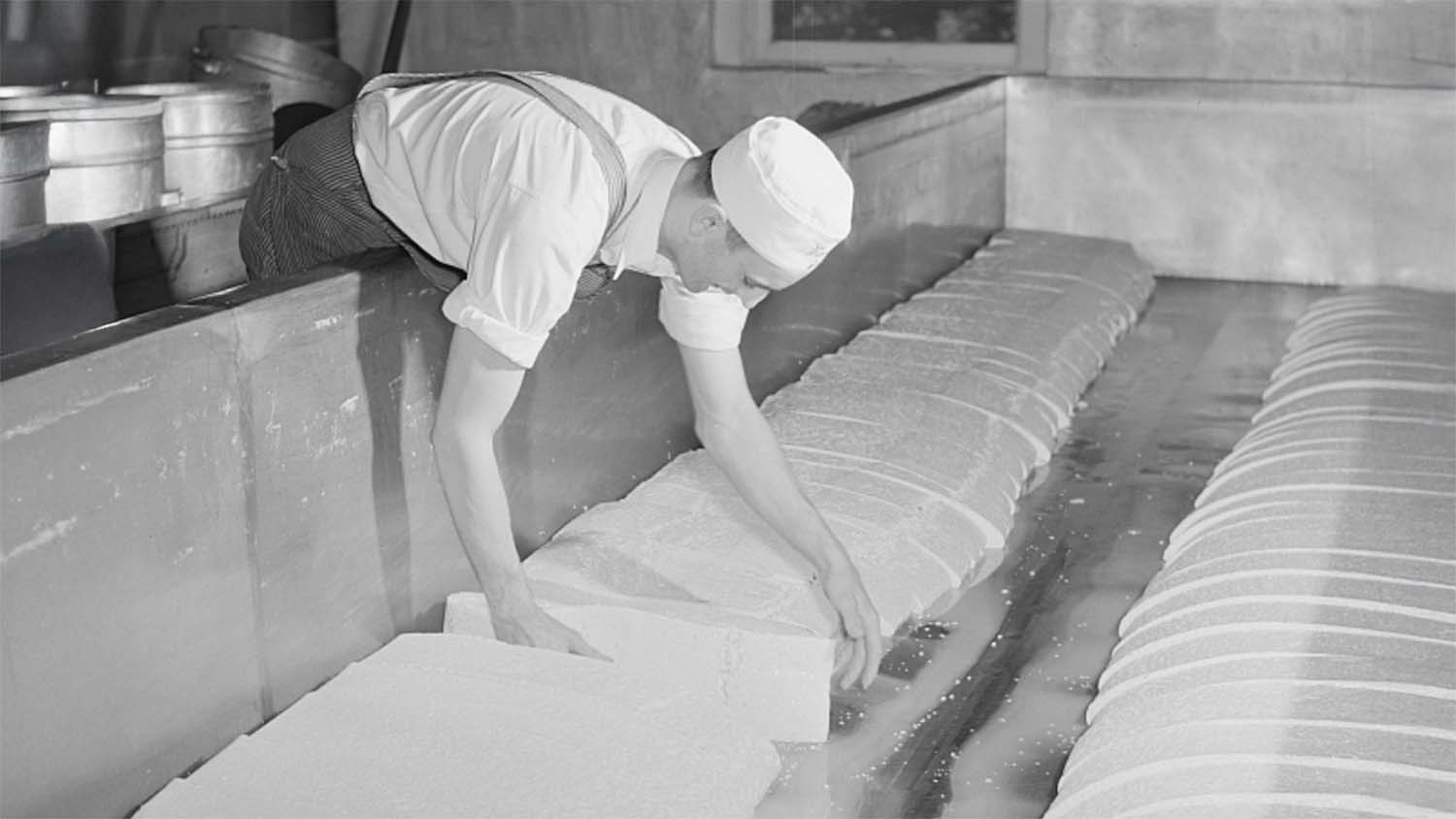
Why Campylobacter Rarely Survives the Cheesemaking Process
Despite causing 1.5 million U.S. infections per year, Campylobacter rarely survives cheesemaking. Here is why oxygen, salt, and acid eliminate it reliably.
-
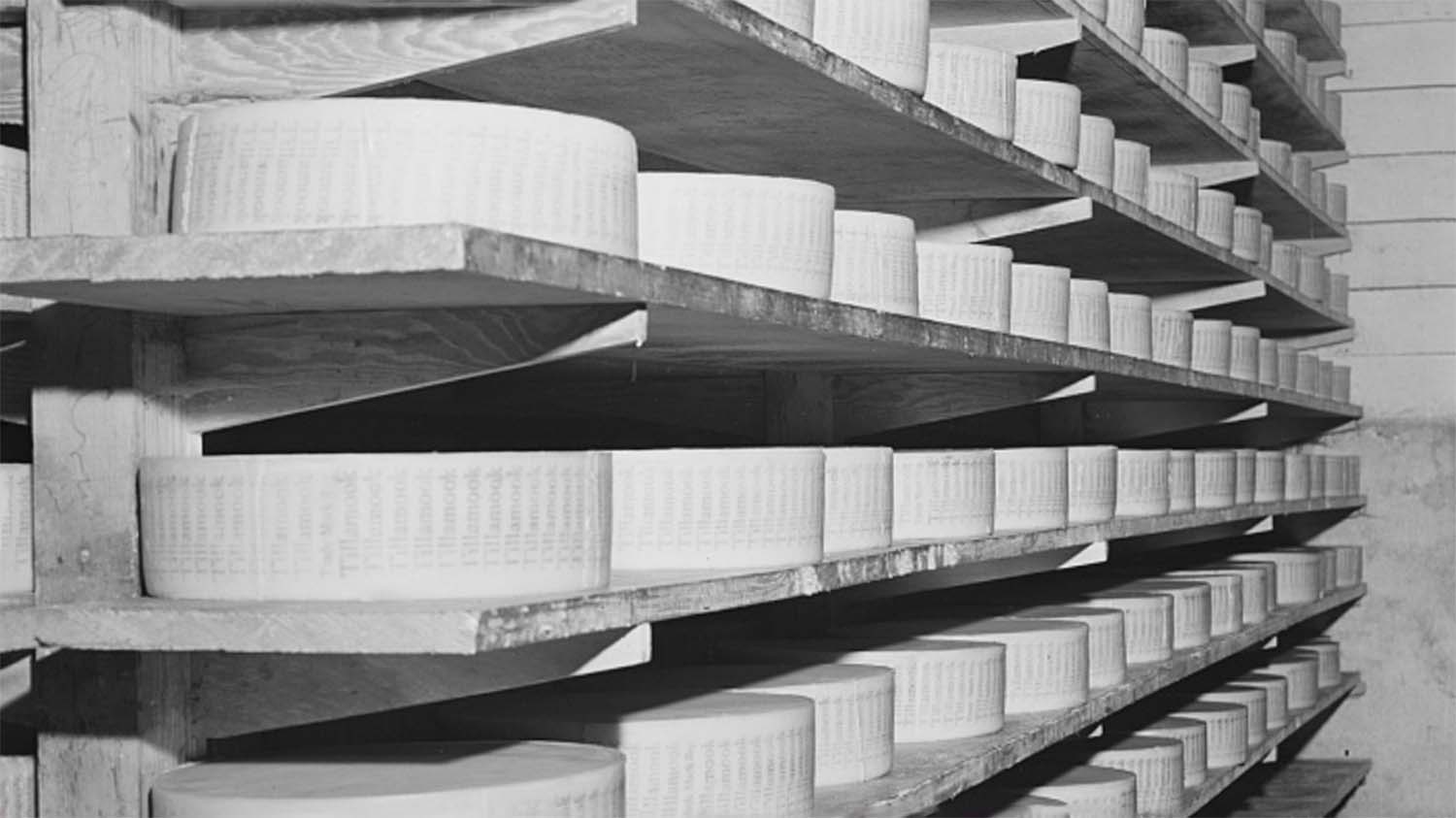
Where the 60-Day Raw Cheese Aging Rule Came From and What It Was Designed For
Raw milk cheese sold across state lines in the U.S. must be aged 60 days by federal law. Here is where that requirement came from and what it was designed to prevent.
-
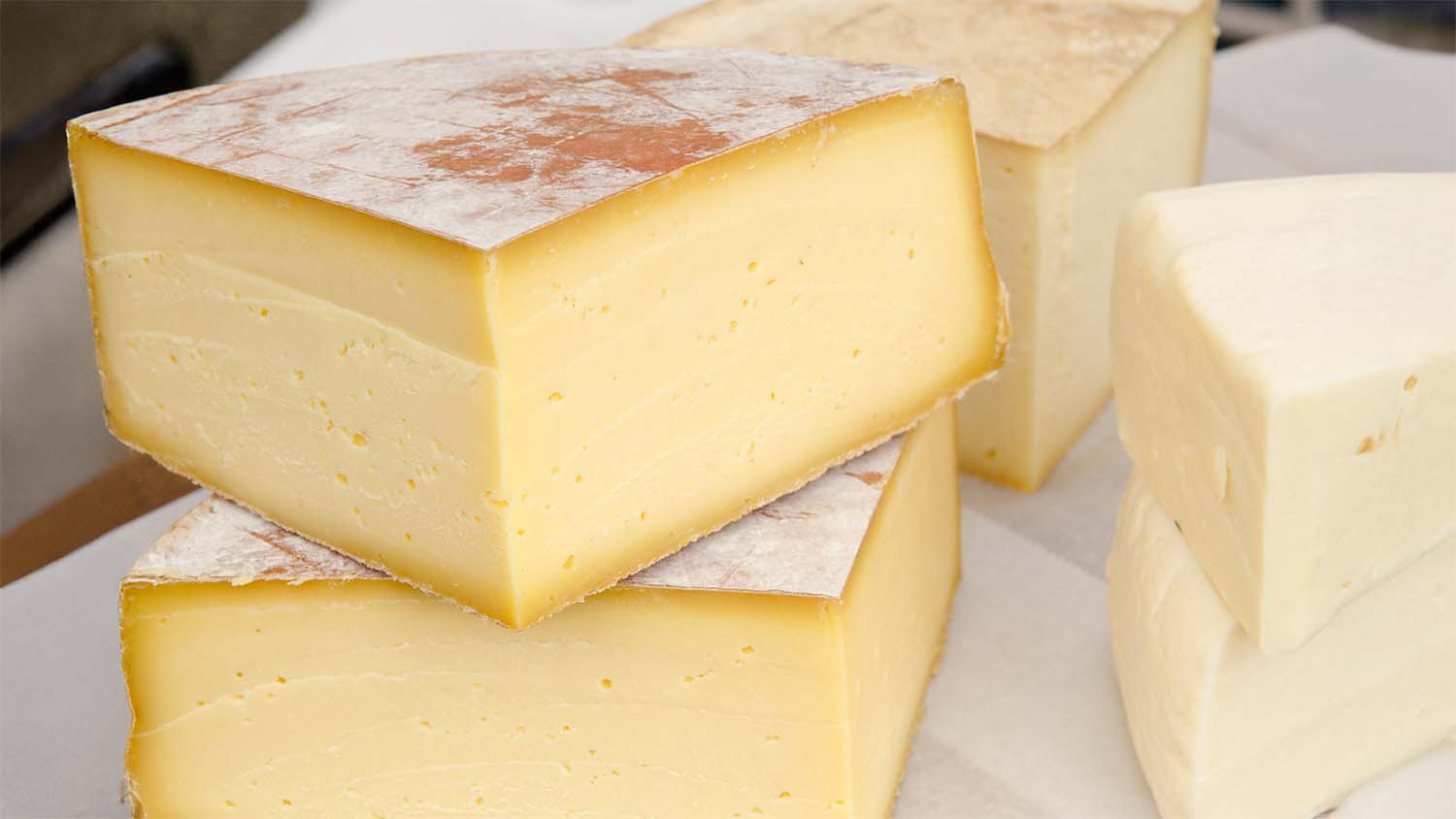
What Happens to Bacteria During Cheese Aging: Salt, Acid, and Time
Cheesemaking eliminates some pathogens reliably and leaves others largely intact. A science-based look at salt, water activity, lactic acid, and the 60-day aging rule.
-

Cows Kill 22 Americans a Year. Raw Milk Claimed One Death in 15 Years
One confirmed raw milk death in 15 years of federal surveillance. Cattle kill 22 Americans per year. Two numbers that are rarely considered together.
-
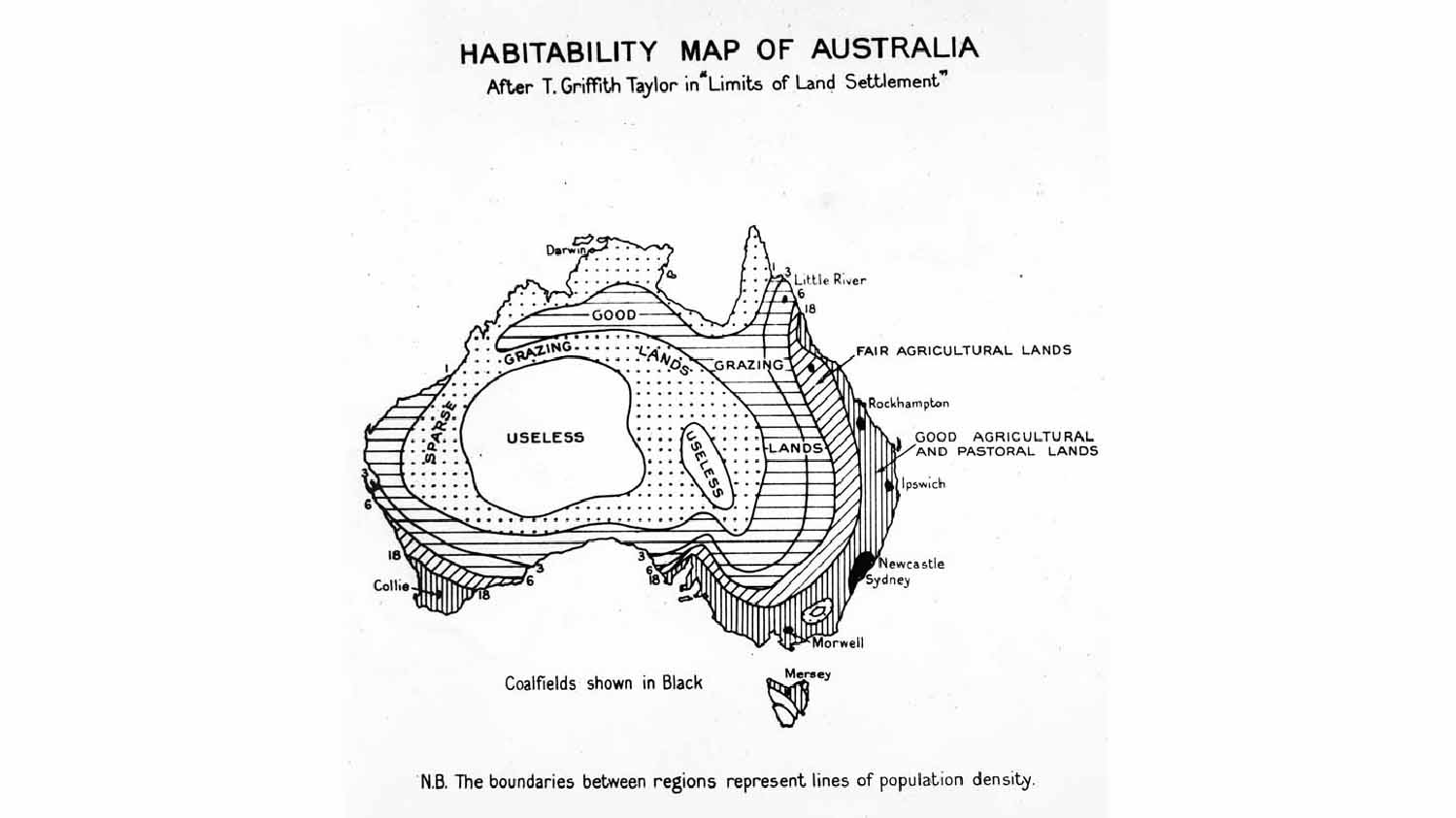
Australia’s “Useless” Land Is Full of Camels and a Working Dairy
A 1946 map labeled Australia’s outback useless. Today it holds over a million feral camels and a growing camel milk dairy industry.
-
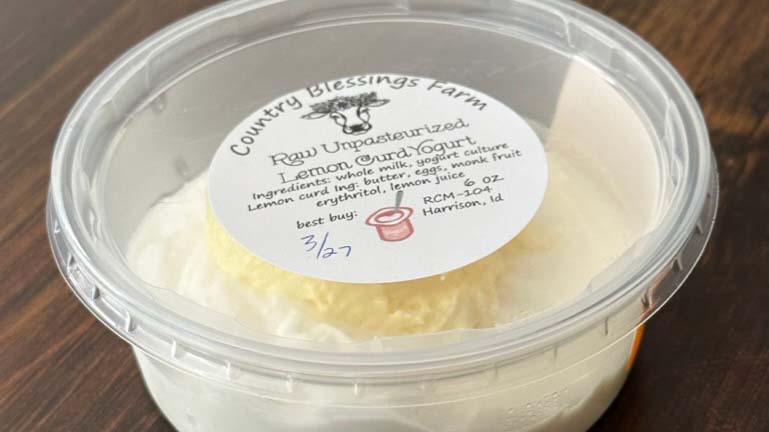
What 37 Studies Say About Fermented Dairy and Gut Health
A UC Davis review of 37 studies found fermented dairy improved gut symptoms and inflammation, with no harmful effects reported.
-

Built to Drink Milk: The Evolutionary History of Lactase Persistence
Humans became lactase persistent through thousands of years of dairy intolerance. Drinking milk through the pain eventually rewrote human genetics.
-
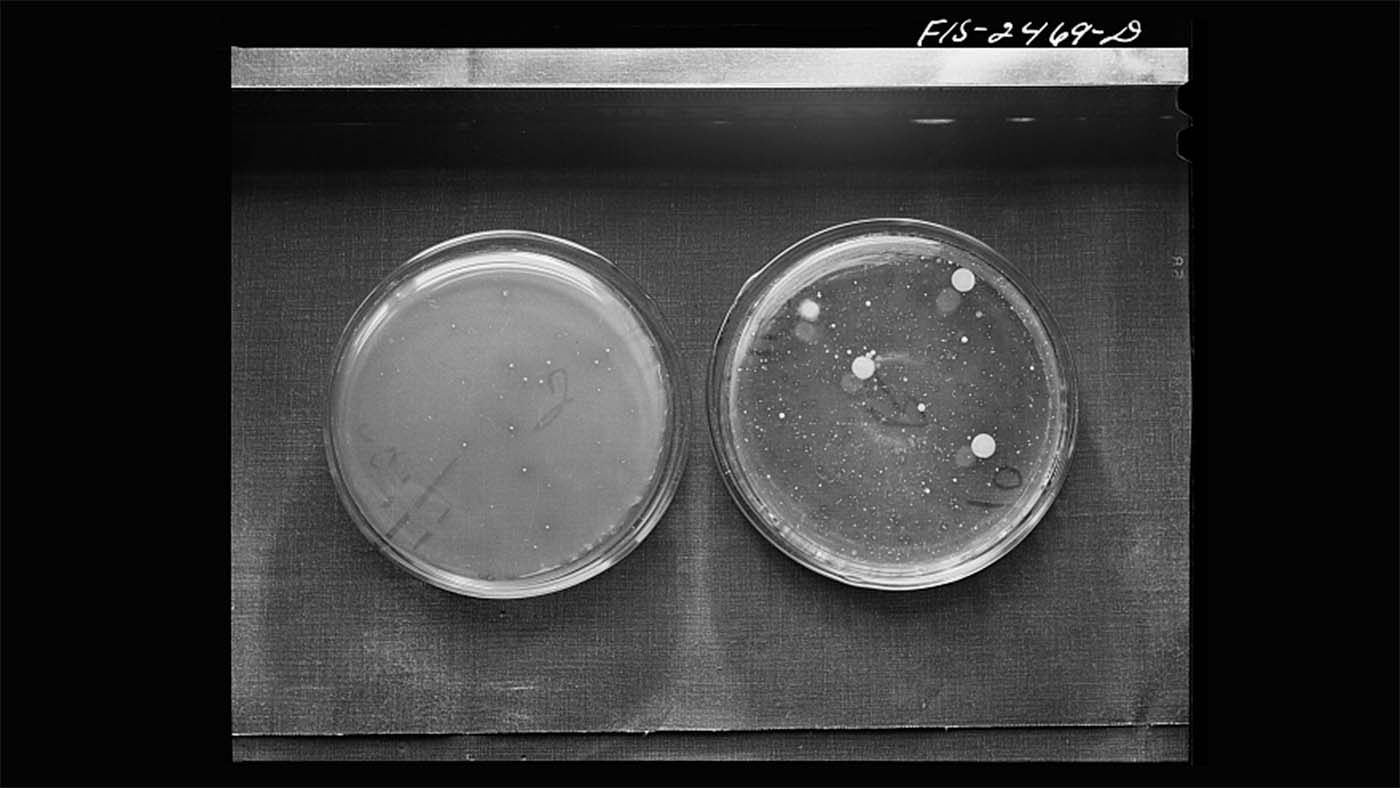
How Much Bacteria Is Allowed in Pasteurized Milk? The PMO Standards Explained
The Pasteurized Milk Ordinance allows up to 20,000 bacteria per milliliter in finished pasteurized milk. Here’s what the federal standards actually permit, and how licensed raw dairies compare using the same measurements.
-
Why Many Dairy-Intolerant People Report Tolerating Raw Milk
Dairy intolerance doesn’t always extend to raw milk. Many report tolerating it without symptoms, yet the mechanisms behind why have yet to be formally studied.
-

A1 and A2 β-Casein: The Amino Acid Difference Behind BCM-7
One amino acid separates A1 and A2 β-casein. That difference determines whether digestion produces BCM-7, an opioid peptide linked to gastrointestinal effects. Here is what the research shows.
6/6/2026 - 6/25/2026
Support GetRawMilk.com
Mapping raw milk sources by hand since 2018.
Tips keep it free and updated daily.
Select a tip amount
Enter an amount of $1 or more.
✓ You're supporting a free community resource. This is a tip/donation, not a purchase of milk or products.
Swipe right on some shirts









Contribute
Your support covers hosting, development, and the daily work of keeping listings updated.
-
Submit a new listing +Add a farm to the database
-
SponsorshipsOngoing support with visibility
-
Buy me a milk 🥛Leave a one-time tip