
Science blog posts
Research, data, and analysis on raw milk safety, nutrition, allergy outcomes, pathogen risk, foodborne illness rates, and more.
6/25/2026 - 7/17/2026
-

Does Homogenized Milk Cause Heart Disease? The Oster Hypothesis
Kurt Oster proposed that homogenized milk delivers an absorbable enzyme that damages arteries, but three independent formal reviews found the evidence lacking.
-
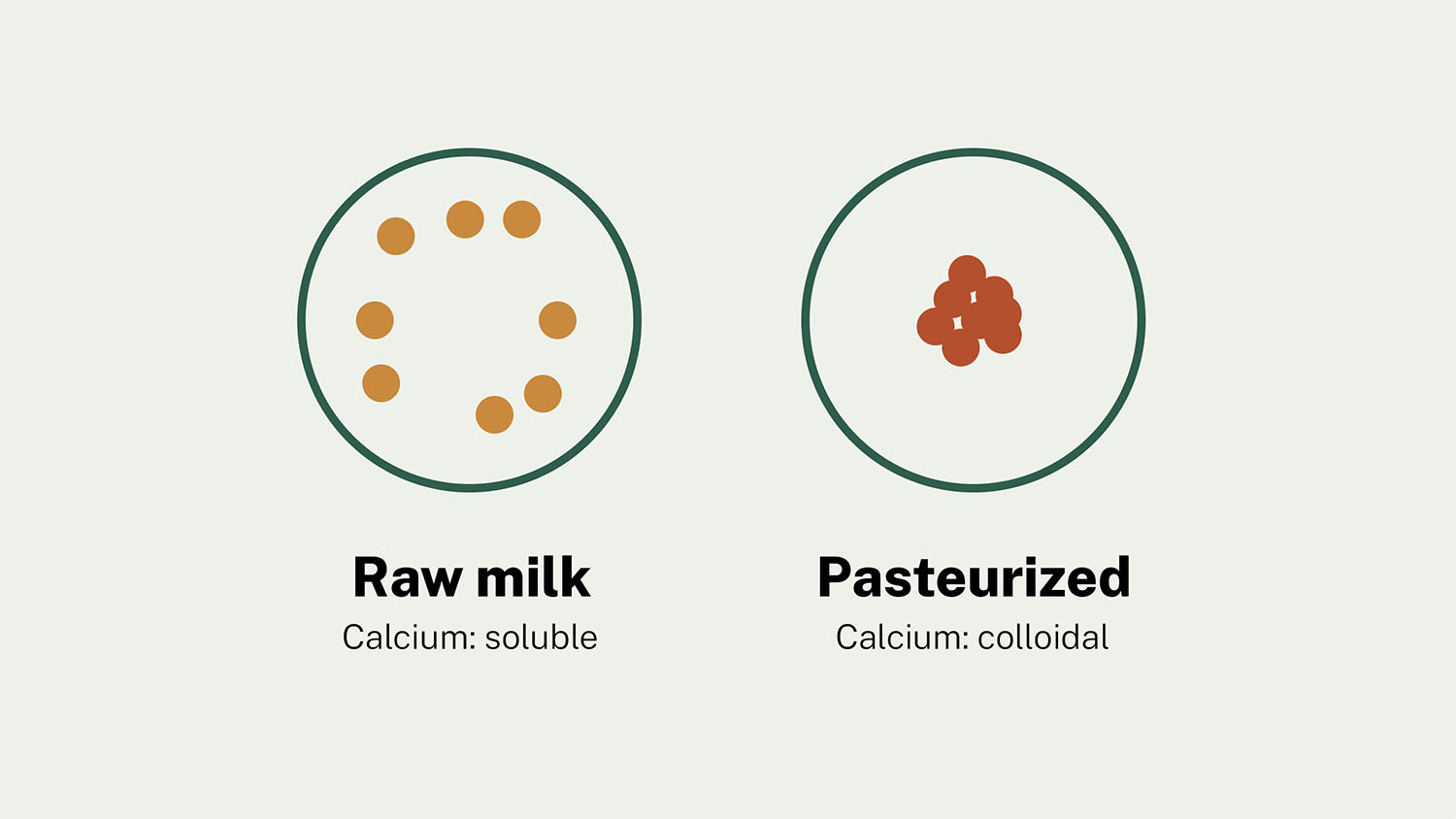
Pasteurization and Milk Calcium: Form Change vs. Bioavailability
Heat shifts milk calcium from soluble to colloidal form, but radioactive-tracing studies found no absorption difference between raw and pasteurized milk.
-
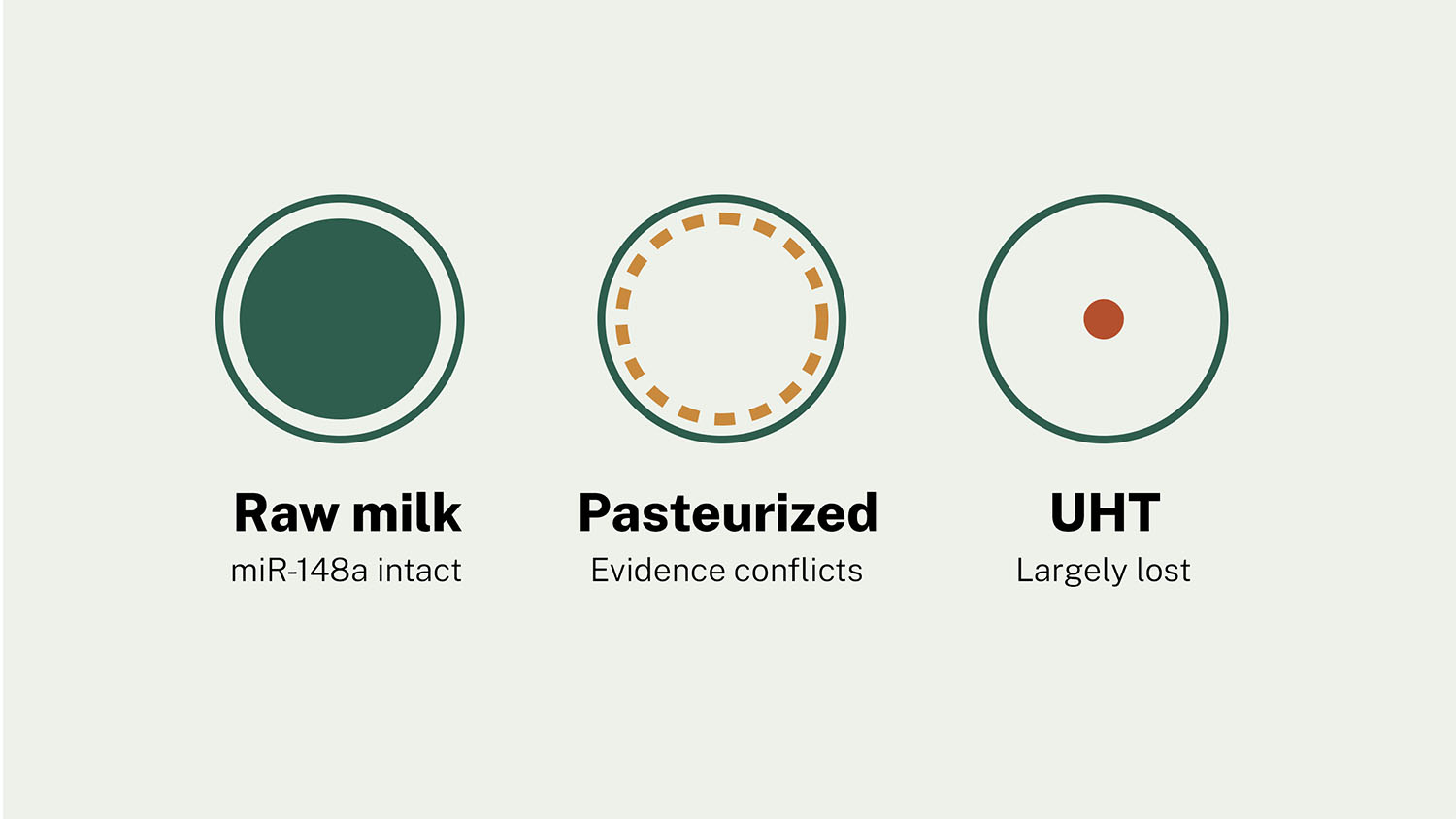
Milk Exosomes and microRNA: Where the Research Disagrees
Studies on milk exosomes after pasteurization report conflicting results, some finding particle counts preserved, others substantial miRNA loss.
-
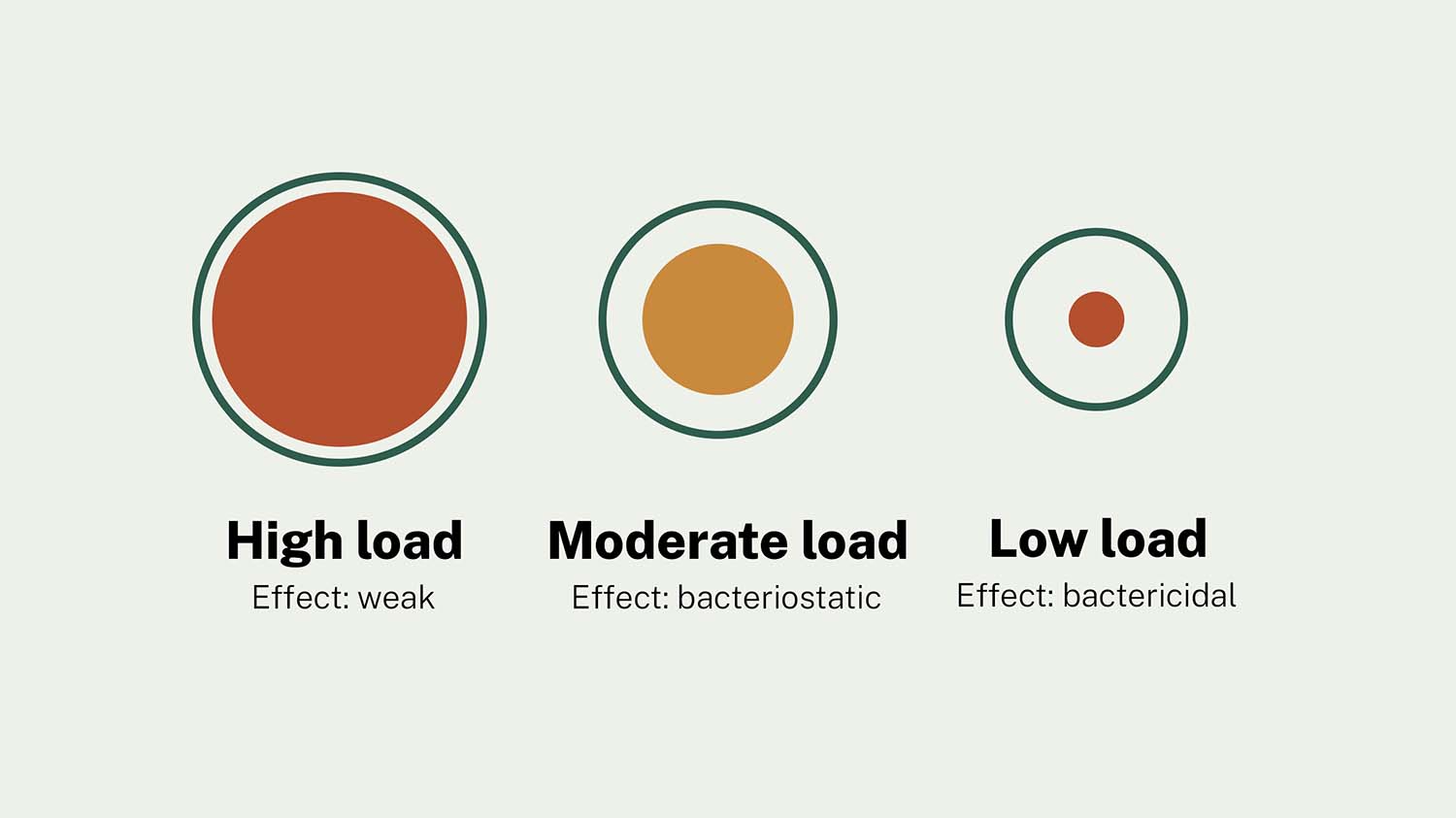
The Lactoperoxidase System: Milk’s Natural Antibacterial Enzyme
FAO and WHO formally reviewed this natural milk enzyme as a preservation method, and a 2024 Ethiopian field study measured its real-world bacterial reduction.
-
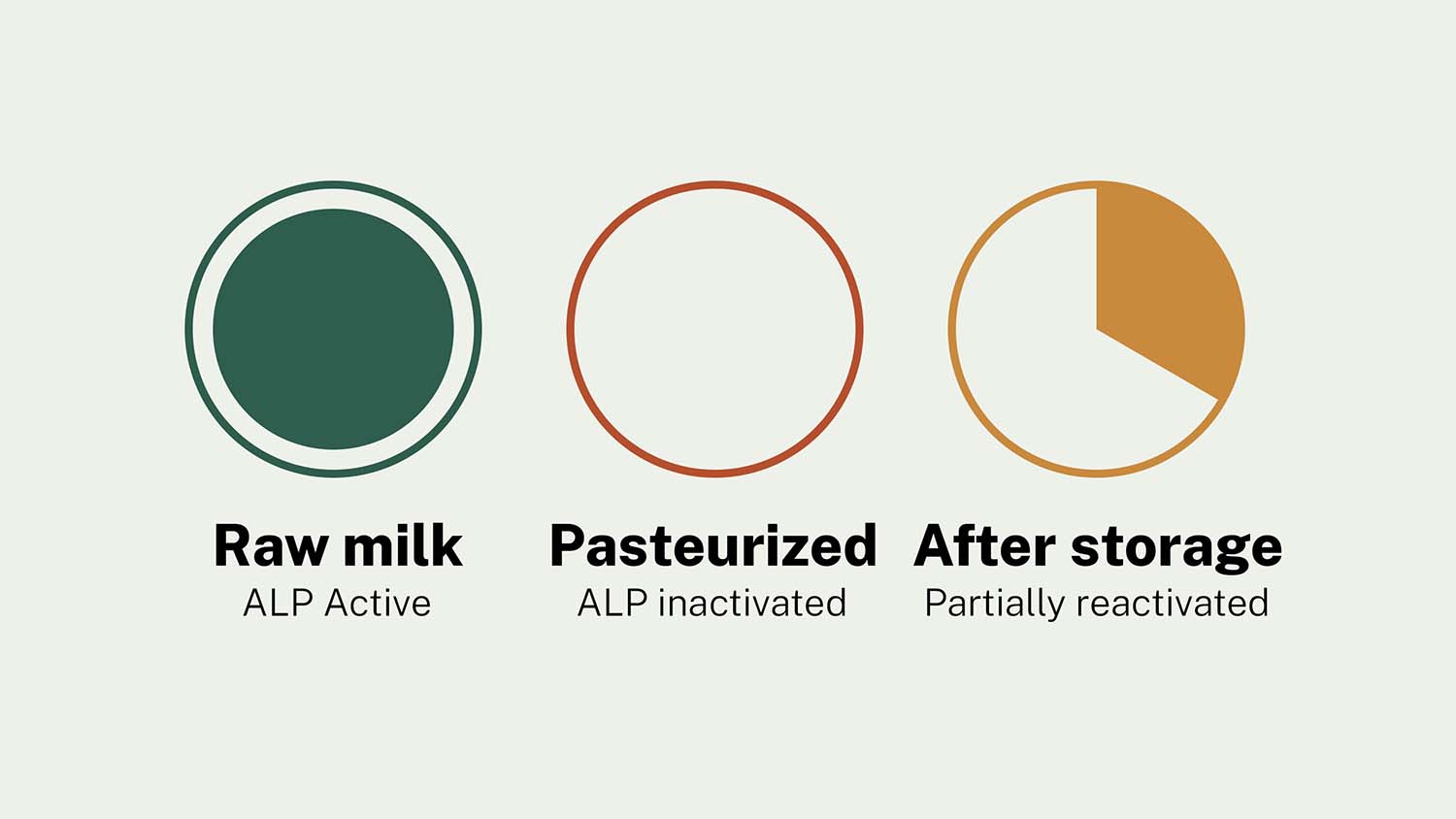
Alkaline Phosphatase in Milk: More Than a Pasteurization Marker
Regulators picked this milk enzyme to verify pasteurization by tracking pathogen heat sensitivity, but a mouse study found it may play a biological role too.
-
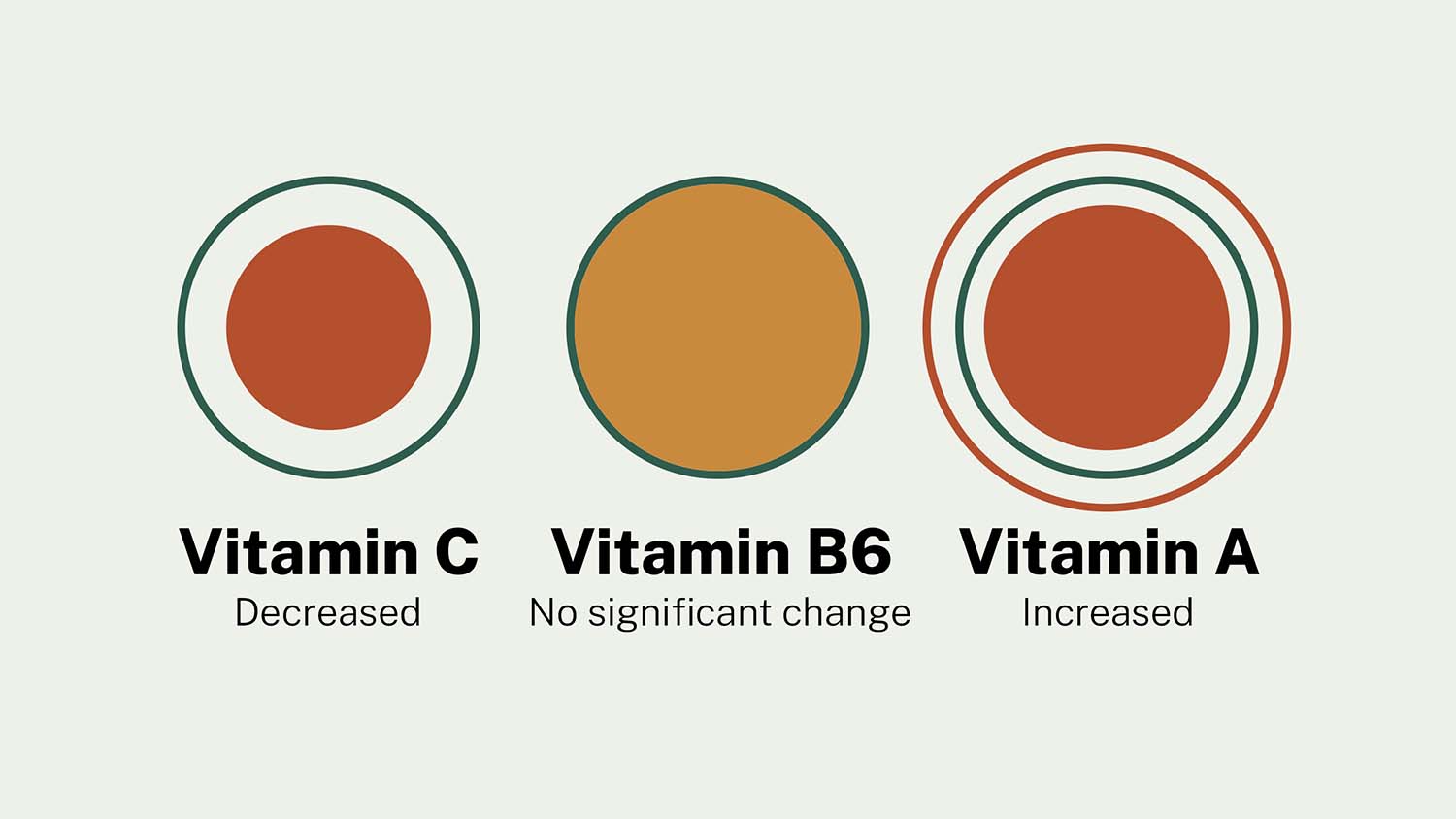
What Pasteurization Does to Each Vitamin in Milk
A 40-study meta-analysis found significant drops in B1, B2, C, and folate, no change in B6, and a rise in vitamin A with two documented explanations.
-
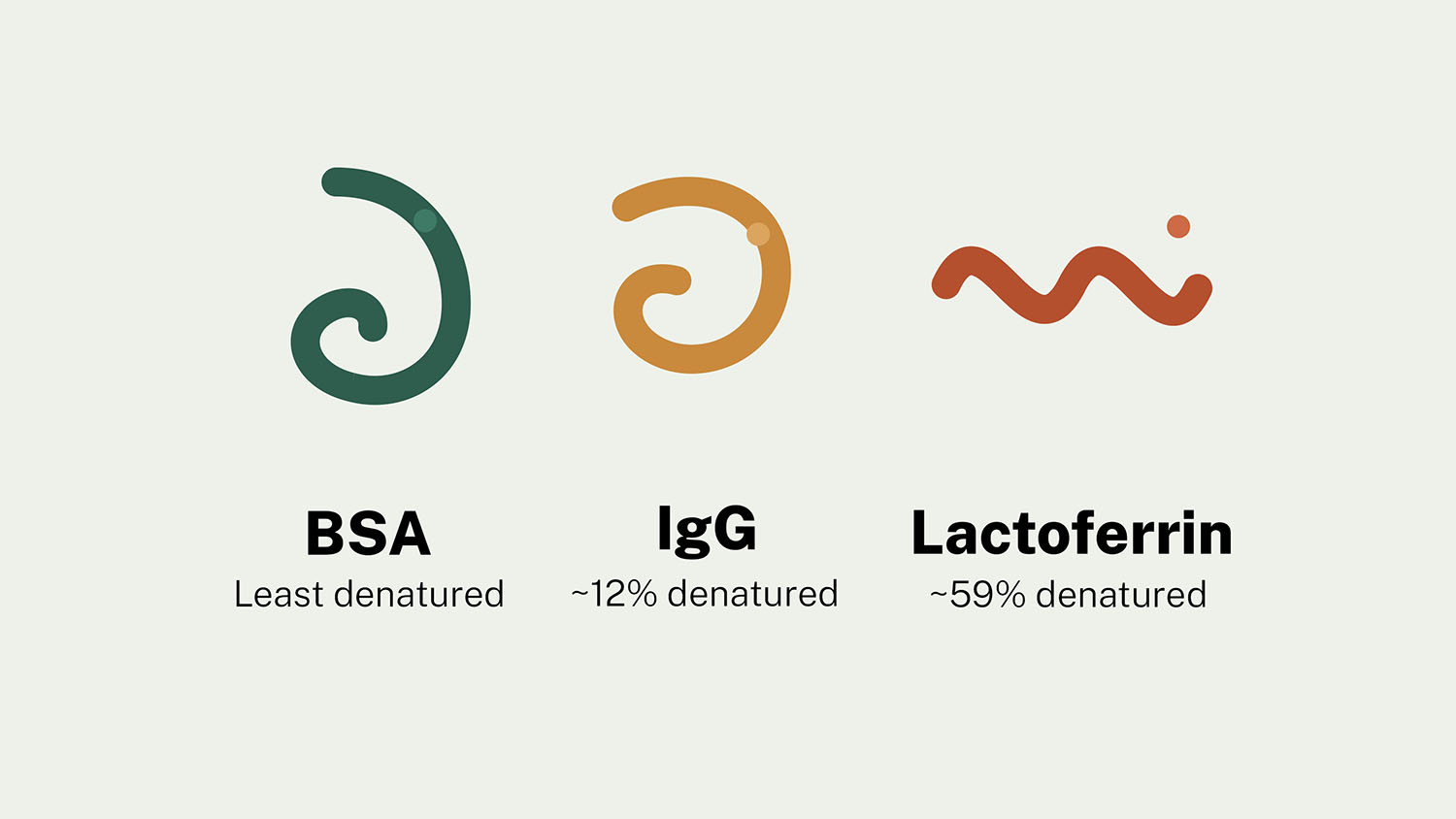
What Pasteurization Does to Whey Protein, Lactoferrin, and IgG
HTST denatures roughly 59% of lactoferrin and 12% of IgG in milk, while other whey proteins stay comparatively heat-stable, per controlled research.
-
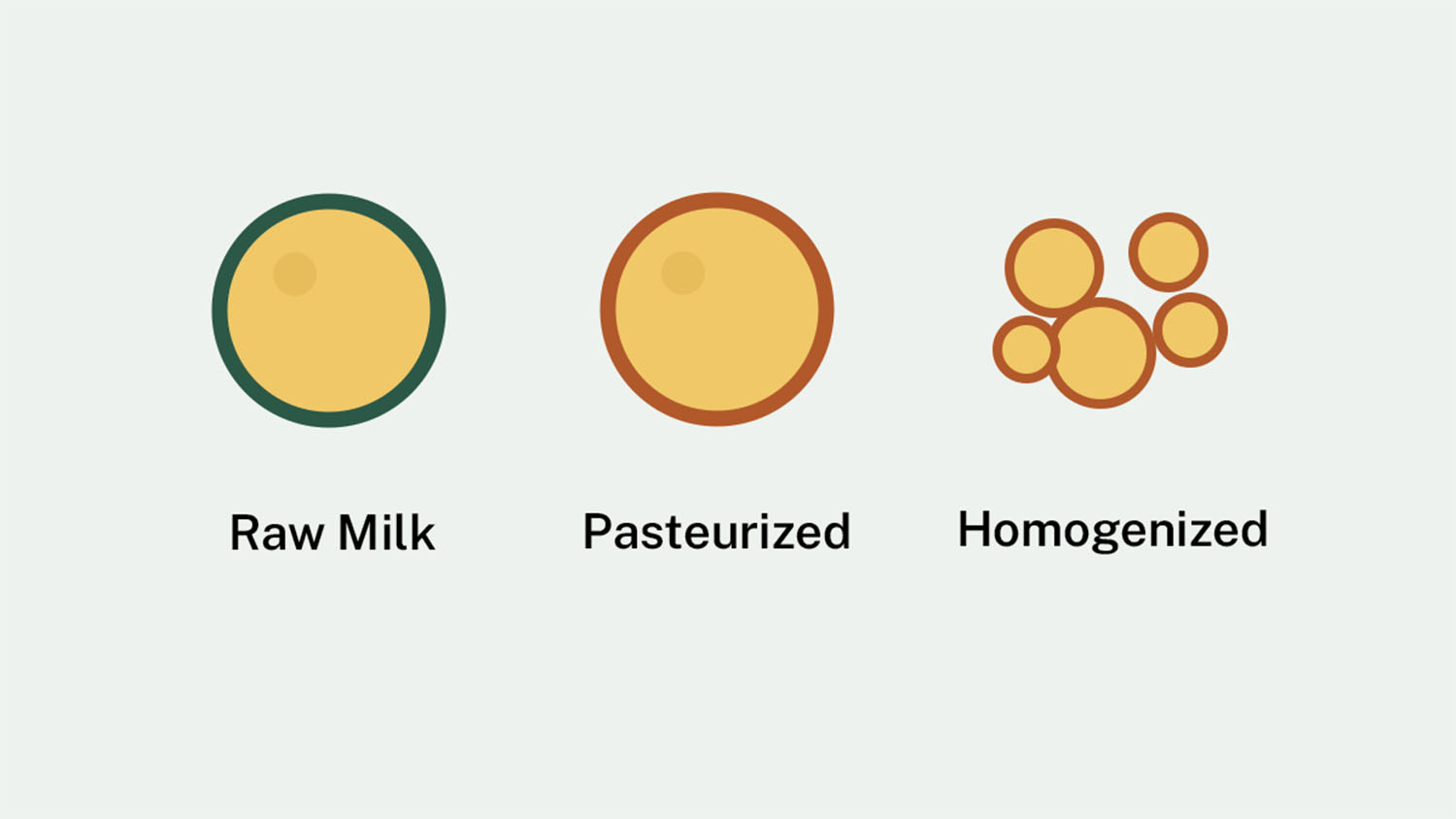
Milk Fat Globule Membrane: How Raw, Pasteurized, and Homogenized Milk Fat Differ
Raw, pasteurized, and homogenized milk fat differ in globule size and membrane structure. Here is what the research documents.
-

Hard Cheese vs. Soft Cheese: How Moisture Content Shapes the Microbial Environment
Not all cheese styles present the same microbial environment. Moisture content determines water activity, and water activity determines which organisms can be present and active.
-

What Lactic Acid Bacteria Do in Cheese: Acidification, Pathogen Suppression, and Flavor
Lactic acid bacteria acidify milk, suppress competing organisms, and build the flavor of aged cheese. Here is how all three mechanisms work and where each has limits.
-

Water Activity in Cheese: How Salt Controls the Microbial Environment
Not all water in cheese is available to bacteria. Water activity rather than moisture content determines which pathogens can grow and how different cheese styles compare.
-
What Salmonella Outbreaks in Raw Milk Cheese Reveal About Initial Bacterial Load
The same 60-day aging period that renders one batch of raw milk cheese safe can leave another infectious. For Salmonella, initial bacterial load is the variable that determines the outcome.
6/25/2026 - 7/17/2026
Support GetRawMilk.com
Mapping raw milk sources by hand since 2018.
Tips keep it free and updated daily.
Select a tip amount
Enter an amount of $1 or more.
✓ You're supporting a free community resource. This is a tip/donation, not a purchase of milk or products.
Swipe right on some shirts










Contribute
Your support covers hosting, development, and the daily work of keeping listings updated.
-
Submit a new listing +Add a farm to the database
-
SponsorshipsOngoing support with visibility
-
Buy me a milk 🥛Leave a one-time tip