
Science blog posts
Research, data, and analysis on raw milk safety, nutrition, allergy outcomes, pathogen risk, foodborne illness rates, and more.
7/17/2026 - 7/19/2026
-
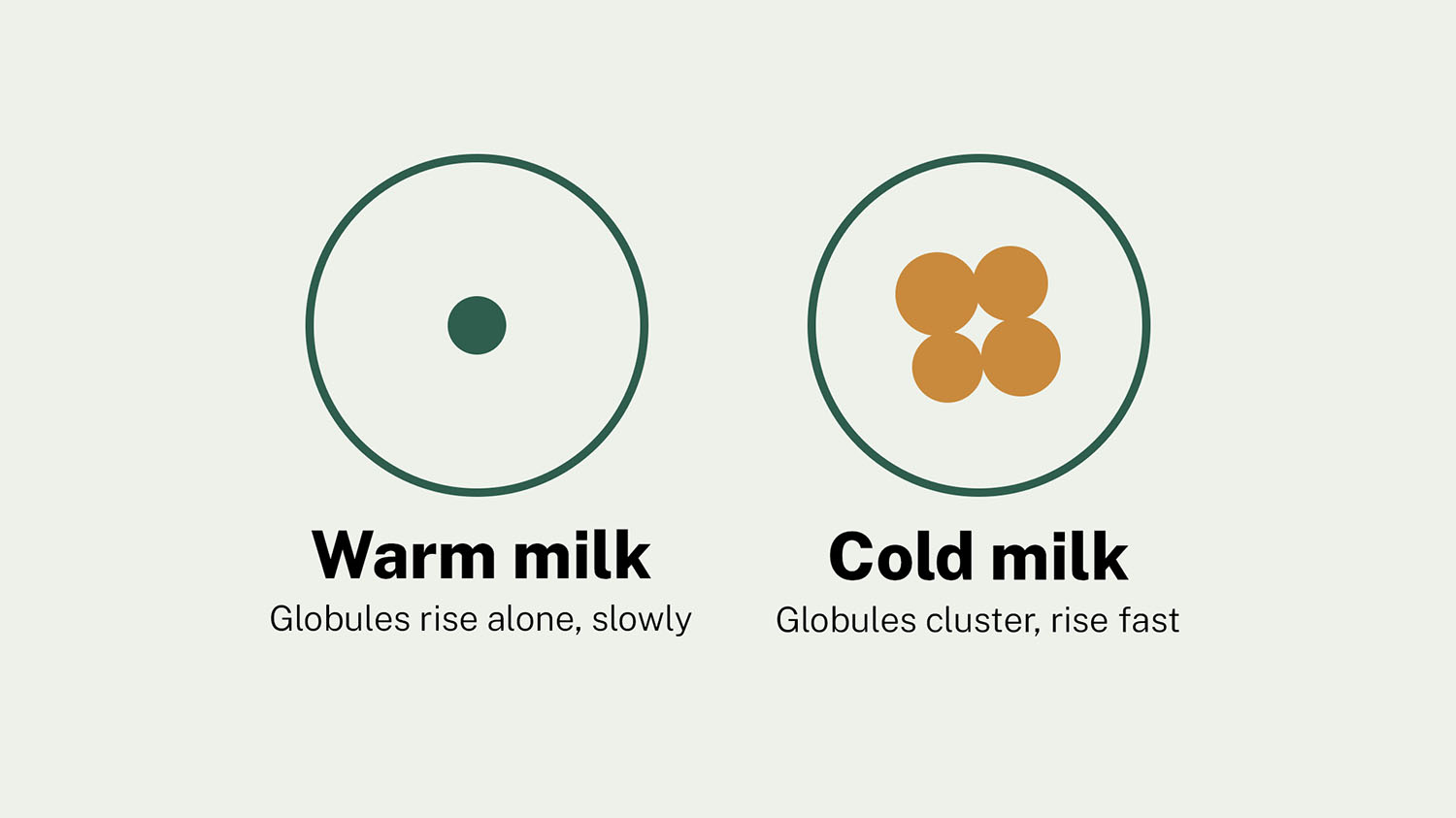
Cold Agglutination: The Real Reason Cream Rises Fast in Raw Milk
An IgM-lipoprotein complex clusters fat globules together in cold raw milk, accelerating creaming well beyond what density alone would predict.
-
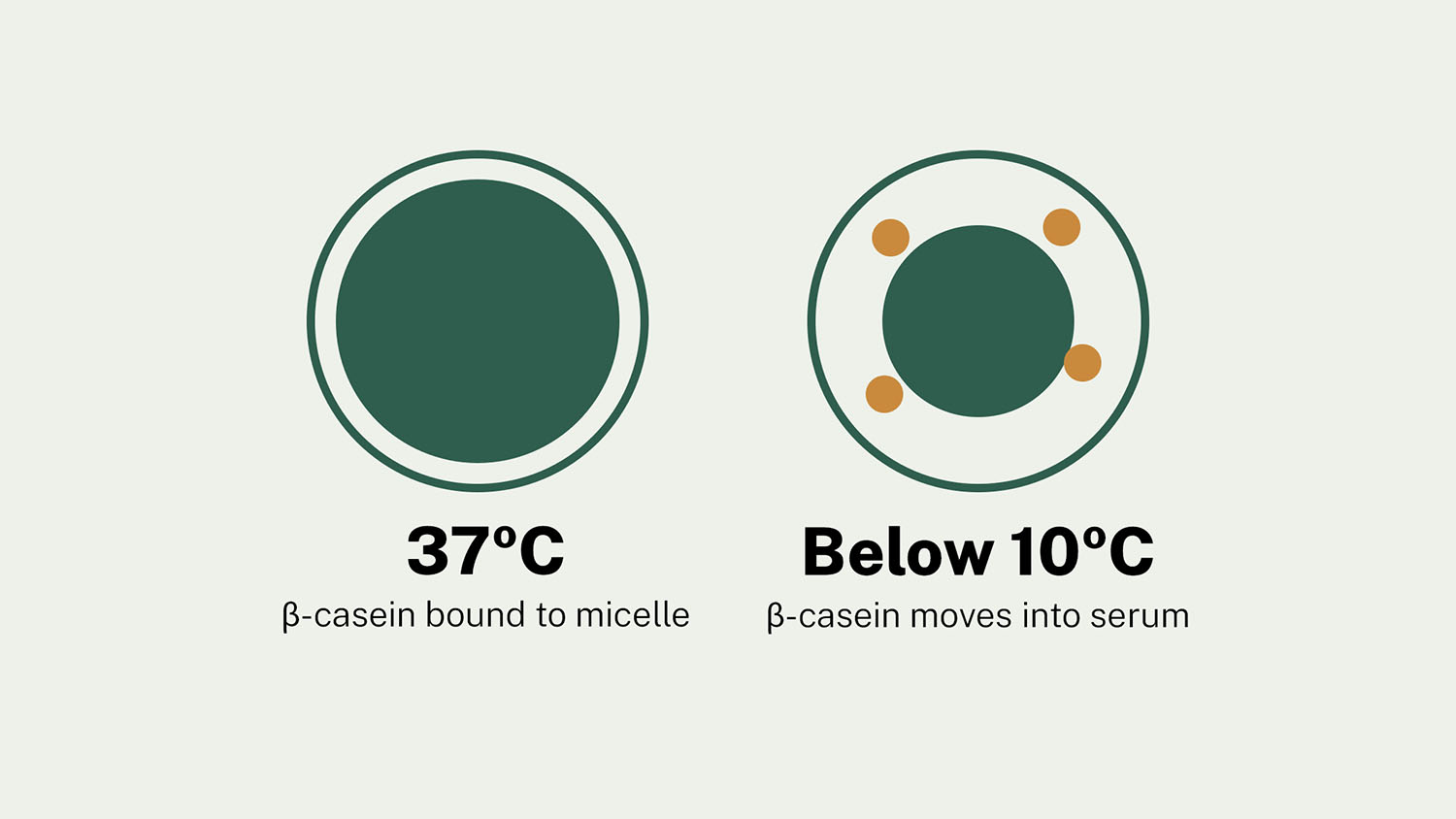
How Cold Changes Milk’s Protein Structure
Refrigerating milk causes one of its four major casein proteins to leave its normal structure entirely, a reversible effect documented since 1977.
-
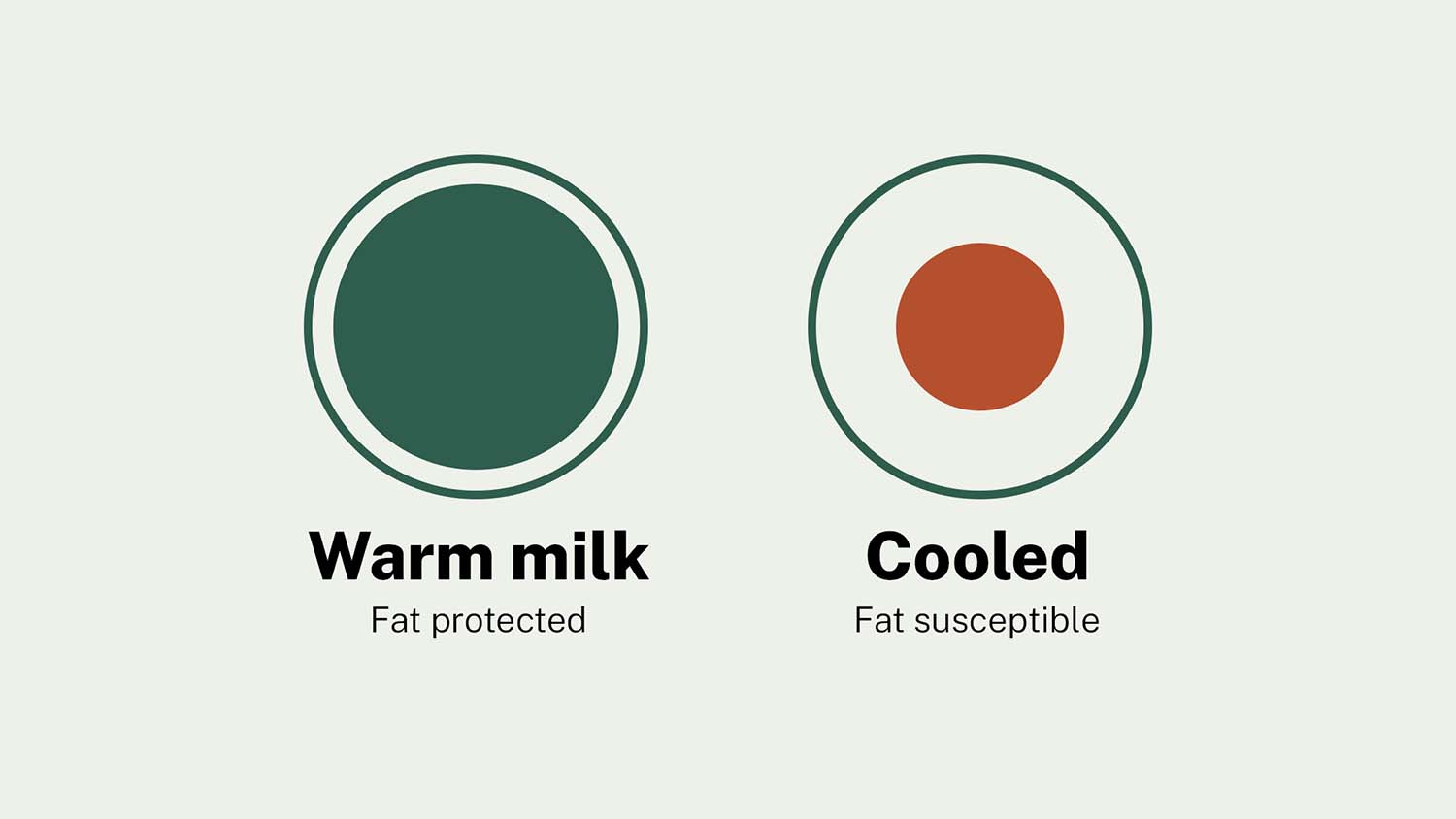
Spontaneous Lipolysis: When Cooling Alone Triggers Rancidity
In some cows’ milk, simply cooling it after milking is enough to trigger rancidity, no bacteria or physical damage required.
-
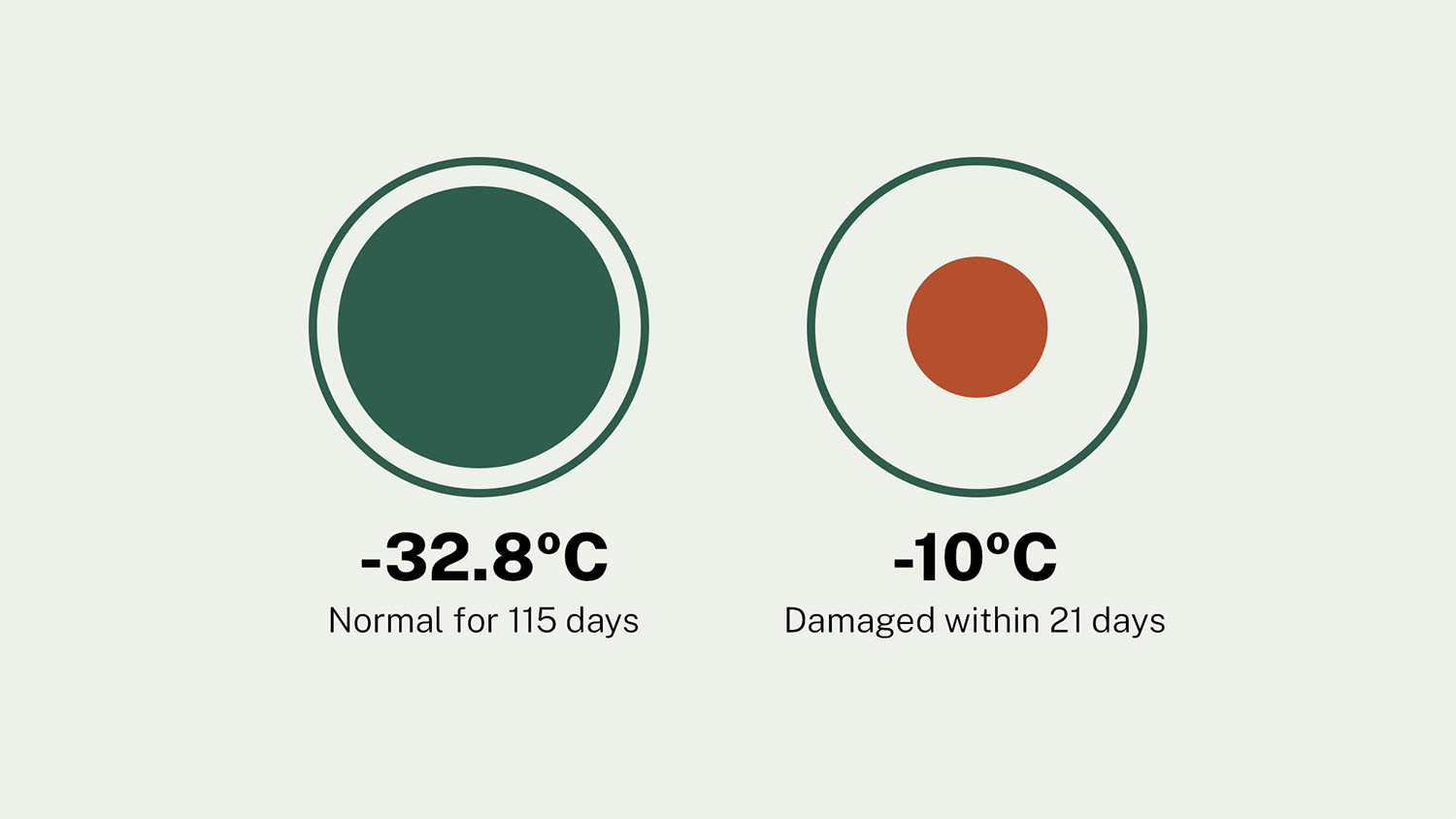
What Happens to Raw Milk When You Freeze It
Freezing raw milk causes real structural damage from ice crystals, and how you freeze and thaw it changes how much. Here is what the research documents.
-
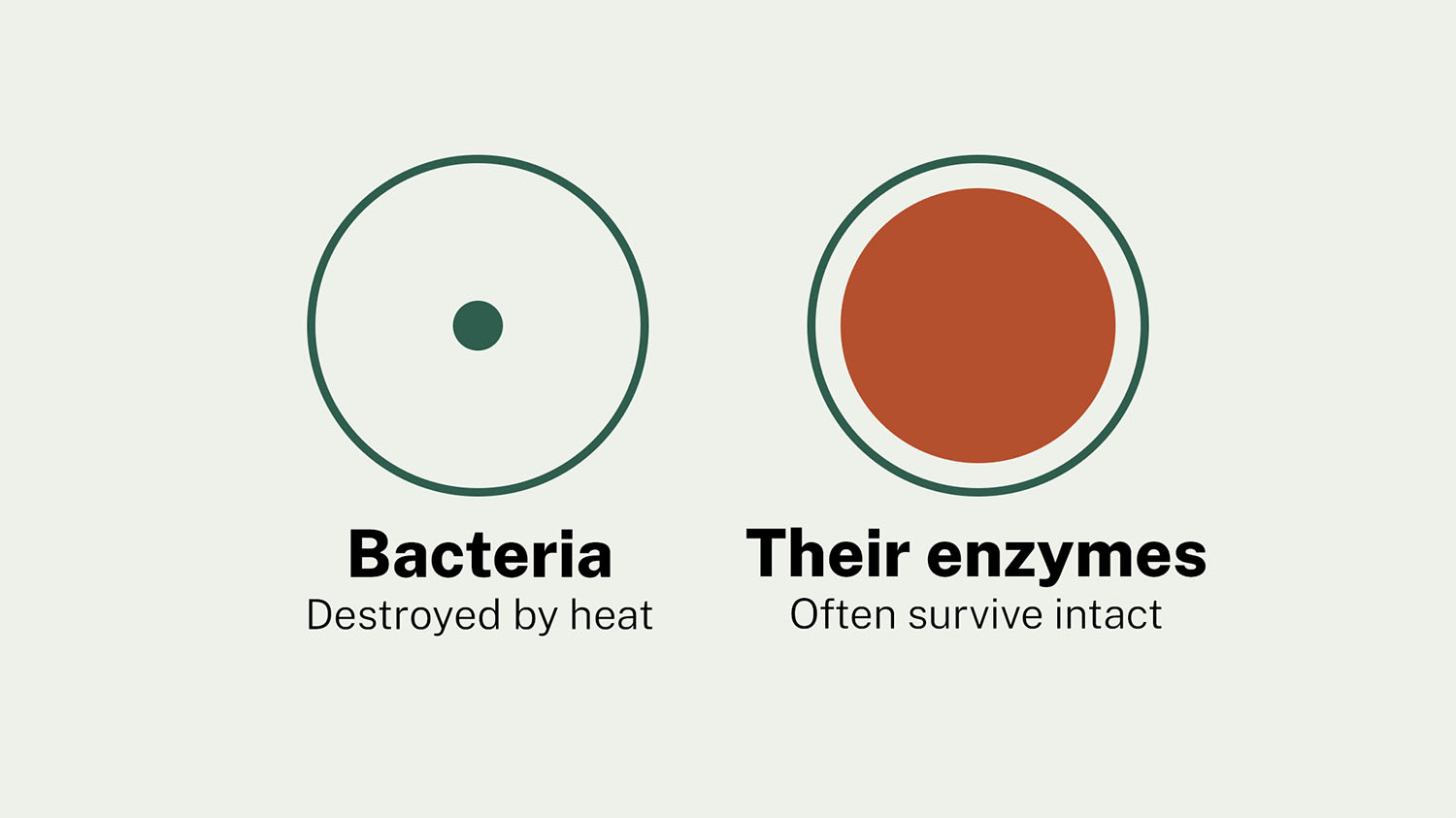
Cold-Storage Bacteria Leave Enzymes Pasteurization Can’t Touch
Refrigeration favors a specific category of bacteria whose enzymes often survive pasteurization and even UHT heat completely intact.
-
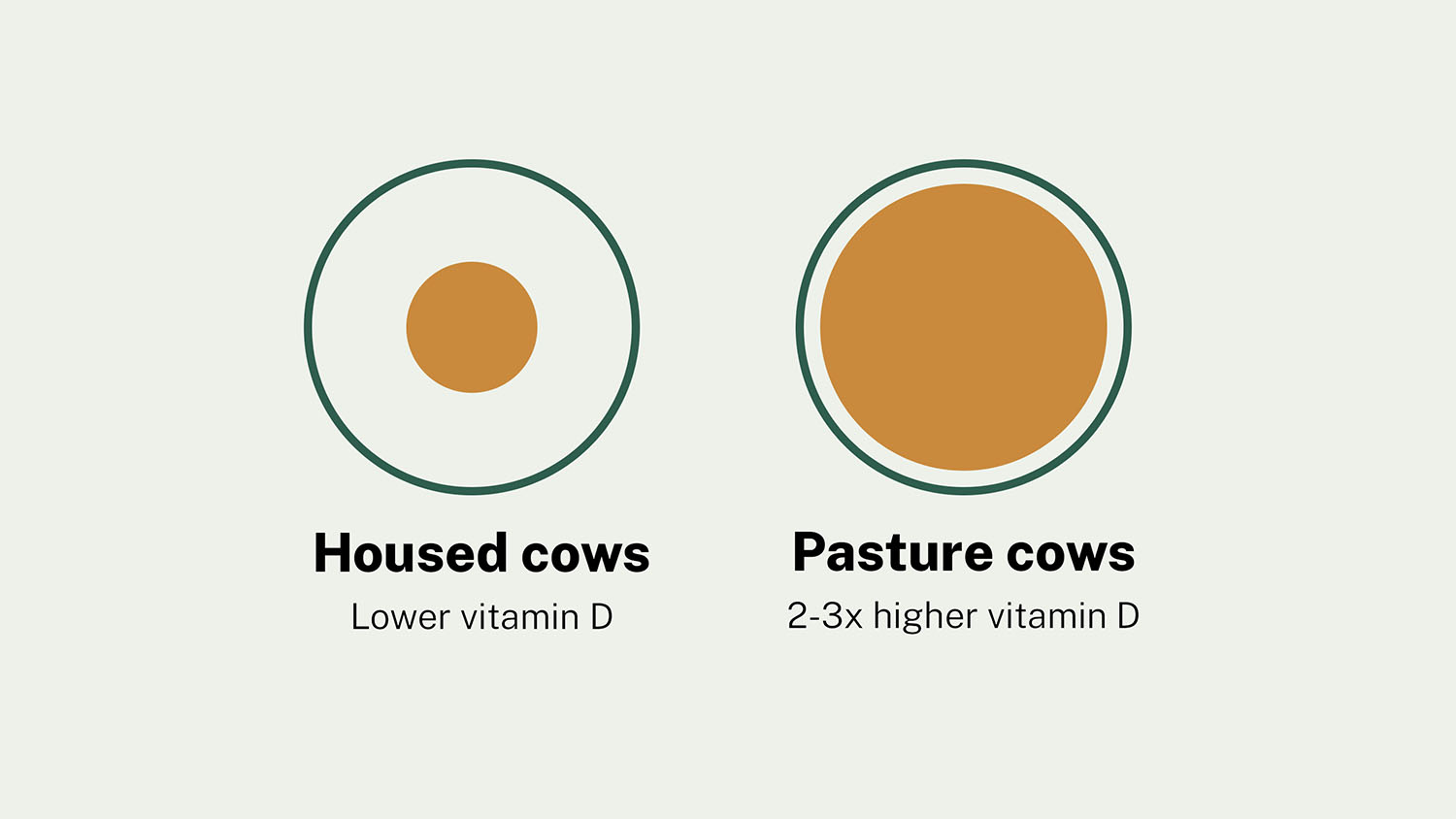
Pastured Cows Make More Vitamin D, But That’s Not Where Yours Comes From
Unfortified milk contains too little vitamin D to matter nutritionally, and fortification, not pasteurization, supplies almost all of what is on the label.
-
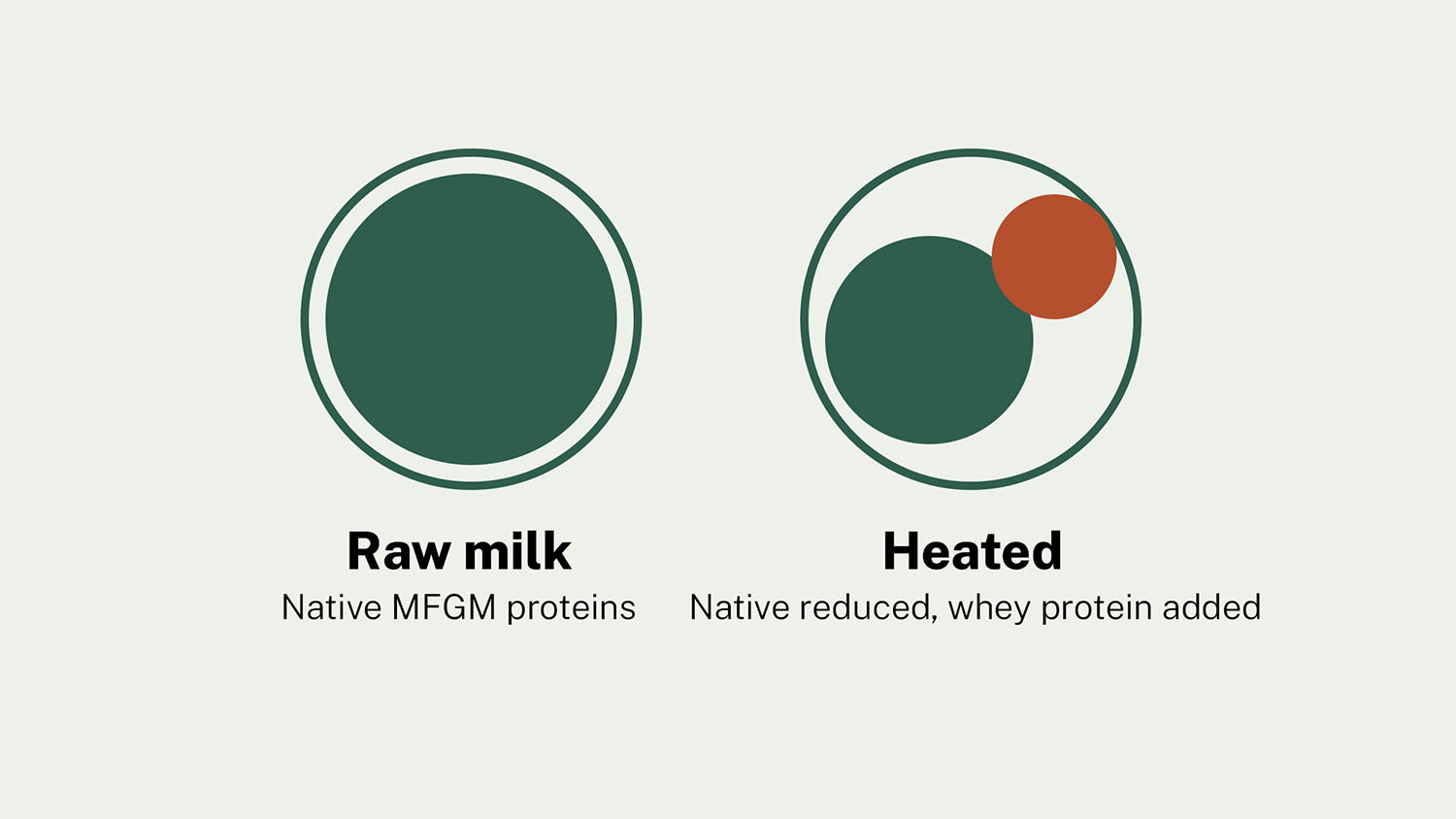
Beyond Fat: What Heat Does to MFGM Proteins
The milk fat globule membrane’s own proteins respond to heat unevenly: some resist modification, one shows stabilization, and processing can add proteins in.
-
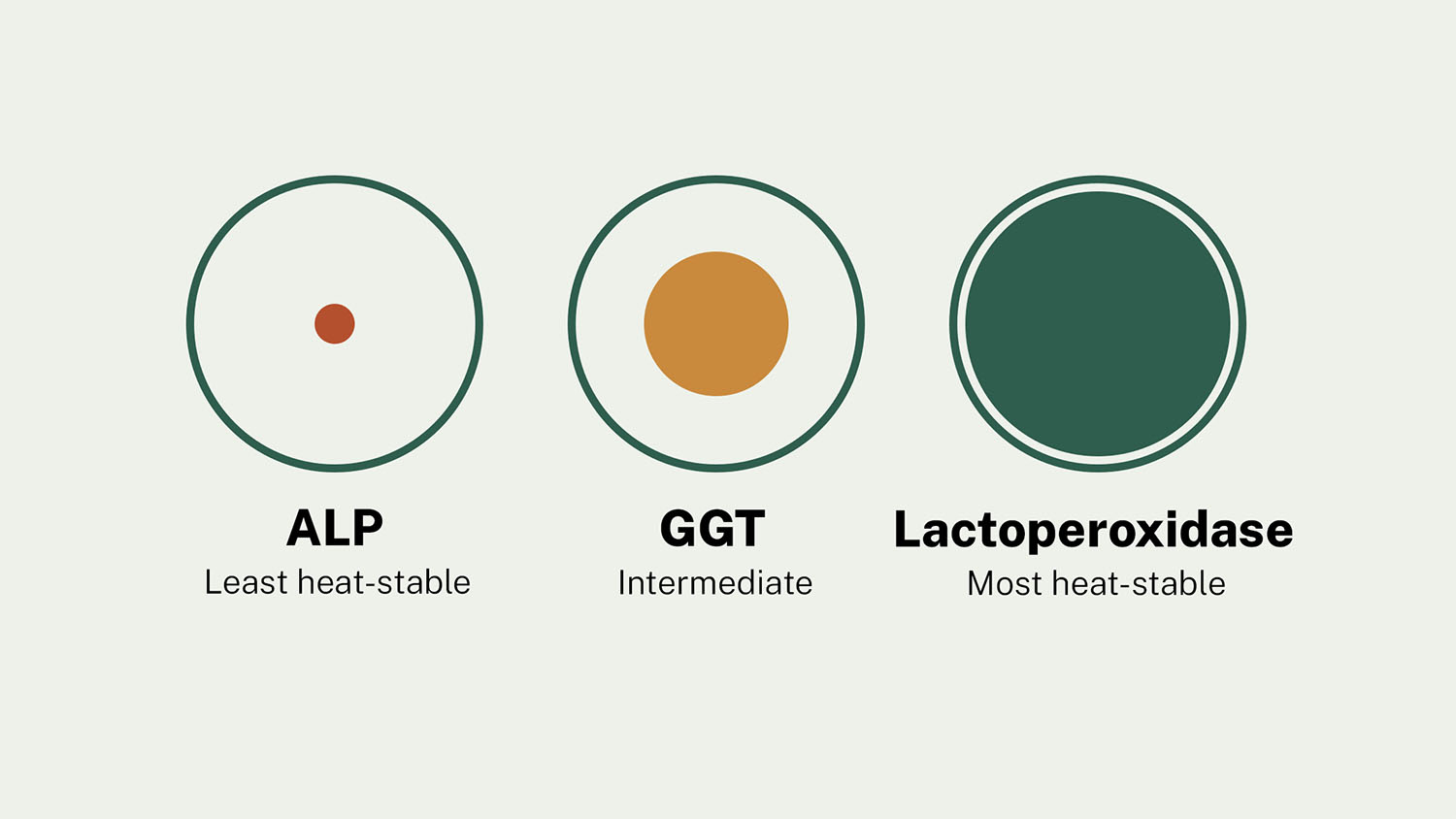
GGT: A Third Heat-Sensitivity Marker Enzyme in Milk
Between alkaline phosphatase and lactoperoxidase sits GGT, a milk enzyme whose heat sensitivity distinguishes specific pasteurization intensities.
-
How High-Pressure Processing Differs From Pasteurization
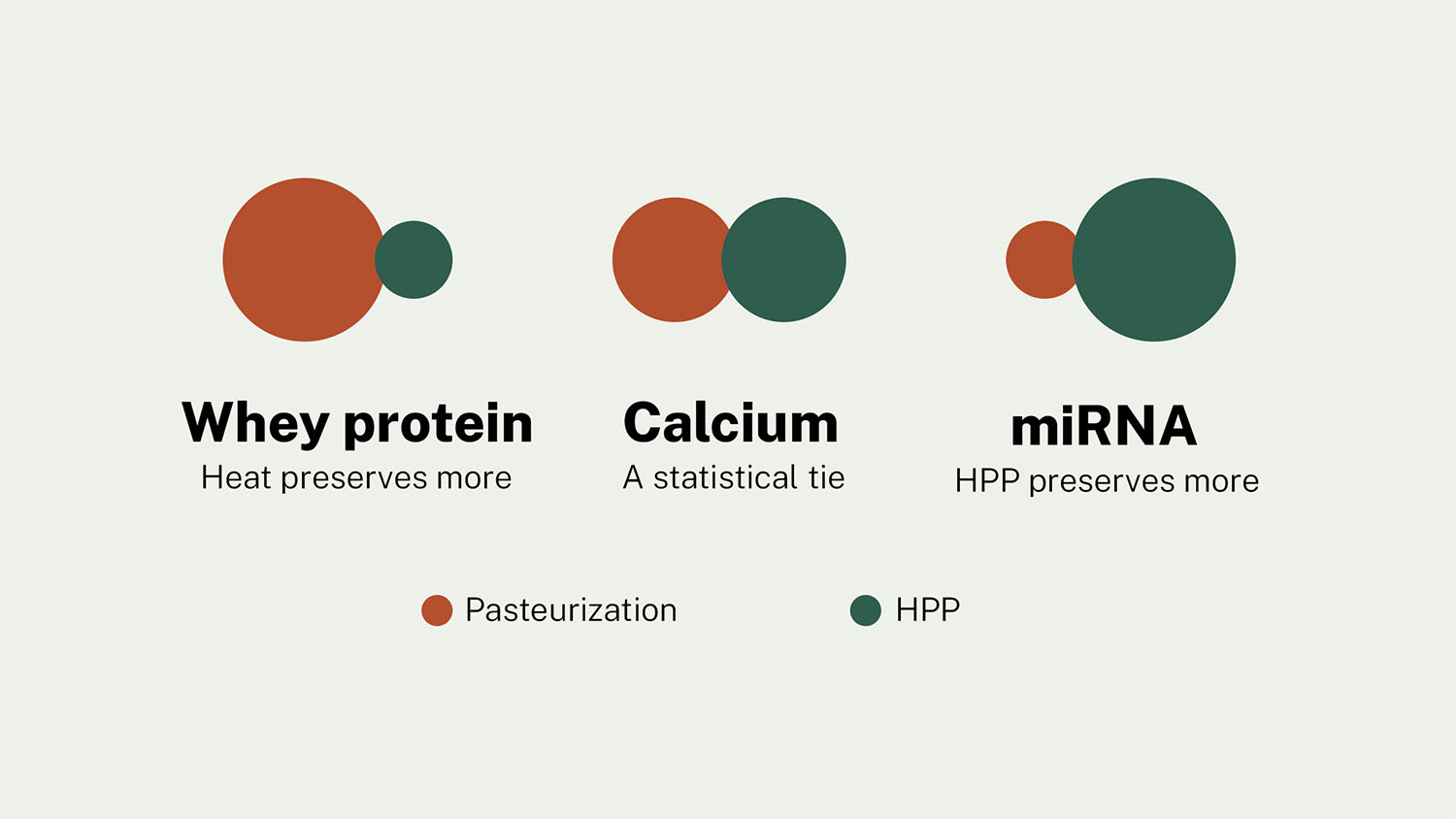
HPP denatures a different set of whey proteins than heat, preserves human milk miRNA far better, but isn’t automatically gentler overall.
-
Plasmin: The Heat-Stable Milk Enzyme That Survives Pasteurization
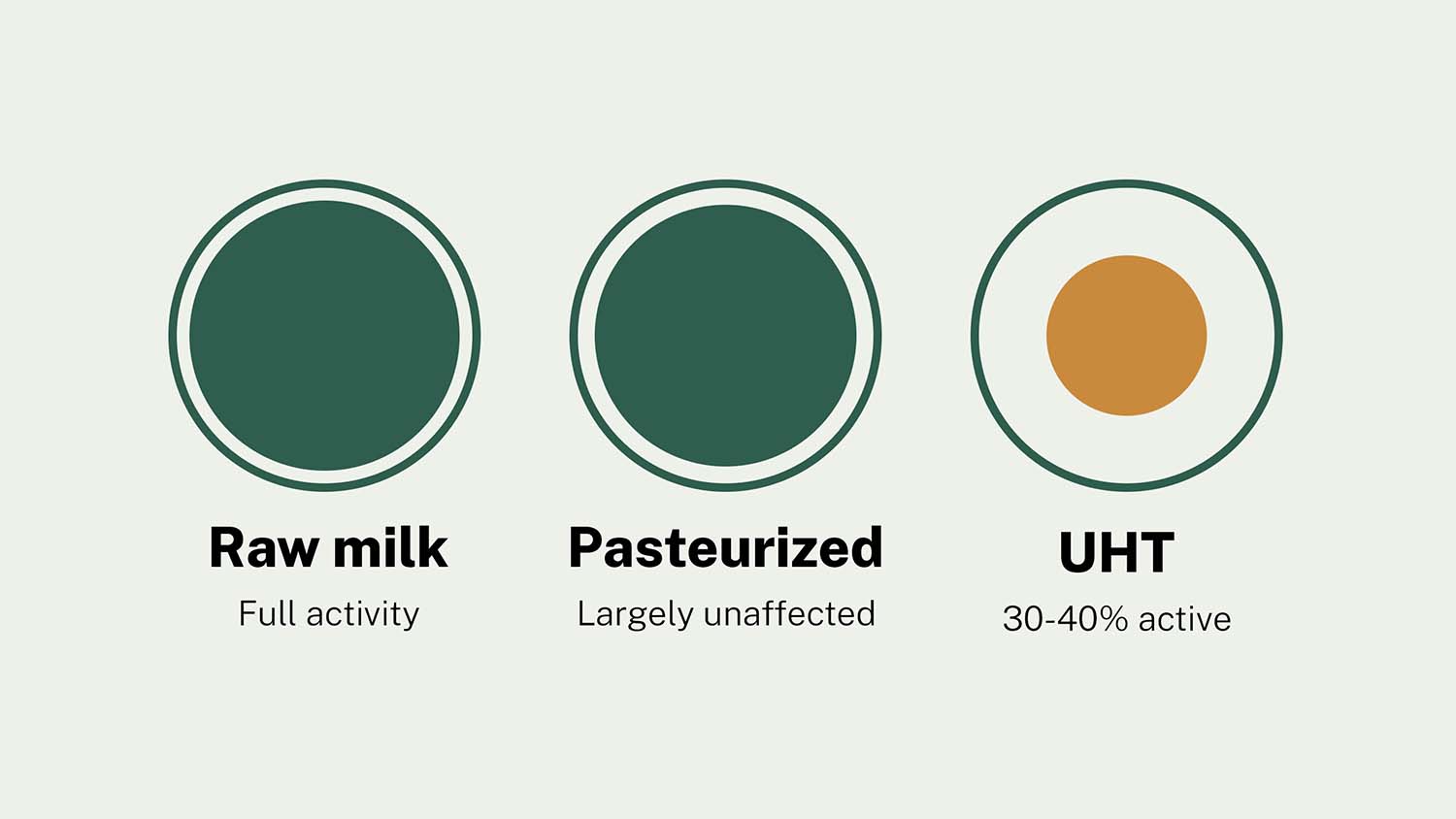
Milk’s main native protein-cutting enzyme survives standard pasteurization largely intact and even retains activity after UHT, unlike most milk enzymes.
-
Milk Oligosaccharides: The Compound That Survives Pasteurization
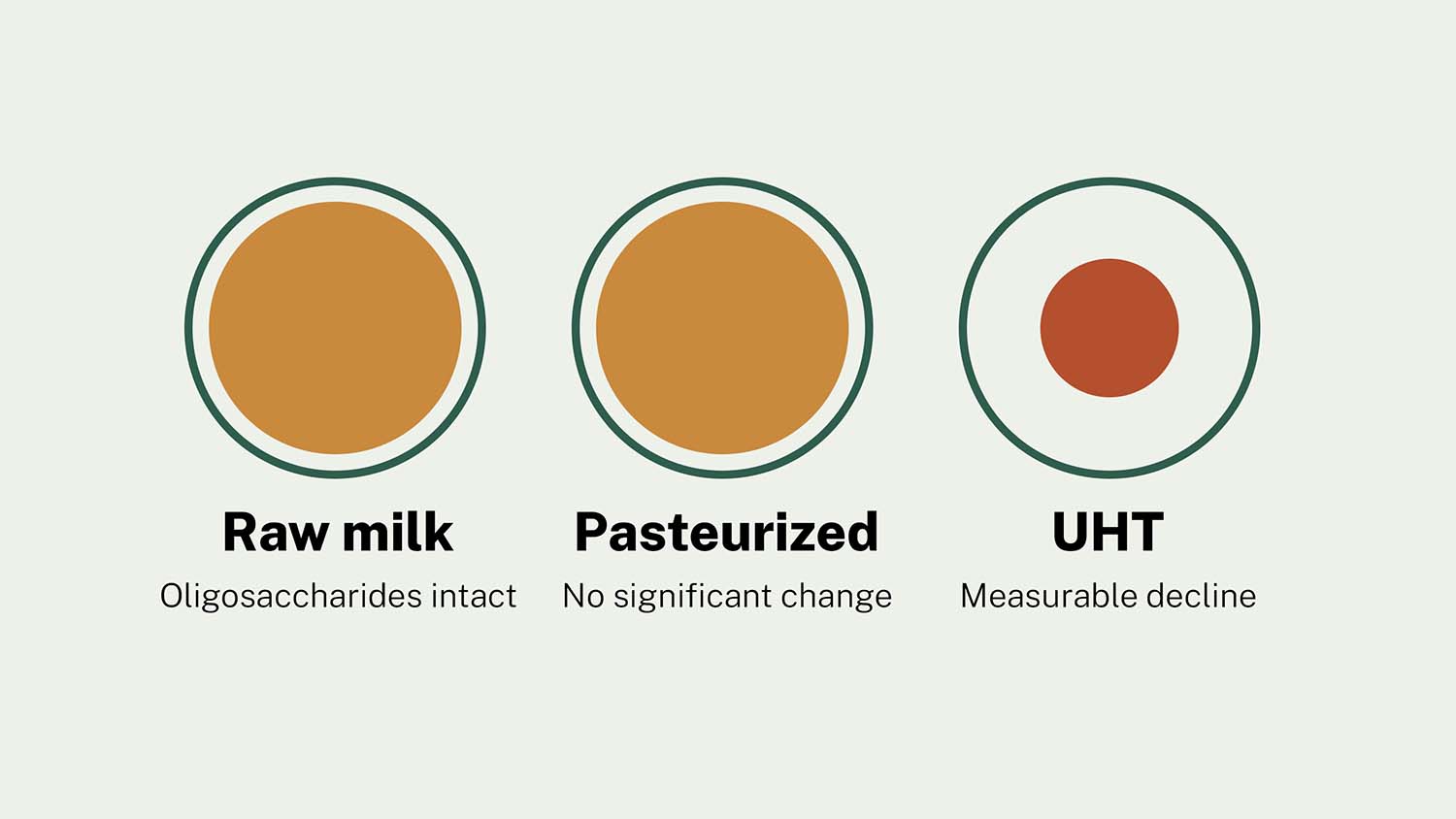
Unlike most milk components, oligosaccharides show up consistently unaffected by standard pasteurization across more than a decade of independent research.
-
The Maillard Reaction in Milk: Furosine and Lysine Damage
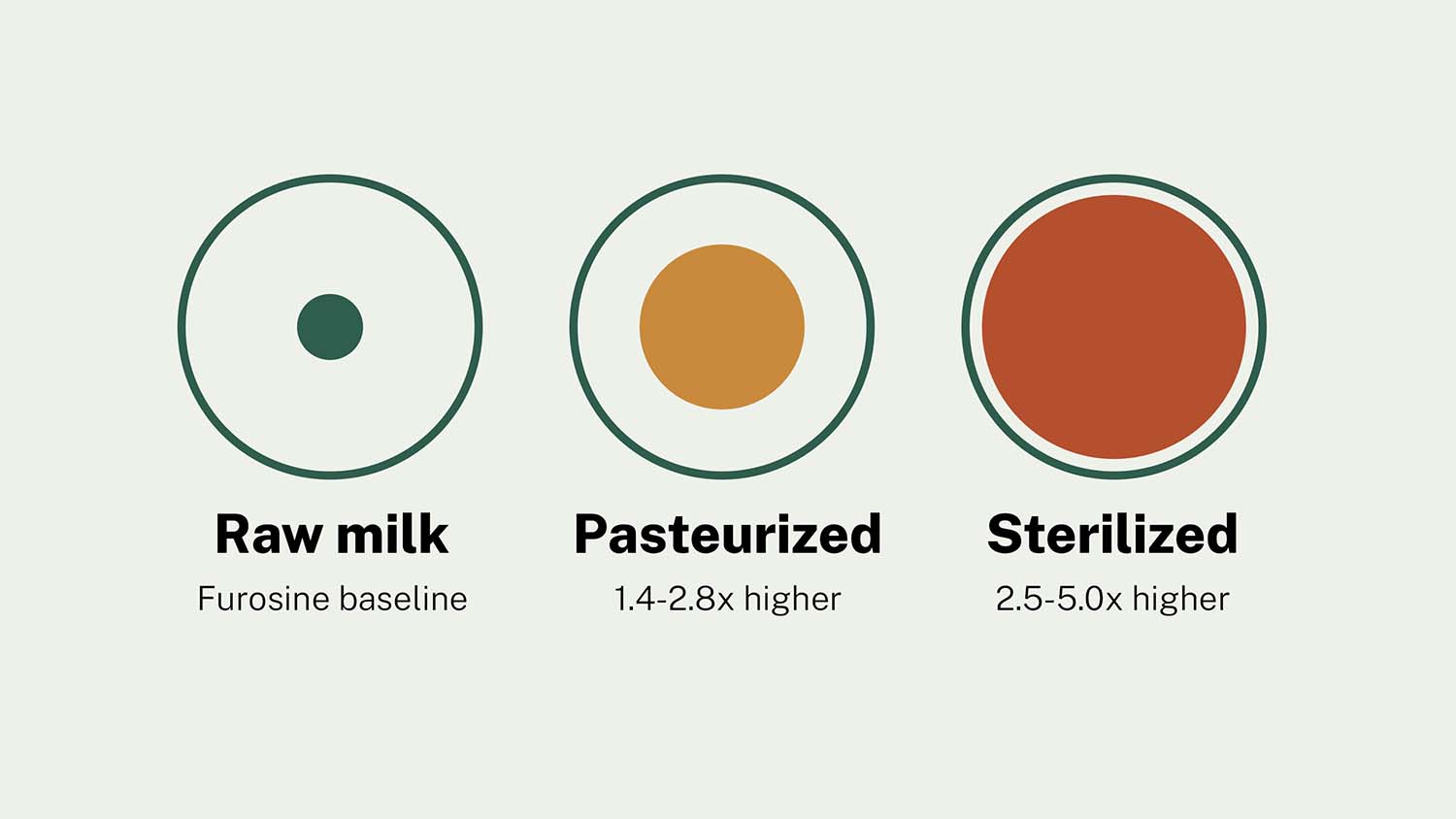
A controlled comparative study found furosine, the marker for heat-induced protein damage, rises far less under pasteurization than under UHT or sterilization.
7/17/2026 - 7/19/2026
Support GetRawMilk.com
Mapping raw milk sources by hand since 2018.
Tips keep it free and updated daily.
Select a tip amount
Enter an amount of $1 or more.
✓ You're supporting a free community resource. This is a tip/donation, not a purchase of milk or products.
Swipe right on some shirts








Contribute
Your support covers hosting, development, and the daily work of keeping listings updated.
-
Submit a new listing +Add a farm to the database
-
SponsorshipsOngoing support with visibility
-
Buy me a milk 🥛Leave a one-time tip